
 English
 CN
CNContent
When a product developer spreads fabric swatches across a table to choose a puffy jacket fabric, the usual suspects are right there: nylon ripstop, coated polyester, and a soft three-layer laminate. It is tempting to pick based on hand feel or price alone, but the decision makes or breaks the jacket’s warmth, durability, and weather protection. The practical rule is to start with a strong nylon or polyester woven base, then add a coating or lamination only if the garment will face wet conditions.
What Defines a Good Puffy Jacket Fabric?
Before comparing specific shells, set the performance requirements. In our coating and lamination work, the same six attributes decide almost every sourcing conversation:
- Tear strength, especially along seams and quilted stitch lines.
- Abrasion resistance for cuffs, shoulders, and areas that rub against backpacks or seatbelts.
- Weather resistance so light snow or drizzle does not wet out the insulation.
- Moisture vapor permeability for wearers who hike, bike, or commute actively.
- Weight and drape, because a stiff shell fights the natural puff of the jacket.
- Downproofness, which prevents feathers from migrating through the face fabric.
Most puffy jacket fabrics start with nylon or polyester. Nylon offers the best strength-to-weight ratio, while polyester delivers good abrasion resistance and color retention at a lower price. The weave and finish then determine how downproof and weather resistant the final fabric will be. If you are not familiar with waterproof rating systems, it helps to review how to choose the right waterproof fabric before you specify a laminated shell.
Nylon or Polyester: The Core Choice
Choose the base polymer first because it sets the ceiling for durability, weight, and cost. The table below summarizes how common shell options compare for a puffy jacket.
| Property | Nylon Shell | Polyester Shell |
|---|---|---|
| Tear strength | Higher at the same weight | Good, but often needs a higher denier |
| Abrasion resistance | Very good | Good |
| Water resistance | Requires coating or lamination | Requires coating or lamination |
| Weight | Lighter for the same strength | Slightly heavier for the same strength |
| Hand feel | Smoother and more premium | Crisper, slightly less supple |
| Cost | Higher | Lower |
Why Nylon Feels Premium
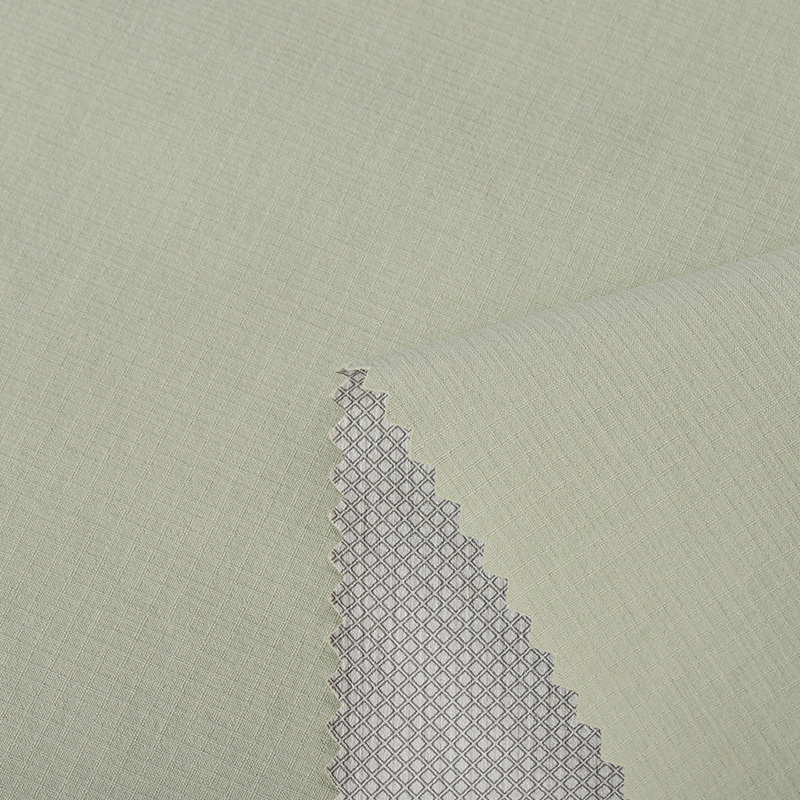
Ripstop nylon is the classic first choice for premium puffers. Because nylon filament yarns have a smooth surface, the fabric drapes well and resists tearing even at low denier. A 30-denier nylon ripstop can keep a puffy jacket light and packable while still meeting the tear strength needed for everyday wear. If you plan to fill the jacket with high-fill-power down, nylon’s compact weave also helps keep quills inside.
Why Polyester Remains Practical
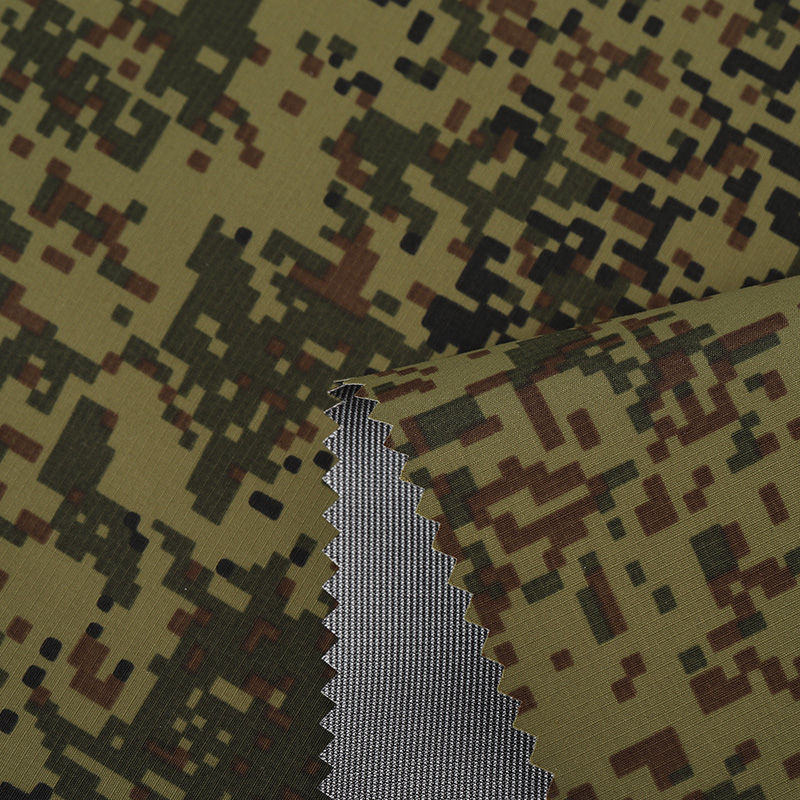
Polyester is the more economical option and holds color better under UV exposure. It also resists stretching when wet, which can be useful for a jacket that may be worn in sleet or snow. Many brands choose polyester for fashion-oriented puffers or for entry-level price points where a small weight penalty is acceptable. Coated polyester is especially common in seasonal styles where the buyer wants a matte, affordable shell.
How Shell Construction Changes Performance
The base weave matters, but the finishing technology has a bigger effect on whether the puffy jacket fabric can keep rain out without becoming a plastic bag. Taffeta and ripstop weaves are the most common bases, and both can be enhanced with a coating or a membrane.
Coated vs. Laminated Shells
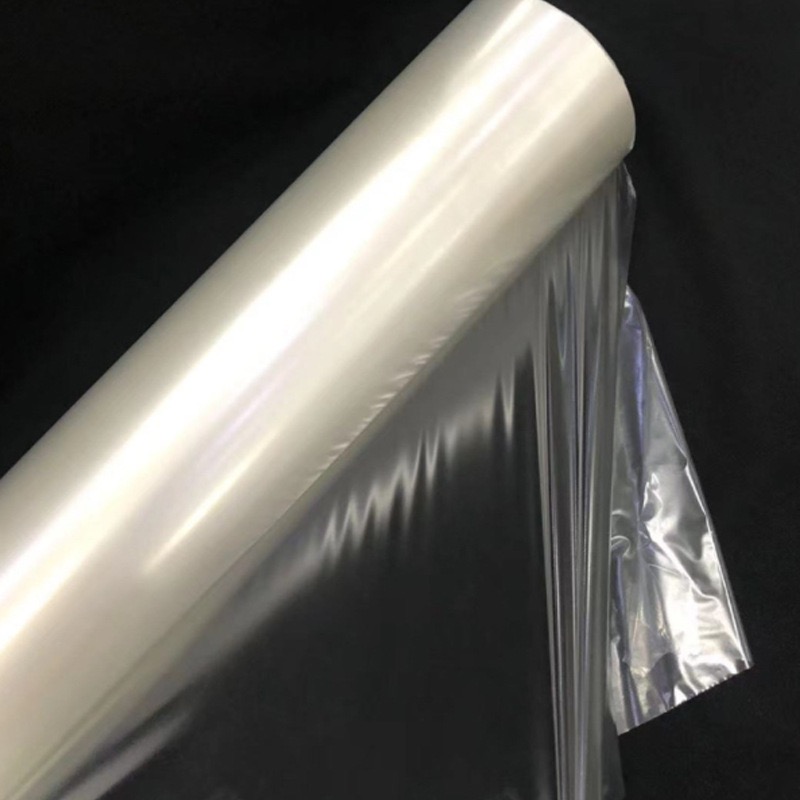
A PU coating is affordable and gives solid protection against drizzle and light snow. However, it does reduce breathability because the coating fills the gaps between yarns. A laminated shell, usually with a TPU or PTFE membrane, performs better when the wearer is active. Lamination also creates a more permanent bond that resists delamination after repeated washing.
Two-Layer vs. Three-Layer Laminates
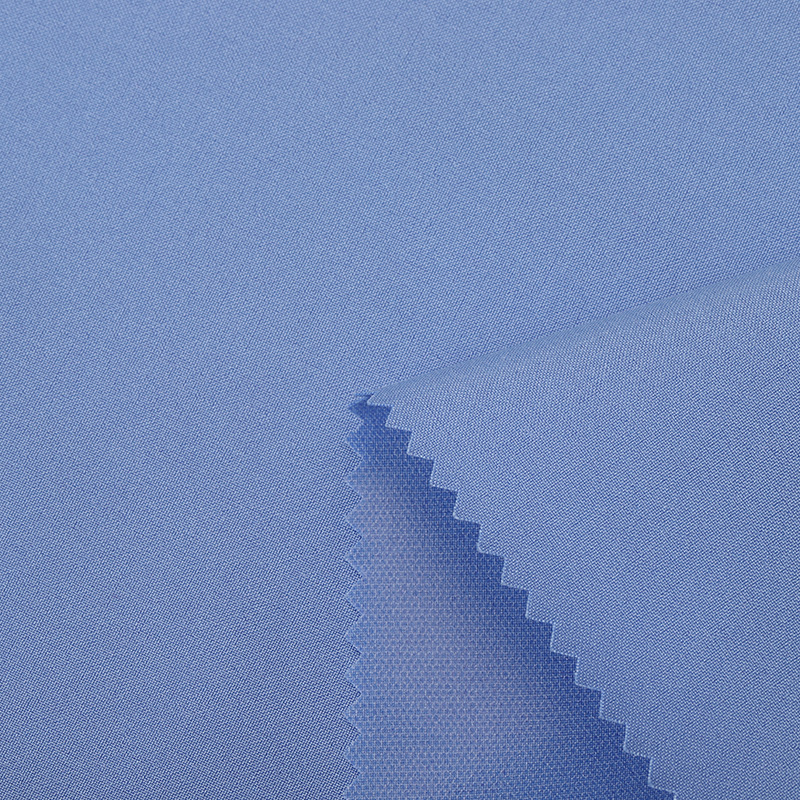
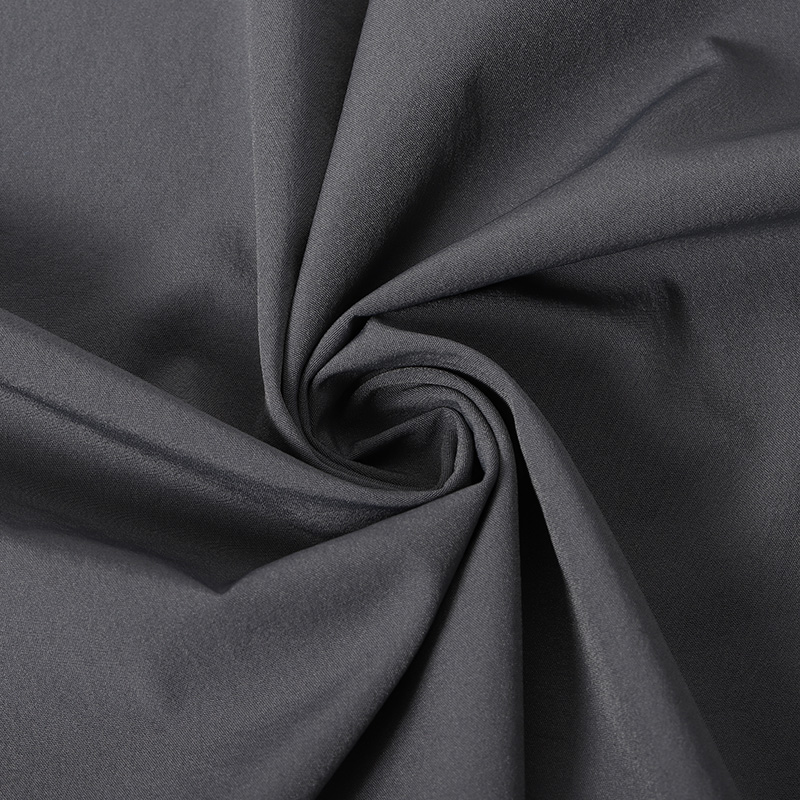
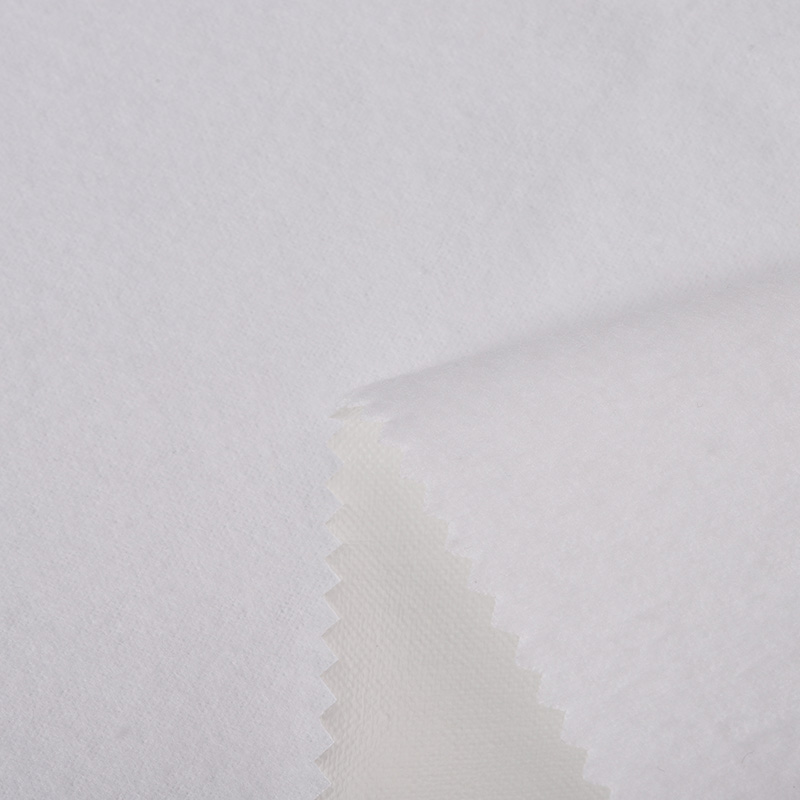
For a casual city puffer, a two-layer construction is simple and soft. A two-layer outdoor functional waterproof fabric bonds the membrane directly to the face fabric and lets the jacket have a separate lining, which keeps the hand feel flexible. For serious alpine use, a three-layer laminate adds a knit backing so the inner layer does not need a separate lining; this reduces layers, reduces weight, and improves durability against wear.
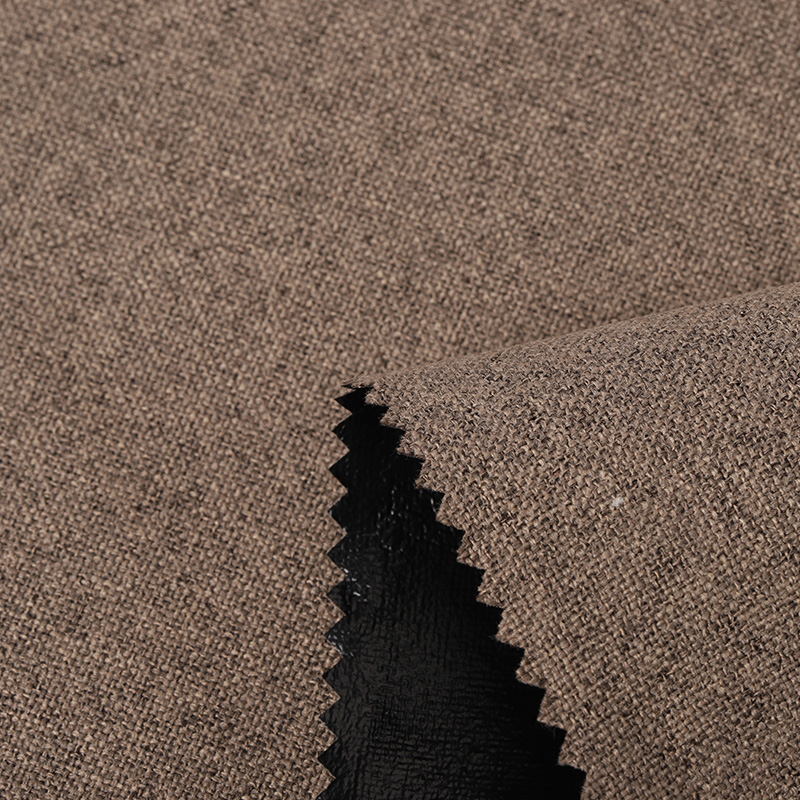 Two Layers Outdoor Functional Waterproof Fabrics ManufacturersWujiang Fuhuang is China OEM Two Layers Outdoor Functional Waterproof Fabrics Manufacturers, Factory, Wholesale Spandex Pongee Laminated ...View Product →
Downproof, Water Resistance, and the 3D Channel Advantage
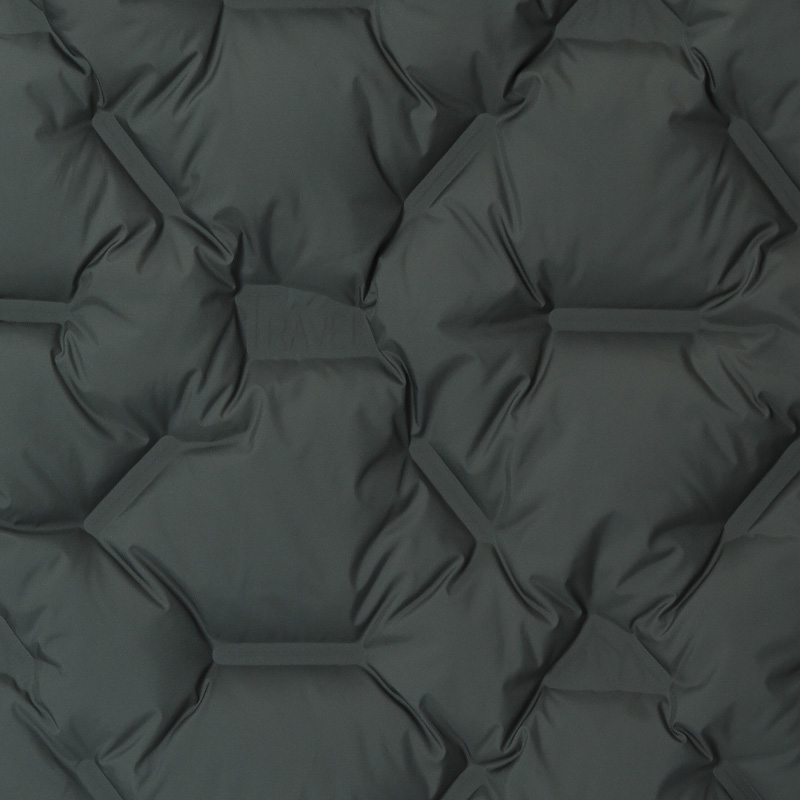
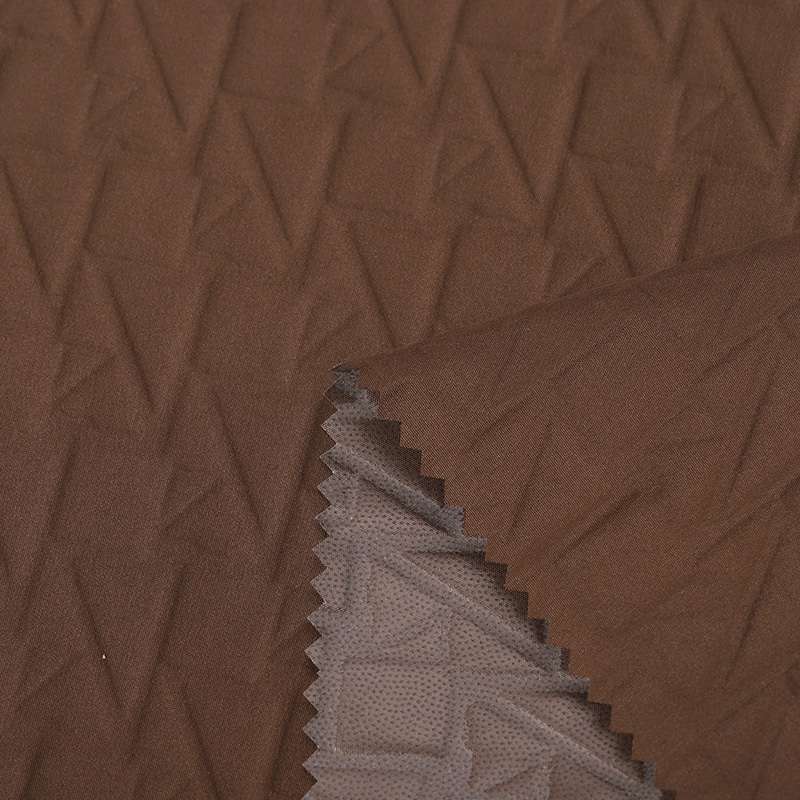
When a puffy jacket is filled with down, the outer fabric has another critical job: keep every feather inside. Downproofness depends on the closeness of the weave and on the sewing pattern. A dense nylon taffeta or ripstop with a downproof finish can stop quills from migrating, but it can also make the shell feel stiff. That is why some brands turn to a structured shell fabric. A 3D channel down jacket fabric creates raised chambers in the face fabric, giving the jacket visible puff before filling and reducing the complexity of internal baffle construction.
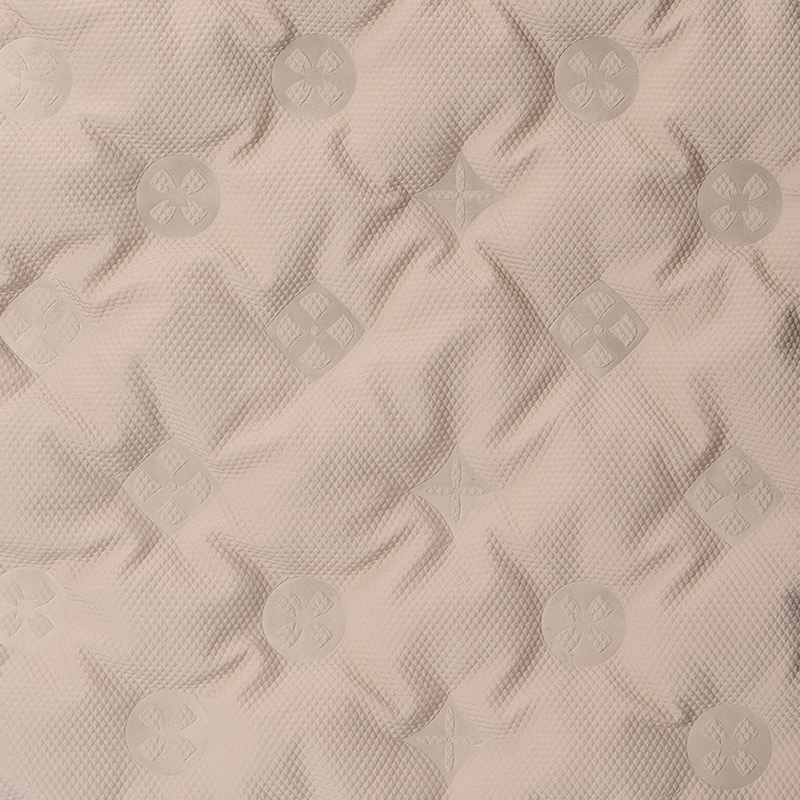 100% Polyester 3D Channel Down Sports Jacket Fabrics ManufacturersWujiang Fuhuang is China OEM 100% Polyester 3D Channel Down Sports Jacket Fabrics Manufacturers, Factory, Wholesale 100% Polyester 3D Cha...View Product →
Water resistance is the second protection layer. Even a short shower can wet out a down jacket and collapse the loft of the insulation. A durable water repellent finish is the minimum; a coated or laminated shell is better if the wearer will face sustained rain. If you need a balanced starting point, compare the downproof and waterproof options for winter jackets covered in our fabric guide. Downproofness and waterproofness are not the same thing: a fabric can shed water easily and still lose feathers along stitch lines, so both properties need separate evaluation.
What to Check Before You Source Puffy Jacket Fabric
Use this practical checklist before sending a bulk order. These points apply whether you are making a lightweight liner puffer or a technical alpine shell.
- Confirm the downproof test standard and the maximum number of plucked down fibers allowed per test cycle.
- Check the hydrostatic head if you plan to claim waterproofness. A rating of 5,000 mm is a common entry point; 10,000 mm or more is safer for heavy rain.
- Review moisture vapor permeability for active use. Values above 3,000 g/m²/24h start to feel comfortable inside a jacket.
- Measure the GSM and compare it with your target weight. A lightweight 20-denier shell may sit around 40–50 gsm, while a rugged 40-denier three-layer can exceed 100 gsm.
- Verify color fastness and shrinkage after washing, especially for printed shells and color-matched trims.
- Test the hand feel and drape on a prototype, not only on a flat swatch.
Once the shell is settled, the insulation type will still influence the final result. Our guide to the key differences between down and puffer jackets explains why a down jacket needs a tighter shell than a synthetic-filled model, and how that changes your fabric selection.
Working with a Functional Textile Manufacturer
At this point you may feel confident about the material direction. The last step is finding a manufacturer who can make the concept reproducible on a commercial scale. In our own facility, we combine 15 years of coating and lamination experience with a daily output of 200,000 meters across 20 PUR laminating machines. That gives the development team room to test new puffy jacket fabrics without forcing the customer into unreasonable minimum orders.
One of the smartest ways to add value is to start with a functional shell and then customize the logo, print, or surface finish. Our ODM production process has produced more than 3,000 patterns, so a private-label brand can move from a stock recipe to a bespoke fabric quickly.
For slim fitting puffy jackets that need insulation and weather protection in one material, an aerogel functional waterproof fabric offers a useful alternative to the traditional shell-and-fill layering. The aerogel film provides a thermal barrier while the laminated face keeps wind and rain out. It is not the answer for every puffer, but it is a practical tool when the design has to stay sleek without adding a thick insulation layer.
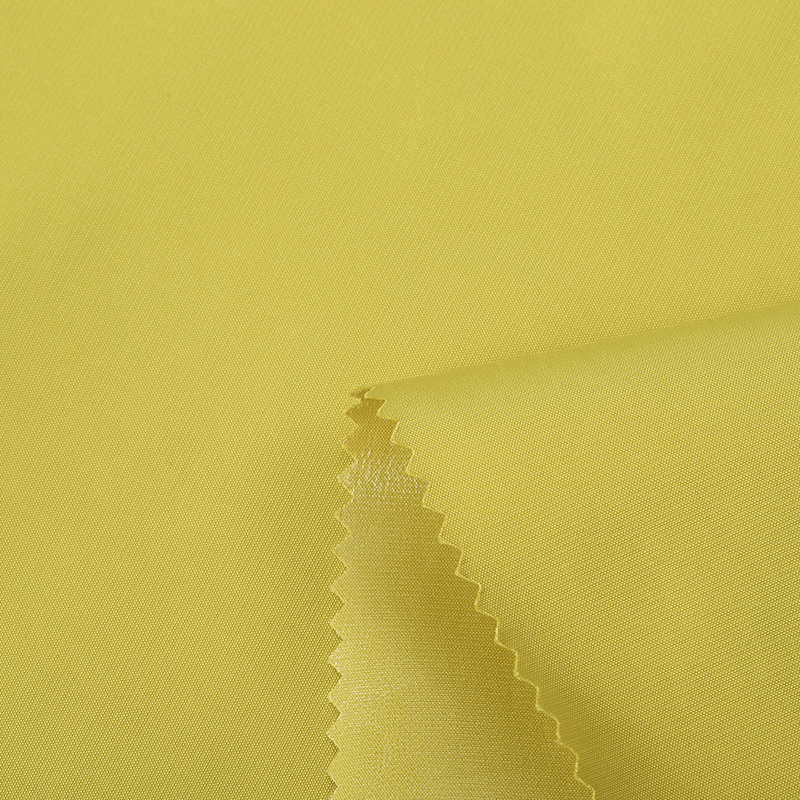 2&3 Layers Aerogel Functional Waterproof Fabrics ManufacturersAs China 2&3 Layers Aerogel Functional Waterproof Fabrics Manufacturers, Factory, Wujiang Fuhuang Wholesale Polyester/Spandex/Oxford Lami...View Product →