
 English
 CN
CNContent
- 1 How we approach puff winter jacket fabric as a manufacturer
- 2 Construction options that work for modern puff winter jackets
- 3 Spec targets we recommend before you approve a puff winter jacket fabric
- 4 Material and surface direction: what buyers should decide early
- 5 From sampling to bulk: how we keep your puff winter jacket fabric consistent
- 6 Quality control: tests we rely on for winter outerwear fabrics
How we approach puff winter jacket fabric as a manufacturer
When you develop a puff winter jacket, the fabric is not just a “shell”—it directly determines warmth retention, leakage risk, weather resistance, and sewing efficiency. As a manufacturer and supplier, we focus on helping brands hit performance targets while keeping production stable and repeatable from sampling to bulk.
In practical terms, we design puff winter jacket fabric around three outcomes: down containment (or insulation containment), wind and moisture management, and durability with the right hand-feel. Once these are clear, the rest—construction, finishes, and testing—becomes straightforward.
Construction options that work for modern puff winter jackets
Most puff styles fall into two build paths: (1) traditional cut-and-sew quilting, or (2) channel constructions that reduce or eliminate quilting lines. Where brands want a more dimensional look and cleaner panel surfaces, we often recommend a channel approach because it can reduce needle holes and streamline filling operations.
3D channel construction for direct filling
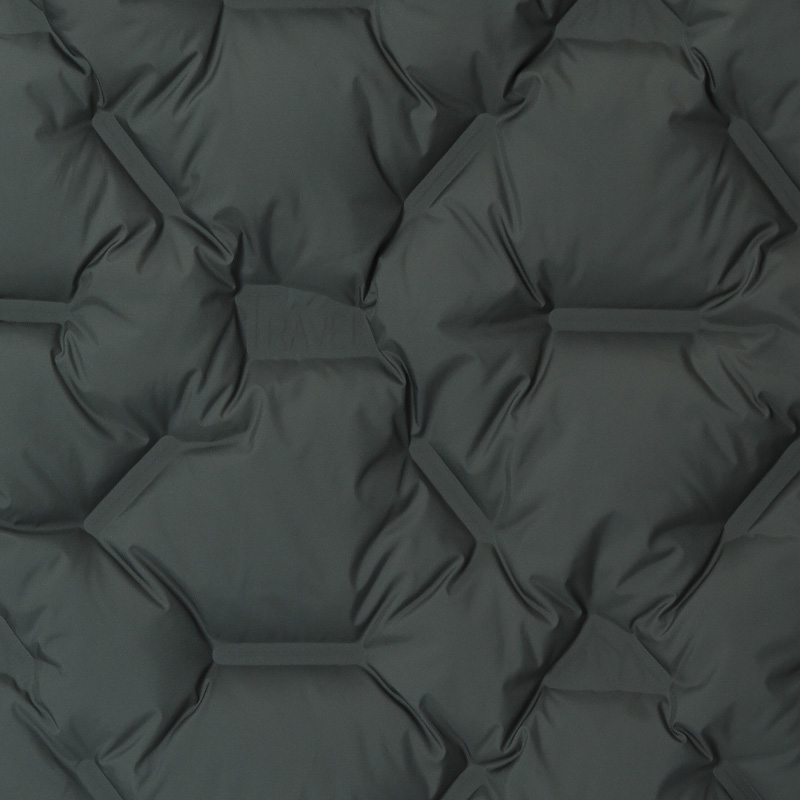
For clients pursuing a distinctive surface texture and efficient manufacturing, our 3D channel approach supports direct filling without traditional quilting. This is especially useful when you want a contemporary “puffed” appearance while also managing leakage risk and improving consistency across production lines.
If you want to review the construction concept we supply, you can see our 3D channel down jacket fabric page and compare it with your current jacket tech pack approach.
Laminated shells for wind and wet conditions
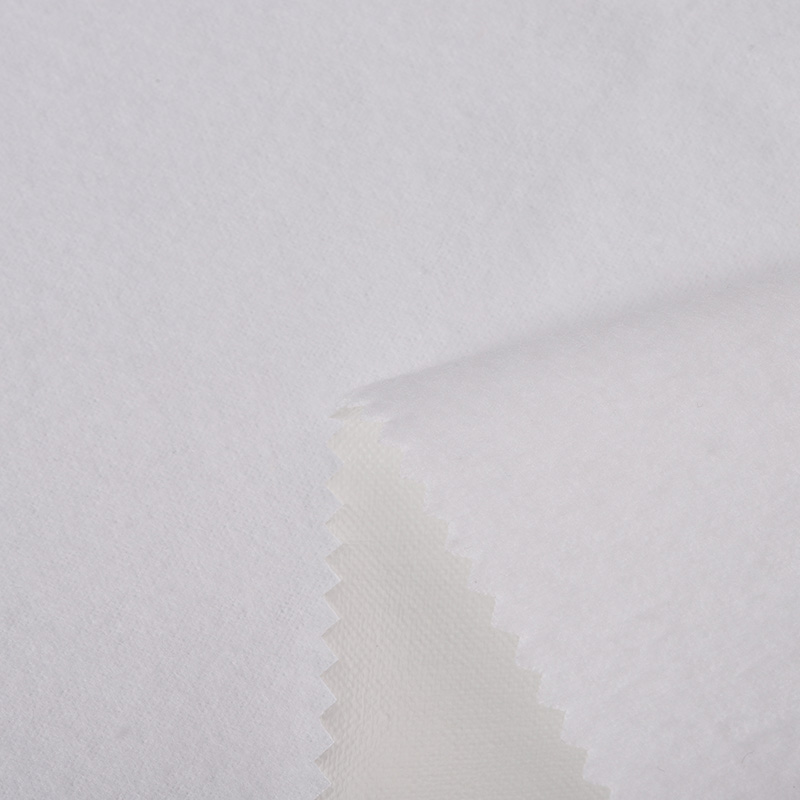
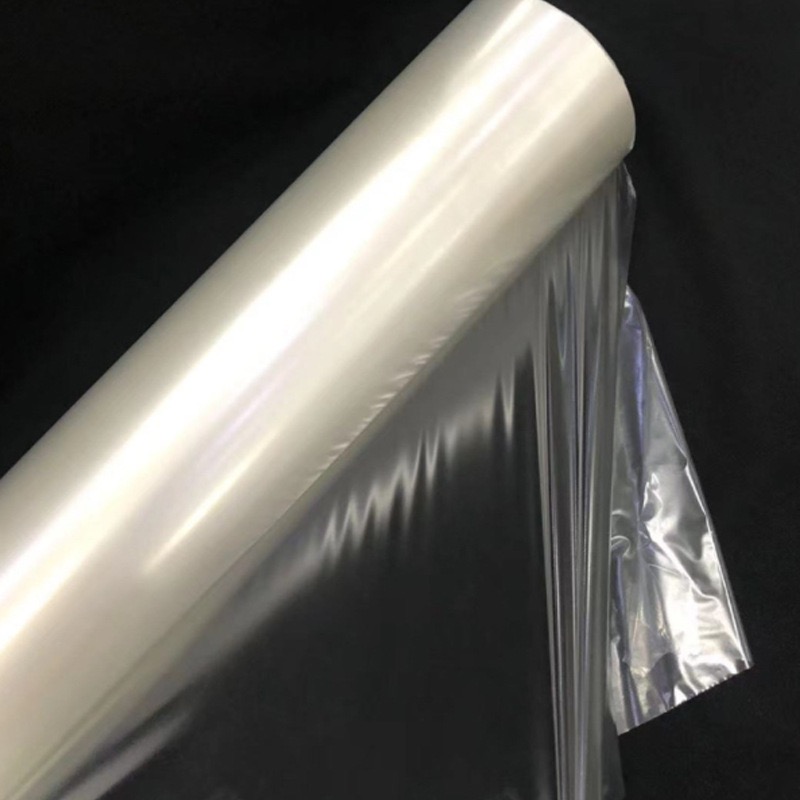
When the jacket is intended for wind-exposed commuting, damp winters, or light snow, lamination is typically the fastest way to raise protection levels. The trade-off is breathability and hand-feel, so we usually tailor lamination to the use case rather than applying the heaviest solution to every style.
| End-use scenario | Typical face fabric direction | Key performance priority | Common finish choice |
|---|---|---|---|
| Urban fashion puffer | Smooth woven with dimensional options | Hand-feel + downproof | DWR + calendering/downproof control |
| Packable lightweight puffer | Fine-denier woven (lightweight) | Weight + leakage control | Downproof spec + soft DWR |
| Kids’ winter jacket | Tougher woven with abrasion focus | Durability + easy care | Stronger DWR + stain resistance |
| Cold/wet commuting | Woven + membrane/film options | Windproof + water resistance | 2L/3L lamination + seam strategy |
Spec targets we recommend before you approve a puff winter jacket fabric
To avoid sampling loops, we ask buyers to confirm measurable targets early. If you only choose by “feel” in the first round, you often discover leakage, wind penetration, or seam issues after you have already aligned colors and trims.
Core construction and weight guidance (examples)
- Lightweight packable shells often target 40–70 g/m² finished fabric weight to keep bulk down while maintaining downproof performance.
- Everyday winter puffers commonly land around 70–120 g/m² when durability and structure matter more than extreme packability.
- If you add lamination, plan for a hand-feel change and confirm the acceptable “crispness” level in your tech pack before bulk approval.
Performance targets that prevent costly returns
- Downproof / leakage control: define an acceptance method (rub test / shake test / visual inspection after abrasion) and specify the allowable leakage level.
- Wind resistance: for true winter comfort, prioritize low air penetration; this often matters more than adding heavy coatings.
- Water management: clarify whether you need “snow and drizzle” resistance (DWR) or measurable waterproof performance (lamination + seam strategy).
- Colorfastness and migration control: important for dark colors and bright fashion shades; confirm wash and rub expectations by market.
- Seam performance: confirm seam slippage risk for lightweight fabrics, especially if the jacket uses high-tension stitching near pockets and zippers.
Our practical rule is simple: if the jacket must feel warm in wind, lock down downproof + wind resistance first, then add water resistance appropriate to the climate and price point.
Material and surface direction: what buyers should decide early
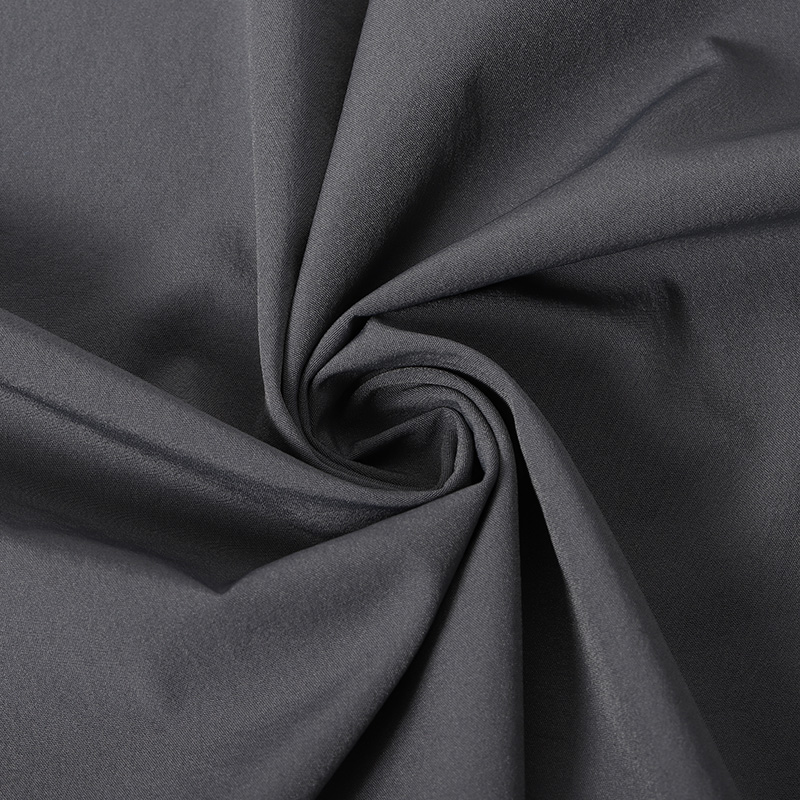
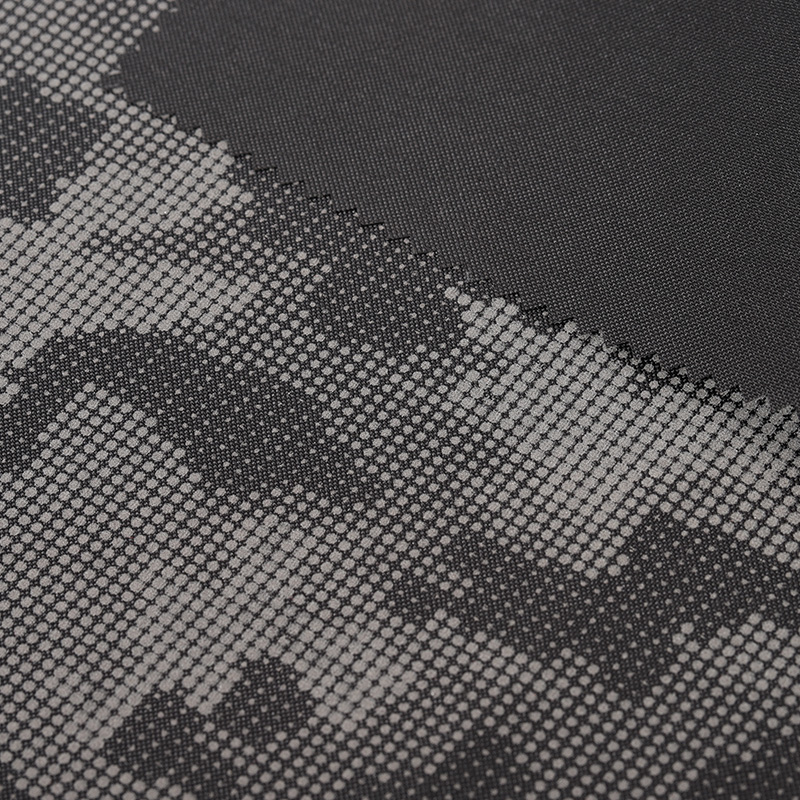
For puff winter jacket fabric, surface decisions affect both branding and performance. A smooth, quiet hand-feel reads premium; a textured or dimensional surface can make the jacket look warmer and more technical. If you plan to sell in-store, the “touch” factor is often as important as the lab numbers.
Example: aligning fabric choice to your customer promise
- If you market “light and warm,” prioritize low weight, downproof control, and a softer DWR rather than heavy coatings.
- If you market “city winter protection,” focus on wind resistance first, then specify a higher water-resistance strategy for commuting.
- If you market “technical winter,” consider lamination options and confirm breathability expectations so the jacket does not feel clammy.
When clients want a dimensional channel look with a clean panel surface, we typically discuss channel geometry, filling method, and whether the design should reduce traditional quilting lines. That conversation is exactly where a 3D channel solution can make development smoother.
From sampling to bulk: how we keep your puff winter jacket fabric consistent
Consistency is what separates a good sample from a scalable production program. Our role is to help you control variables—construction, finishes, and test methods—so bulk fabric matches the approved standard, not just the first sample roll.
A practical development workflow we recommend
- Confirm end-use and climate: wind exposure, rain/snow frequency, and target wearing temperature range.
- Lock performance targets: downproof method, water strategy (DWR vs waterproof), and durability requirements.
- Select construction: standard woven shell, laminated option, or a channel construction for direct filling.
- Approve lab dips/strike-offs: confirm shade under your retail lighting conditions and define the allowable tolerance.
- Finalize bulk SOP: inspection points, roll labeling, and shipment packing standards that your factory can execute repeatedly.
For brands exploring channel construction, we keep the evaluation practical: the visual effect, filling efficiency, and leakage control must all align. You can reference our 3D channel down jacket fabric page to see the type of channel surface direction we supply, then we can match it to your silhouette and cost target.
Quality control: tests we rely on for winter outerwear fabrics
A puff winter jacket can look perfect at shipment and still fail in the customer’s hands if testing is incomplete. We prefer to define test methods up front and set acceptance criteria that match your market, because “pass/fail” is meaningless without context.
QC checkpoints we recommend for puff programs
- Downproof/leakage evaluation after controlled abrasion or rubbing (method aligned with your brand standard).
- Water management checks: DWR spray rating (for water-repellent shells) or waterproof testing (for laminated shells).
- Wind resistance validation via air penetration targets for winter comfort.
- Colorfastness: dry/wet rub and wash performance aligned with your care label expectations.
- Mechanical durability: tear strength and abrasion appropriate to the jacket’s price tier and usage intensity.
If you want fewer development iterations, the most impactful step is to write down your target test methods and acceptance criteria before you approve the first sample yardage. That single change prevents the most common “sample pass, bulk fail” situations.