
 English
 CN
CNContent
- 1 What is PBT fabric in practical terms?
- 2 How PBT fabric feels and why it stretches
- 3 Key properties of PBT fabric (with usable numbers)
- 4 Where PBT fabric is used (and why)
- 5 PBT vs common alternatives (quick comparison)
- 6 How to wash and care for PBT fabric
- 7 Common questions: durability, chlorine, and color
- 8 Buying checklist: how to tell if a PBT fabric is the right choice
PBT fabric is a polyester-based fabric (polybutylene terephthalate) valued for its springy stretch, strong shape recovery, quick drying, and excellent resistance to pool chemicals. It is most commonly used in swimwear and performance apparel where long-lasting fit matters.
If you’re deciding whether PBT is right for your needs, focus on three practical points: how it stretches and rebounds, how it handles chlorine/sweat, and how it should be washed to protect elasticity and color.
What is PBT fabric in practical terms?
PBT is a type of polyester polymer that can be made into fibers and knitted or woven into fabric. In clothing, “PBT fabric” often refers to:
- A fabric made primarily from PBT fibers, or
- A blend where PBT provides stretch and recovery (sometimes alongside other polyesters or elastane/spandex).
The everyday result is a material that feels smooth, holds its shape well after repeated wear, and is especially popular for garments exposed to chlorinated water.
How PBT fabric feels and why it stretches
Hand-feel and comfort
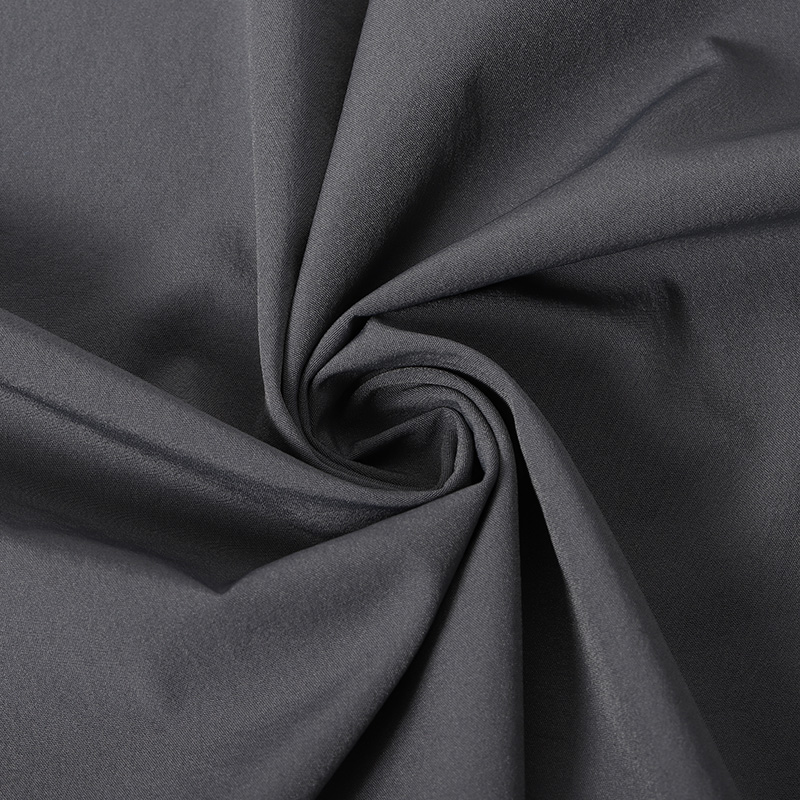
PBT typically has a smooth, soft hand similar to other performance polyesters. In knit constructions (common for swim and activewear), it can feel lightly “springy” rather than rubbery.
Stretch mechanism
PBT’s polymer structure supports elastic-like behavior in fiber form, which means the fabric can stretch and recover without relying entirely on spandex. In many swimwear designs, this contributes to more consistent fit over time, especially when chlorine exposure is frequent.
Key properties of PBT fabric (with usable numbers)
Exact performance depends on yarn type, fabric construction, and finishing, but PBT is generally characterized by the following practical benchmarks:
- Low moisture regain (~0.4% typical): helps the fabric feel less “waterlogged” and supports quick drying.
- Melting point around 223–230°C: indicates good heat stability for typical garment use, but still requires controlled ironing and tumble drying.
- Density around 1.31 g/cm³: in the same general range as other polyesters, supporting durable, abrasion-resistant textiles.
- Strong shape recovery: helps reduce bagging at knees, elbows, seat, and swimsuit straps over repeated wears.
- High chemical resistance (notably to chlorine): a key reason PBT is common in training swimwear and team suits.
A concrete example: frequent lap swimmers often prefer PBT-heavy suits because the fabric is less likely to become loose and transparent from repeated pool sessions compared with many spandex-heavy blends, provided the suit is rinsed and dried correctly.
Where PBT fabric is used (and why)
PBT shows up in product categories where fit retention, chemical resistance, and fast dry time are high-value requirements:
- Swimwear (training suits, team suits): chlorine exposure plus repeated stretching demands strong recovery.
- Activewear and athleisure: resilience against sweat, frequent washing, and movement.
- Compression-style garments: structured knits that need spring-back without heavy reliance on spandex.
- Linings and trims: where durability and elasticity are helpful at stress points.
If the item will be used in a chlorinated pool multiple times per week, PBT is often a more dependable choice than many fashion swim fabrics.
PBT vs common alternatives (quick comparison)
| Material | Stretch & recovery | Chlorine resistance | Drying speed | Best use case |
|---|---|---|---|---|
| PBT (polyester) | High recovery, springy feel | High | Fast | Training swimwear, durability-first activewear |
| Polyester + Spandex | Very high (initially) | Medium (depends on spandex and finish) | Fast | Comfort stretch, fashion swim, leggings |
| Nylon + Spandex | Soft, smooth, high stretch | Lower to medium (nylon can be affected over time) | Medium | Premium feel, fashion fit, low-to-moderate pool use |
Rule of thumb: if chlorine exposure is frequent and you want the garment to keep its fit longer, PBT is often the safer bet.
How to wash and care for PBT fabric
Care matters as much as fiber choice. Most premature “stretch-out” complaints come from heat and chemical residue rather than normal wear.
- Rinse immediately after use (especially after pool sessions) to remove chlorine and salts.
- Use cool to warm water and mild detergent; avoid harsh bleach unless the garment label explicitly allows it.
- Skip high heat: line dry or tumble dry low. Heat is a common cause of loss of elasticity and surface glazing.
- Avoid rough contact with Velcro and abrasive surfaces to reduce pilling and snags.
For swimwear, a simple rinse and air dry routine can materially extend service life; the difference is often noticeable after dozens of uses.
Common questions: durability, chlorine, and color
Is PBT good for chlorine?
Yes. PBT is widely chosen for chlorine-heavy environments because it tends to maintain shape, fit, and fabric integrity better than many spandex-forward fabrics when used and cared for properly.
Will it fade?
Color performance depends heavily on dye system and finishing. Pool chemicals and UV exposure can still cause fading over time, but PBT garments designed for training use are typically engineered to handle repeated wash-and-wear cycles.
Does it pill?
Any synthetic knit can pill with abrasion. PBT is generally durable, but rubbing against rough pool decks, Velcro, or textured gym equipment can still create surface fuzz—care and usage conditions matter.
Buying checklist: how to tell if a PBT fabric is the right choice
Use this checklist to choose PBT fabric intentionally rather than guessing from marketing labels:
- Check fiber content: look for PBT explicitly listed, and note whether it’s a primary fiber or a small percentage blend.
- Match the use case: frequent pool use and training favors PBT-heavy fabrics; occasional leisure swim may not require it.
- Assess recovery: gently stretch the fabric and see how quickly it snaps back—good PBT fabrics rebound cleanly.
- Review care label limits: if it prohibits heat and harsh chemicals, treat it accordingly to protect long-term fit.
Bottom line: if you want a fabric that keeps its fit under repeated stretching and chlorine exposure, PBT fabric is one of the most practical, durability-oriented options.