
 English
 CN
CNContent
- 1 What ripstop material is (and what makes it different)
- 2 How ripstop stops tears: the simple mechanics
- 3 Common ripstop types you’ll see in products
- 4 Where ripstop material performs best (and where it doesn’t)
- 5 How to recognize ripstop and verify quality
- 6 Ripstop material care, cleaning, and repair tips
- 7 Choosing ripstop: a practical checklist
- 8 Conclusion: the clearest takeaway
Ripstop material is a fabric engineered to stop small tears from spreading. It does this with a built-in reinforcement grid—stronger threads woven at regular intervals—so if the fabric gets punctured, the rip is more likely to “stall” at the grid instead of running across the panel.
What ripstop material is (and what makes it different)
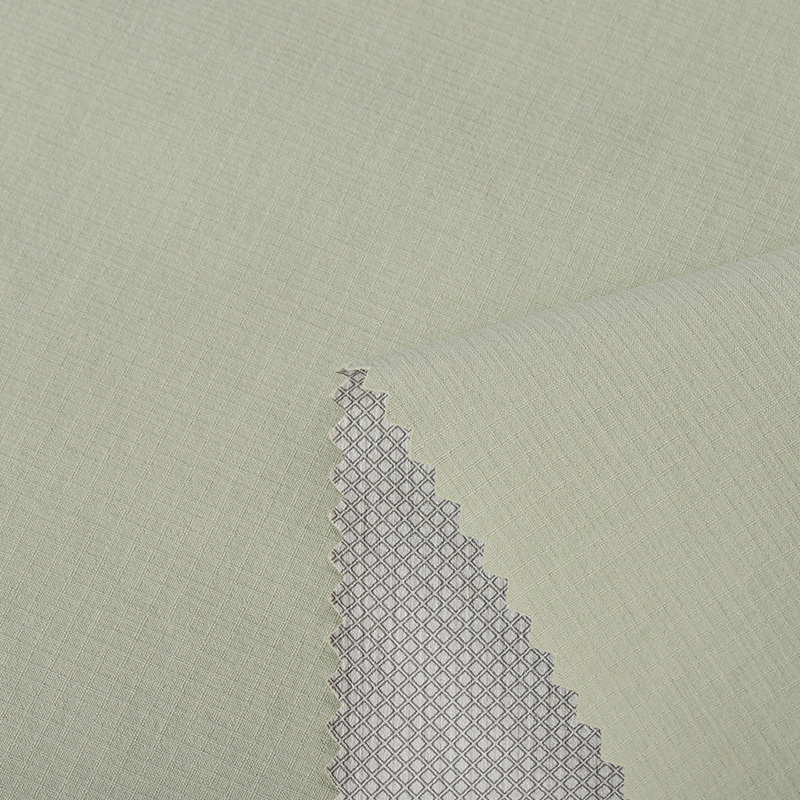
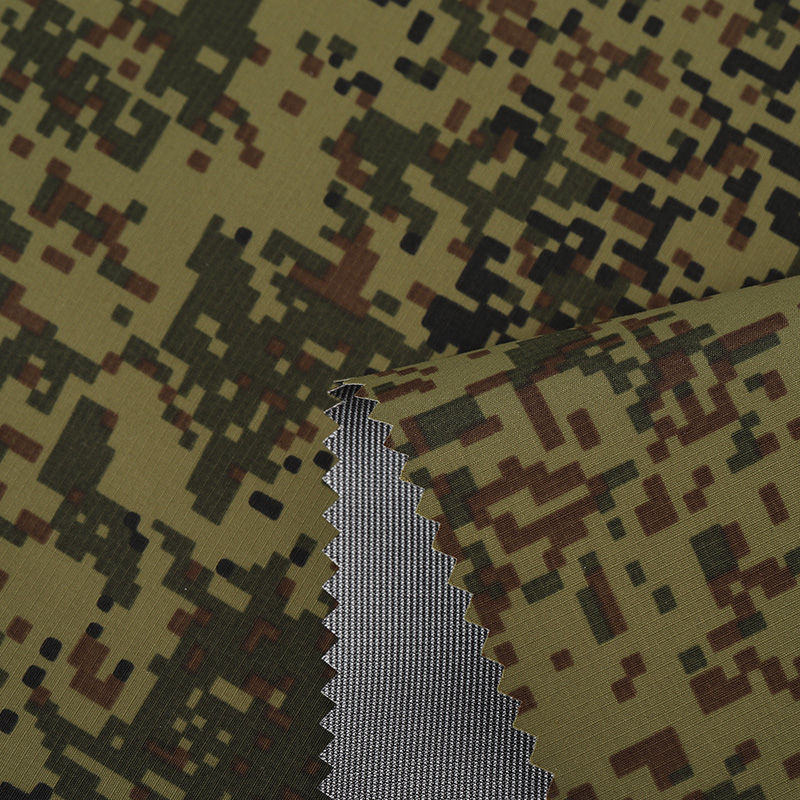
Ripstop is not a single fiber (like cotton or nylon). It’s a weave structure (or reinforcement pattern) used in many fabrics—most commonly nylon or polyester—where thicker or higher-tenacity yarns are interlaced in a crosshatch pattern. Those reinforcement yarns typically sit every few millimeters, forming visible squares or diamonds.
In practical terms, ripstop is chosen when you want a fabric that is lightweight yet less likely to be ruined by one snag. It’s widely used in outdoor gear, uniforms, bags, and performance apparel because it balances durability with packability.
How ripstop stops tears: the simple mechanics
A typical fabric can “run” once a tear begins because the stress concentrates at the tear tip. Ripstop interrupts that run. When a puncture happens, the tear meets a stronger reinforcement yarn. That yarn redistributes force into adjacent yarns and reduces the stress concentration at the tear tip.
A practical example
If a backpack pocket catches on a branch, a non-reinforced fabric may rip into a long slit. A ripstop panel is more likely to end up with a short tear contained within one “box” of the grid, making repair easier and keeping the item usable.
- Ripstop reduces the likelihood of a small tear becoming a large failure.
- It does not make fabric “tear-proof”—sharp cuts can still propagate, especially along seams.
- The benefit is strongest in thin, light fabrics where uncontrolled tearing would otherwise be common.
Common ripstop types you’ll see in products
Ripstop can be made with different base fibers and coatings. The “best” option depends on whether you prioritize abrasion resistance, water resistance, weight, cost, or UV stability.
| Ripstop type | Strengths | Trade-offs | Common uses |
|---|---|---|---|
| Nylon ripstop | Very high tensile strength for weight; packs small | Can absorb some moisture; UV can degrade over time | Tents, backpacks, windbreakers |
| Polyester ripstop | Good UV resistance; lower stretch; holds color well | Often slightly heavier than nylon at similar strength | Awnings, kites, outdoor covers, jackets |
| Cotton ripstop (or poly-cotton) | Comfortable; quieter; breathable; good for workwear | Heavier; slower drying; water resistance depends on finish | Cargo pants, uniforms, field shirts |
| Coated ripstop (PU, silicone, DWR) | Improved water resistance; wind blocking | Can reduce breathability; coatings can wear or delaminate | Rainflies, tarps, pack covers |
You may also see “micro ripstop” (a finer grid) for a smoother look, or diamond ripstop for improved multi-directional reinforcement. The structure is the key feature, not the grid shape.
Where ripstop material performs best (and where it doesn’t)
Ripstop is most valuable when punctures and snags are realistic risks and weight matters. However, tear resistance is only one part of durability; abrasion resistance and seam strength also matter.
Best-fit applications
- Backpacks and stuff sacks that may scrape against rocks, branches, or hardware
- Tent bodies and rainflies where a small puncture should not become a long tear
- Workwear and uniforms where snagging is common and repairs need to be simple
- Outdoor jackets and wind shells that prioritize lightness and packability
Not the best choice
- High-abrasion zones (e.g., the bottom of a pack rubbing on concrete daily) unless the ripstop is heavy-duty or reinforced with tougher panels
- Heat-exposed use (near flames or high heat sources) since many ripstop fabrics are synthetic and can melt
- Situations needing silence or softness against skin—some ripstop weaves can feel “crinkly”
How to recognize ripstop and verify quality
Most ripstop can be identified visually by the reinforcement grid. To avoid marketing confusion, look for objective specifications rather than only the word “ripstop.”
What to check on a product page or label
- Fiber: nylon or polyester (common in outdoor gear), cotton blends (common in workwear)
- Denier (D): higher numbers generally indicate thicker yarns (useful for comparing fabrics in the same fiber category)
- Coatings/finishes: DWR (water beading), PU or silicone coatings (waterproofing), waxes (some cotton)
- Weave density: tighter weaves generally resist abrasion and wind better
A quick “field test” for gear owners
- Hold the fabric under light and look for a square or diamond grid pattern.
- Gently pinch and flex it: very thin ripstop will feel crisp; heavier ripstop feels more structured.
- Inspect seams: seam construction often fails before ripstop does if stitching is sparse or thread is weak.
Ripstop material care, cleaning, and repair tips
Most ripstop fabrics are low maintenance, but coatings and finishes (like DWR or waterproof layers) can be damaged by harsh detergents, high heat, or abrasion in washing.
Cleaning best practices
- Use mild detergent; avoid bleach and strong fabric softeners that can reduce water repellency.
- Wash cool or warm; high heat can deform synthetics and accelerate coating wear.
- Air dry when possible; if tumble-drying is allowed, use low heat to protect coatings.
Repairing punctures and small tears
Small damage is usually easy to fix because ripstop tends to keep the tear from growing. For most outdoor nylon/poly ripstop, an adhesive repair patch is the fastest solution.
- Clean and dry the area fully.
- Round the corners of the patch to reduce peeling.
- Press firmly and let it cure (time varies by patch type).
- For high-stress areas, reinforce with stitching or a second patch on the inside if the product allows.
Choosing ripstop: a practical checklist
Use this checklist to match ripstop material to the job rather than buying based on the label alone.
- If you need maximum strength-to-weight for backpacks or shelters, prioritize nylon ripstop.
- If the item will sit in sun for long periods (covers, kites, some outerwear), polyester ripstop is often a safer bet for UV stability.
- If comfort and breathability matter more than ultralight packing (pants, shirts), consider cotton or poly-cotton ripstop.
- If “waterproof” is required, verify the coating or membrane details; ripstop alone is not waterproof.
- Check seam quality and reinforcement; a strong fabric can still fail at weak stitching.
Conclusion: the clearest takeaway
Ripstop material is a reinforced fabric designed to prevent small tears from spreading, making it a smart choice for lightweight gear and clothing that may snag or puncture. To choose well, look beyond the label—confirm the base fiber (nylon/polyester/cotton), any coatings, and seam construction so the whole product matches your use case.