
 English
 CN
CNContent
- 1 TPU coated fabric: what buyers usually mean (and why it matters)
- 2 TPU vs PU: the practical differences that change product performance
- 3 Specs that actually de-risk a TPU coated fabric purchase order
- 4 Application-based guidance: choosing TPU coated fabric or PU coating with fewer compromises
- 5 Durability realities: what makes TPU or PU fail in the field
- 6 What to ask your supplier: a short checklist that prevents rework
- 7 Supplier capability that impacts consistency (especially for scaled orders)
TPU coated fabric: what buyers usually mean (and why it matters)
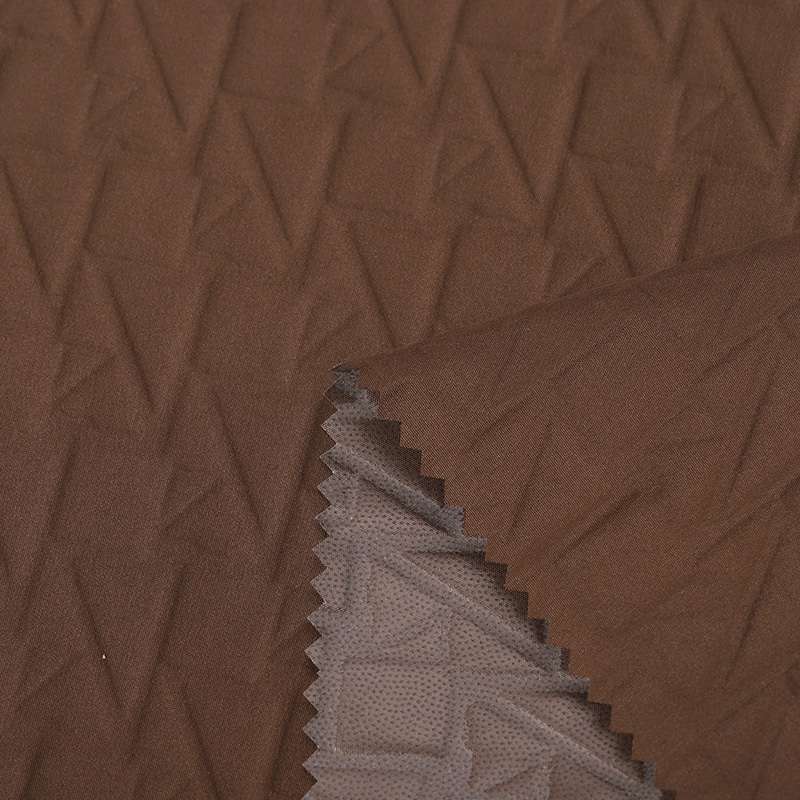
TPU coated fabric is often used as an umbrella term for waterproof functional textiles that use thermoplastic polyurethane (TPU) as the barrier layer. In practice, there are two mainstream constructions—TPU coating and TPU film lamination. They can look similar on a spec sheet, but they behave differently in production, performance, and service life.
Clarifying the construction upfront helps avoid the two most common issues: mismatched handfeel (too stiff or too “plastic”) and durability gaps (hydrolysis, abrasion, or seam leakage). It also prevents apples-to-oranges comparisons when evaluating “TPU vs PU” options, because PU is typically applied as a coating, while TPU is frequently used as a laminated film.
Two common structures you’ll see in orders
- TPU coating (knife-over-roll or similar): TPU is applied in a liquid/compound form onto the base fabric, then cured. This is typically chosen for cost efficiency or for specific surface effects.
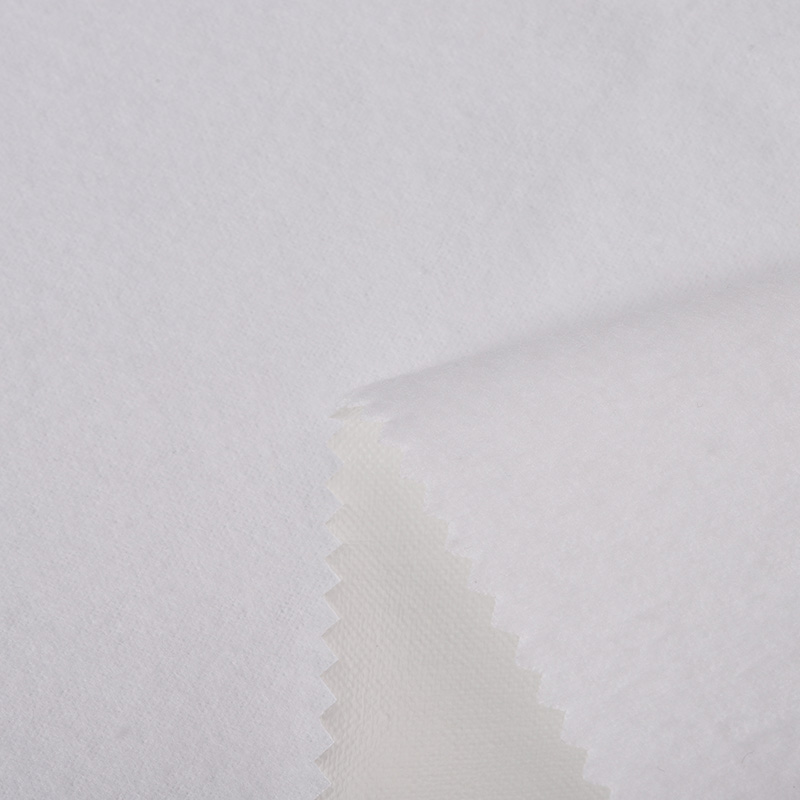
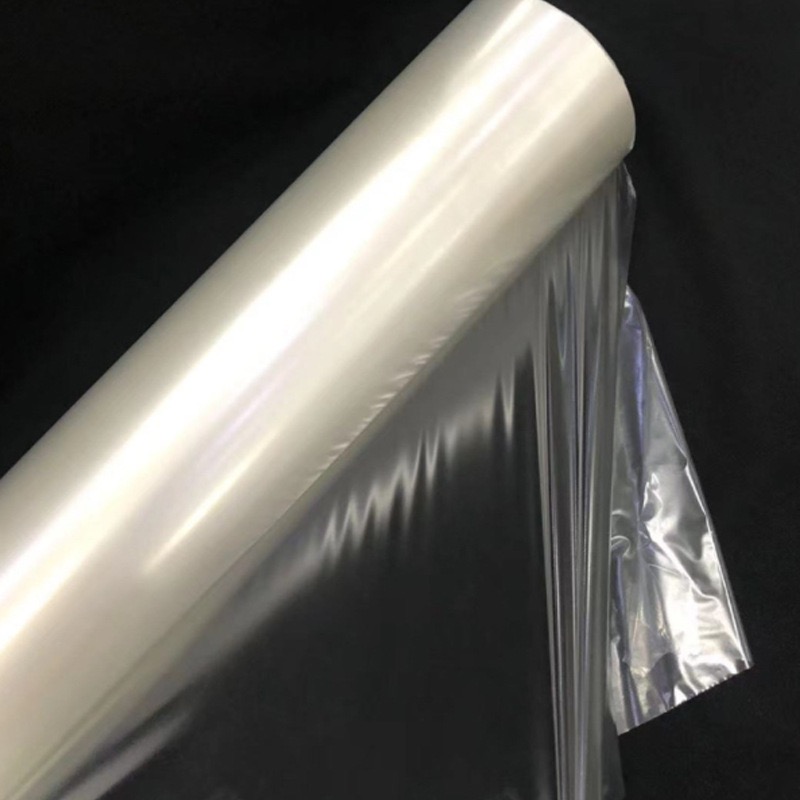
- TPU film lamination (2-layer or 3-layer): a TPU membrane/film is bonded to a face fabric (2L) or sandwiched with a lining/tricot (3L) for comfort and durability. A common membrane thickness range is 8–30 microns, depending on breathability and target end use.
If you are building outdoor gear or technical apparel and need a controlled balance of waterproofness and moisture vapor permeability, laminated constructions are often the most spec-stable route. For reference, a typical laminated portfolio can cover waterproof ratings from 3,000 to 20,000 mmH2O and MVTR from 500 to 20,000 g/m²/24h depending on membrane selection and fabric pairing (see examples under Two Layers Outdoor Functional Waterproof Fabric).
TPU vs PU: the practical differences that change product performance
When customers ask “TPU vs PU,” they usually want to know which option will last longer, feel better, and meet real-world conditions (sweat, rain, abrasion, folding, and cleaning). Below is a practical comparison framed around how the material behaves once converted into finished goods.
| Decision factor | TPU coated fabric / TPU-laminated fabric | PU coated fabric |
|---|---|---|
| Handfeel & elasticity | Often softer with better elastic recovery when paired with stretch face fabrics; 3L builds can improve skin comfort. | Can be smooth and clean-looking; handfeel depends heavily on coating formulation and coating weight. |
| Waterproof stability | Strong and consistent barrier performance; common targets include 3,000–20,000 mmH2O in laminated lines. | Good waterproofness for light-to-moderate rain; long-term performance depends on coating chemistry and aging conditions. |
| Breathability options | Wide tunability via membrane selection; MVTR can scale from basic to high-performance (examples: 500–20,000 g/m²/24h in 2L lines). | Breathability is typically lower unless using special microporous systems; may be sufficient for umbrellas, tents, or casual rainwear. |
| Cold-weather flex & fold fatigue | TPU commonly maintains flexibility at lower temperatures, helping reduce cracking risk in frequent folding scenarios. | Some PU systems can stiffen or micro-crack under repeated folding in cold conditions if not specified properly. |
| Seam strategy | Compatible with seam tape systems; certain TPU structures also support heat sealing/welding for specialized builds. | Typically sewn + seam tape for waterproof garments; welding is less common in standard PU-coated textiles. |
| Best-fit applications | Technical outerwear, high-stretch sportswear, waterproof home textiles, children’s products, performance bags. | Umbrellas/tents (especially blackout needs), casual rainwear, fashion surfaces, cost-sensitive bag linings. |
A practical takeaway: if your buyer promise depends on long wear, frequent folding, and a “soft technical” handfeel, TPU-based constructions are often preferred. If your priority is a clean surface effect (including blackout) at a controlled cost, PU coating can be the right answer—especially for umbrellas and tents (see TPU Laminated & PU Coating Raincoat, Umbrella And Tent Fabric where both options are used by end item type).
Specs that actually de-risk a TPU coated fabric purchase order
For procurement and product development teams, the fastest way to reduce disputes is to lock performance targets to a test method and a tolerance, then confirm the construction (coating vs lamination). The parameters below are the ones that most directly correlate to customer experience.
Waterproof rating (mmH2O) and how to set it
Waterproofness is typically expressed as hydrostatic head (mmH2O). As a practical range, functional laminated fabrics frequently run from 3,000 to 20,000 mmH2O, covering everything from light rain protection to sustained wet weather exposure. If the item is seam-stitched (jackets, covers), remember the fabric rating is only part of the system—seam tape and construction quality determine whether the garment leaks.
Breathability (MVTR) and why “enough” depends on activity level
MVTR (g/m²/24h) describes how much moisture vapor can pass through. For casual rainwear or tents, lower MVTR can still work. For active outerwear, MVTR should be set based on heat load and expected wear time. Many 2-layer laminated builds cover MVTR from 500 to 20,000 g/m²/24h (see example ranges under Two Layers Outdoor Functional Waterproof Fabric).
Membrane thickness, fabric weight, and usable width
- Membrane thickness: common selection windows are 8–30 microns depending on breathability and durability requirements.
- Finished fabric GSM: a typical laminated range is 50–260 g/m² for lightweight to midweight builds; raincoat/umbrella/tent sets can extend higher depending on structure and backing.
- Cuttable width: confirm your marker efficiency and panel sizes early—common widths include 145 cm, 150 cm, 160 cm, and wider options for certain membranes up to 250–300 cm in specific programs.
If your product needs premium comfort or extreme breathability (urban sportswear, high-intensity use, multi-purpose waterproof fabrics), evaluate membrane families beyond basic TPU and PU. A broader membrane offering can reach MVTR targets up to 180,000 g/m²/24h with waterproof options up to 20,000 mmH2O depending on construction and standard (see TPU/PU/PTFE/TPEE Membrane for representative capability ranges).
Application-based guidance: choosing TPU coated fabric or PU coating with fewer compromises
Most “TPU vs PU” decisions become straightforward once you align three items: end-use exposure (rain duration, abrasion, chemicals), user comfort expectations, and conversion method (sewing, seam taping, welding, hot pressing). The table below is a practical starting point for spec direction.
| End product | What to prioritize | Typical material direction |
|---|---|---|
| Raincoats & anoraks | Comfort, fold durability, seam tape compatibility, stable waterproofness | TPU film lamination (2L/3L) or TPU coating when low-cost is key |
| Umbrellas & tents | Waterproof + blackout options, printability, controlled stiffness | PU coating or TPU film (both commonly used by item type) |
| Backpacks & luggage | Abrasion resistance, hydrolysis risk control, easy cleaning | TPU-based structures for higher durability; PU for urban/light-duty and surface effects |
| Baby & children’s waterproof items | Soft touch, safety, print options, wash durability | TPU laminated options with breathable selections and skin comfort focus |
| Home textile waterproof layers | Quiet handfeel, consistent barrier, cleaning resistance | TPU laminations (often 2L builds) tuned for comfort and durability |
For printed waterproof children’s products—where both comfort and visual design matter—TPU laminated constructions can be configured for a wide range of waterproof and MVTR targets (e.g., waterproof options up to 20,000 mmH2O with multiple MVTR tiers), while supporting custom printing and a soft, skin-friendly handfeel (see Children’s Waterproof TPU Fabric for representative specification windows and application examples).
Durability realities: what makes TPU or PU fail in the field
A fabric that passes lab tests can still fail after months of use if the aging mechanism wasn’t considered. The most common failures are not “material defects” so much as “spec gaps.” Below are the durability topics that should be explicitly addressed when selecting TPU coated fabric or PU coating.
Hydrolysis and storage conditions
High humidity and heat accelerate hydrolysis-related degradation in some polyurethane systems. If your products are stored in warehouses, containers, or retail stockrooms for extended periods, it’s prudent to define aging expectations and select an appropriate chemistry and finishing system. For export programs, many buyers also add packaging and storage guidelines to reduce risk.
Abrasion, flex cracking, and fold lines
Backpacks, luggage, and rainwear experience repetitive bending at seams and fold lines. If the fabric will be repeatedly creased (packable jackets, roll-top bags), request flex and abrasion testing aligned to your use scenario. TPU-based structures are frequently selected where low-temperature flexibility and repeated-fold durability are critical.
Seam leakage: fabric rating is not the whole waterproof system
- If the product is stitched: specify seam tape type, adhesion strength after wash/aging, and the heat setting window.
- If the product is welded/hot-pressed: confirm compatibility of the barrier layer and the conversion temperature range.
- If the product is printed or coated: confirm colorfastness and surface blocking resistance during stacking or hot weather transport.
For umbrella and tent fabrics, buyers often optimize for waterproofness and blackout rather than breathability. In these categories, PU coating is a common selection for the functional-to-cost balance, while TPU film is often used where a lighter build or specific tactile performance is desired (see TPU Laminated & PU Coating Raincoat, Umbrella And Tent Fabric for typical option framing by end item).
What to ask your supplier: a short checklist that prevents rework
To keep development cycles short, it helps to treat the fabric as a system: face fabric + barrier layer + bonding method + finishing + conversion method. The checklist below reflects what experienced buyers request before locking bulk orders.
Specification checklist for TPU coated fabric and PU coating
- Construction definition: TPU coating vs TPU film lamination (2L/3L), or PU coating—clearly stated on the PO.
- Target waterproofness (mmH2O) and MVTR (g/m²/24h) with test method and tolerance.
- Membrane thickness / coating weight guidance (especially when comparing “TPU vs PU” costs).
- Finished GSM and cuttable width aligned to your cutting plan and yield targets.
- Color/print requirements plus colorfastness and surface blocking expectations (stacking during transport).
- If garments: seam tape recommendations and processing window; if bags: abrasion and flex testing requirements.
If you also need fashion surface effects (for example, a leather-impression look with functional coating), it is worth separating the “appearance layer” from the “performance requirement” in your request for quote. This avoids overspending on performance where it is not needed and helps your supplier match the correct coating system (an example category is PU Leather Impression Fabric when the surface aesthetic is part of the product value).
Supplier capability that impacts consistency (especially for scaled orders)
For brands and OEMs, repeatability is typically more important than a single “best” lab result. In waterproof functional textiles, consistency is largely a function of bonding stability, process control, and capacity planning—particularly for laminated TPU fabrics where adhesion and layer uniformity define long-term performance.
A supplier with dedicated lamination capacity and mature quality control will be better positioned to keep bulk lots aligned to lab dips and approved handfeel. As an example of industrial-scale lamination capability, a setup that includes 20 PUR bonding machines and a daily capacity around 200,000 meters/day supports both sampling agility and stable bulk execution across multiple constructions (2L/3L laminations, specialty membranes, and application-specific builds).
How to pilot a TPU vs PU decision with minimal cost
- Start with two lab dips that share the same face fabric: one TPU-based (laminated or coated) and one PU-coated, both set to the same waterproof target.
- Run a short conversion trial (sewing, taping, printing, or welding) to confirm process windows and defect rates.
- Age the swatches (heat + humidity) and re-test handfeel, blocking, and adhesion before finalizing the bulk direction.
In most projects, the best outcome is not “TPU always wins” or “PU is always cheaper,” but a construction match that fits your true use conditions. When the performance promise is higher—breathability tiers, high waterproof ratings, or demanding wear cycles—TPU-based systems tend to offer a more resilient platform. When surface effect, blackout, or cost control dominates, PU coating can be a sensible and proven choice.