
 English
 CN
CNContent
- 1 What “Waterproof Fabric for Clothing” Actually Means
- 2 Common Waterproof Fabric Types Used in Clothing
- 3 How to Read Waterproof Ratings and Choose the Right Level
- 4 Breathability vs Waterproofing: Avoiding the “Sweaty Rain Jacket” Problem
- 5 Construction Details That Make Waterproof Fabric Perform Like Waterproof Clothing
- 6 Care and Maintenance to Keep Waterproof Fabric Working
- 7 Selecting Waterproof Fabric for Specific Clothing Items
- 8 Quick Checklist Before You Buy Waterproof Clothing
What “Waterproof Fabric for Clothing” Actually Means
In apparel, “waterproof” is not just about a fabric getting wet—it’s about whether rain is prevented from passing through the garment under pressure and movement. A jacket can use a waterproof fabric but still leak if seams, zippers, or hem openings are not protected. For practical buying and maintenance, focus on the full waterproof system: face fabric + membrane/coating + durable water repellent (DWR) finish + construction details.
The most actionable measurement is the hydrostatic head (HH) rating, which indicates how much water pressure a fabric can resist before leaking. As a rule of thumb, 10,000 mm HH is a solid baseline for rain jackets, while higher ratings are helpful for sustained rain, kneeling, or pack straps that increase pressure.
- Waterproof fabric: resists water penetration under tested pressure (HH rating).
- Water-resistant fabric: sheds light moisture but can wet through in prolonged rain.
- Breathable waterproof: aims to block liquid water while allowing water vapor to escape.
Common Waterproof Fabric Types Used in Clothing
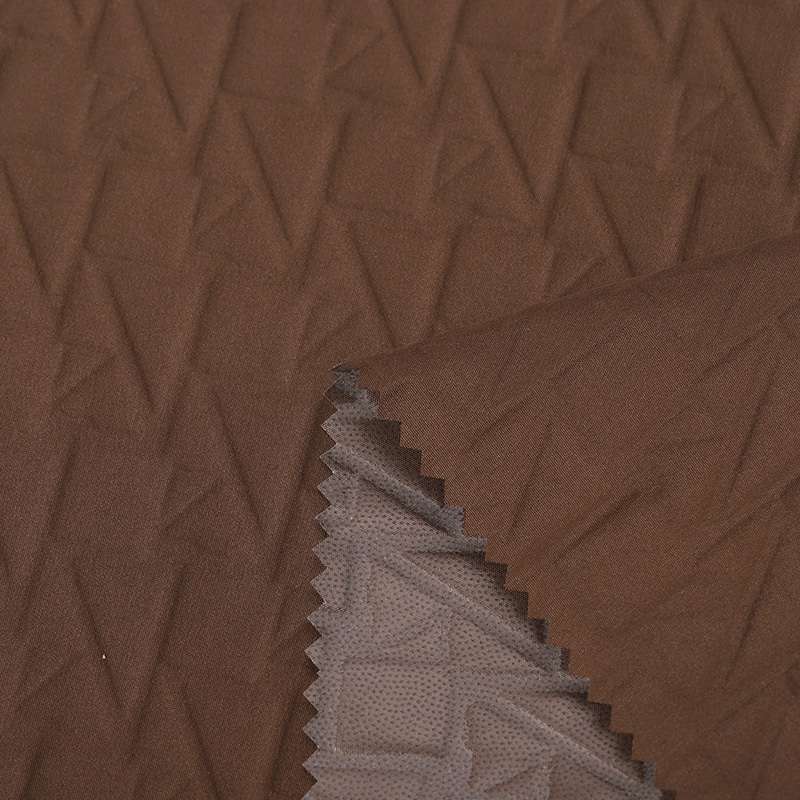
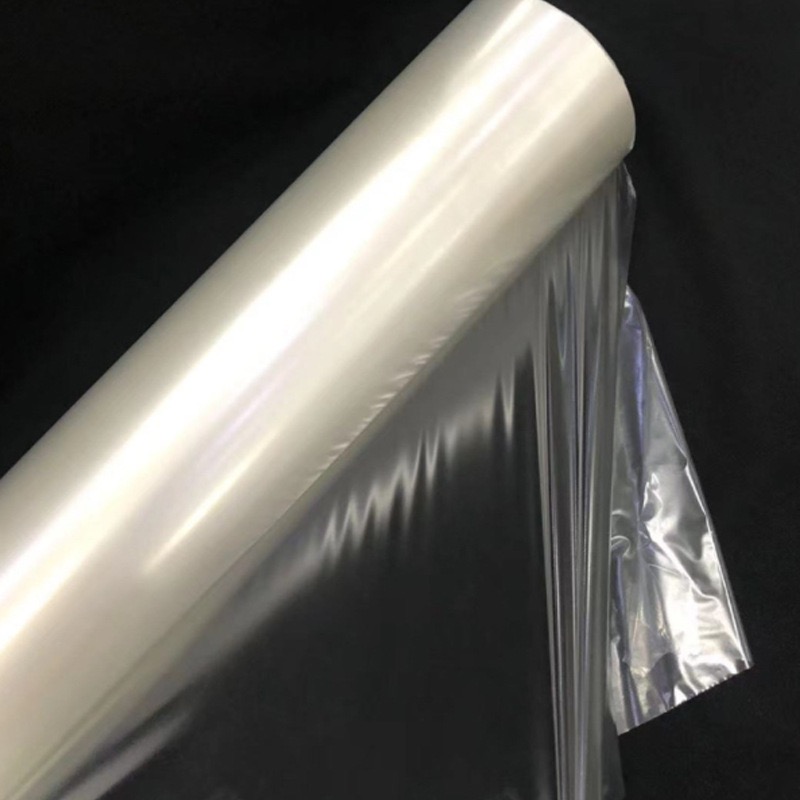
Waterproof fabric for clothing typically achieves performance through either a membrane (a thin film laminated to fabric) or a coating (a layer applied to the inside). The choice affects durability, feel, breathability, and cost.
Laminated Membranes (2L, 2.5L, 3L)
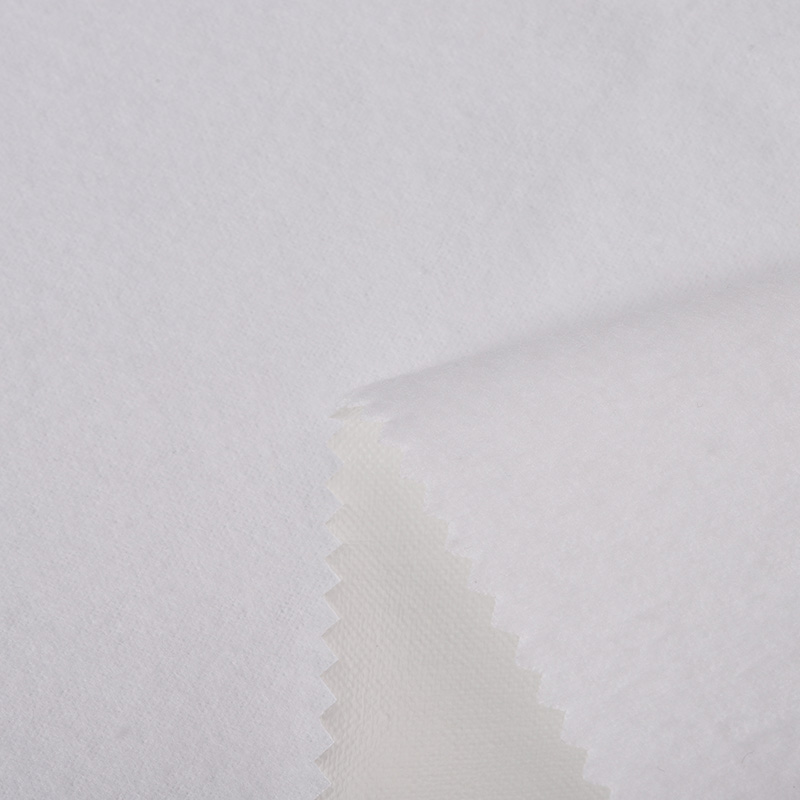
Laminates bond a waterproof-breathable membrane (often polyurethane-based or ePTFE-based) to a face fabric. The laminate is then protected by a lining (2-layer), a printed protective layer (2.5-layer), or a full backer fabric (3-layer). In general, 3-layer constructions are the most durable for frequent wear because the membrane is better protected from abrasion and body oils.
- 2-layer: comfortable, often quieter; relies on separate lining; good for casual rainwear.
- 2.5-layer: lighter and packable; can feel clammy against skin; best for emergency shells.
- 3-layer: highest durability and long-term performance; ideal for hiking, commuting, and workwear.
PU or Acrylic Coatings
Coated waterproof fabrics apply a waterproof layer to the inside of the textile. They can be very waterproof and cost-effective, but typically breathe less than premium membranes. They are common in rain pants, budget rain jackets, and many lifestyle rain shells. Coatings can degrade over time from heat, humidity, and oils; proper storage and gentle care extend lifespan.
Waxed Cotton and Dense Wovens
Traditional options like waxed cotton can be highly rain-shedding and durable, but performance depends on regular re-waxing and the garment’s construction. Dense weaves (e.g., tightly woven poly/cotton) can resist light rain, but for sustained downpours they are usually not truly waterproof without a membrane or coating.
How to Read Waterproof Ratings and Choose the Right Level
Most high-performing waterproof clothing references hydrostatic head (HH) in millimeters. Higher numbers generally mean stronger resistance to water pressure. Pressure increases when you lean on wet surfaces, sit on damp benches, shoulder a backpack, or face wind-driven rain.
| HH Rating (mm) | What It Handles | Best For |
|---|---|---|
| 1,500–5,000 | Light rain; may wet through under pressure | Short walks; occasional use |
| 5,000–10,000 | Moderate rain; better in wind-driven showers | Daily commuting; variable weather |
| 10,000–20,000 | Sustained rain; resists strap/pressure points better | Hiking; travel; everyday shell |
| 20,000+ | High pressure scenarios; prolonged storms | Alpine use; heavy rain; frequent pack use |
If a brand does not publish HH, you can still assess quality by checking for taped seams, storm flaps, waterproof zippers (or protected coil zippers), and a clearly stated membrane/coating type. For most people, construction details matter as much as the fabric rating.
Breathability vs Waterproofing: Avoiding the “Sweaty Rain Jacket” Problem
Breathable waterproof fabric helps move moisture vapor out, but breathability is highly sensitive to conditions. High humidity, low temperature gradients, and a “wetted-out” face fabric can all reduce vapor transfer—making you feel clammy even when the jacket is not leaking.
Why DWR and Face Fabric Matter
Many complaints about “non-breathable” waterproof clothing actually come from the outer fabric saturating. When the face fabric wets out, airflow and vapor transfer drop. Maintaining DWR is therefore not cosmetic; it is performance-critical. If the outer fabric stays beaded, the membrane can breathe more effectively.
Ventilation is a Real Performance Feature
No membrane replaces mechanical venting during high output. Pit zips, two-way front zippers, mesh-backed pockets, and adjustable cuffs/hem can reduce internal condensation far better than marginal differences in lab breathability numbers.
- High-output activities: prioritize pit zips and 3-layer durability over ultralight 2.5-layer comfort.
- City commuting: prioritize quiet fabric, good hood adjustment, and sealed seams for all-day rain.
- Pack use: look for reinforcements and higher HH to resist strap pressure points.
Construction Details That Make Waterproof Fabric Perform Like Waterproof Clothing
Even the best waterproof fabric for clothing will fail if water enters through stitching, zipper teeth, or openings. When evaluating garments, these build choices are the difference between “technically waterproof fabric” and truly weatherproof clothing.
Seam Sealing
Needle holes compromise waterproofness; seam tape or seam sealing is essential. Fully taped seams typically outperform “critical seam” taping in prolonged rain (shoulders, hood, and upper torso are high-exposure zones). If seams are not sealed, the garment is rarely reliable in heavy rain.
Zippers, Storm Flaps, and Pocket Design
Water can enter through the front zipper and pockets, especially if pockets sit low and catch runoff. Look for protected zipper garages, storm flaps, or waterproof zippers, plus pocket flaps or water-resistant pocket zips. For real-world use, a well-designed hood and zipper area prevents more leaks than extra HH points.
Hood and Hem Control
A hood needs a stable brim and multi-point adjustment to move with your head rather than obstruct vision. At the hem and cuffs, snug adjustment blocks wind-driven rain from pumping water inward during movement.
Care and Maintenance to Keep Waterproof Fabric Working
Waterproof fabric performance can degrade due to contamination (dirt, sunscreen, body oils), abrasion, and heat damage. Most failures that look like “leaking” are actually wetting out or seam-tape issues. Proper care restores beading and helps the membrane breathe.
Washing: Clean Membranes Breathe Better
Wash according to the garment label using a technical cleaner or mild detergent with no fabric softener. Residues can reduce DWR performance and impair vapor transfer. Rinse thoroughly to remove detergent left in the fabric.
Reactivating or Reapplying DWR
Many DWR finishes respond to gentle heat (again, follow the care label). If water no longer beads on the surface after cleaning and proper drying, apply a wash-in or spray-on DWR treatment. Restoring DWR is often the fastest way to “fix” a jacket that feels soaked.
Storage and Longevity
Store clean and dry, loosely hung or folded. Long-term compression and damp storage accelerate coating breakdown and can weaken seam tape adhesives.
- Avoid fabric softeners and dryer sheets; they reduce surface repellency.
- Rinse twice if you notice lingering detergent scent or slick feel.
- Spot-check seam tape at shoulders and hood; early peeling can often be repaired.
Selecting Waterproof Fabric for Specific Clothing Items
The right waterproof fabric depends on where pressure and abrasion occur. A rain jacket, rain pants, and insulated outerwear each face different failure points, so fabric choice should match the wear pattern.
Rain Jackets
Prioritize seam taping, hood design, and a proven laminate. For regular use, a 3-layer waterproof fabric is usually the most cost-effective over time because it resists interior wear and maintains performance longer.
Rain Pants
Knees and seat take high pressure. Look for reinforced panels or higher HH materials. Side zips improve on/off convenience and ventilation—highly practical for commuters and hikers.
Workwear and Frequent Abrasion
For repeated friction (tools, straps, rough surfaces), prioritize tougher face fabrics and reinforced overlays. A slightly heavier waterproof fabric often outperforms an ultralight shell in real durability.
Quick Checklist Before You Buy Waterproof Clothing
Use this practical checklist to ensure the waterproof fabric for clothing is supported by garment design details that prevent leakage and maintain comfort.
- Confirm seams are fully taped (or at minimum taped in high-exposure zones).
- Look for an HH rating or clear waterproof membrane/coating description; target 10,000 mm HH or higher for reliable rain protection.
- Check zipper protection (storm flap or waterproof zipper) and pocket placement to avoid runoff entry.
- Prioritize ventilation features if you walk fast, bike, hike, or run hot.
- Plan for maintenance: washing and DWR renewal are normal for waterproof performance.
Done well, waterproof fabric for clothing provides consistent protection, but the best results come from pairing an appropriate waterproof rating with thoughtful construction and ongoing care. Waterproofness is a system, not a single material claim.