
 English
 CN
CNContent
What Is Scuba Fabric?
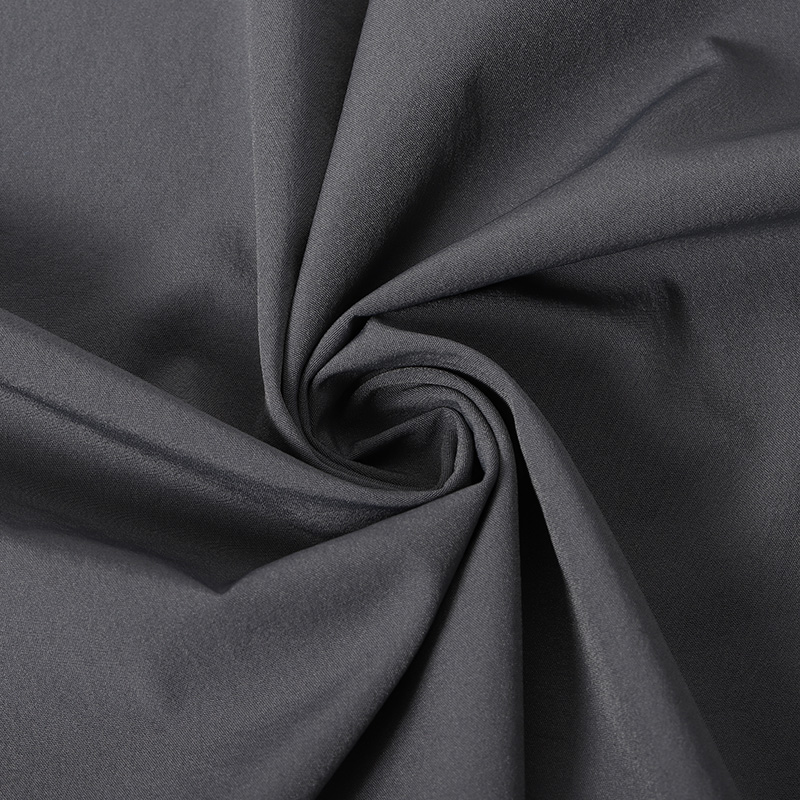
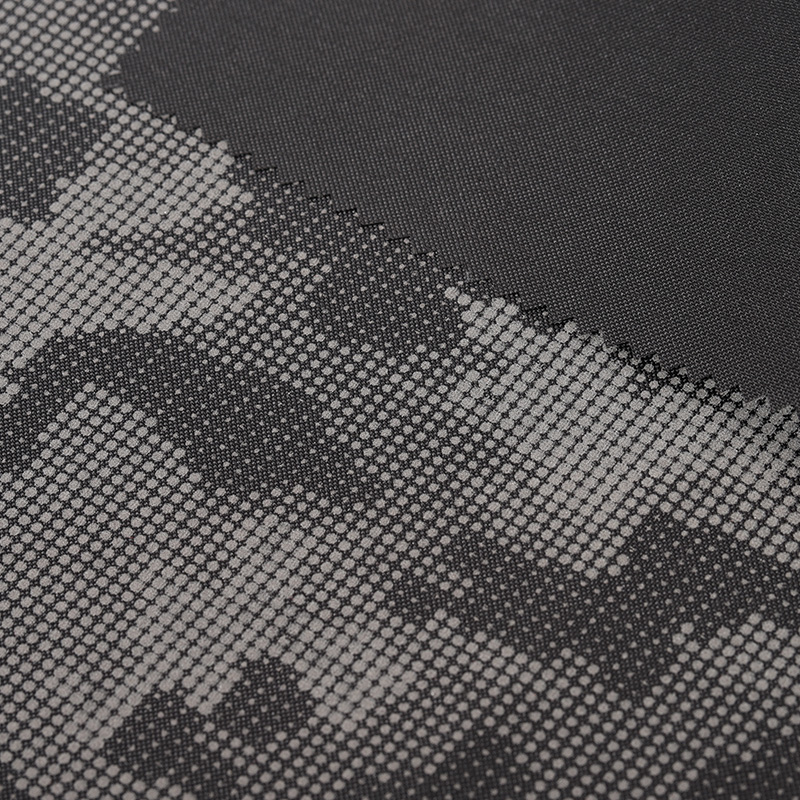
Scuba fabric is a thick, smooth, stretchy double-knit textile—most often made from polyester with spandex—that holds its shape and creates a structured silhouette. Despite the name, it is not the same material as wetsuit neoprene, although it shares a similarly “spongy” hand feel and body.
In apparel, scuba fabric is valued for its clean surface, slight cushion, and stability. It resists wrinkling better than many knits, drapes in bold lines, and is comfortable due to its stretch.
How Scuba Fabric Is Made and What It’s Usually Made Of
Scuba is typically a double-knit, meaning it’s knitted with two interlocked layers. This construction is what gives it thickness and a more structured, “padded” feel compared with single-jersey knits (like many T-shirts).
Common fiber blends
- Polyester + spandex (most common): durable, shape-retentive, easy care
- Nylon + spandex: softer hand feel, strong, often slightly more premium
- Polyester/nylon blends: balance of strength and smoothness
While exact percentages vary by manufacturer, a practical rule is that more spandex generally means more stretch and recovery, while higher polyester/nylon content tends to improve durability and structure.
Scuba Fabric vs Neoprene vs Ponte
Scuba is often confused with neoprene because both can feel thick and slightly springy. Ponte is another look-alike because it’s also a stable double-knit. The differences matter when you’re buying fabric or evaluating a garment.
| Material | Construction | Feel & Structure | Best For | Key Watch-outs |
|---|---|---|---|---|
| Scuba fabric | Double-knit | Smooth, slightly spongy, stable stretch | Structured dresses, skirts, hoodies, athleisure | Heat sensitivity, can trap warmth |
| Neoprene | Foam rubber laminated with knit | Thicker, more “rubbery,” very insulating | Wetsuits, heavy structure fashion pieces | Less breathable, bulkier, harder to sew |
| Ponte (ponte de roma) | Double-knit | Firm but less spongy, smoother drape | Workwear pants, blazers, pencil skirts | Less “sculptural” volume than scuba |
Key Properties of Scuba Fabric
If you’re deciding whether scuba fabric is right for a project or a purchase, focus on performance traits rather than just how it looks on a hanger.
What you’ll notice in real use
- Structure: holds shape well, supports clean silhouettes and “architectural” seams
- Stretch & recovery: comfortable stretch with good snap-back (varies by spandex content)
- Smooth surface: prints cleanly, looks polished, tends to resist pilling compared to fuzzier knits
- Wrinkle resistance: generally resists creasing better than many woven fabrics
- Warmth: thickness can trap heat; comfortable in cool weather but may feel warm indoors
A quick practical check: if a scuba garment looks crisp after being folded in a bag and springs back when you pinch and release the fabric, it’s doing its job.
Common Uses for Scuba Fabric
Scuba fabric shines when you want shape, comfort, and a clean finish in the same piece.
Clothing categories where scuba performs well
- Fit-and-flare dresses and skirts that need body without heavy lining
- Structured hoodies, bomber jackets, and sporty outer layers
- Athleisure sets where smoothness and stretch matter
- Statement sleeves, peplums, and sculpted hems that benefit from volume
Where it’s not ideal
- Very hot climates or all-day summer wear (can feel warm)
- Ultra-flowy silhouettes that need liquid drape
- Garments requiring high breathability next to skin
How to Identify Scuba Fabric When Shopping
You can usually spot scuba fabric with a few quick checks, even online.
Fast in-store tests
- Pinch test: it feels slightly cushioned, not thin or limp.
- Stretch test: it stretches smoothly and snaps back without rippling.
- Edge look: cut edges don’t fray like a woven; they look clean like a knit.
Clues in online product descriptions
- Keywords: “scuba knit,” “double knit,” “structured jersey,” “neoprene-like knit”
- Fiber content: polyester/spandex or nylon/spandex blends
- Photos: crisp folds, garments that hold shape away from the body
Care and Maintenance
Scuba fabric is generally low-maintenance, but it can be sensitive to heat. The safest approach keeps the knit structure stable and protects stretch fibers.
Practical care rules
- Wash cool to warm on gentle; turn garments inside out to protect the surface.
- Avoid high heat in dryers and ironing—heat can distort the knit and weaken spandex.
- Air-dry flat or hang to maintain shape; reshape seams while damp if needed.
- Steam lightly rather than pressing hard; if ironing is necessary, use low heat and a press cloth.
If the garment label allows tumble drying, keep it on low. If it doesn’t, treat that as a firm warning: structure and elasticity are the first things to suffer from heat.
Pros, Cons, and Best-Fit Scenarios
Scuba fabric is a smart choice when you want a polished look with knit comfort, but it isn’t universal.
Advantages
- Structured silhouettes without heavy tailoring
- Comfortable stretch for movement
- Smooth, modern finish that photographs well
- Generally wrinkle-resistant for travel and daily wear
Limitations
- Can run warm due to thickness
- Heat can damage stretch fibers and distort shape
- Less breathable than lightweight knits
If your goal is a crisp, sculpted look—like a flared skirt that stands away from the body—scuba is often a better pick than a thin jersey. If you need airy comfort for high heat, a lighter knit will feel better.
Conclusion
Scuba fabric is a structured, stretchy double-knit (usually polyester/spandex) known for its smooth finish and shape-holding body. Choose it for garments that need clean lines and comfort, handle it gently with low heat, and avoid it when you need maximum breathability or a very flowy drape.