
 English
 CN
CNContent
- 1 What taffeta lining fabric does inside a garment
- 2 How to choose the right taffeta lining fabric
- 3 Best uses for taffeta lining fabric by garment type
- 4 Sewing tips that prevent puckers, fraying, and shine
- 5 Lining vs underlining with taffeta: getting the effect you want
- 6 Care and durability: keeping taffeta lining fabric looking clean
- 7 Buying and quality checks that save time and money
- 8 Conclusion: the fastest way to pick the right taffeta lining fabric
Taffeta lining fabric is a crisp, tightly woven lining that adds smooth “slip” and light structure inside garments; for most everyday pieces, polyester or nylon taffeta in the 60–100 gsm range is the most practical choice because it resists abrasion, sews predictably, and stays stable in wear.
What taffeta lining fabric does inside a garment
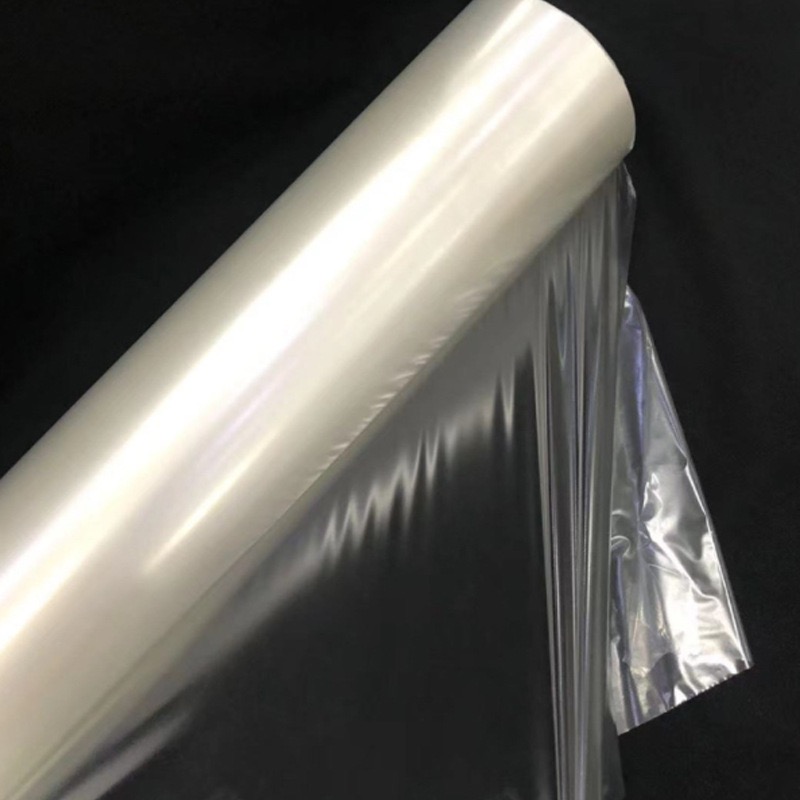
Taffeta lining fabric is known for its crisp hand and low friction surface. In a finished garment, that combination helps clothing slide on easily, reduces snagging against seams, and can subtly “hold” the silhouette—especially in skirts, jackets, and structured dresses.
Where it shines
- Creates a clean interior with a smooth feel against skin or base layers.
- Adds light body so hems, pleats, and panels look sharper.
- Improves sleeve movement and reduces “grab” over sweaters and shirts.
- Protects fashion fabric from sweat, deodorant, and body oils (lining takes the wear first).
Tradeoffs to plan for
- It can “rustle” more than softer linings; choose softer-finish taffeta if noise matters.
- Some variants build static; anti-static finishes or a slip/underskirt can help.
- Breathability is usually lower than loose weaves; consider venting or partial lining for hot climates.
How to choose the right taffeta lining fabric
The best taffeta lining fabric is selected by fiber, weight, and finish—not by the word “taffeta” alone. Two bolts can look similar on a website but behave very differently at the needle and in wear.
Quick comparison of common taffeta lining options
| Type | Typical feel | Typical weight range | Best use cases | Watch-outs |
|---|---|---|---|---|
| Polyester taffeta | Crisp, durable, consistent | ~60–110 gsm | Jackets, skirts, everyday dresses, costumes | Static risk; press with moderate heat |
| Nylon taffeta | Smooth, strong, often lighter | ~45–90 gsm | Sleeves, windbreakers, lightweight linings | Can melt under high heat; pinholes show |
| Acetate taffeta | Luxurious slip, refined drape | ~55–95 gsm | Suits, formalwear, higher-end interiors | Weaker when wet; sensitive to water/heat |
| Silk taffeta (as lining) | Crisp but breathable, premium | ~50–90 gsm | Bridal, couture, heirloom pieces | Cost, water spotting, requires careful care |
A practical selection checklist
- Pick the weight to match the outer fabric: lighter for drapey shells, heavier for structured shells.
- If the garment needs movement (sleeves, narrow skirts), prioritize smooth slip over stiffness.
- If static is a concern, look for “anti-static” or “silicone finish,” or test with a quick rub against tights.
- Test noise: scrunch a 20 cm sample in your hand; crisp taffeta will be louder than soft-finish taffeta.
- Confirm care compatibility with the shell: if the shell is washable, a dry-clean-only lining complicates maintenance.
Best uses for taffeta lining fabric by garment type
The “right” taffeta lining fabric is the one that supports the way the garment should move. Use crispness deliberately: it can enhance shape, but it can also fight stretch or softness when used in the wrong place.
Structured skirts and dresses
Taffeta lining is ideal for A-line skirts, pleated styles, and dresses that benefit from a cleaner outline. A midweight lining can help hems hang evenly and keep the fashion fabric from clinging to hosiery.
Jackets, coats, and sleeves
In sleeves, taffeta’s smoothness reduces friction so your arm slides in even over knitwear. For heavy outerwear, choose a tougher lining (often polyester) to resist abrasion at cuffs and underarms.
When to avoid it
- Stretch garments (knits, bias-cut pieces): a non-stretch lining can restrict movement unless used selectively.
- Ultra-drapey silhouettes: crisp lining may change the intended flow; consider softer linings or partial lining.
- Hot-weather wear: if ventilation is key, a looser weave or unlined construction may be more comfortable.
Sewing tips that prevent puckers, fraying, and shine
Because taffeta lining fabric is tightly woven and can be slippery, clean technique matters more than force. The goal is a flat seam that stays flat after pressing and wear.
Recommended setup
- Needle: sharp/microtex in a fine size for lightweight taffeta; go up one size if thread loops or skipped stitches appear.
- Thread: fine polyester thread for durability and smooth seams.
- Stitch length: slightly longer than you’d use for cotton to reduce puckering on dense weaves.
- Pressing: press cloth + low-to-moderate heat; avoid “dragging” the iron to prevent shine and distortion.
A reliable construction sequence
- Cut with a rotary cutter if possible to reduce edge distortion; keep the fabric flat, not hanging off the table.
- Stabilize slippery edges with light hand-basting or washable fabric tape before machine stitching.
- Sew seams with even feed; if puckering occurs, reduce top tension slightly and retest on scraps.
- Finish raw edges early: taffeta can fray quickly, so serge/overcast, bind, or use French seams where appropriate.
- Press by lifting and setting the iron; let seams cool before moving to “lock” the shape.
If you want a cleaner interior without bulk, seam binding or a narrow overcast is often better than wide turned-under seams on taffeta lining fabric.
Lining vs underlining with taffeta: getting the effect you want
Taffeta is commonly used as a lining, but it can also be used as an underlining layer in specific cases. The difference is functional: lining floats (more movement), while underlining behaves like part of the outer fabric (more control).
Use it as a lining when you want glide
- Sleeves that must slide over shirts and sweaters.
- Skirts that cling to tights or need a smoother feel.
- Outer fabrics that fray or feel scratchy against skin.
Use it as underlining when you want shape control
- Sheer shells that need opacity and stability without changing the outer surface.
- Bodices where you want crispness to support seams and prevent sagging.
- Pleated details that must stay sharp through wear.
A useful rule: if the garment needs to feel comfortable and move freely, choose floating lining; if it needs to hold a silhouette, underlining (or partial underlining) is often the better engineering choice.
Care and durability: keeping taffeta lining fabric looking clean
Most lining failures come from friction points (underarms, waistbands, cuffs) and from care mismatches between shell and lining. Choosing a lining that supports the garment’s care routine will extend wear life dramatically.
Pre-test before committing
- Wash/clean a small swatch using the intended method; check for rippling, stiffening, or color shift.
- Rub test: briskly rub the swatch against tights or a sweater; if it clings, plan anti-static measures.
- Heat test: press the swatch at increasing heat levels with a press cloth to find the safe setting.
Practical care guidance by fiber
Polyester and nylon taffeta linings are often the most forgiving for everyday use. Acetate and silk can feel exceptional, but they typically demand more cautious pressing and cleaning. If you want the lowest-maintenance result, choose a lining fiber that matches how you will actually clean the garment.
Buying and quality checks that save time and money
When shopping for taffeta lining fabric, small quality differences show up quickly in sewing: uneven yarns can pucker, weak coatings can peel, and harsh finishes can feel noisy or plasticky.
What to verify before you cut
- Width and yield: many linings are sold in wide widths; confirm width so your yardage estimate is accurate.
- Opacity: hold the fabric over a light and over the shell fabric to check show-through.
- Surface consistency: look for streaks, “watermark” lines, or rough spots that can catch on skin.
- Tear resistance at stress points: gently tug on bias and straight grain; lining should resist easy tearing.
- Color behavior: rub a damp white cloth on a swatch to check for dye transfer (especially for dark colors).
A simple yardage rule of thumb
For most designs, lining yardage is close to shell yardage. Add extra if the pattern includes facings that are replaced by lining, deep pleats, or full sleeves. When in doubt, buy one additional sample length to cover testing, shrink checks, and small cutting errors.
Conclusion: the fastest way to pick the right taffeta lining fabric
If you need a lining that’s easy to sew, durable, and stable, choose polyester or nylon taffeta lining fabric in a weight that matches your shell. If you’re building a premium interior and accept higher care demands, acetate or silk taffeta can deliver a more luxurious feel—just test pressing, static, and cleaning on a swatch before committing.