
 English
 CN
CNContent
You are reviewing a 3 layer softshell fabric spec sheet and the numbers look good on paper, but you still want to know how the fabric will behave after repeated washing, hard trail wear, and cold wind. The short answer is that a properly constructed 3 layer softshell offers reliable wind and water resistance, good breathability, and a comfortable inner surface, because each of the three layers has a distinct job. In this guide, we break down what those layers are, what performance claims actually mean, and what you should verify before ordering.
What Does '3 Layer' Mean in Softshell Fabric?
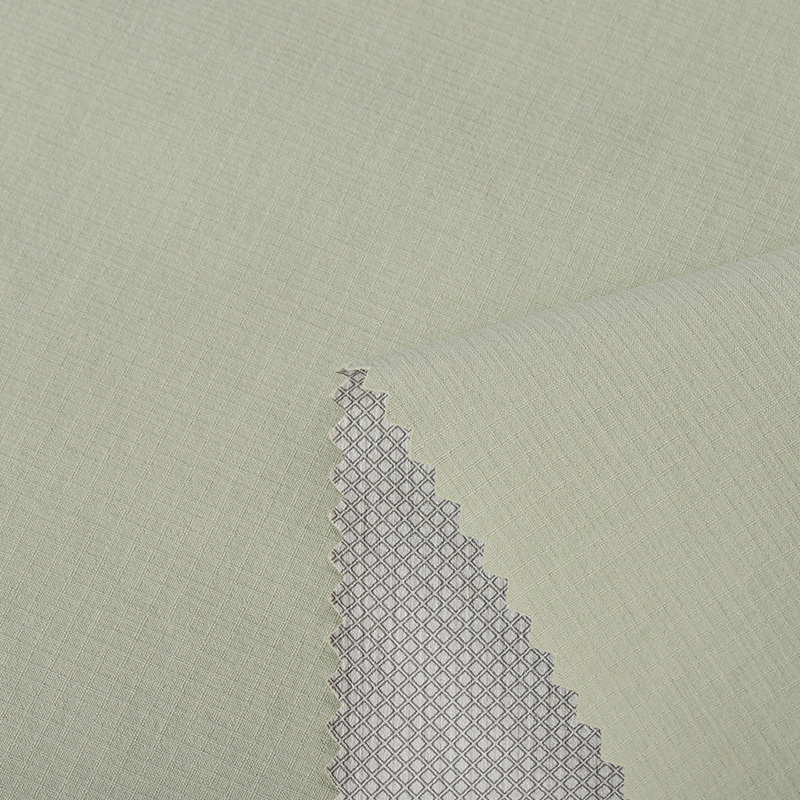
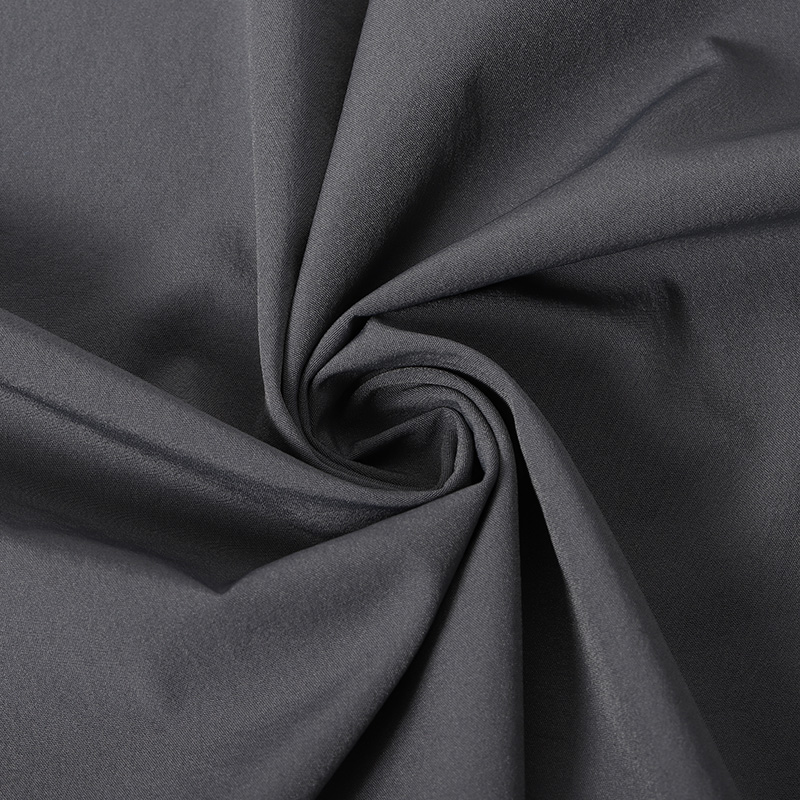
The outer layer is the first line of defense. In most 3 layer softshell constructions, this is a tightly woven nylon or polyester face fabric with a durable water repellent (DWR) finish. The face fabric delivers abrasion resistance, resistance to snagging, and a clean look that survives contact with rocks, tree branches, and backpack straps.
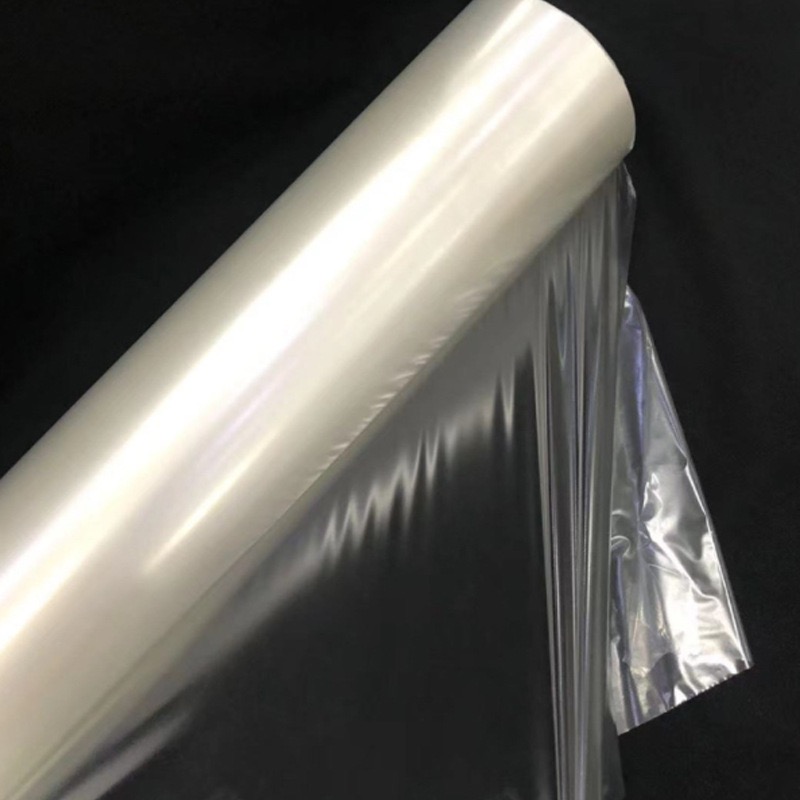
The middle layer is a thin waterproof and breathable barrier. It is usually a membrane such as TPU, PU, PTFE, or TPEE that blocks wind and liquid water while allowing moisture vapor to escape. Depending on your target price and performance, you can choose between TPU, PU, PTFE, or TPEE membranes for the middle layer; each has different flexibility, breathability, and flex crack resistance.
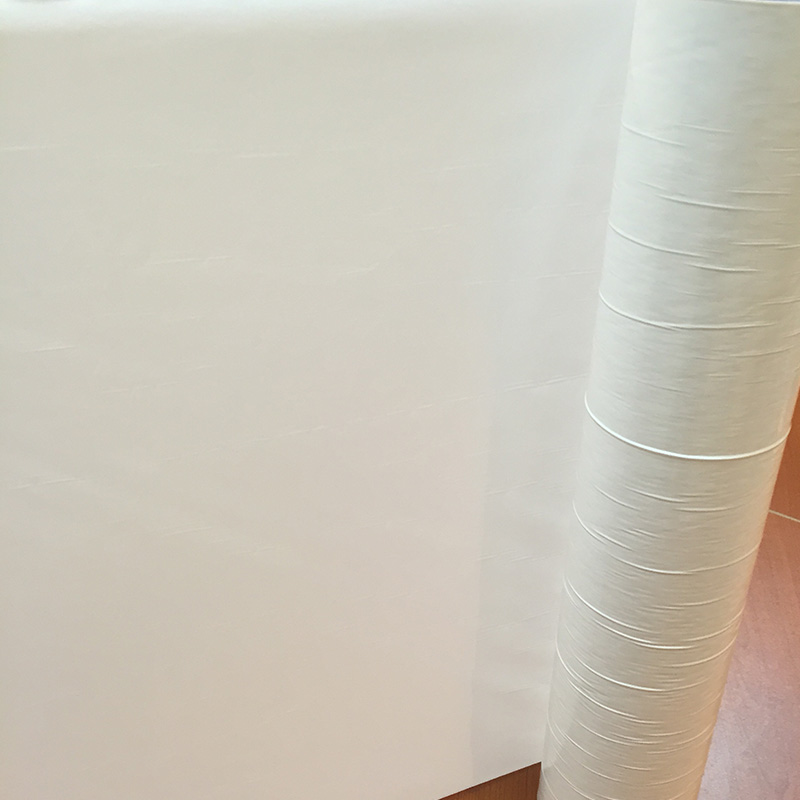 TPU/PU/PTFE/TPEE Blackout Membrane Manufacturers, OEM FactoryAs China OEM TPU Blackout Membrane Manufacturers, Factory, Wujiang Fuhuang supply Wholesale TPU Blackout Membrane,PU Membrane,PTFE Membra...View Product →
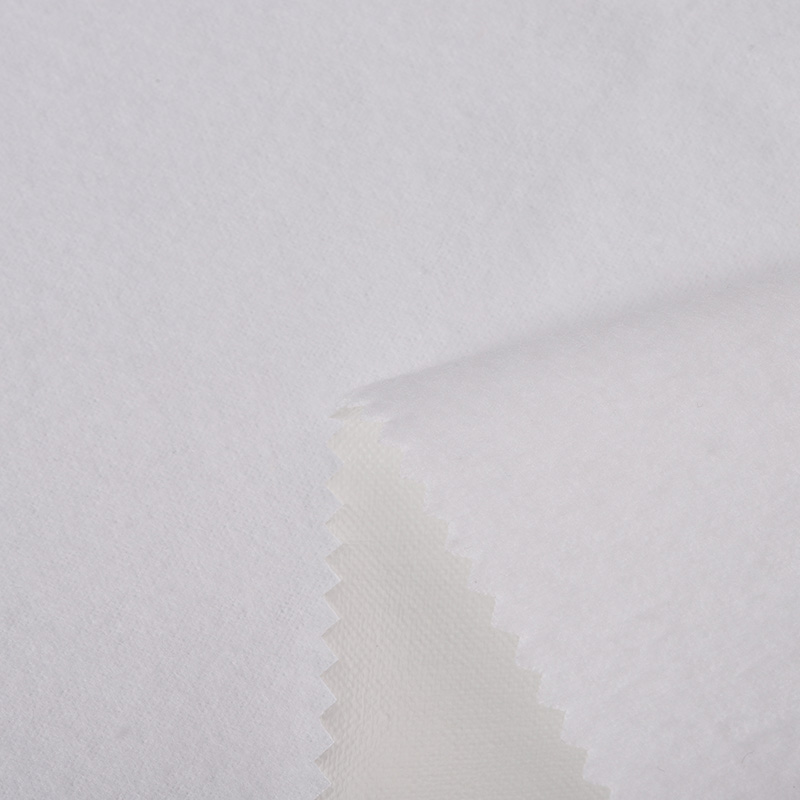
The inner layer is a soft knit, micro-fleece, or brushed backer that sits against the skin. It wicks moisture away from the body and gives the fabric its characteristic softshell hand feel. In a true 3-layer laminate, the backer is bonded to the membrane across the full surface, so there is no separate lining layer that can shift or bunch.
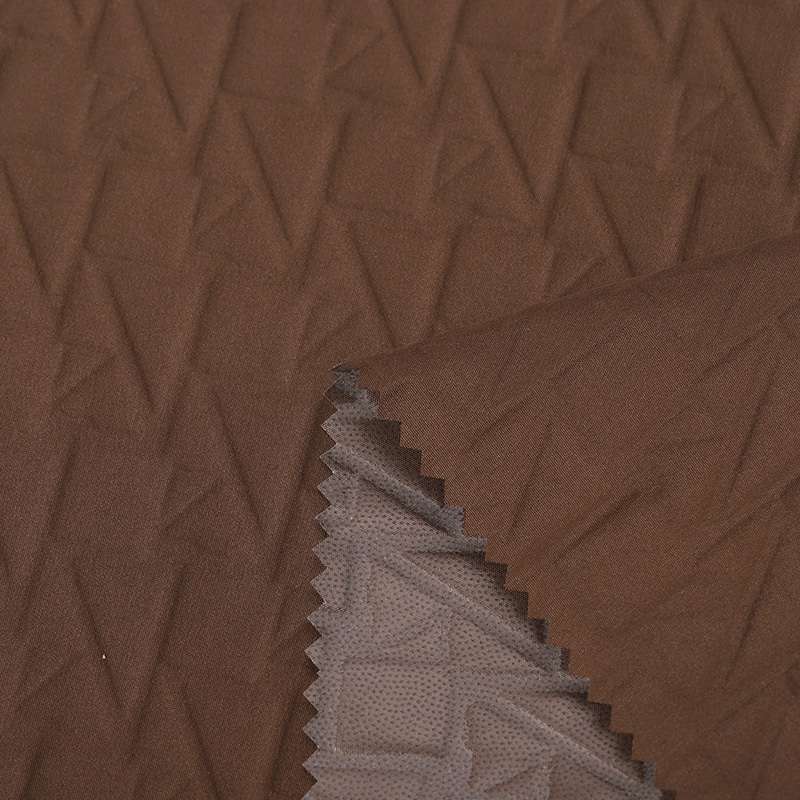
All three layers are fused together using lamination. In modern production, a solvent-free PUR adhesive is applied in a fine dot pattern to keep the laminate flexible while preventing delamination. If you are evaluating a TPU-based construction, this buying guide for 3-layer film softshell fabric explains how the membrane integrates with the face fabric and backer during manufacturing.
How 3 Layer Softshell Performs in Real Use
The whole point of a 3 layer softshell is to combine weather protection with active comfort. The face fabric sheds light rain and snow, the membrane stops wind and blocks water that penetrates the DWR, and the inner knit keeps the skin dry by moving sweat outward. The result is a fabric that works well for hiking, cycling, climbing, and everyday commuting in cool or cold weather.
Performance values vary by design, but typical 3 layer softshell fabrics fall into these ranges:
| Property | Typical Range | Practical Meaning |
|---|---|---|
| Hydrostatic head | 5,000-15,000 mm | Higher values handle moderate rain; heavy downpours still favor a hard shell. |
| Moisture vapor transfer rate (MVTR) | 3,000-8,000 g/m2/24h | Breathability range for high-output activities; the inner knit also affects perceived comfort. |
| Abrasion resistance (Martindale) | 20,000-50,000 cycles | Longer life for backpack straps and abrasive materials. |
| Stretch | 10-30% in width | Freedom of movement for climbing or fast-paced sports. |
| Weight | 200-450 g/m2 (GSM) | Lighter fabrics layer better; heavier fabrics feel more substantial. |
These numbers are measured under laboratory conditions, so they should be treated as a baseline rather than a guarantee. A garment's fit, seam treatment, and layering system also affect how the fabric performs on your body. For example, a fabric with an 8,000 mm hydrostatic head may feel perfectly dry during urban commuting, but a 10,000 mm rating with taped seams is more appropriate for exposed mountain trails.
3 Layer vs 2 Layer Softshell: Which Structure Is Right?
Not all softshell fabrics use three bonded layers. A 2 layer softshell typically has a face fabric and a membrane, with the inner side protected by a loose lining or mesh. This lowers cost and increases styling flexibility, but the loose lining can slide against the membrane and create a less stable feel. A 3 layer softshell bonds the inner knit directly to the membrane, which eliminates slippage and improves moisture transfer from skin to outer surface.
The 3-layer structure also tends to be more durable over the long term, because the inner knit protects the membrane from oils, sweat, and mechanical stress. That is why many outdoor brands choose 3-layer softshell for cold-weather sports garments that will be worn close to the body for long hours. For a ready-made option, our three-layer outdoor functional waterproof fabric combines a strong face, a hydrophilic membrane, and a knitted backer, and can be developed in custom colors and prints.
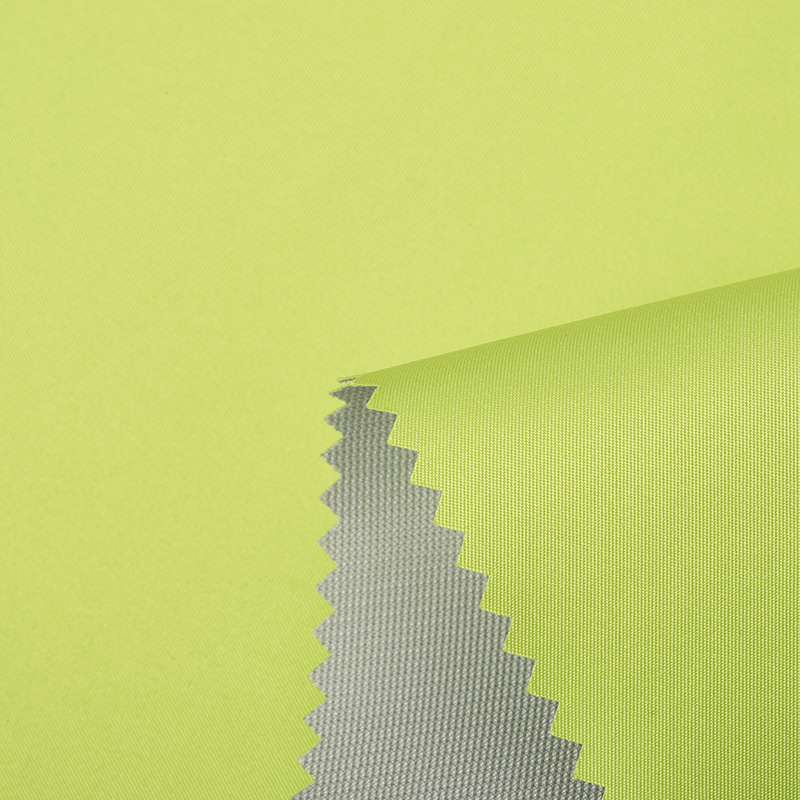 3 Layers Film Softshell Outdoor Waterproof Tpu Fabrics ManufacturersAs China OEM 3 Layers Film Softshell Outdoor Waterproof Tpu Fabrics Manufacturers, Factory, Wujiang Fuhuang supply Wholesale Tpu Film Sof...View Product →
On the other hand, a 2-layer softshell is easier on the budget and gives you more freedom to choose a separate mid-layer or liner. It can still be a good choice for mild weather, urban jackets, or projects where the inner layer will rarely be exposed to heavy sweat. If you decide that a two-layer version fits your price point, the two-layer outdoor functional waterproof fabric is worth comparing before you lock in your specification.
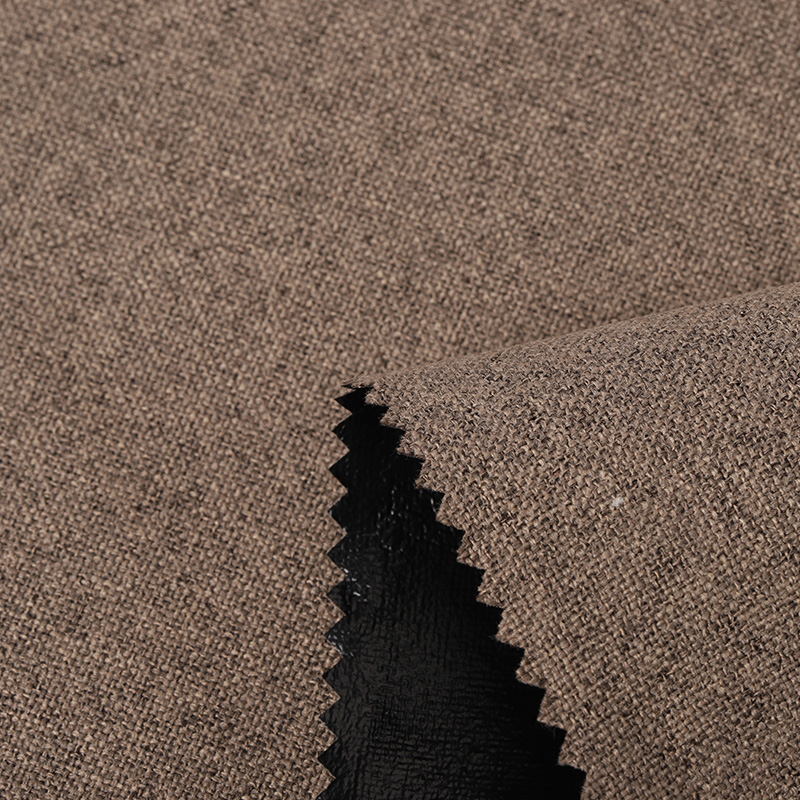 Two Layers Outdoor Functional Waterproof Fabrics ManufacturersWujiang Fuhuang is China OEM Two Layers Outdoor Functional Waterproof Fabrics Manufacturers, Factory, Wholesale Spandex Pongee Laminated ...View Product →
For brands that need a starting point, the three-layer construction is the most versatile outdoor softshell option because it removes the need for a separate liner without giving up weather protection. If you already work with a lining supplier, the two-layer route may reduce material cost. Either way, the key is to match the membrane and backer to the activity level of the wearer.
What to Check Before Buying 3 Layer Softshell Fabric
If you are sourcing fabric for a branded line or OEM production, the spec sheet is only the beginning. Before you approve a sample, confirm the following points with your supplier:
- Fabric weight and composition: GSM determines warmth and durability. Check the exact nylon/polyester ratio and elastane percentage because they affect stretch and recovery.
- Waterproof rating: Ask for the hydrostatic head value in millimeters and the test method, such as ISO 811 or JIS L 1092. Do not rely on the DWR finish alone.
- Breathability: Request an MVTR value from a standard method like ASTM E96 or JIS L 1099. A higher number generally means more comfort during exercise.
- Lamination quality: Check bond strength and ask about solvent-free PUR lamination. Poor lamination can delaminate after a few wash cycles and ruin otherwise good fabric.
- DWR durability: Confirm whether the finish is PFC-free or C6, and whether it can be re-applied by the end user. The membrane provides waterproofing, but DWR keeps the face dry and breathable.
- Seam and construction requirements: Decide whether garments need taped seams. Some 3-layer softshells are not fully seam-sealed by design, which changes their performance in persistent rain.
- Compliance and certifications: For export markets, verify REACH, Oeko-Tex, GRS, or PFAS restrictions. These are increasingly important for brand sustainability claims.
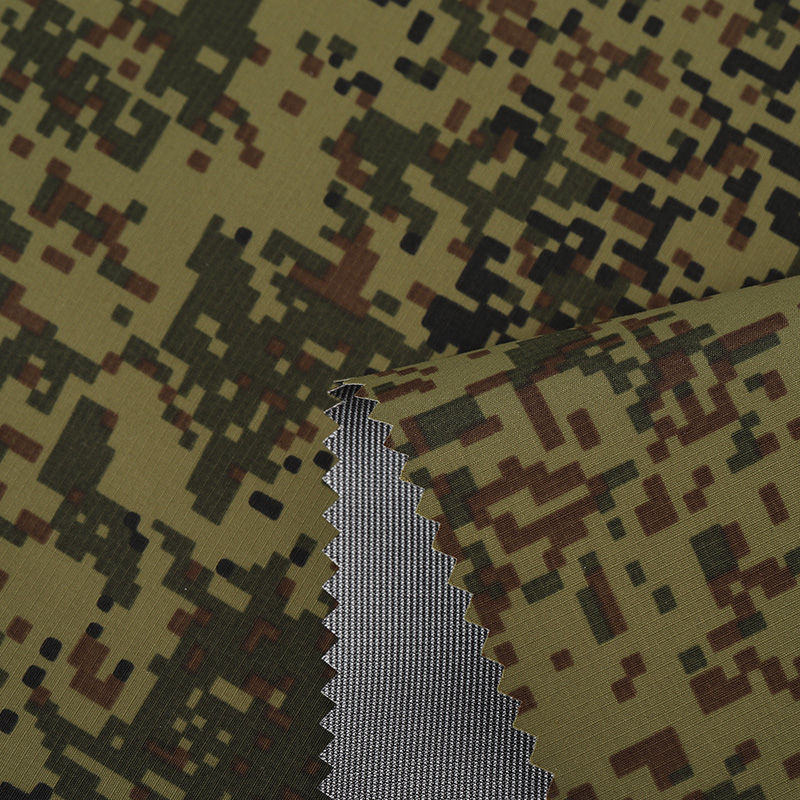
- Customization options: Ask about width, color matching, printing, and ODM branding. A supplier with in-house lamination can offer more control over the final hand feel.
- Lead time and quality control: Check production capacity, sample turnaround, and whether quality inspections happen at every stage. This protects you from mass-production surprises.
A fabric that looks great on a digital spec sheet can still feel stiff or noisy in person. Order a hand-length sample and, if possible, run a simple water-column test in your own lab. A reliable supplier will welcome that level of verification.
Sourcing From a Functional Textile Manufacturer
When you work with a manufacturer that specializes in functional textiles, the conversation should be about your target application and performance thresholds, not just color and price. Our factory has been producing outdoor waterproof fabrics since 2010, with 20 PUR laminating machines and a daily output of around 200,000 meters. That scale supports both large production runs and careful sample development.
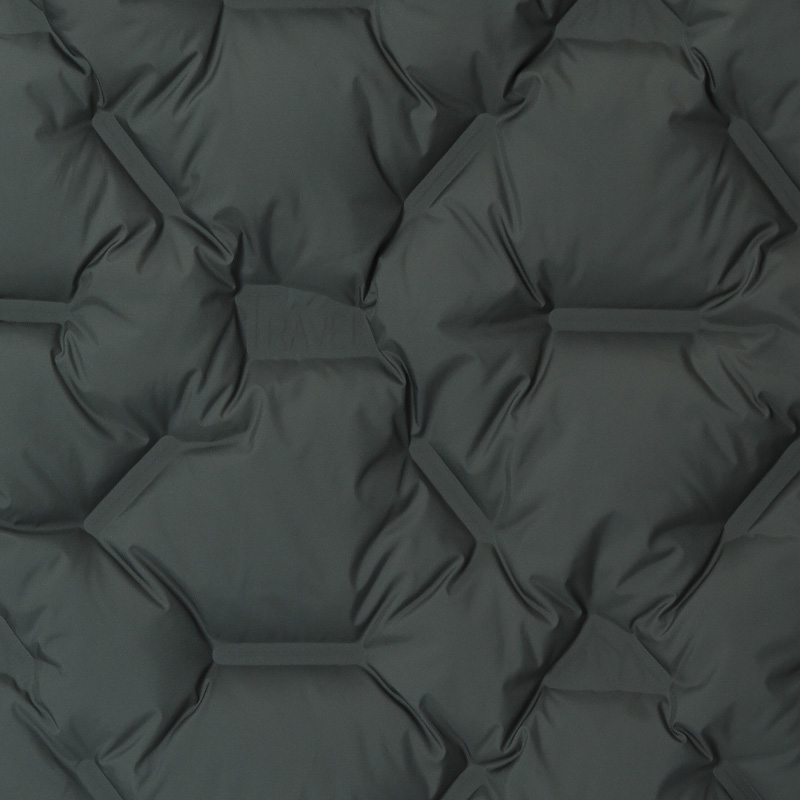
We have also built a 3D channel down fabric program and a dedicated product line for laminated outdoor fabrics, and we support ODM projects such as custom prints, logos, and performance specifications. Because every batch goes through quality control during lamination, testing, and finishing, you can request a strike-off or a full development sample before committing to bulk. To see the complete range, you can review our functional textile product overview and match the structure to your jacket design.
If you are building a softshell jacket line, the 3-layer construction is a strong technical choice because it balances weather protection with comfort and durability. Confirm your target performance numbers against a supplier's actual production samples, and keep your end users' activity level in mind. The right laminate, face fabric, and backer combination will make the difference between a garment that merely looks technical and one that performs mile after mile.