
 English
 CN
CNContent
Buying a waterproof fabric usually starts with a membrane. The difference between hydrophilic and hydrophobic is more than a chemistry detail; it changes how the fabric feels, how it handles sweat, and how it should be tested. A hydrophilic membrane attracts water at the molecular level, yet in laminated textiles this property is what lets water vapor escape while rain stays outside. Once you understand that mechanism, it becomes easier to choose the right membrane for a jacket, a tent, or a medical fabric.
What is a hydrophilic membrane?
A hydrophilic membrane is a thin polymer layer that has a strong affinity for water. In materials science, a surface is considered hydrophilic when the contact angle of a water droplet is below 90 degrees. The droplet tends to spread instead of remaining as a ball. For a filtration membrane, that means fast wetting and good flow with water-based liquids. For a textile membrane, it means the film can pull moisture vapor into its structure and move it through the material.
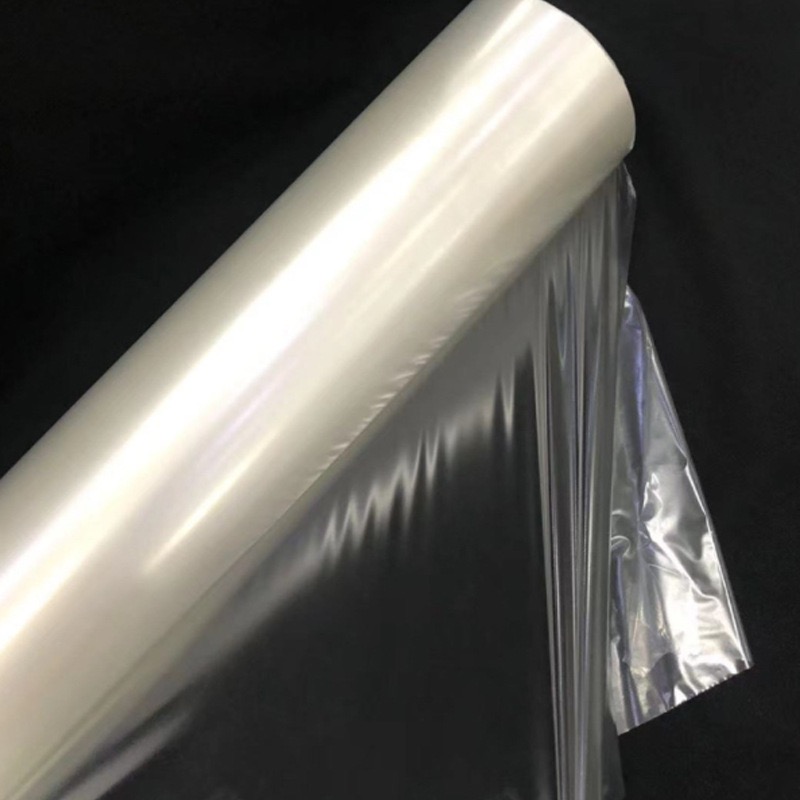
Most hydrophilic membranes used in performance apparel are dense, continuous films rather than porous sheets. They are commonly made from polyurethane-based polymer systems, although polyester-ether copolymers and other hydrophilic polymer blends are also used. Because the film has no open pores, liquid water cannot pass through. Water vapor, however, can be absorbed on the warm, humid side, diffuse across the polymer matrix, and evaporate from the cooler outer side. This is called moisture vapor diffusion.
The process depends on a humidity gradient and, to a certain degree, a temperature gradient. When the air outside is cold and dry, the gradient is strong and the membrane breathes actively. When the weather is warm and humid, the gradient becomes weaker, and breathability slows down. That is not a defect; it is the physical nature of a hydrophilic system.
Hydrophilic versus hydrophobic membrane: the practical difference
The easiest way to see the difference is to observe what happens to a water drop. On a hydrophilic surface, the drop wets the material and spreads. On a hydrophobic surface, the drop stays round and rolls away. The same behavior controls how the membrane works in a filter, a vent, or a laminated fabric.
| Property | Hydrophilic membrane | Hydrophobic membrane |
|---|---|---|
| Water affinity | Attracts water; contact angle below 90 degrees | Repels water; contact angle above 90 degrees |
| Water vapor transport | Absorbed and diffused through a dense film | Passes through pores if pore structure is open |
| Liquid water behavior | Dense textile film blocks liquid water; porous filters wet out and allow water through | Liquid water beads up and is blocked until enough pressure is applied |
| Typical textile use | Breathable waterproof laminates and coatings | Water-repellent vents, some protective fabrics |
| Typical filtration use | Aqueous filtration, sterilization, high water flow | Gas and air filtration, venting, chemical resistance |
For outdoor apparel, the dense hydrophilic film has a clear advantage. Water vapor transport does not depend on pores, so the membrane is less likely to lose breathability when exposed to body oils, salts, or detergent residues. A microporous membrane can gradually become blocked; a hydrophilic film continues to work as long as the polymer chemistry can absorb and release moisture.
How hydrophilic membranes are used in outdoor fabrics
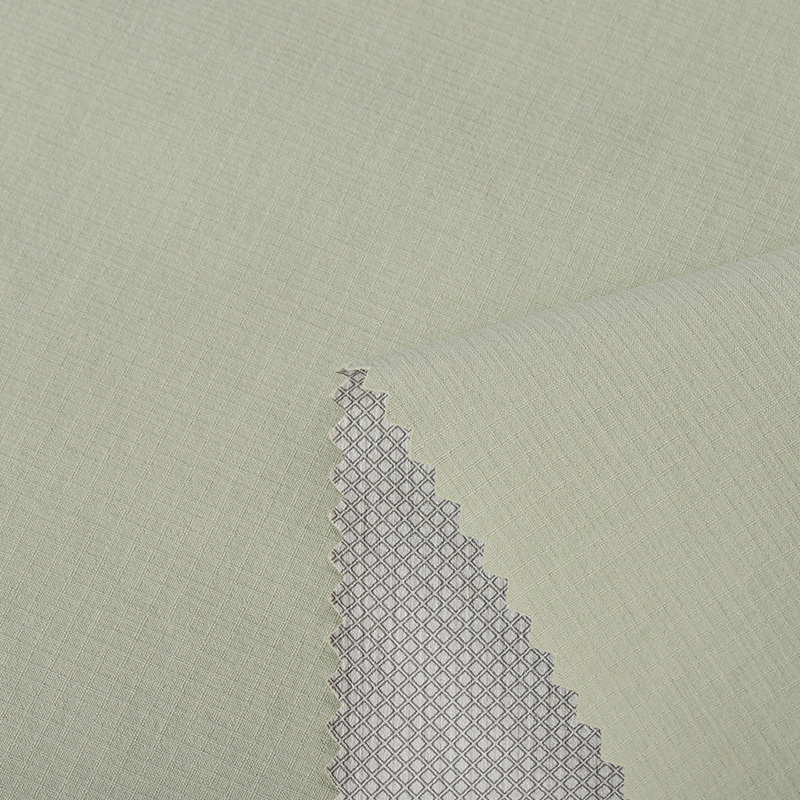
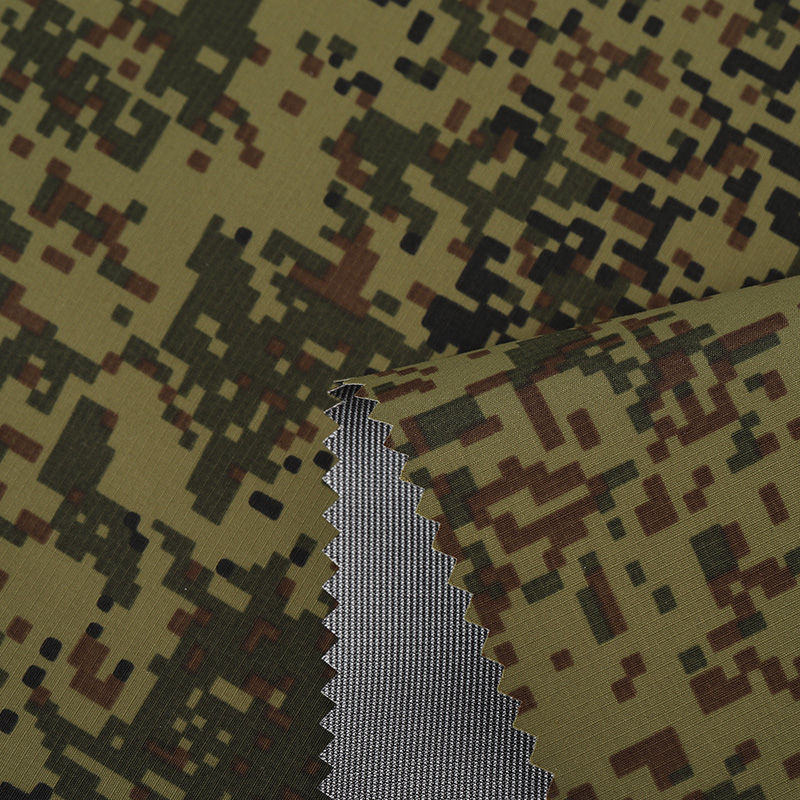
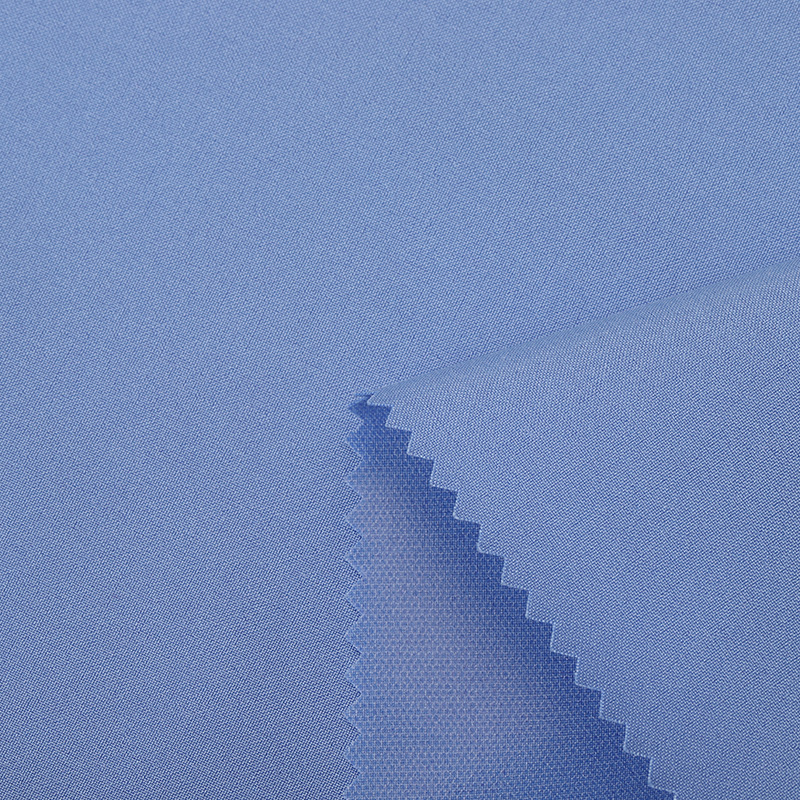
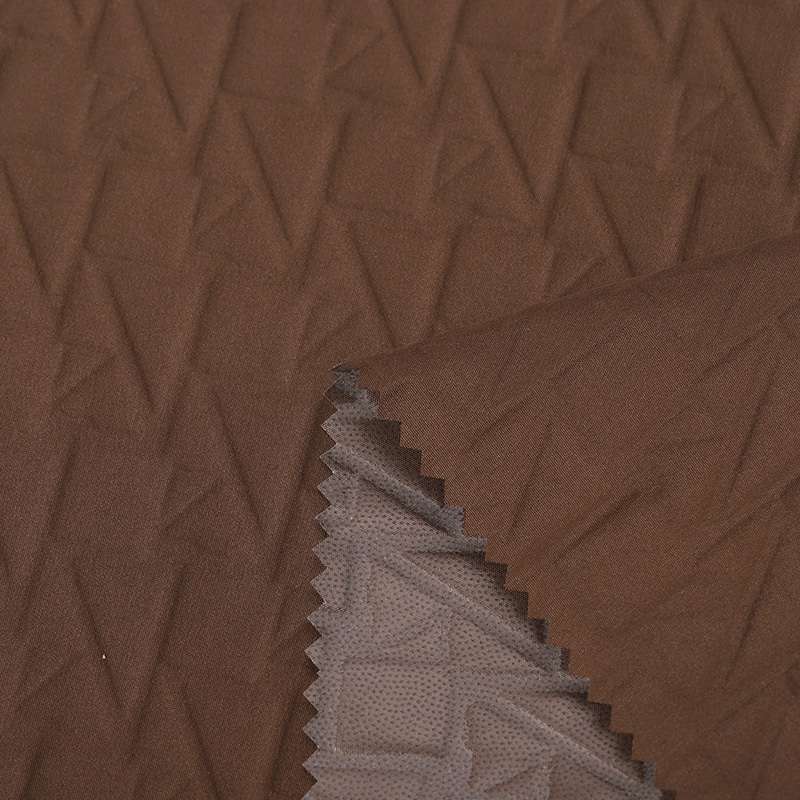
In performance textiles, a hydrophilic membrane is rarely used alone. It is laminated to a face fabric, which supplies color, texture, and abrasion resistance, and to a backing layer, which protects the membrane and adds comfort against the skin. The result can be a two-layer outdoor functional waterproof fabric with a separate lining, or a three-layer outdoor functional waterproof fabric in which a knit backer is bonded directly to the membrane for a lighter, next-to-skin construction.
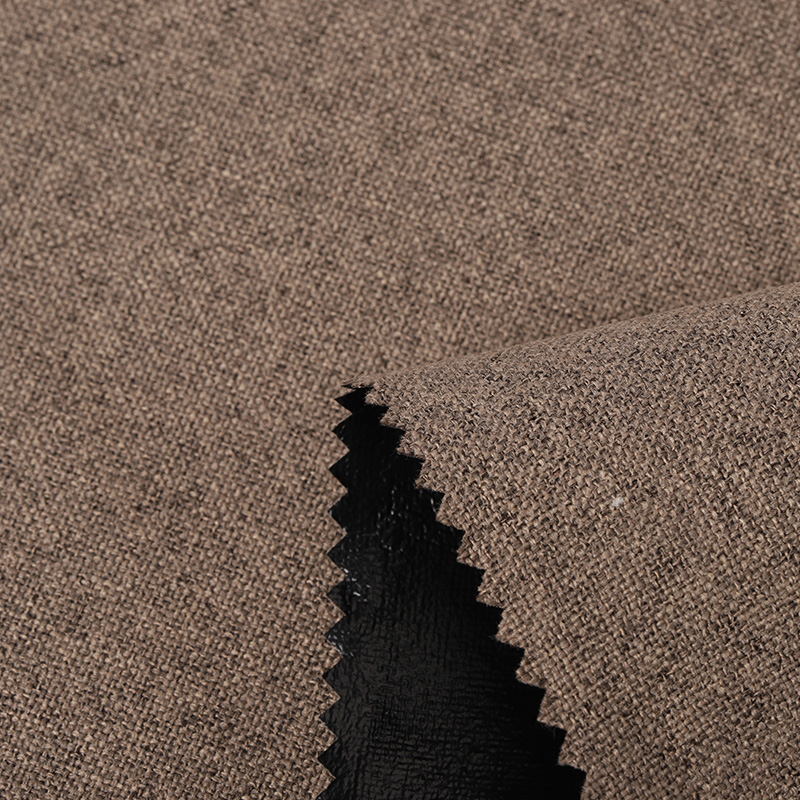
 3 Layers Film Softshell Outdoor Waterproof Tpu Fabrics ManufacturersAs China OEM 3 Layers Film Softshell Outdoor Waterproof Tpu Fabrics Manufacturers, Factory, Wujiang Fuhuang supply Wholesale Tpu Film Sof...View Product →
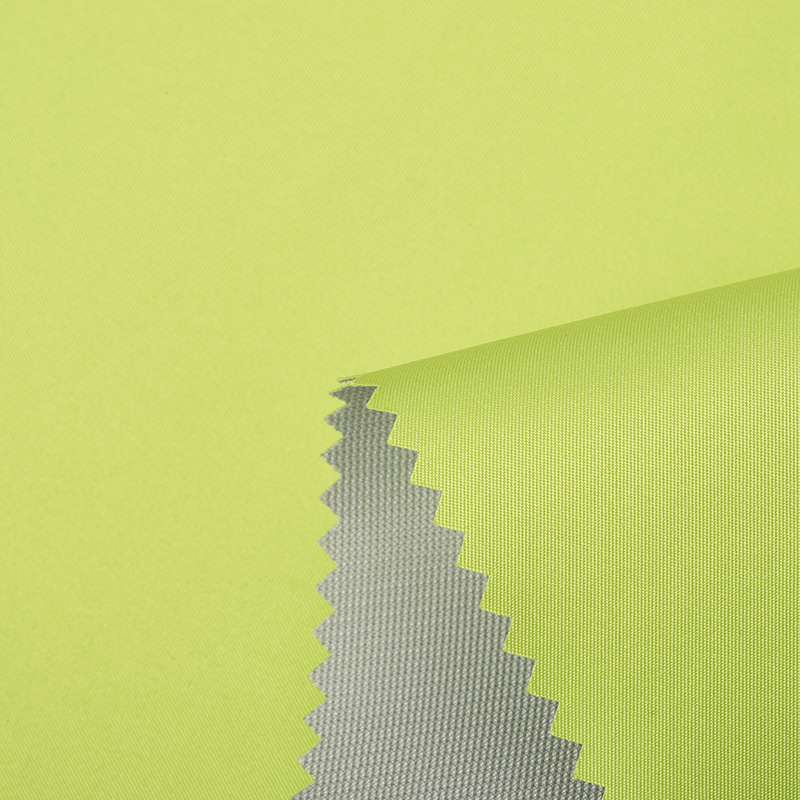
 Two Layers Outdoor Functional Waterproof Fabrics ManufacturersWujiang Fuhuang is China OEM Two Layers Outdoor Functional Waterproof Fabrics Manufacturers, Factory, Wholesale Spandex Pongee Laminated ...View Product →
The same chemistry can also be applied as a wet coating. A liquid PU coating is spread onto the fabric and cured to form a continuous hydrophilic film. Coatings are generally less expensive and can produce a soft hand. Pre-formed films, on the other hand, offer more consistent thickness and performance, which matters when waterproofness and breathability have to meet a specification. Many manufacturers use a combination: film lamination for jackets and garments, coating for simpler rainwear and bags.
Seams also need attention. A hydrophilic membrane blocks water through the fabric, but every needle hole is a potential leak. Good garment construction uses sealed seams, and the membrane choice affects how easily seam tape can be applied. A TPU-based hydrophilic membrane is often easier to weld or tape, while a coated PU surface may require extra care.
What to check when sourcing a hydrophilic membrane
Start by identifying the polymer family. TPU, PU, PTFE, and TPEE membranes are all used in waterproof textiles, but each behaves differently. TPU is strong and works well with welded seams. PU is softer and commonly used in cost-conscious garments. PTFE is usually hydrophobic but can be modified with a hydrophilic layer. TPEE provides elasticity and low-temperature flexibility. Reviewing a TPU, PU, PTFE, and TPEE membrane range gives you a clearer basis for a test program than a single product data sheet.
 TPU/PU/PTFE/TPEE Blackout Membrane Manufacturers, OEM FactoryAs China OEM TPU Blackout Membrane Manufacturers, Factory, Wujiang Fuhuang supply Wholesale TPU Blackout Membrane,PU Membrane,PTFE Membra...View Product →
Next, compare test methods carefully. Waterproofness is often reported as hydrostatic head, measured in millimeters. Breathability can be reported as MVTR, RET, or another index. These methods are not interchangeable. A value of 10,000 g/m²/24h from one test may not equal the same value from another lab. It is wise to evaluate the real waterproof rating of outdoor fabrics before choosing a supplier.
Lamination quality matters as much as the membrane itself. Check how uniformly the adhesive is applied, whether the system is solvent-free, and how the laminate performs after washing and flexing. A fabric mill with in-house PUR lamination can adjust processing parameters to match the face fabric, which reduces the risk of delamination or discoloration. That is especially important when the membrane is thin and the fabric is light.
Choose the membrane for the application
Hydrophilic membrane is not one product with one performance level. It is a category that includes different polymers, film thicknesses, coating processes, and laminate constructions. For an apparel brand, the key question is often two-layer versus three-layer construction. For a factory or a distributor, the key question is whether the membrane chemistry and lamination process can deliver consistent waterproofness and breathability over long production runs. Start with the end use, confirm the test methods, and validate the fabric under real wearing conditions. That approach will produce a better result than selecting a membrane based on a single marketing number.