
 English
 CN
Content
- 1 What the 100% Nylon Label Does and Doesn't Tell You
- 2 Water Resistant, Water Repellent, Waterproof: Three Different Promises
- 3 Why Nylon Resists Water in the First Place
- 4 How 100% Nylon Becomes Waterproof
- 5 Reading the Numbers: Hydrostatic Head and Test Methods
- 6 Where Water Still Gets In
- 7 Matching the Fabric to the Product
- 8 Care, Testing and What We Check Before Shipping
Buyers ask us this question almost every week: if a fabric is labelled 100% nylon, does that mean rain stays out? The honest answer is a friendly "it depends", and after more than a decade of coating and laminating functional fabrics, we have learned that the fiber name alone tells you very little. Nylon is naturally water resistant, and with the right finish, coating or membrane it becomes genuinely waterproof. Without them, a 100% nylon shell will shrug off a light drizzle and then soak through within minutes. This guide walks through what actually decides the outcome, so you can specify a fabric instead of guessing from a hangtag.
What the 100% Nylon Label Does and Doesn't Tell You
The label describes fiber content and nothing else. It says nothing about yarn size, weave density, surface finishing or what is bonded to the back of the cloth. A 20D ripstop nylon with a durable water repellent finish and a 210D oxford nylon with a heavy PU coating are both "100% nylon", yet one behaves like a featherweight wind shell and the other like a luggage skin that survives airport conveyor belts.
When a supplier quotes you nylon, these are the details that matter far more than the percentage on the spec sheet:
- Denier and yarn type — 15D to 40D gives soft, packable shells; 200D and above gives abrasion resistance for bags and gear.
- Weave construction — taffeta, ripstop, oxford and twill each behave differently under pressure and abrasion.
- Finishing — calendering, a DWR finish, or nothing at all.
- Backing system — a PU coating, a TPU or PTFE film, or a three-layer laminate with a tricot backer.
- Verified performance — a hydrostatic head result with the test method named.
Water Resistant, Water Repellent, Waterproof: Three Different Promises
These words get used interchangeably in marketing, but they describe different physics. Water resistant means the fabric slows down absorption; it will hold off a short shower but will not survive sustained pressure or a sit on wet ground. Water repellent refers to surface behaviour: a DWR treatment lowers surface energy so droplets bead and roll off rather than spreading into the yarn. Waterproof means the whole construction — fabric plus coating or film plus sealed seams — prevents liquid water from passing through, and it is measured as hydrostatic head, the height of a water column the material can hold before leaking. We explain the differences and how they are tested in more depth in this guide to water resistant versus water repellent fabrics.
The practical consequence is that "water resistant" is not a regulated claim. A jacket that beads water beautifully on the outside can still let moisture through the seams, or feel clammy inside from condensation. Always ask for the number and the standard, not just the adjective.
Why Nylon Resists Water in the First Place
Nylon filament yarn is smooth and hydrophobic, so water tends to sit on the surface instead of wicking instantly along the fiber. Its moisture regain is around 4 percent — low enough that a damp nylon shell dries faster than cotton, though nylon does absorb noticeably more water than polyester and dries a little more slowly. That is why soaked-through nylon garments can feel heavy and cold against the skin, and why polyester often wins in garments where sweat management is the priority.
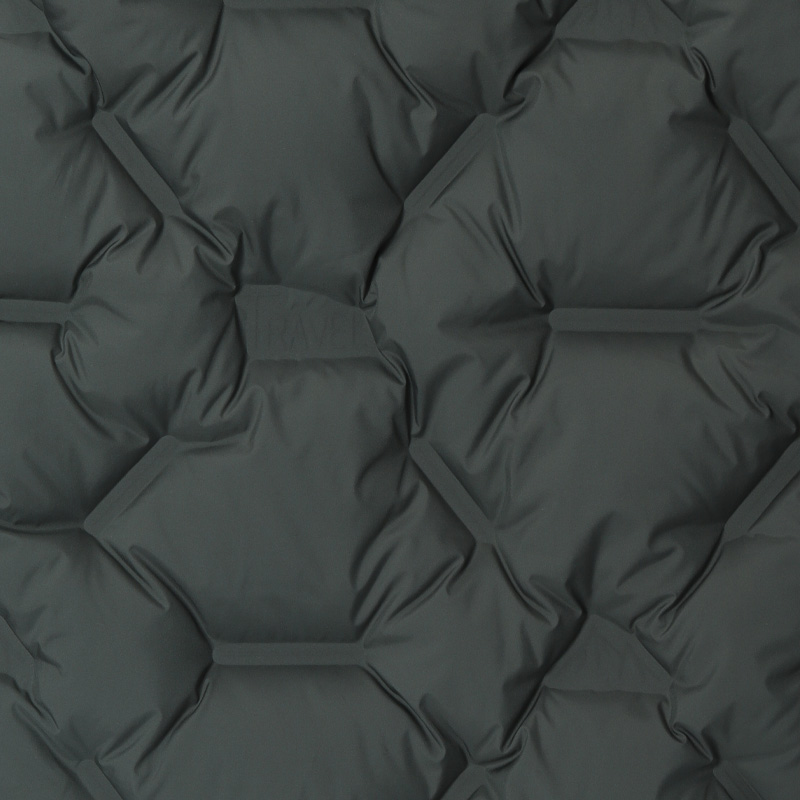
What nylon gives back is toughness. It resists abrasion and tearing at low weight, takes dye richly, and laminates cleanly to films. Those properties are the reason it dominates outdoor shells, packs, umbrellas and down-proof channels — and the reason it is worth engineering properly rather than leaving bare.
How 100% Nylon Becomes Waterproof
Water resistance on nylon comes from three layers of help, and a good outdoor fabric usually uses at least two of them.
The weave and the finish
A dense weave narrows the gaps between yarns, and calendering flattens the surface further. On top of that, a DWR finish makes droplets bead and roll away. This is what makes an unlined nylon shell feel dry in a shower — and it is also the first thing to wear off with abrasion, washing and body oils.
Coatings
A PU coating applied to the back of the cloth is the most economical route to a waterproof nylon. Typical results land between 1,000 and 5,000 mm, which suits backpacks, promotional rainwear and utility covers. Coatings add stiffness and limit breathability, and some standard PU coatings can hydrolyse over several years in hot, humid storage, so film grade and formulation matter.
Laminates and membranes
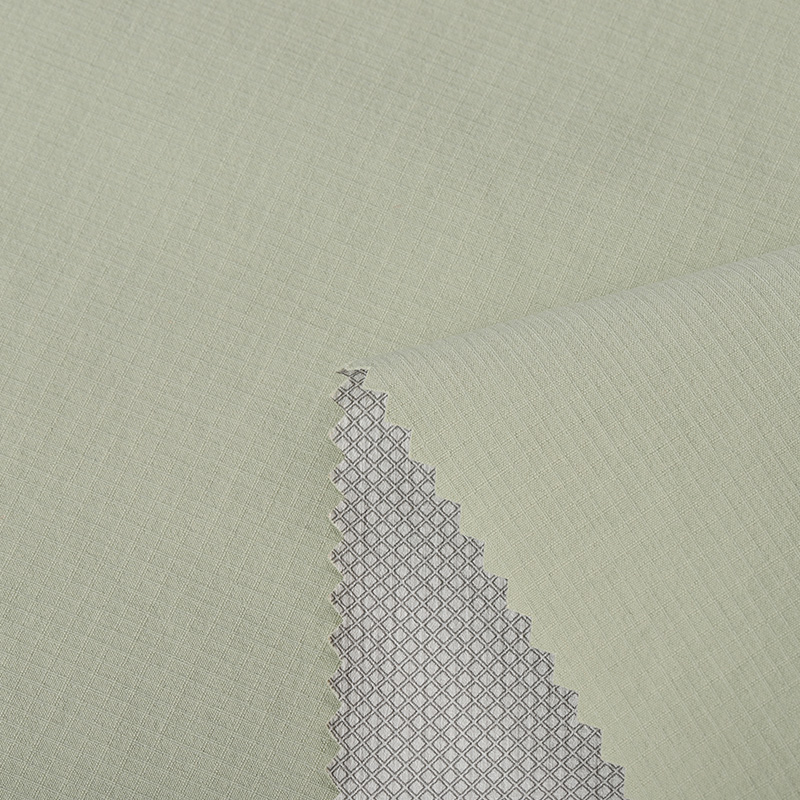
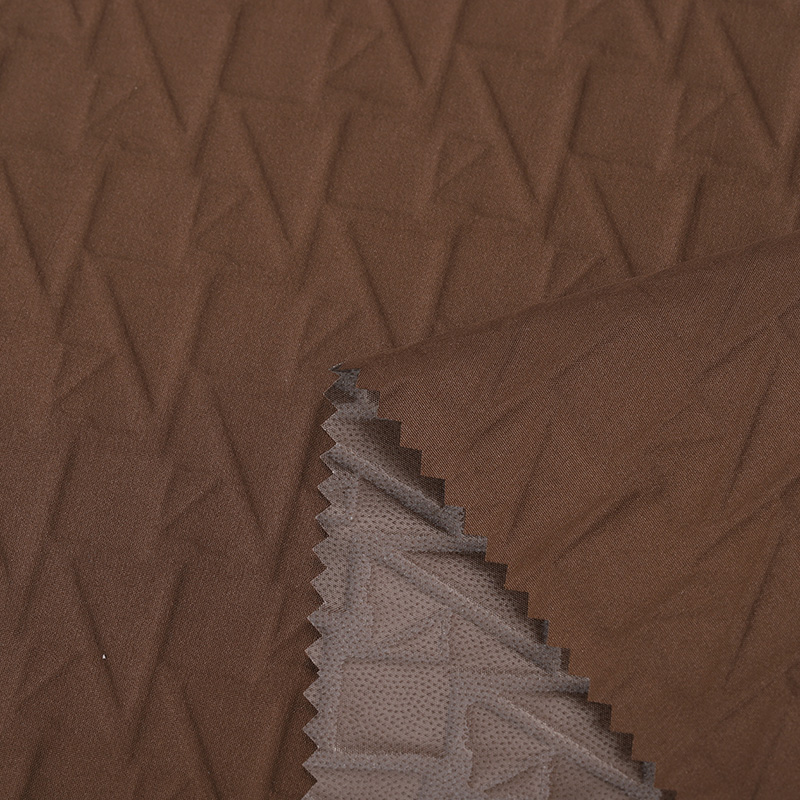
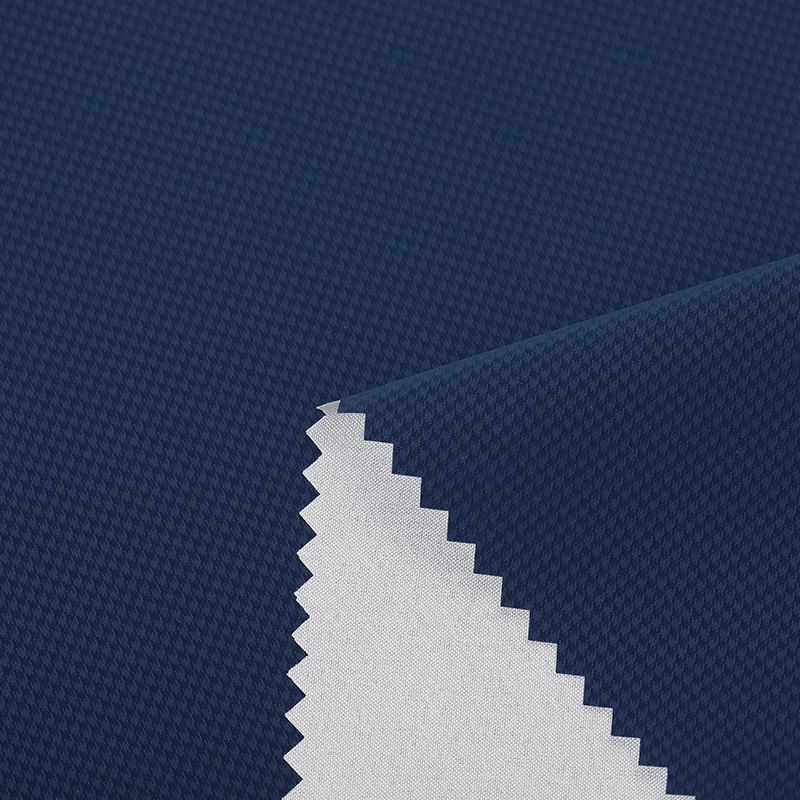
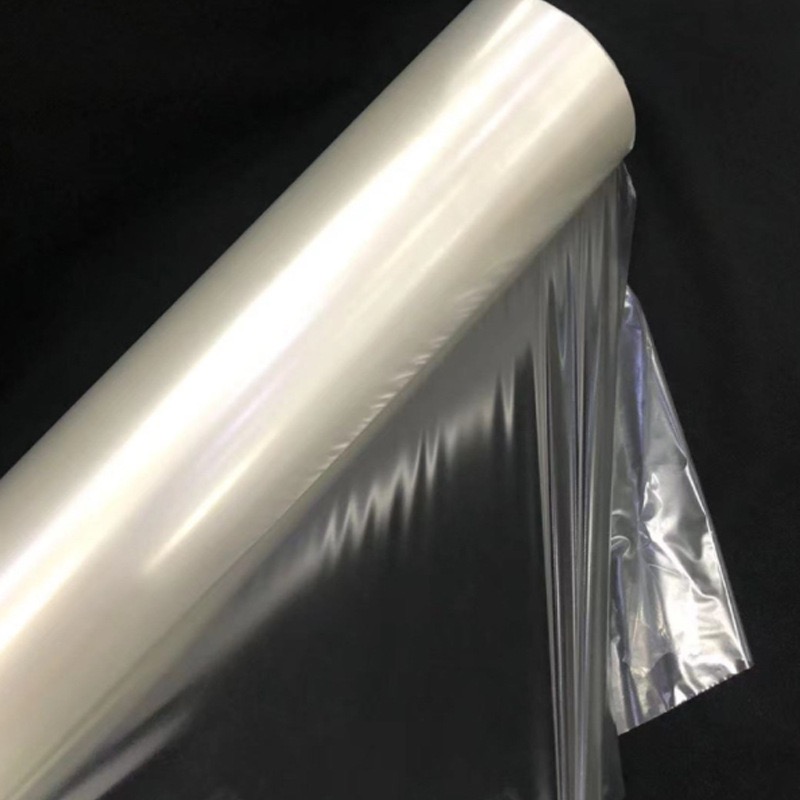
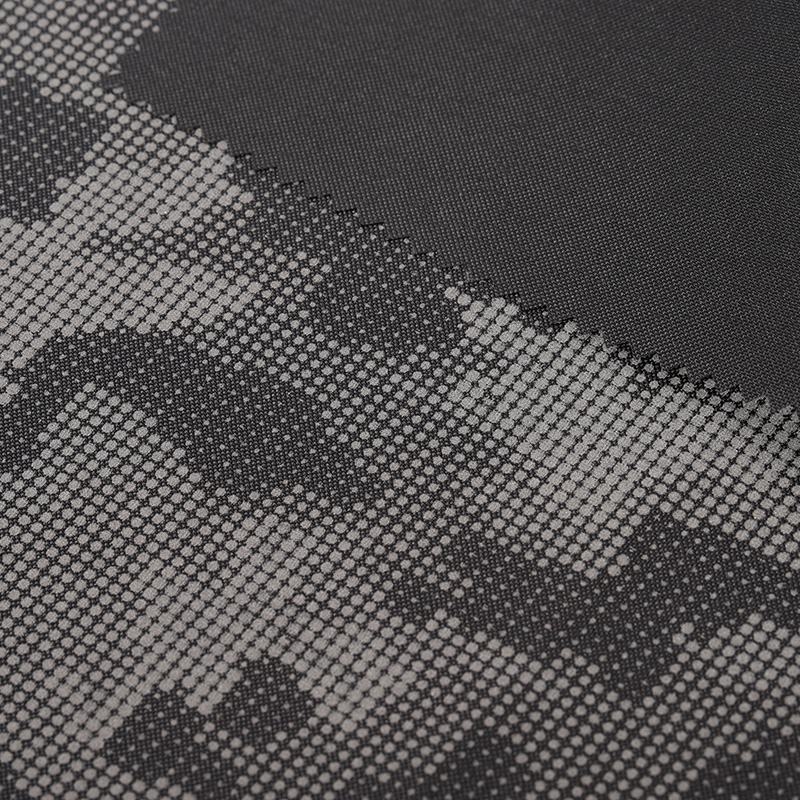
Bonding a functional film to nylon raises both performance and cost. TPU, PU, PTFE and TPEE films are the common choices. In a two-layer build the film sits against a separate lining, which keeps the hand soft and the price sensible for raincoats and light jackets. In a three-layer build a thin knit backer protects the film, giving the durability and packability that technical shells need, with hydrostatic heads well above 10,000 mm.
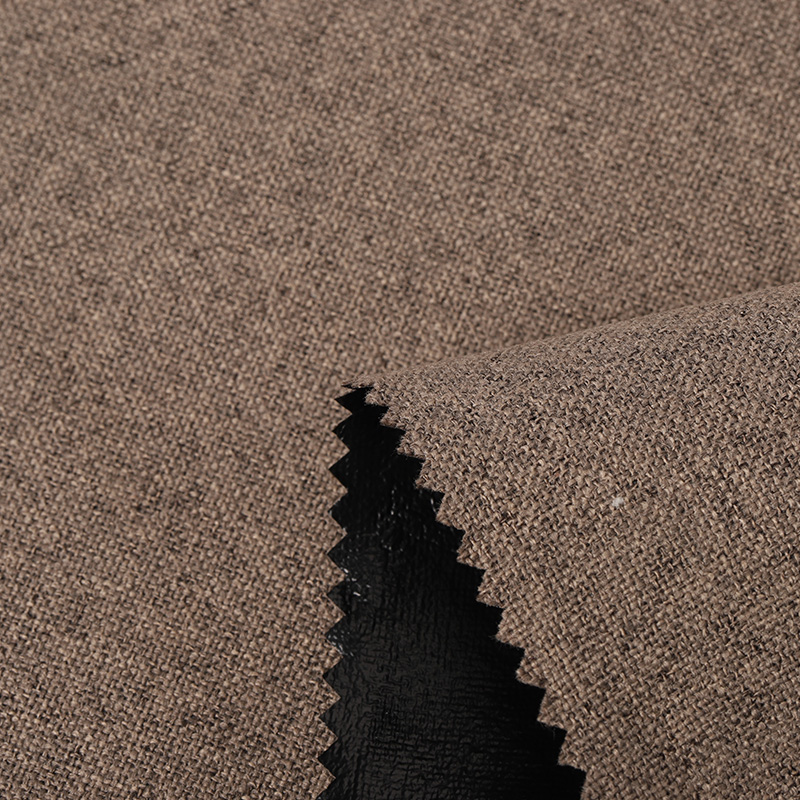 Two-Layer Outdoor Functional Waterproof Laminated FabricTwo-layer laminated fabric range with selectable base fabrics and membranes, useful for raincoats, light jackets and side-by-side construction comparisons.View Product →
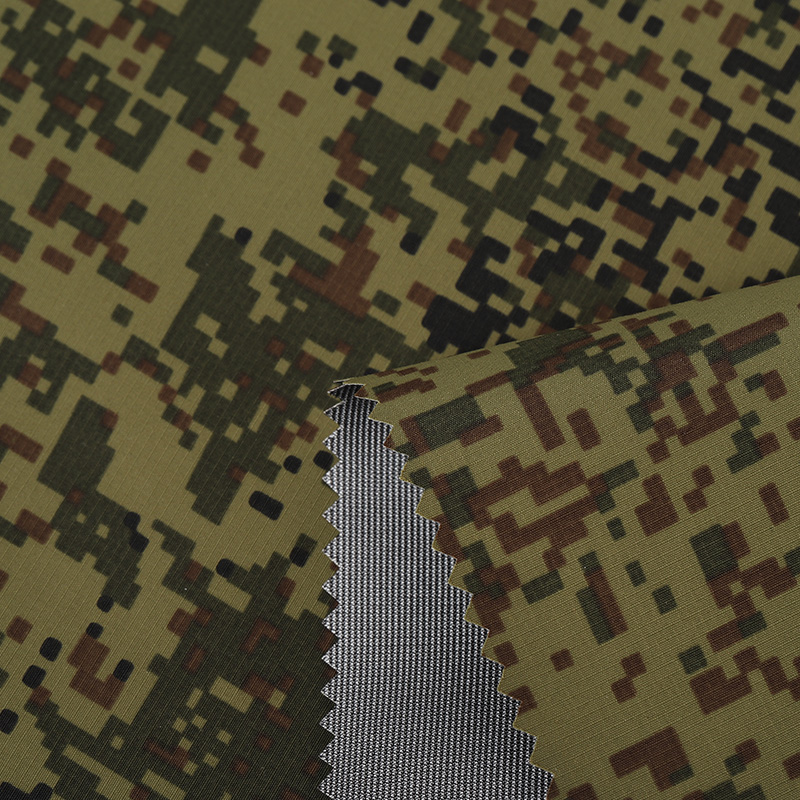
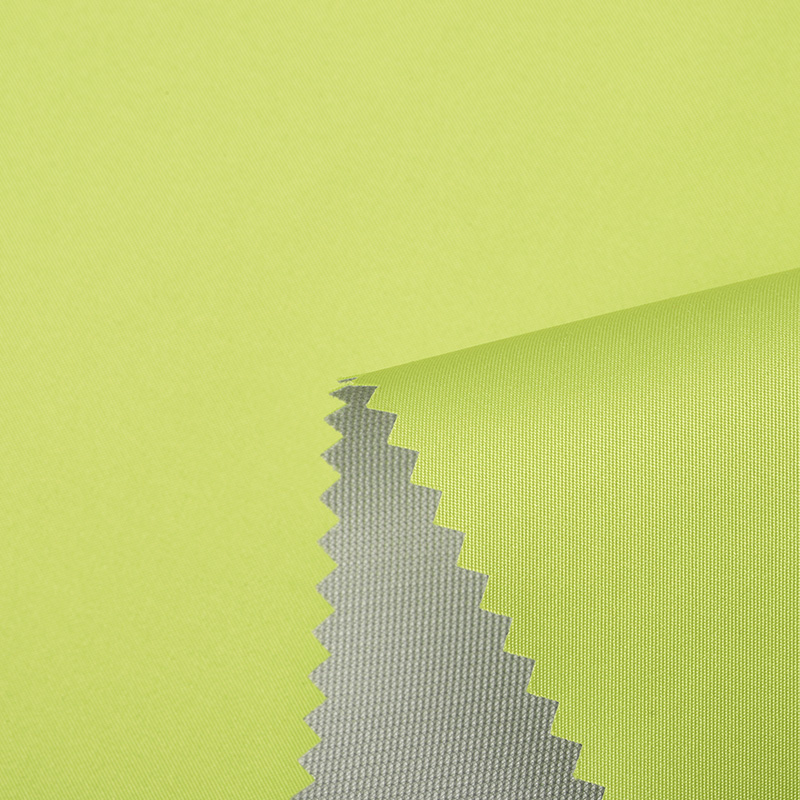 Three-Layer Outdoor Softshell Waterproof TPU FabricThree-layer laminated softshell with selectable face fabrics, backers and TPU, PU, PTFE or TPEE membranes, suited to technical shells and outdoor clothing.View Product →
Our own lamination lines run 20 PUR machines at roughly 200,000 meters a day, which is useful when a buyer needs a two-layer and a three-layer version of the same face fabric tested side by side before committing to a season.
Reading the Numbers: Hydrostatic Head and Test Methods
Hydrostatic head is the single most useful figure when comparing nylon qualities, but only when the test method and the sample direction are stated. The table below shows where common 100% nylon constructions typically land.
| Construction | Typical hydrostatic head | Where it fits |
|---|---|---|
| Plain woven nylon, no finish | Under 500 mm | Linings, wind shirts, dry-climate shells |
| Nylon with DWR only | 500 – 1,000 mm | Light jackets, casual outerwear, umbrellas |
| Nylon with PU coating | 1,000 – 5,000 mm | Backpacks, economy rainwear, covers |
| Nylon with TPU two-layer laminate | 5,000 – 15,000 mm | Raincoats, snow shells, protective home textiles |
| Nylon with three-layer membrane | 10,000 – 25,000 mm | Technical shells, workwear, expedition garments |
One caution from the lab bench: a fabric tested flat at 20 degrees Celsius will not tell you how a sewn jacket behaves on a windy mountain. Garment-level rain testing is the only honest way to confirm that seams, zips and pocket openings hold up.
Where Water Still Gets In
A waterproof nylon is a material claim, not a garment claim. In practice, most leaks happen somewhere else:
- Seams — needle holes channel water; taped or seam-sealed construction is essential above roughly 3,000 mm.
- Zippers and pockets — a standard coil zip is a row of small openings; use water-resistant or covered zips for exposed panels.
- DWR wear — once the surface wets out, the shell feels cold and clammy even though no water has passed the film.
- Wicking at cuffs and hems — a lining that touches a wet outer layer moves water inward by capillary action.
- Condensation — a fully waterproof, non-breathable fabric traps sweat; for active use, moisture vapour transmission matters as much as hydrostatic head.
Matching the Fabric to the Product
Because we laminate for very different end uses, we tend to start from the use case rather than the fiber. Roughly, the pattern looks like this:
- Everyday rain jackets — 2-layer TPU on 40D to 70D nylon, 5,000 to 10,000 mm, taped seams, soft hand.
- Technical shells — 3-layer laminate on 20D to 40D ripstop, 15,000 mm and above, with a backer that survives packing.
- Bags and luggage — 210D to 600D oxford with PU coating, where abrasion resistance outranks breathability.
- Tents and umbrellas — lightweight taffeta or pongee with PU or TPU, plus UV stability for long outdoor exposure.
- Baby bibs and changing mats — TPU two-layer constructions chosen for skin contact and easy cleaning.
Some partners prefer to handle bonding themselves and buy the functional layer directly. If that is your model, we keep TPU, PU, PTFE and TPEE films in stock for exactly that reason, alongside our own laminated output.
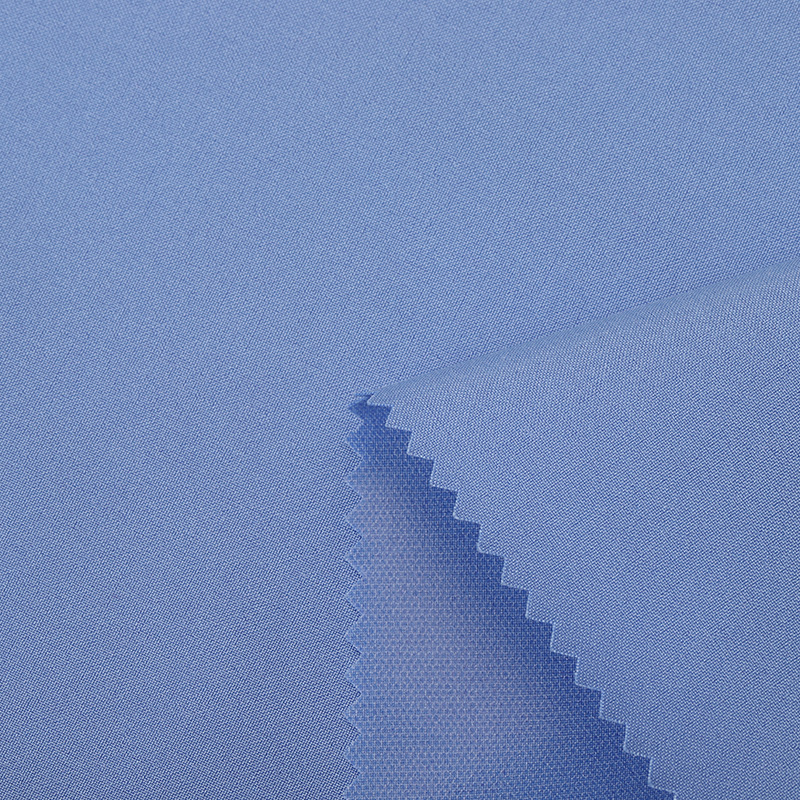
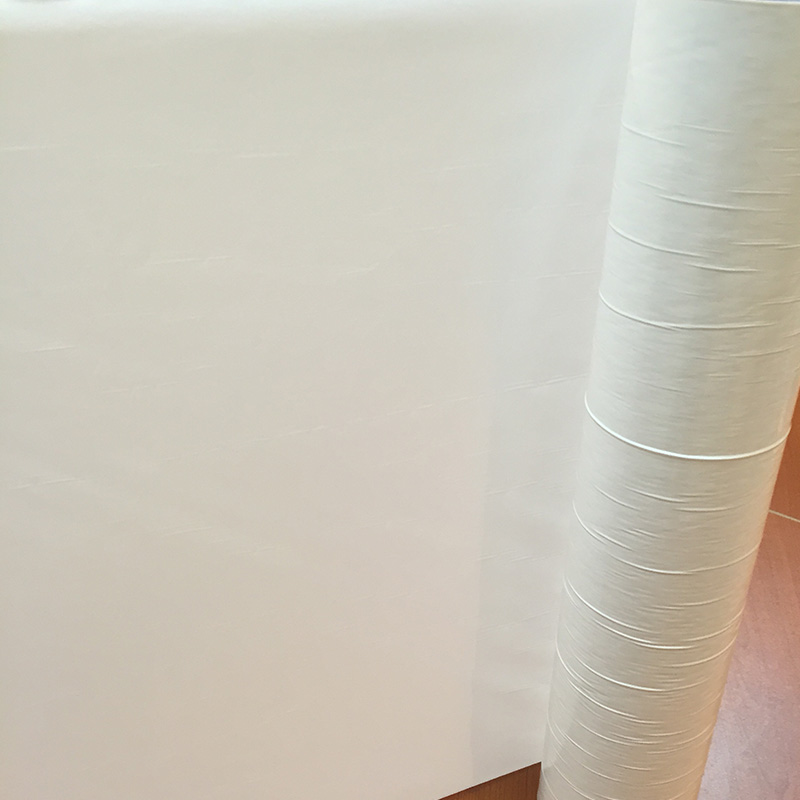 Waterproof Breathable TPU PU PTFE TPEE MembraneFunctional membrane range in TPU, PU, PTFE and TPEE with blackout options, available for partners who laminate in-house and need a direct functional layer.View Product →
Care, Testing and What We Check Before Shipping
Water resistance is not a permanent property, so a realistic specification includes care instructions. Wash with a mild detergent rather than harsh soap, avoid fabric softener, tumble low to reactivate the DWR, and refresh the finish periodically with a spray-on treatment. A jacket that has lost its beading is not necessarily leaking, but it will feel wet and breathe poorly.
On our side, quality control runs at every production stage: incoming film and greige inspection, adhesion checks after lamination, hydrostatic head and spray rating tests on the finished roll, and a final visual audit before packing. If you need a specific standard reported, tell us at the sampling stage so the test plan matches the claim on your label.
So, is 100% nylon water resistant? Yes — by nature, and impressively so once the right finish, coating or film is behind it. Is it waterproof? Only when the construction earns the word, and that decision is made in the specification, not on the fiber content line. If you are weighing up two-layer versus three-layer builds, or comparing coatings against laminates for a particular product, our team is happy to talk through the numbers and send samples. You can also read more about how we work, and we will answer with test data rather than adjectives.