
 English
 CN
Content
- 1 Before You Start: Identify What Your Jacket Already Has
- 2 Method 1: Rewaxing a Waxed Canvas Jacket
- 3 Method 2: Spray-On and Wash-In Surface Treatments
- 4 Method 3: Sealing Seams, Zippers and Entry Points
- 5 Care That Keeps Water Beading Longer
- 6 Building a Waterproof Canvas Jacket: Notes for Brands and Buyers
- 7 Troubleshooting: Common Waterproofing Problems
- 8 Putting It All Together
Canvas is a generous fabric for a jacket. It shrugs off abrasion, softens with age and holds its shape through years of hard wear. What it does not do on its own is keep rain out. Cotton canvas is naturally thirsty, and an untreated jacket will soak through in a steady drizzle long before the weather turns serious.
The encouraging part is that waterproofing a canvas jacket is a job most people can handle at home. The method depends on what kind of jacket you already own. A waxed field jacket needs a fresh layer of wax. A modern canvas shell with a factory finish usually needs a spray-on or wash-in treatment once that finish wears thin. And if you are the one building the jacket, the protection has to be designed into the fabric and the seams from the start.
Below we walk through each route in the order most people meet them, with the details that genuinely matter: how much wax, how much heat, how to seal a seam, and how to tell whether your treatment is still working.
Before You Start: Identify What Your Jacket Already Has
Run your fingers across the surface before you buy anything. Three common situations look similar in a photograph but need completely different care.
- Waxed cotton. Slightly tacky, faintly waxy, with pale scuff marks where the wax has been rubbed thin. These jackets are meant to be re-waxed every season or two.
- Coated or laminated canvas. Smooth-faced, often with a visible membrane and taped seams inside. The care label may warn against ironing. Refresh these with a surface treatment only, never with wax.
- Plain untreated canvas. Dry, matte and absorbent. You get to choose which route to take, and wax is usually the more durable choice for a workwear-style jacket.
It also helps to separate two words that get used loosely. Water-resistant means rain beads up and rolls off for a while. Waterproof means the fabric itself resists pressure, measured as a hydrostatic head in millimetres, and the seams are sealed so water cannot creep through the stitching. A jacket with a waterproof fabric and open seams is still a leaky jacket.
Method 1: Rewaxing a Waxed Canvas Jacket
This is the oldest and most reliable approach for heavy cotton canvas, and it is genuinely satisfying to do. Plan for an afternoon and a well-ventilated space.
What you need
- A bar or tin of wax blend, ideally a paraffin and beeswax mix that stays flexible in the cold
- A clean lint-free cloth or sponge
- A hairdryer or heat gun on a low setting
- Mild soap, warm water and a soft brush for cleaning
Step by step
- Brush off loose dirt and spot clean with mild soap and warm water. Let the jacket dry completely; wax will not bond over grit or moisture.
- Warm the panel you are working on with the hairdryer. Warm canvas drinks in wax far more evenly than cold canvas.
- Rub the wax on in small circles using thin coats, warming the fabric again as you go so the wax melts into the weave.
- Give extra attention to the shoulders, cuffs, hood and hem, where rain and abrasion hit first.
- Buff away any surplus with a clean cloth. If the surface feels greasy, you have used too much.
- Hang the jacket for at least 24 hours, then test it with a splash of water and watch how it behaves.
A word of caution from long experience: over-waxing is a more common mistake than under-waxing. A thick jacket stays sticky, collects dust and can leave marks on car seats. Never machine wash or tumble dry waxed canvas, because both strip the finish and set creases you cannot remove.
Method 2: Spray-On and Wash-In Surface Treatments
Most factory-finished outdoor canvas carries a durable water repellent, usually shortened to DWR. It is the finish that makes rain bead into little spheres and roll away. It wears off through abrasion, body oils, dirt and repeated washing, which is why a jacket that once shed water suddenly starts to darken in the rain.
- Wash the jacket first with a technical fabric cleaner. Ordinary detergent leaves a residue that blocks the finish and makes any new treatment patchy.
- Apply a spray-on treatment evenly from about 20 to 30 centimetres away, in two light passes rather than one soaking one, paying extra attention to shoulders, hood and sleeves.
- If you prefer a wash-in product, follow the bottle dose and use a low spin cycle so the fabric stays smooth.
- Reactivate with gentle heat: twenty to thirty minutes on low tumble, or a warm iron through a cloth if the care label allows it. Heat helps the repellent align and perform.
- Repeat the treatment when water stops beading, typically every one or two seasons of regular wear.
It is worth understanding what these products can and cannot do, since a repellent restores the surface behaviour of the fabric but does not turn a breathable shell into a waterproof one. Our guide on how DWR works and why it wears out goes deeper into the chemistry and the care routine. Modern PFAS-free finishes are a sensible choice for anyone concerned about environmental persistence, though they usually need refreshing a little more often than older formulations.
Method 3: Sealing Seams, Zippers and Entry Points
Even a perfectly treated fabric can let water in through the stitching. Factory jackets solve this with heat-applied seam tape on the inside; you can do something similar at home.
- Seam tape. Run a low iron along the seam to warm it, then press tape over the stitching on the inside, following the tape maker's temperature guidance.
- Liquid sealant. For small areas or repairs, dab a thin bead of flexible sealant directly along the stitch line and let it cure overnight.
- Zippers. A storm flap does most of the work; a wax stick or a purpose-made zip lubricant on the teeth reduces water wicking and keeps the slider smooth.
- Cuffs, hood brim and hem. These are the entry points people forget. Check that drawcords still cinch and that any elastic has not gone slack.
Care That Keeps Water Beading Longer
Treatment is only half the story. How you wash and store a jacket decides how long the finish lasts.
- Wash rarely and gently. Spot cleaning handles most marks.
- Skip fabric softener and bleach entirely; both attack finishes.
- Keep heat brief and low, except for the short reactivation cycle that helps DWR perform.
- Dry the jacket fully before storing it, and store it loose on a hanger rather than compressed.
- Re-proof at the start of the wet season, before you notice a problem on a hillside.
Building a Waterproof Canvas Jacket: Notes for Brands and Buyers
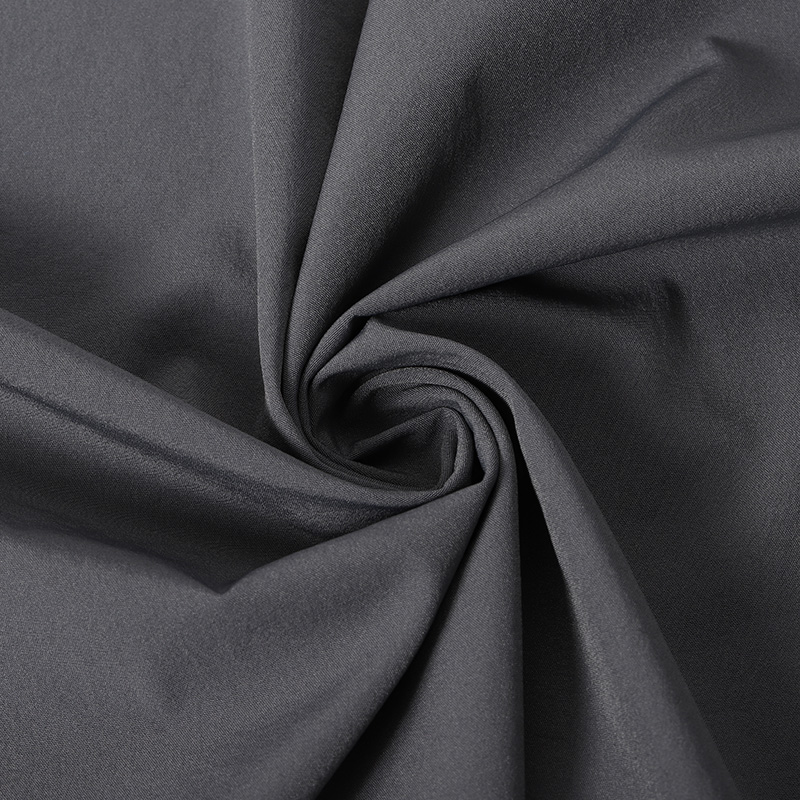
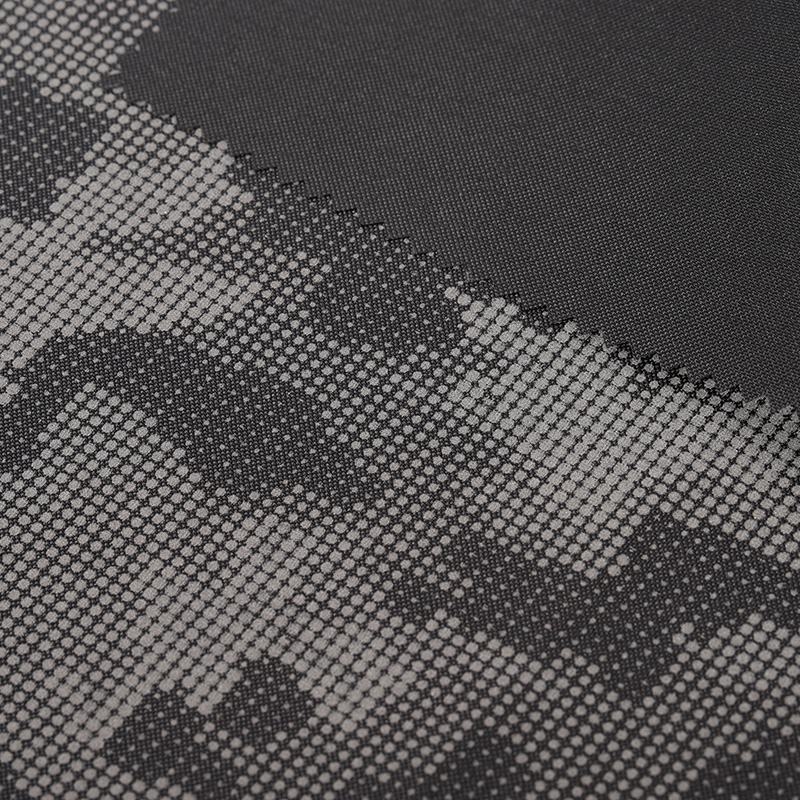
If you are developing rather than repairing, the waterproofing question moves upstream. Canvas-look wovens, oxford constructions and polyester-cotton blends can all serve as the face fabric, but the protection comes from what sits behind them and how the garment is finished. Face fabric choice drives the hand feel, drape and abrasion resistance, so it is worth settling that first.
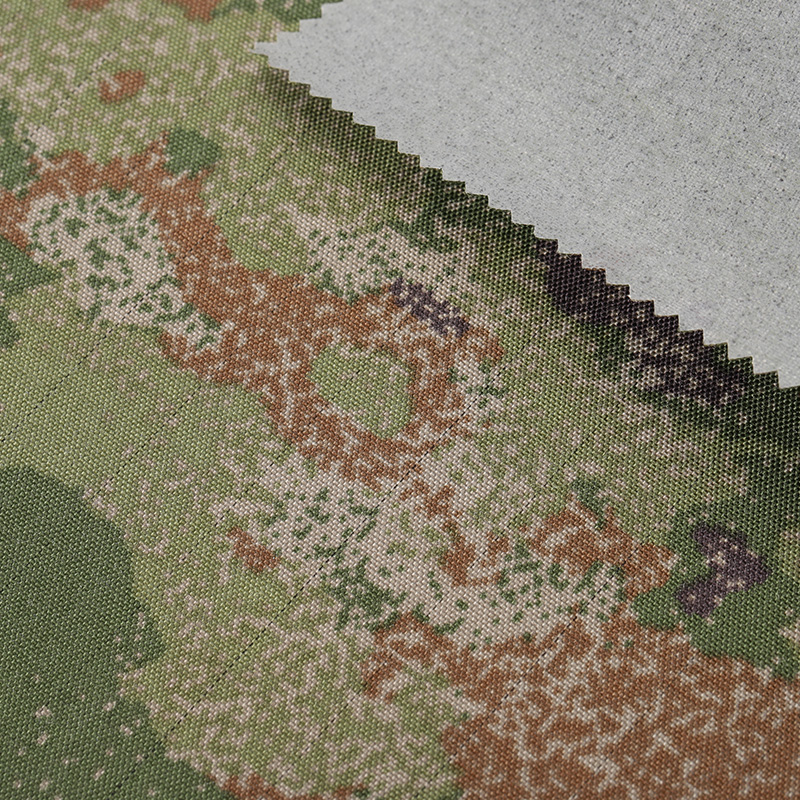 Printed Oxford PU Coating Fabrics for Outdoor and BagsPolyester or nylon Oxford with PU coating, varied densities and prints; waterproof, stain-resistant and durable for outdoor furnishing, tents, luggage and bags.View Product →
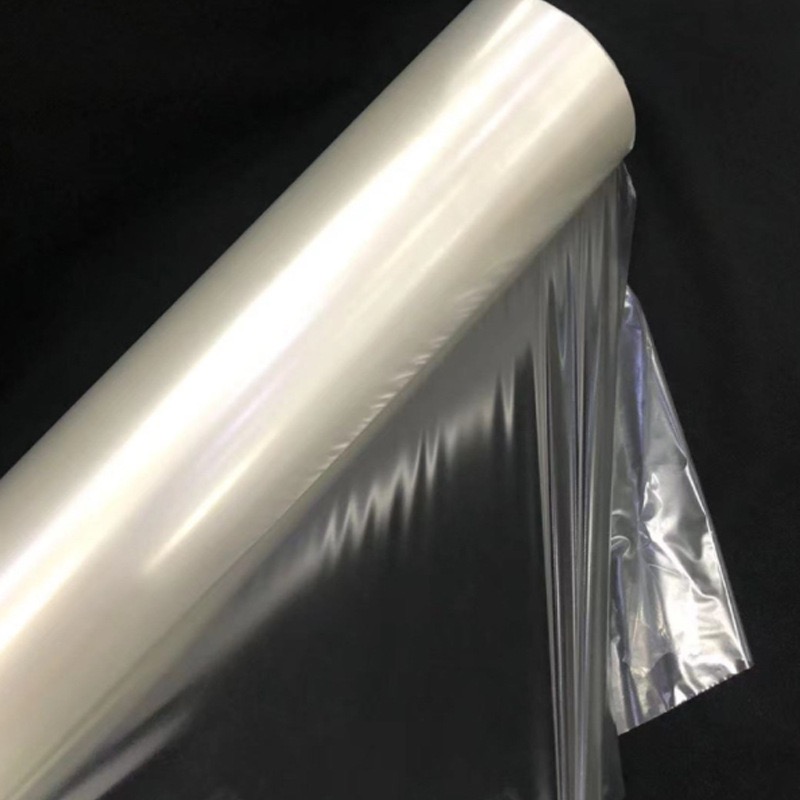
The functional layer is where the real specification lives. A hydrophilic TPU or TPEE membrane gives softness and reliable waterproofing with decent breathability, PU coatings are economical for lighter duty, and PTFE suits high-end performance expectations. Each option behaves differently in cold, under flex and after repeated washing, so the choice should follow the end use rather than the price list.
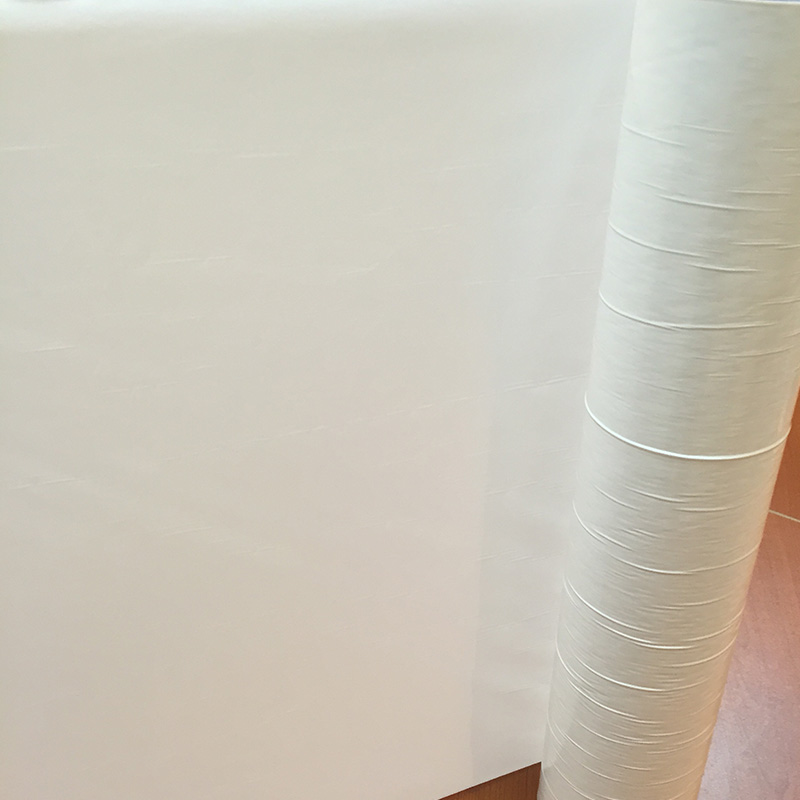 Waterproof Breathable TPU, PU, PTFE and TPEE MembranesBlackout and clear membrane options with varied breathability and waterproof ratings for apparel, outdoor fabrics, luggage and automotive applications.View Product →
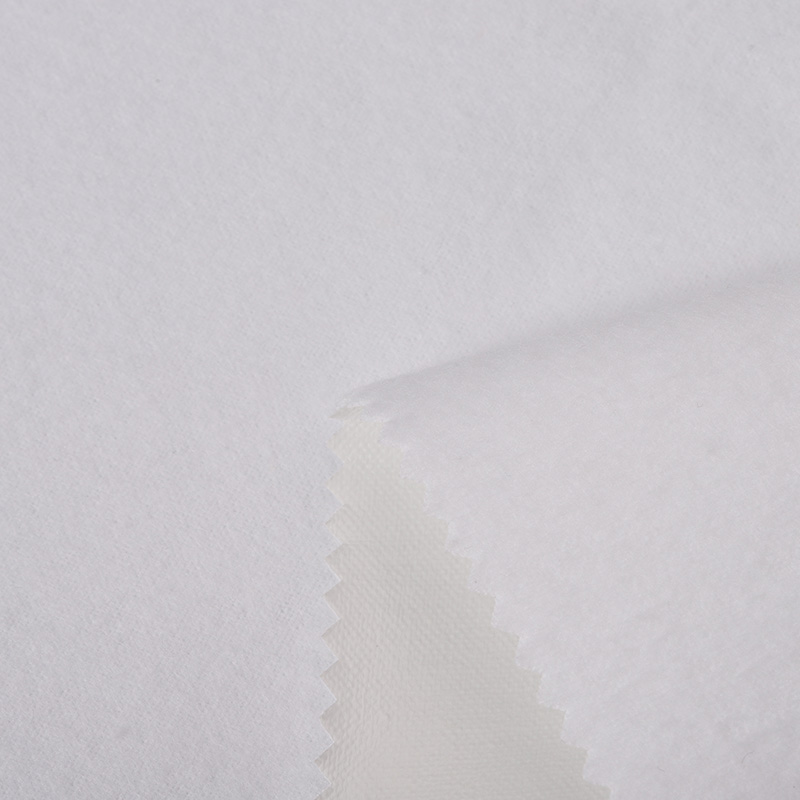
Then comes construction. A two-layer build bonds the membrane to the face fabric and protects it with a light backer, which keeps the jacket supple and affordable. A three-layer build adds a durable inner scrim, which is heavier but stands up to hard wear and needs no separate lining. Whichever you choose, plan for taped seams, a PFAS-free DWR on the face, and honest hydrostatic head testing before the first production run.
 Three-Layer TPU Softshell Fabric for Outdoor WearLaminated softshell with selectable face fabrics, linings and TPU membrane options, offering waterproof moisture-permeable performance for outdoor and functional apparel.View Product →
This is the part of the chain we work in every day: laminating and coating functional fabrics for outerwear, from membrane selection through to finished rolls, with quality checks at each stage. If your brief is still taking shape, the answers on our frequently asked questions page cover the details buyers usually ask first.
Troubleshooting: Common Waterproofing Problems
When a jacket starts letting you down, diagnose before you treat. Adding more product on top of an existing problem usually makes things worse.
| Symptom | Likely cause | What to do |
|---|---|---|
| Fabric darkens in patches | Repellent worn away by abrasion and oils | Clean, dry, then reapply spray-on DWR |
| Beading stops right after washing | Detergent residue left in the weave | Rewash with technical cleaner and reactivate with gentle heat |
| Shoulders and hood wet out first | Highest abrasion and pressure zones | Rewax or re-spray these areas generously |
| Water appears at stitch lines | Seam tape lifting or never applied | Press new tape or dab flexible sealant along the seam |
| Clammy feeling inside, no visible leak | Condensation rather than water ingress | Vent through pit zips and choose a more breathable membrane next time |
Putting It All Together
Waterproofing a canvas jacket comes down to a short, sensible sequence: work out what finish the jacket already has, clean it properly, then restore protection with wax or a modern repellent, and finish by checking the seams and entry points. Give the treatment time to settle, test it with a splash before you trust it in weather, and repeat at the start of each wet season.
Do that, and a well-made canvas jacket will keep earning its place on the hook by the door for a decade or more.