
 English
 CN
Content
- 1 The Short Answer: How Long a DWR Coating Lasts
- 2 Typical DWR Service Life by Use Pattern
- 3 What DWR Does — and What It Doesn't
- 4 Why a DWR Finish Wears Out Faster Than Expected
- 5 Is the Coating Gone, or Just Tired?
- 6 Cleaning and Re-Proofing: Another Season or Two
- 7 What Changed With PFAS-Free DWR
- 8 What Buyers Should Specify
Every waterproof jacket has a moment like this: you step out into a light drizzle, and instead of beading and rolling away, the water begins to darken the fabric and the shell starts to feel heavy and cold. Nothing has leaked through yet, but the surface has stopped repelling. That is almost always the DWR coating telling you it is on its way out — and the next question is how long it was ever meant to last.
We have been laminating and coating outdoor fabrics since 2013, so this comes up in nearly every conversation with garment teams. There is no single number, but there is a realistic range, and it depends far more on how a jacket is worn and washed than on the calendar.
The Short Answer: How Long a DWR Coating Lasts
Most factory-applied DWR finishes survive somewhere between 20 and 30 gentle home launderings. For a typical weekend wearer that works out to roughly one to two years of useful performance. Use the jacket harder and the timeline compresses fast: a shell worn four or five days a week in rain, with a pack on, can lose visible beading within three to six months. One that hangs in a closet and comes out a few times a season may hold its finish for three or four years, though heat and storage conditions still take a toll.
It helps to separate two ideas here. "Lasting" does not mean the garment stops being waterproof — the membrane or coating behind the face fabric keeps working long after the surface finish fades. What actually happens is that the face fabric wets out, water spreads into a film instead of beading, and the jacket feels cold and clammy because vapour can no longer escape through that layer of standing water.
The second point is more encouraging: a tired DWR is often restorable. Washing and a short tumble dry reactivate the finish surprisingly often, which is why a jacket that seems finished at year two usually has several seasons left in it.
Typical DWR Service Life by Use Pattern
The figures below are the ranges we see across outdoor apparel programmes. They assume correct washing with a technical detergent and no fabric softener.
| Use pattern | Visible wear-out | Approx. washes |
|---|---|---|
| Occasional wear, a few outings a year | 3–4 years | 25–30 |
| Regular weekend and commuting use | 12–24 months | 20–30 |
| Frequent trail use, 3–4 days a week | 6–12 months | 15–20 |
| Daily professional or field use with a pack | 3–6 months | 10–15 |
What DWR Does — and What It Doesn't
DWR stands for durable water repellent. It is a surface finish, usually a fluorine-free (C0) polymer these days, applied to the face fabric during textile finishing. Its job is to lower the surface energy of the fibres so a droplet sits up and rolls away rather than soaking in.
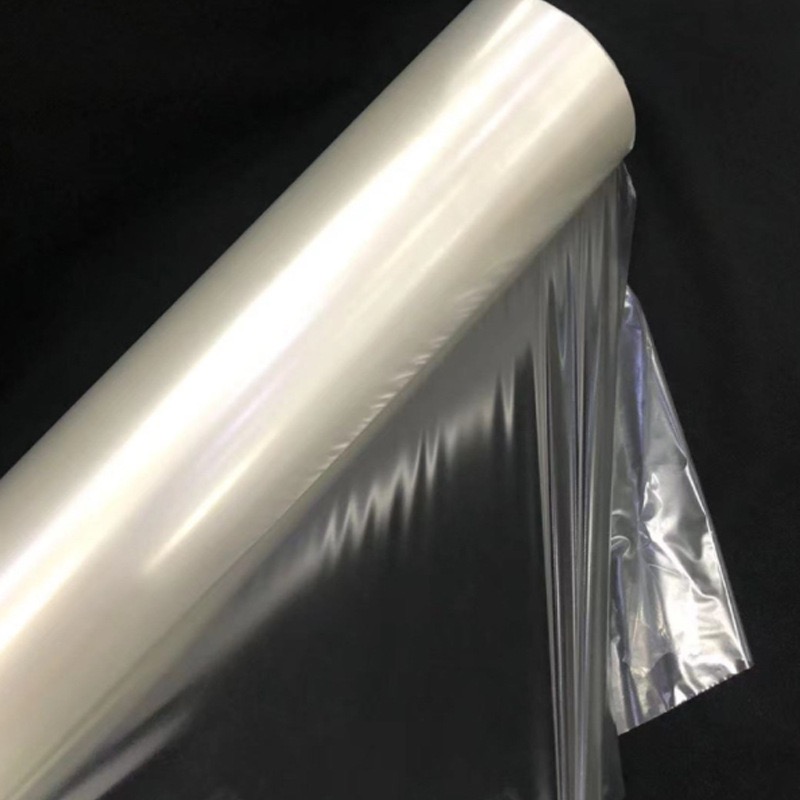
It does not keep water out under pressure. That is the work of the functional layer: a TPU, PU, PTFE or TPEE membrane laminated to the reverse of the fabric, or a direct coating, combined with taped seams. Keeping the two roles separate makes fault-finding much easier — if water beads on the surface but seeps through at the shoulder seams, you have a seam-sealing issue, not a DWR failure.
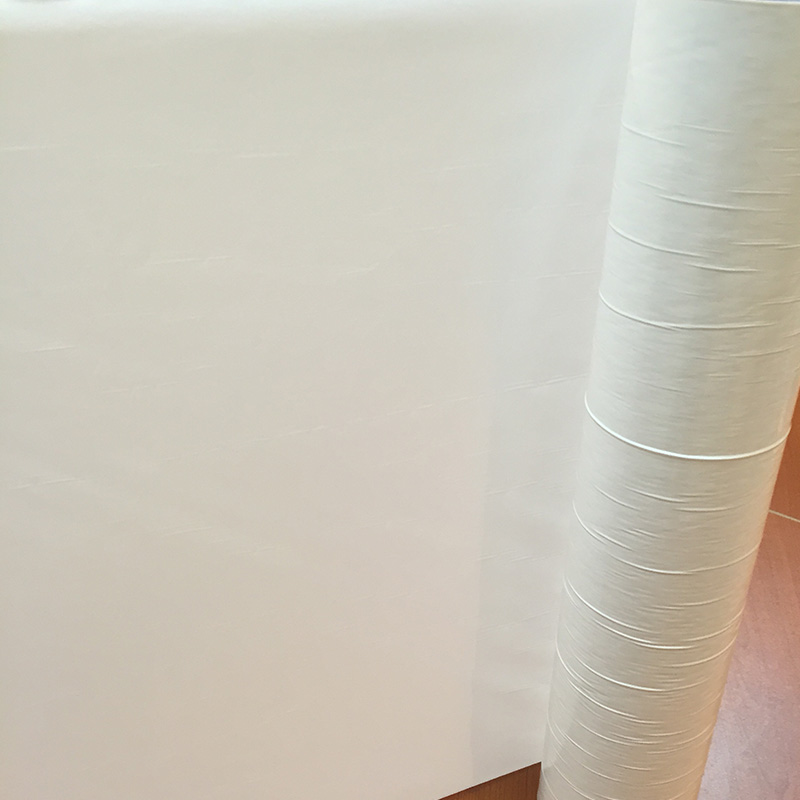 Waterproof Breathable Membrane Series for Functional LaminatesCompare TPU, PU, PTFE and TPEE membranes, including blackout options, breathability grades, widths and waterproof ratings for laminated textile constructions.View Product →
Why a DWR Finish Wears Out Faster Than Expected
Finishes rarely fail on a neat schedule. A handful of forces do most of the damage, and most of them are mechanical or chemical rather than simply a matter of time.
- Abrasion. Shoulders under pack straps, cuffs, forearms, knees and seat are always the first places to stop beading.
- Dirt, sweat and oils. Sunscreen, body oils and trail dust sit on the fibre surface and attract water. A large share of "dead" DWR is simply a dirty jacket.
- Detergent residue and softener. Surfactants are formulated to make water spread, which is the opposite of what you want; fabric softener can kill beading in a single wash.
- Washing habits. Very hot water, long agitation cycles and high spin speeds all strip finish, as does drying on a radiator.
- Fabric construction. Tight filament weaves hold a finish far better than loose, brushed or peached surfaces, where fibres abrade quickly.
- The finish itself. Add-on level, curing temperature and chemistry all matter. Two fabrics with the same initial spray rating can behave very differently after 20 washes.
Is the Coating Gone, or Just Tired?
Before reproofing, it helps to know what you are dealing with. In the lab, repellency is measured with a spray test — AATCC 22 or ISO 4920 — where water is sprayed onto the fabric and graded from 0 to 5. Grade 4 and above means good beading; grade 1 or 2 means the surface is holding water.
At home, splash a little water on the shoulder or sleeve. If it beads and rolls, the finish is working. If it spreads and darkens within seconds, wash and dry the garment first, then test again — many jackets come back to life at that stage with no added product. For a closer look at the mechanics, our article on how durable water repellent works and wears out covers the degradation process in detail.
Cleaning and Re-Proofing: Another Season or Two
Reproof roughly every 10 to 15 washes, or as soon as beading stops.
- Brush off loose dirt and close all zips and flaps.
- Wash on a gentle warm cycle with a technical detergent — no softener, no bleach, no enzyme-heavy powder.
- Run an extra rinse if the machine allows, to clear surfactant residue.
- Tumble dry on low for 15–20 minutes; gentle heat re-orients the polymer and often restores beading on its own.
- If beading still fails once cool, apply a spray-on or wash-in DWR, concentrating on shoulders, cuffs and knees.
- Cure as directed, then re-test with a splash of water.
Two cautions: over-application builds a stiff film that dulls hand-feel and cuts breathability, and wash-in products treat the lining as well as the shell, which some wearers notice as a slight loss of comfort.
What Changed With PFAS-Free DWR
Fluorocarbon chemistry gave the best oil and water repellency and the longest abrasion life. Regulatory pressure has moved the industry towards C0, PFAS-free alternatives based on silicone, wax or polyurethane. Modern C0 finishes perform well against rain and snow, but they generally show slightly lower durability against oils and rubbing. In practice that means a shorter interval between re-treatments, and a stronger case for judging a fabric on wash-durability data rather than its initial spray rating alone.
What Buyers Should Specify
If the DWR forms part of your performance claim, ask for three things: the initial spray rating, the rating after a defined number of home launderings — 20 or 30 is common for outdoor apparel — and the test method behind both. A fabric that starts at grade 5 and still holds grade 3 after 20 washes is a very different proposition from one that starts at grade 4 and falls to grade 1.
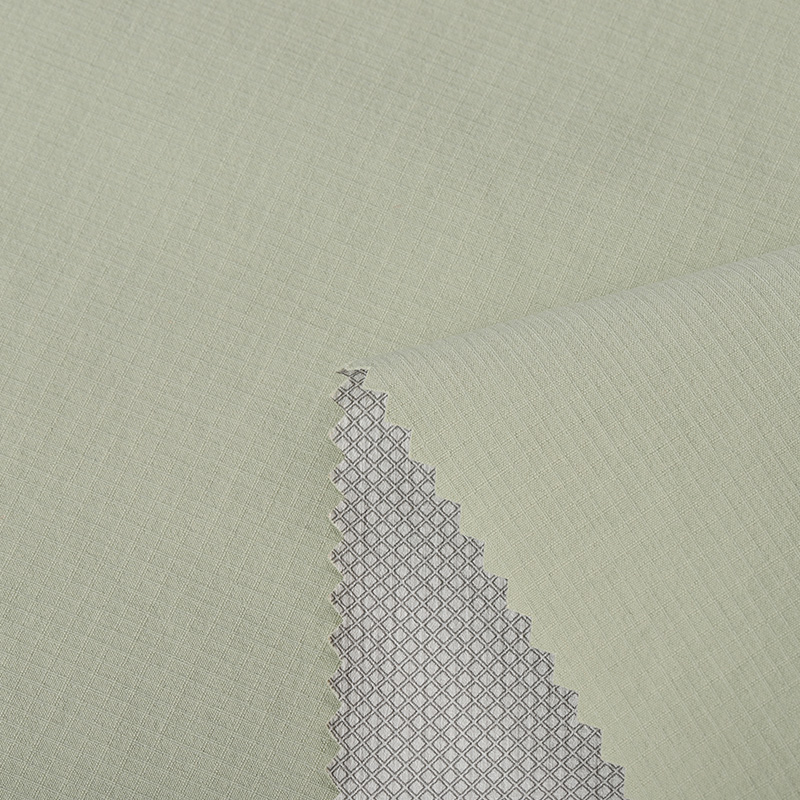
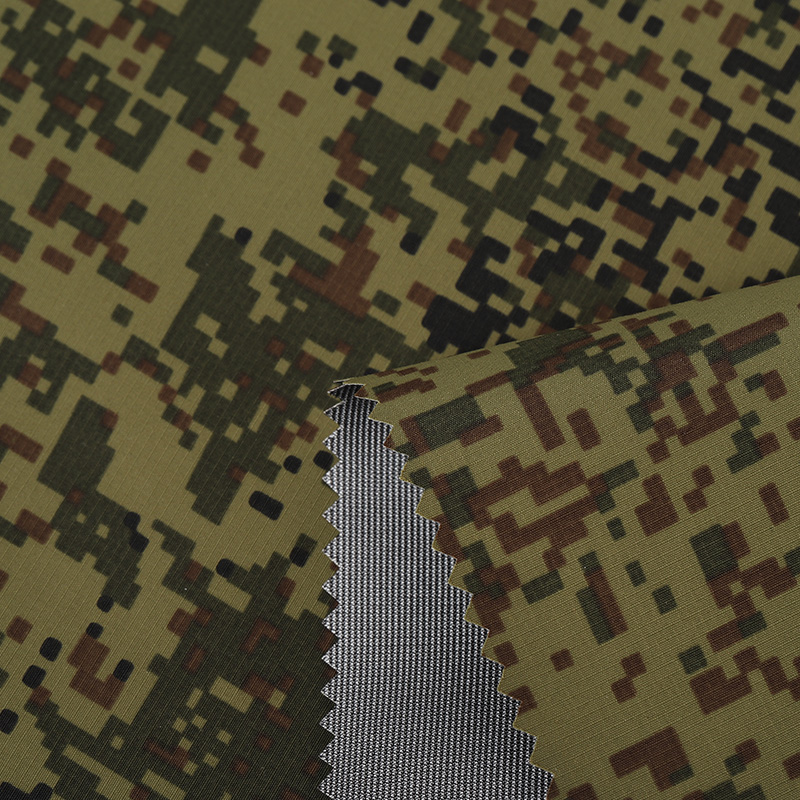
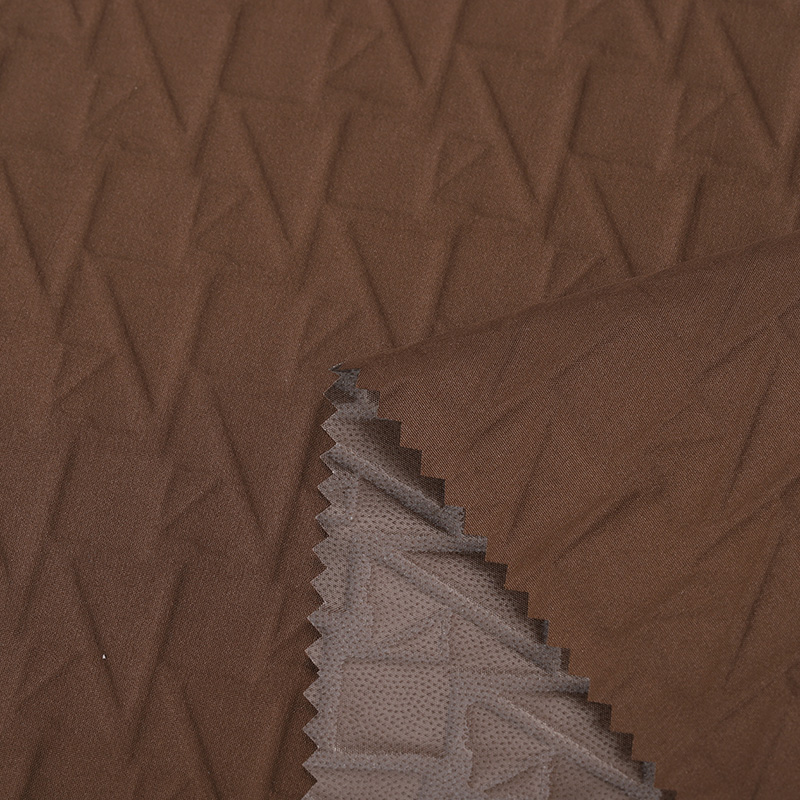
The construction underneath matters just as much. A three-layer laminate bonds the membrane to a protective backer, so the face fabric absorbs most of the abrasion while the membrane stays shielded.
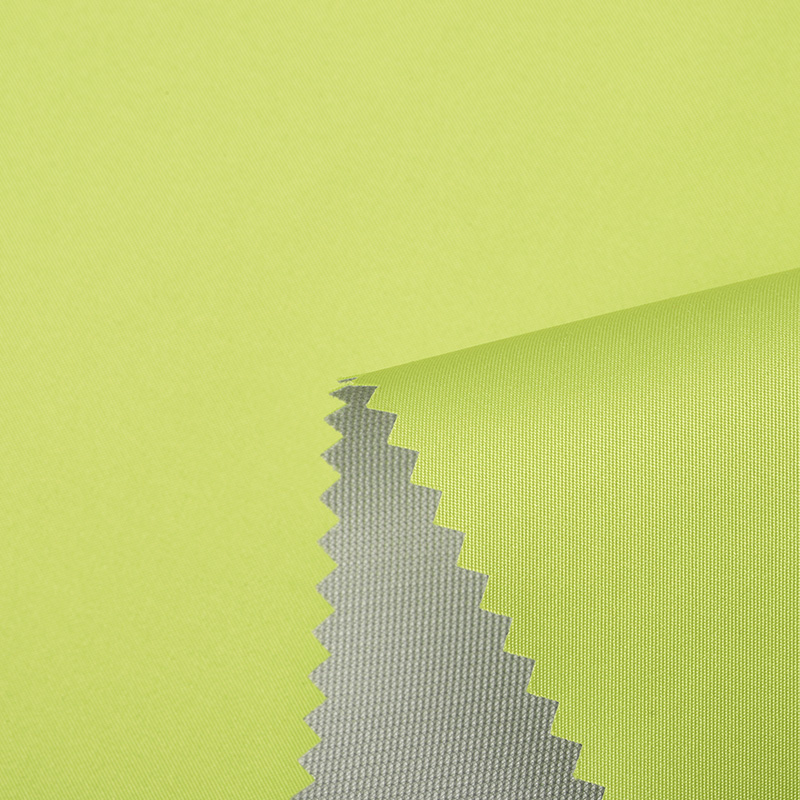 Three-Layer Softshell TPU Laminated Outdoor FabricA three-layer TPU laminate with selectable face fabrics, backers and membrane specs, suited to outdoor apparel where abrasion protection and waterproof breathability matter.View Product →
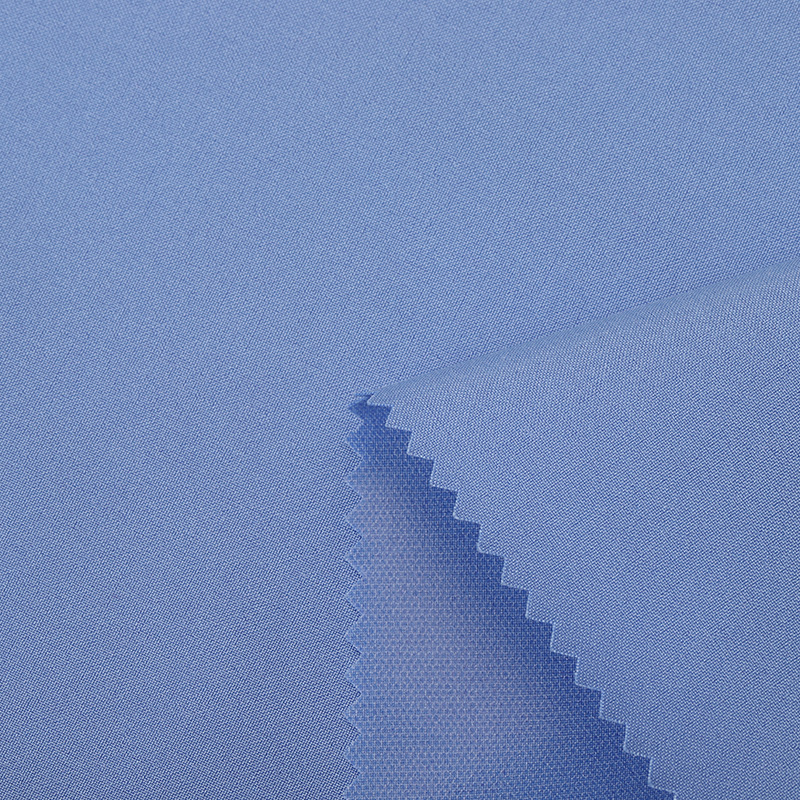
A two-layer build is lighter and more pliable, and relies on a loose lining for comfort; it suits softer styling where abrasion is less concentrated.
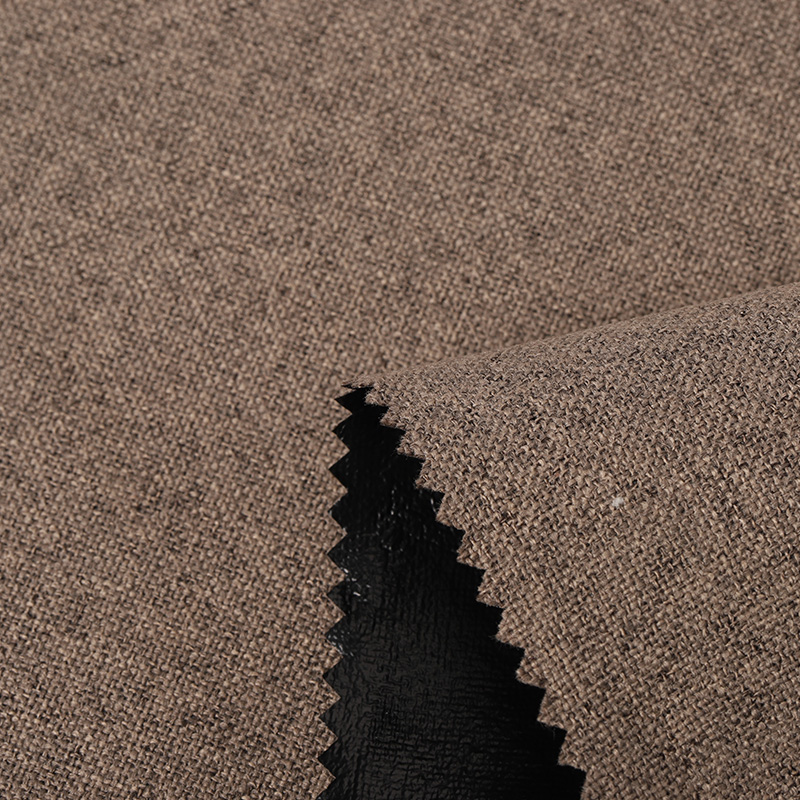 Two-Layer Waterproof Breathable Outdoor Functional FabricA lighter two-layer laminate with configurable base fabrics, membranes and waterproof breathability ratings, useful for softer outdoor styles with less concentrated abrasion.View Product →
Either way, match the specification to the end use. A commuting shell and a mountaineering jacket should not be held to the same wash-durability standard.
So how long does a DWR coating last? Long enough, if you treat it as a wear part rather than a permanent feature — roughly one to two years of regular use, less under heavy abrasion, more if the jacket is washed properly and given a little warmth now and then. The finish will fade; the waterproof layer behind it usually will not. Once you know which of the two you are dealing with, the fix is often a wash cycle rather than a new jacket.
If you are specifying DWR performance for an upcoming range, or want the wash-durability figures behind a particular fabric, our team is glad to share test data and construction options. The FAQ covers the questions that come up most often.