
 English
 CN
Content
- 1 What PFAS Actually Means Inside a Waterproof Jacket
- 2 Why the Whole Industry Is Moving, and How Fast
- 3 The Alternatives: ePE, TPU, TPEE and PU
- 4 The Trade-Off Nobody Mentions in the PFAS Conversation
- 5 Choose a Construction, Not Just a Chemistry
- 6 Where Scrutiny Is Highest: Children's, Medical and Home Textiles
- 7 Where We Fit in This Transition
- 8 Practical Next Steps
If you typed "gortex pfas" into a search bar, you are probably in one of two positions: you have a customer asking whether your jacket programme contains "forever chemicals", or you have a development brief on your desk that says PFAS-free and you need to know what that actually costs in performance. Both are practical, commercial questions, and neither is answered well by headlines.
We laminate and coat waterproof fabrics for a living, and this is one of the questions our customers bring to us most often. Here is how we talk through it with brand owners, sourcing managers and product developers, without the marketing gloss.
What PFAS Actually Means Inside a Waterproof Jacket
PFAS stands for per- and polyfluoroalkyl substances, a family of thousands of chemicals defined by carbon-fluorine bonds. That definition is broad on purpose, and it is why the conversation gets confusing: in a single waterproof shell, PFAS can appear in two completely different places, performing two completely different jobs.
The first is the membrane. The best-known breathable waterproof membrane on the market is made from expanded PTFE — polytetrafluoroethylene, a fluoropolymer, which sits inside the PFAS family by chemistry. Its performance comes from a microstructure of nodes and fibrils that blocks liquid water while letting vapour through. You cannot describe that membrane as PFAS-free without stretching the definition.
The second is the durable water repellent, or DWR, on the face fabric. Long-chain C8 fluorotelomer chemistry was largely phased out of outdoor textiles by the mid-2010s, replaced by shorter C6 chemistry — which is still fluorinated — and increasingly by C0, non-fluorinated alternatives. So when someone asks "is this jacket PFAS-free?", the honest answer usually needs two parts: which membrane, and which finish.
Why the Whole Industry Is Moving, and How Fast
Three pressures are pushing in the same direction. The first is regulation: the EU's universal PFAS restriction proposal is working through the ECHA committee process, and several US states have already written PFAS prohibitions for textile articles into law, with different scope and different dates. California's textile rule began applying in 2025, with a later deadline for outdoor apparel intended for severe wet conditions. The second is retail: brand commitments and restricted substance lists often move faster than legislation, and they cascade down to fabric suppliers as declarations and test reports. The third is recycling, where fluorinated components complicate end-of-life streams.
The important nuance for buyers is that these timelines are not uniform. Medical, protective and some industrial textiles frequently sit under exemptions, and "textile article" is defined differently from market to market. Anyone who tells you there is one global deadline is simplifying.
The Alternatives: ePE, TPU, TPEE and PU
Non-fluorinated options are no longer theoretical. Expanded polyethylene membranes, usually shortened to ePE, replace the fluoropolymer with a non-fluorinated polymer while keeping a microporous structure. Thermoplastic polyurethane, TPU, has been used in waterproof laminates for decades. TPEE, a thermoplastic polyester elastomer, offers high moisture vapour transmission for breathable films. And classic PU coatings remain the workhorse for rainwear, bags and tents where hydrostatic head matters more than breathability.
Each route involves a genuine trade-off rather than a free upgrade, and the table below is roughly how we frame it when a customer is choosing.
| Chemistry | Fluorine content | Breathability | Strength-to-weight | Common end uses |
|---|---|---|---|---|
| ePTFE (PTFE) | Fluoropolymer | Very high | Excellent | Premium shells, expedition wear |
| ePE | None | High | Very good | Premium outdoor shells |
| TPU film | None | Moderate to high | Good | Mid-market shells, children's wear, medical, home textile |
| TPEE film | None | High | Good | Active outdoor shells, breathable laminates |
| PU coating | None | Lower | Not applicable | Rainwear, bags, tents, budget programmes |
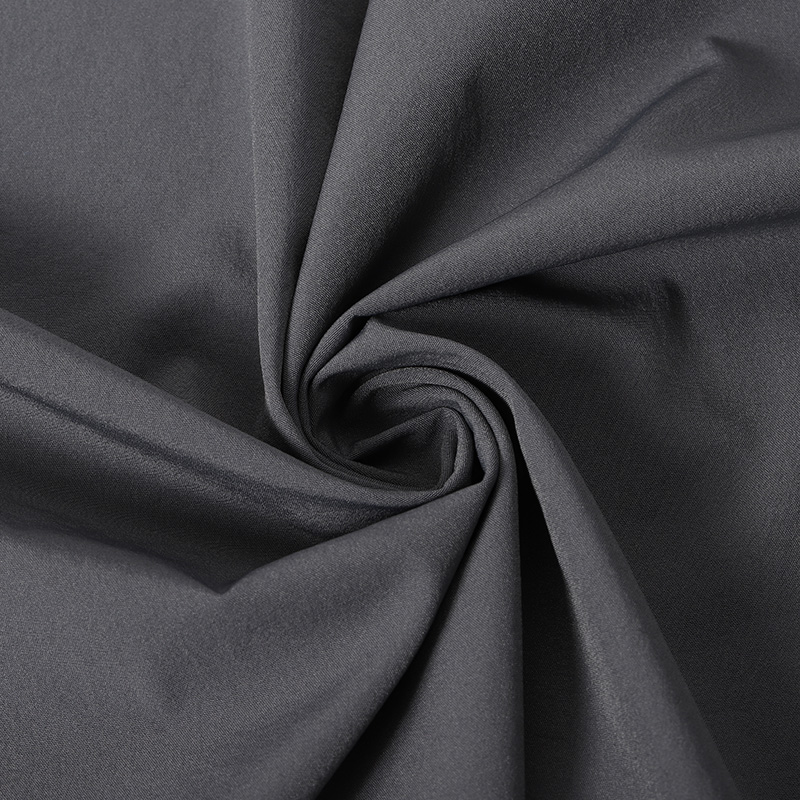
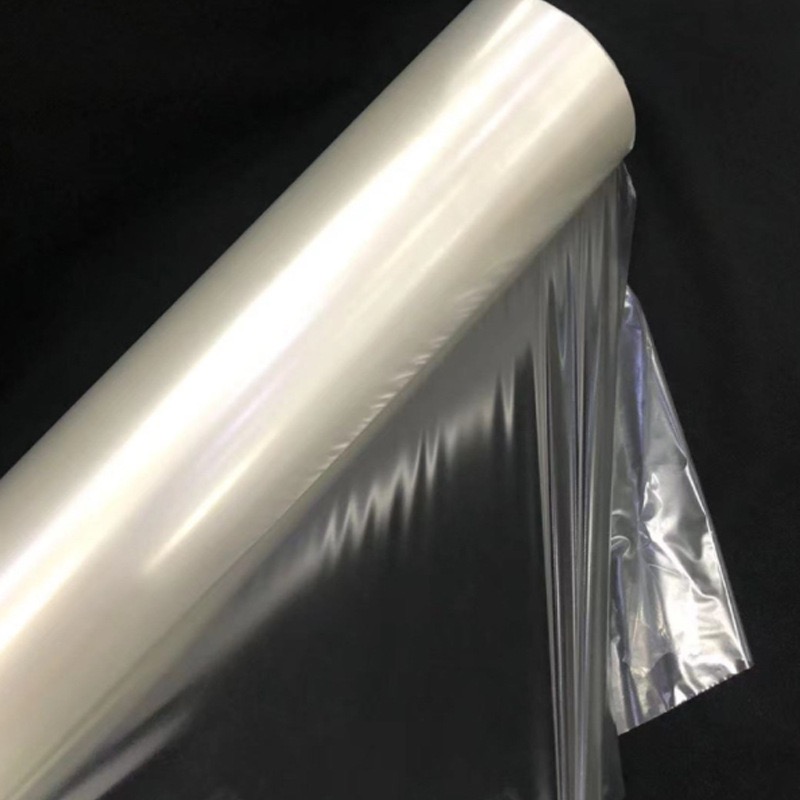
 Waterproof Breathable TPU PU PTFE TPEE Membrane RangeCompare membrane types, breathability, thickness and blackout options before selecting laminates, since final performance also depends on adhesive, face fabric and DWR.View Product →
In practice, the membrane choice is only half the decision. Film thickness, the adhesive used in lamination, the face fabric and the DWR all feed into the final numbers you quote to your customer.
The Trade-Off Nobody Mentions in the PFAS Conversation
Most of the disappointment with PFAS-free outerwear has nothing to do with the membrane. It happens at the surface, where a non-fluorinated DWR has to repel water and oil without fluorine's extremely low surface energy. Fluorinated finishes shed oil and dirt more readily; C0 alternatives are typically weaker against oils and need more frequent renewal. The result is a jacket that is still waterproof — the membrane holds — but the face fabric wets out, feels cold and heavy, and appears to have "failed".
That is why we encourage buyers to look at test data rather than claims: hydrostatic head before and after washing, spray rating after abrasion, and moisture vapour transmission on the finished laminate rather than the film alone. Our own notes on C0 DWR and PFAS-free water repellency cover the practical details of how these finishes wear and how to specify them.
Choose a Construction, Not Just a Chemistry
A two-layer laminate bonds the membrane to a face fabric and protects it with a separate lining; a three-layer laminate sandwiches the membrane between face and backer in one piece of goods. For PFAS-free programmes, three-layer construction is often the safer bet, because the membrane is mechanically protected and no separate lining can shift or trap moisture. It also lets you keep the DWR as a secondary barrier rather than the primary one, which reduces the visible impact of a weaker finish.
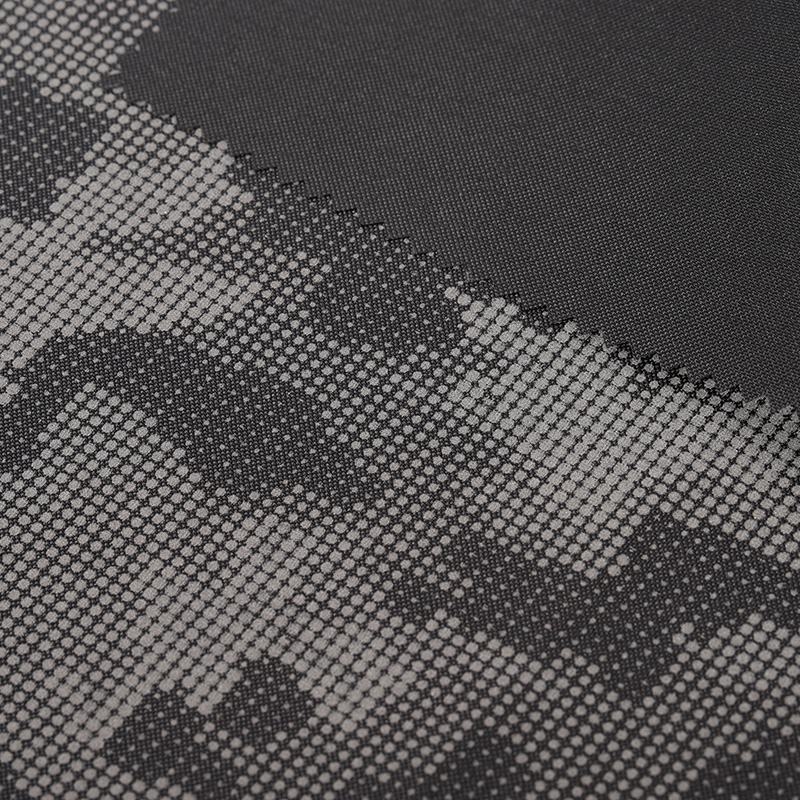
 Three-Layer Softshell Waterproof TPU Laminate FabricReview face and lining options, membrane breathability and waterproof ratings for three-layer softshell constructions suited to outdoor and protective apparel.View Product →
Do not forget the components. Zippers, seam tape, prints, patches and adhesives can all carry fluorinated chemistry, and a growing number of restricted substance lists assess the whole article rather than just the shell fabric.
Where Scrutiny Is Highest: Children's, Medical and Home Textiles
Apparel gets the headlines, but the toughest questions usually arrive in other categories. Anything worn against skin for long periods, chewed by a toddler, or used in a medical setting attracts closer review, and buyers in those segments tend to ask for material-level declarations rather than fabric-level statements. Non-fluorinated TPU and TPEE films are common choices here: they laminate cleanly to lightweight knits, stay soft, and avoid the fluoropolymer question entirely.
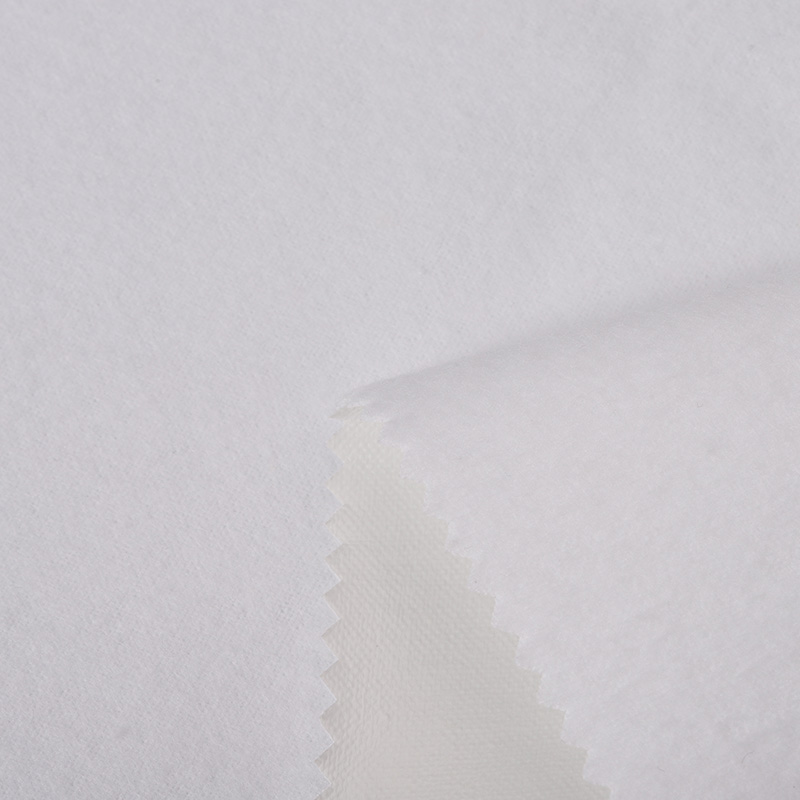
 Cotton TPU TPEE Waterproof Mattress Protection FabricFor mattress and bedding protection, this soft two-layer fabric pairs cotton faces with TPU or TPEE membranes and supports repeated washing.View Product →
For diapers, bibs and reusable absorbent products, we would also look at wash durability and skin-contact testing at the same time as the chemistry, because a finish that migrates or degrades after thirty washes is a different kind of compliance risk.
Where We Fit in This Transition
We have been laminating functional fabrics since 2013 and running PUR lamination lines for fifteen years, with twenty machines and a daily capacity of around 200,000 metres. That means we can speak to both sides of this shift honestly. We hold TPU, PU, PTFE and TPEE membranes in stock, so we still supply ePTFE laminates to customers whose specifications and markets permit fluoropolymers — and we will say so plainly. For programmes that require a non-fluorinated route, we laminate TPU and TPEE films, work with GRS-certified recycled substrates and bio-based options, and finish with the DWR chemistry our customers specify.
What we will not do is promise that swapping a membrane solves everything. The useful conversation is about the whole bill of materials, the target market's rules, and the test evidence you can put in front of your buyer.
Practical Next Steps
If you are preparing a PFAS-free range, start by asking every supplier for a written, material-level declaration, third-party test data on total organic fluorine, the identity of the DWR chemistry, and details of how cross-contamination is controlled on shared lamination lines. Ask for lot-level documentation rather than a single golden sample, and keep retention samples for the life of the programme.
If it would help to work through this against a specific fabric construction, talk to our team — we are happy to share what we have learned from the orders we have already run.