
 English
 CN
CNContent
If you source outdoor fabrics, you have probably seen “C0 DWR” appear on more spec sheets. At Wujiang Fuhuang Textile, we have produced functional waterproof fabrics since 2013, and buyer questions have changed. The discussion is no longer only about hydrostatic head and colorfastness. It is also about whether a finish is PFAS-free, how it performs after repeated washing, and whether it can be applied without compromising the membrane underneath.
C0 DWR is a durable water-repellent finish with no fluorocarbon chemistry. It is not a waterproof membrane, and it is not a permanent coating. It is a surface treatment that helps rain bead up and roll off the face fabric while the membrane beneath blocks liquid water. When that balance is right, the garment feels dry, breathes better, and stays comfortable in real weather.
What Exactly Does C0 DWR Mean?
DWR means durable water repellent. The “C0” refers to zero fluorocarbon content. Older finishes are often described as C6 or C8, referring to the length of the fluorocarbon chain. C0 finishes replace those chains with fluorine-free alternatives such as silicone, paraffin, polyurethane hybrids, or other engineered polymers.
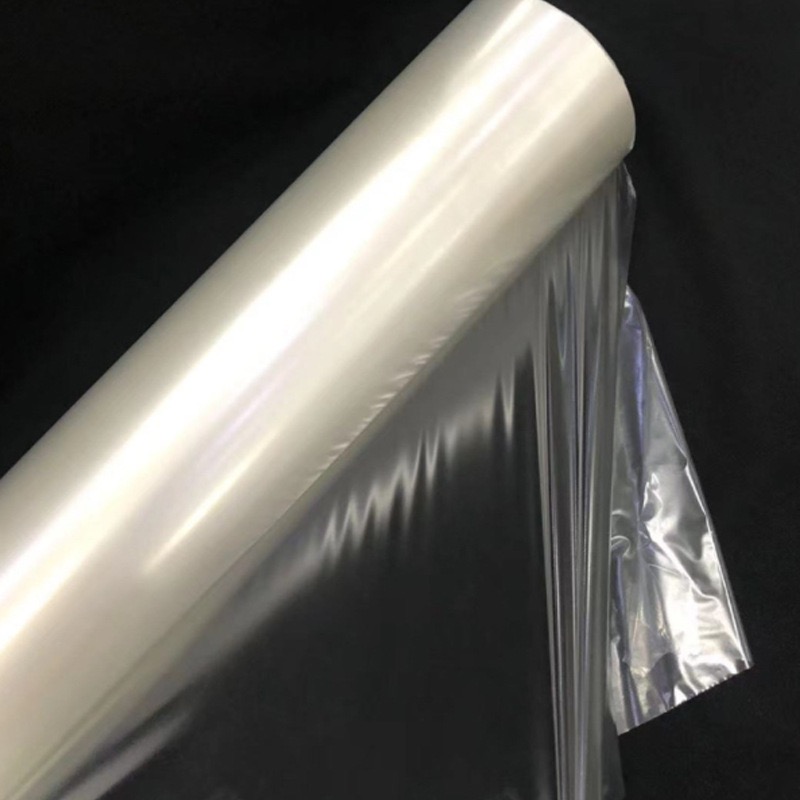
These finishes lower the surface energy of the fabric. Instead of spreading into the yarn, a water droplet sits on the surface and rolls away. That is water repellency. It is different from waterproofness. A C0 DWR finish will not stop water from passing through fabric under pressure. A TPU, PU, PTFE, or TPEE membrane, a coating, or a tightly woven construction does that job. In a laminated shell, the DWR protects the face fabric, and the membrane provides the waterproof barrier.
C0, C6, and C8 in Plain Terms
| Finish | Chemistry | Water Repellency | Oil Repellency | Wash Durability | Regulatory Outlook |
|---|---|---|---|---|---|
| C0 | Fluorine-free silicone, paraffin, or PU hybrid | Good initial beading; can be heat reactivated | Low to moderate | Moderate; improves with crosslinkers and proper curing | PFAS-free; aligns with ZDHC, bluesign, and EU restrictions |
| C6 | Short-chain fluorocarbon | Very good | Good | Good | Under increasing regulatory pressure |
| C8 | Long-chain fluorocarbon | Excellent | Excellent | Excellent | Restricted under POPs and REACH; largely phased out |
C0 DWR is the preferred route for brands moving away from PFAS chemistry. It is not an exact equal for C8 in every category, especially oil repellency. That is why testing and realistic care instructions matter.
C0 DWR vs. Waterproof Membranes: Different Jobs, One Fabric
The DWR finish is normally applied to the face side of the outer fabric during finishing, often by padding. The back side is left ready for lamination or coating. When a membrane is involved, the finishing order and chemistry must be agreed between the fabric mill, the laminator, and the brand. A common issue is specifying C0 DWR and a membrane without clarifying which side is treated, how much heat the finish needs, and whether the recipe is compatible with the adhesive.
In our factory, we run PUR lamination on 20 machines and keep TPU, PU, PTFE, and TPEE membranes in stock. We also work with solvent-free, DM-free lamination processes, which many brands now request for cleaner production. You can read more about that shift in our note on solvent-free lamination.
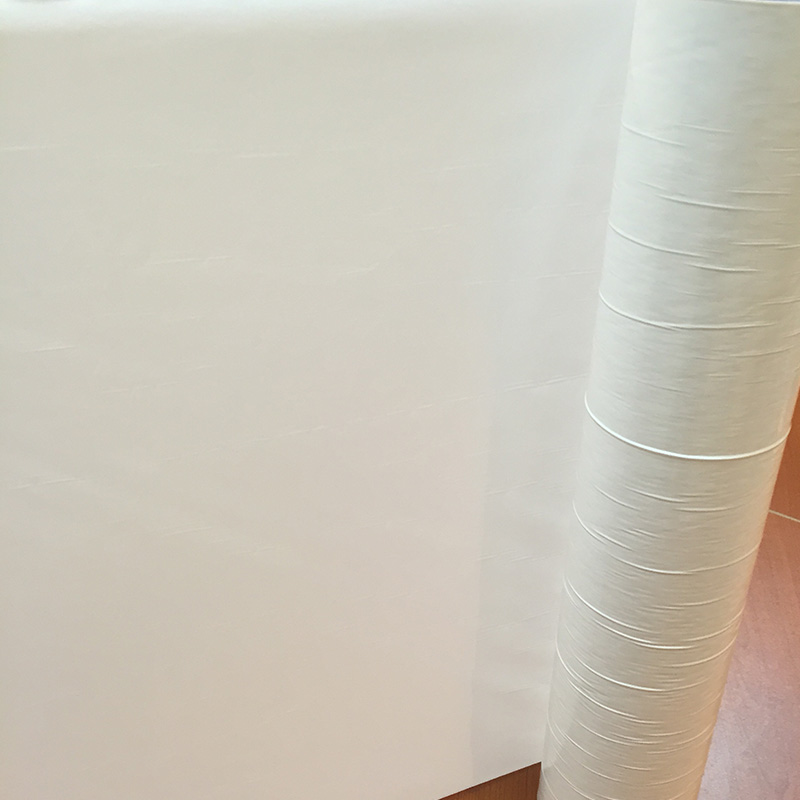 TPU/PU/PTFE/TPEE Blackout Membrane ManufacturersTwo Layers Outdoor Functional Waterproof Fabric (16)View Product →
For C0 DWR programs, the membrane is still the waterproof engine. C0 DWR keeps the outer surface from wetting out, which helps maintain breathability and comfort. If the face fabric wets out, the membrane may still block rain, but the garment can feel clammy and heavy. A good C0 DWR finish is part of the comfort system, not a decorative extra.
How C0 DWR Performs in Real Wear and Testing
When buyers ask whether a C0 DWR finish is “good enough,” we recommend testing the actual use case rather than comparing marketing claims. A C0 finish can achieve strong initial spray ratings, but its oil repellency is usually lower than C6 or C8. For rain, snow, and general outdoor exposure, that trade-off is often acceptable. For workwear exposed to oil, grease, or certain food stains, C0 alone may not be the best choice.
Useful Tests for C0 DWR Evaluation
- AATCC 22 or ISO 4920 spray rating: how well water beads and rolls off.
- AATCC 193 oil repellency: resistance to oily liquids; C0 typically scores lower.
- ISO 811 hydrostatic head: measures the waterproof barrier, not the DWR alone.
- Moisture vapor transmission tests: confirm the laminate still breathes.
- Home laundry cycles: track spray rating after 5, 10, or 20 washes.
We suggest setting a wash-durability target at the start of the project, not at the end. If a brand needs spray rating 80 after 20 home launderings, the fabric, finish recipe, curing conditions, and care label all need to support that goal. C0 chemistry can meet demanding targets, but it is less forgiving than older fluorocarbon systems if the process is not controlled.
Specifying C0 DWR for 2-Layer and 3-Layer Fabrics
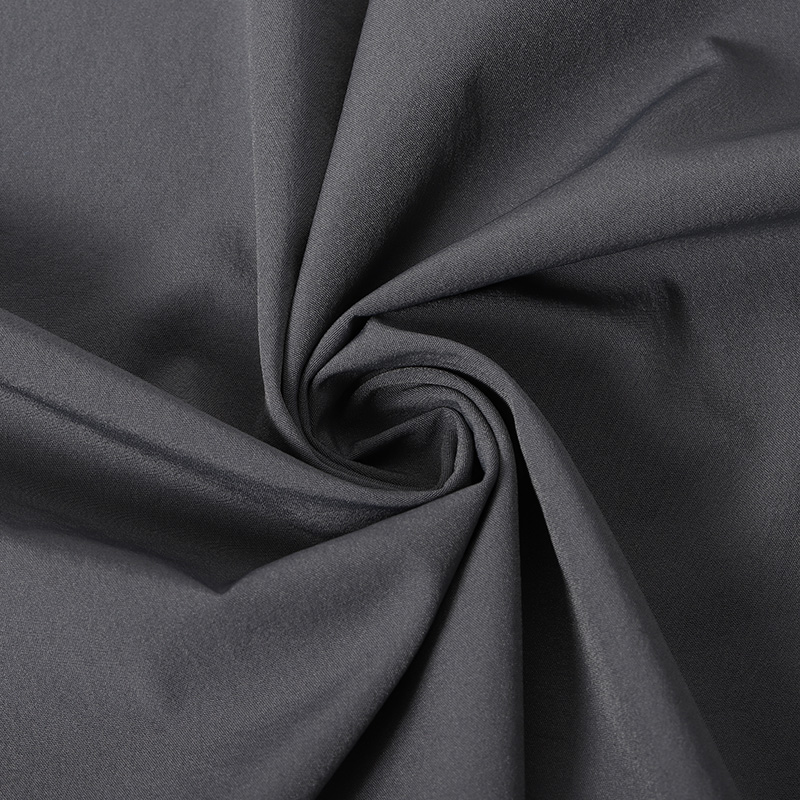
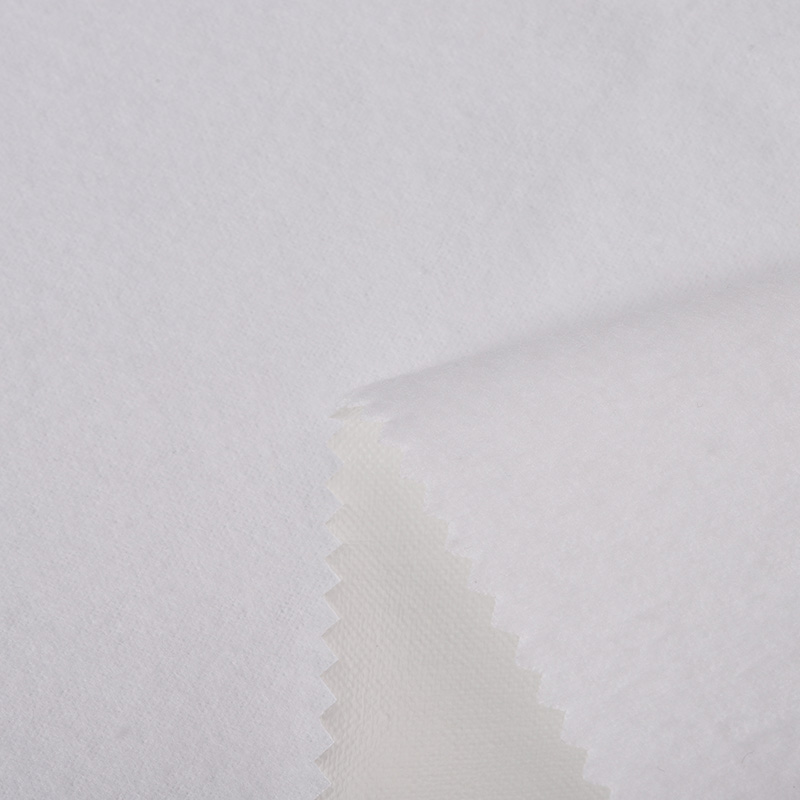
For a 2-layer fabric, the membrane is laminated to the back of the face fabric and protected by a separate lining. For a 3-layer fabric, a thin tricot or mesh backer is bonded to the membrane, creating a stable composite. The C0 DWR is applied to the face fabric, while the membrane and backer are selected for waterproofness, breathability, and next-to-skin comfort.
Our three-layer outdoor functional waterproof fabric is built for this format. It can be paired with a C0 DWR face finish and a membrane that matches the target hydrostatic head and breathability. For buyers who need a practical starting point, it is a strong base for shell jackets, ski wear, and technical outerwear.
 3 Layers Film Softshell Outdoor Waterproof Tpu Fabrics ManufacturersTwo Layers Outdoor Functional Waterproof Fabric (16)View Product →
What to Put in Your C0 DWR Specification
- Face fabric: fiber content, weave, weight, colorfastness, and hand feel.
- DWR finish: C0 chemistry, target spray rating, wash cycles, and oil repellency if required.
- Membrane: TPU, PU, PTFE, or TPEE, with hydrostatic head and breathability targets.
- Construction: 2-layer or 3-layer, backer type, adhesive, and lamination method.
- Testing: spray rating, hydrostatic head, MVTR, adhesion, and wash durability.
- Compliance: PFAS-free declaration, ZDHC MRSL, bluesign, GRS, or other buyer requirements.
- Care: washing temperature, drying method, and heat reactivation guidance.
Clear specifications reduce sampling rounds and help avoid the classic problem of a beautiful hand feel that fails after the first wash. C0 DWR is a strong fit for outdoor jackets, rainwear, down jacket shells, bags, tents, and children’s outerwear where PFAS-free chemistry is a priority.
Care Labels and Re-DWR: Help Your End Users
A C0 DWR finish will lose some performance over time, as every DWR does. C0 finishes often respond well to heat reactivation. A gentle wash with technical detergent, followed by a low tumble dry or low iron if the care label allows, can restore water beading. Fabric softener, bleach, and high heat should be avoided. A simple care label that says “wash with technical detergent, do not use softener, tumble dry low to reactivate DWR” helps customers maintain performance and reduces returns. For heavy use, a spray-on or wash-in DWR product can top up the finish.
Why Buyers Work With Us on C0 DWR Projects
Wujiang Fuhuang Textile has focused on functional waterproof fabrics since 2013, building on a company foundation that began in 2010. We have 15 years of experience in lamination and coating, 20 PUR lamination machines, and a daily capacity of 200,000 meters. We keep TPU, PU, PTFE, and TPEE membranes in stock and produce outdoor functional waterproof fabrics, 3D channel down jacket fabrics, membrane materials, and specialty composites for apparel, bags, tents, home textiles, and medical applications.
We also offer GRS recycled and bio-based waterproof lamination options. If your program combines water repellency with warmth, our aerogel functional waterproof fabric in 2-layer and 3-layer constructions is worth reviewing for insulated outerwear and cold-weather gear.
 2&3 Layers Aerogel Functional Waterproof Fabrics ManufacturersTwo Layers Outdoor Functional Waterproof Fabric (16)View Product →
C0 DWR is a team effort involving the fiber, weave, finishing recipe, membrane, adhesive, and care label. Share your target spray rating, wash cycles, hydrostatic head, breathability, and hand feel, and we can recommend a practical construction and send samples for evaluation. That is the fastest path to a fabric that performs in the real world.