
 English
 CN
CNContent
- 1 What the 20k/20k Rating Actually Measures
- 2 How 20k/20k Is Tested, and Where the Numbers Mislead
- 3 The Membrane and the Bond: Where 20k/20k Is Won or Lost
- 4 2-Layer, 3-Layer and 2.5-Layer Builds Compared
- 5 Matching the Build to the End Product
- 6 Specifying a 20k/20k Fabric: A Practical Checklist
- 7 Looking After a 20k/20k Garment
Ask five product developers what 20k/20k waterproof means and you will get three answers that agree on the headline and disagree on the details. That is normal. The rating compresses a long chain of decisions, the film, the adhesive, the face fabric, the backer and the seam tape, into two numbers, and two fabrics carrying the same label can behave very differently on a wet mountain.
Wujiang Fuhuang Textile has been laminating and coating functional fabrics in Suzhou for more than a decade, and 20k/20k work has become a routine part of our production. In this article we walk through what the two numbers actually measure, how they are tested, which membrane and lamination choices make them real, and what to write into a specification so the roll you receive performs the way the data sheet promises.
What the 20k/20k Rating Actually Measures
The first number is waterproofness, expressed as a water column. A fabric sample is clamped in a test cell and water pressure is applied from below until droplets appear on the other side. The pressure at that moment, converted into millimetres of water, becomes the rating. A 20k result means the fabric held back a 20,000 mm column, roughly 66 feet of standing water, before any leakage began. ISO 811, AATCC 127 and JIS L 1092 all describe the same physical idea with slightly different procedures.
The second number is breathability, or moisture vapour transmission. Here the fabric must let water vapour escape from the inside while keeping liquid water out. Most mills report the result in grams of vapour per square metre over 24 hours, so 20k means 20,000 g/m2/24h. The usual methods are JIS L 1099 (cups B1 and B2), ASTM E96 BW and ISO 15496. European brands often quote RET under ISO 11092 instead, where a lower figure is better and a 20k MVTR fabric typically lands between RET 4 and RET 6.
Taken together, 20k/20k is the point at which outerwear stops asking the wearer to compromise. Below it, you are usually trading comfort for protection, or the other way round.
| Rating | Water column | Breathability | Conditions it suits |
|---|---|---|---|
| 5k/5k | 5,000 mm | 5,000 g/m2/24h | Light urban rainwear and casual ponchos for short exposure |
| 10k/10k | 10,000 mm | 10,000 g/m2/24h | Everyday rain jackets, commuting and gentle day hikes |
| 15k/15k | 15,000 mm | 15,000 g/m2/24h | General hiking, trekking and resort skiing in mixed weather |
| 20k/20k | 20,000 mm | 20,000 g/m2/24h | Long rain, wet snow, backcountry skiing, mountaineering and marine use |
| 25k and above | 25,000 mm and above | 25,000 g/m2/24h and above | Expedition and professional gear for extreme, sustained wet conditions |
How 20k/20k Is Tested, and Where the Numbers Mislead
Every figure on a data sheet comes from a specific method, and methods are not interchangeable. A cup test run upright (B1) and the same fabric tested with an inverted cup (B2) will not produce the same breathability number, even though both are valid. Water column results move in the same way: a sample tested after five home launderings tells a different story from one taken straight off the lamination line.
There is also a gap between the fabric and the garment. A 20k/20k laminate is only half of the final performance. Untaped seams, zips without a water-resistant finish and a tired DWR on the face fabric will all let water in long before the membrane is defeated. That is why we recommend testing the finished sample, not just the roll.
When you compare suppliers, ask for the test standard, the test conditions and the third-party laboratory report. If you would like a buyer-level walkthrough, our technical team has published a practical guide on how to evaluate the real waterproof rating of outdoor fabrics, covering the questions worth asking before a bulk order.
The Membrane and the Bond: Where 20k/20k Is Won or Lost
The film is the wall inside the fabric. Four families dominate outdoor lamination, and each has its own personality.
- Microporous PTFE: the highest breathability of the group, built on billions of tiny pores, usually paired with an oleophobic treatment in a 3-layer build so body oils and detergents cannot clog the structure.
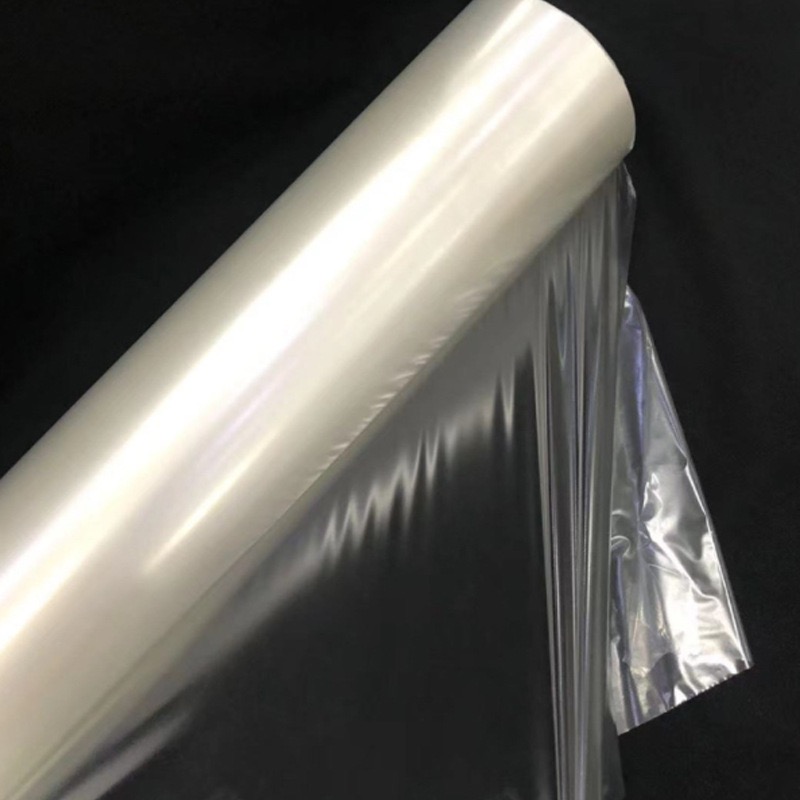
- Hydrophilic TPU: a solid, pore-free film that moves vapour through the polymer itself, so waterproofness does not depend on pore size. It holds high water columns reliably and survives repeated washing well.
- PU: the workhorse, cost-effective and easy to coat or laminate, available in a wide range of hand feels and finishes.
- TPEE: a polyester-based film with strong hydrolysis resistance, popular in recycled and biobased constructions.
Film choice is only half the story; the adhesive layer decides how long the rating lasts. Reactive PUR hot-melt lamination, which we run across our 20 PUR lamination lines, is solvent-free, operates at low temperature and keeps the laminate soft. Our daily capacity of around 200,000 metres and our stock of TPU, PU, PTFE and TPEE films mean most 20k/20k briefs can move from sample to bulk production without waiting on material.
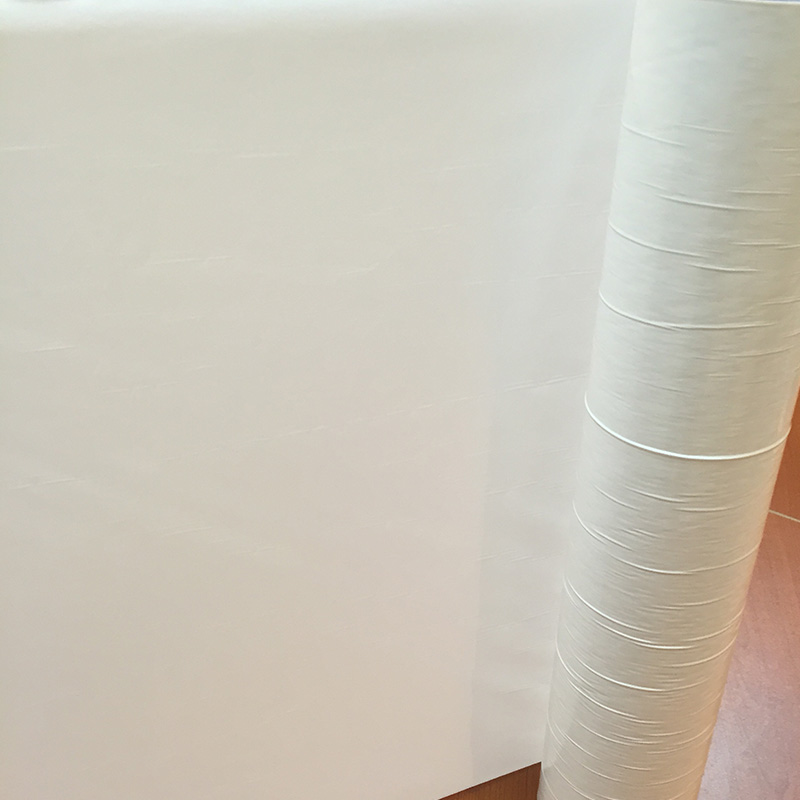 TPU/PU/PTFE/TPEE Blackout Membrane ManufacturersTwo Layers Outdoor Functional Waterproof Fabric (16)View Product →
2-Layer, 3-Layer and 2.5-Layer Builds Compared
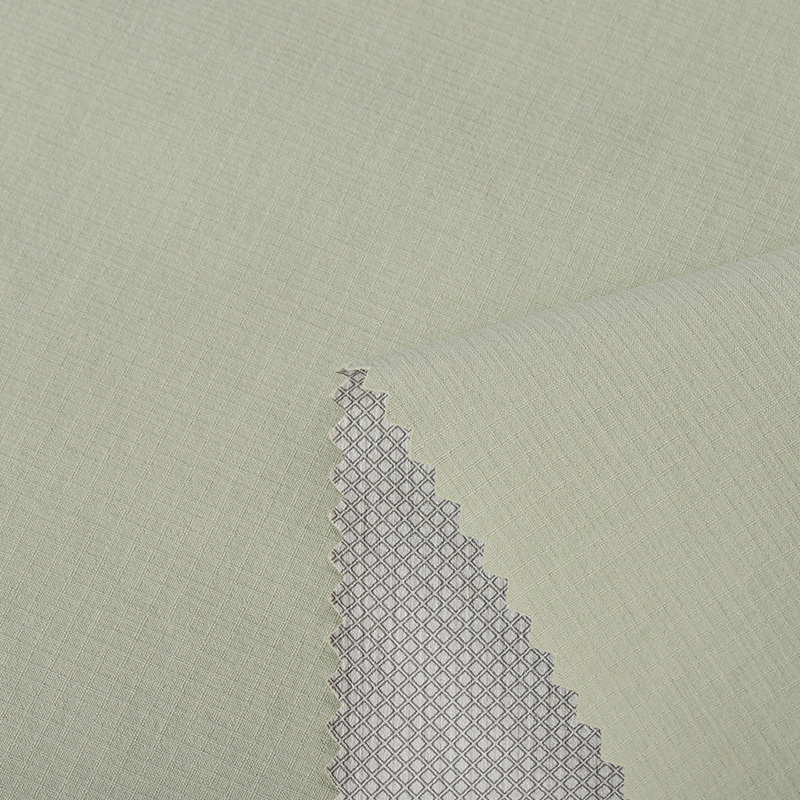
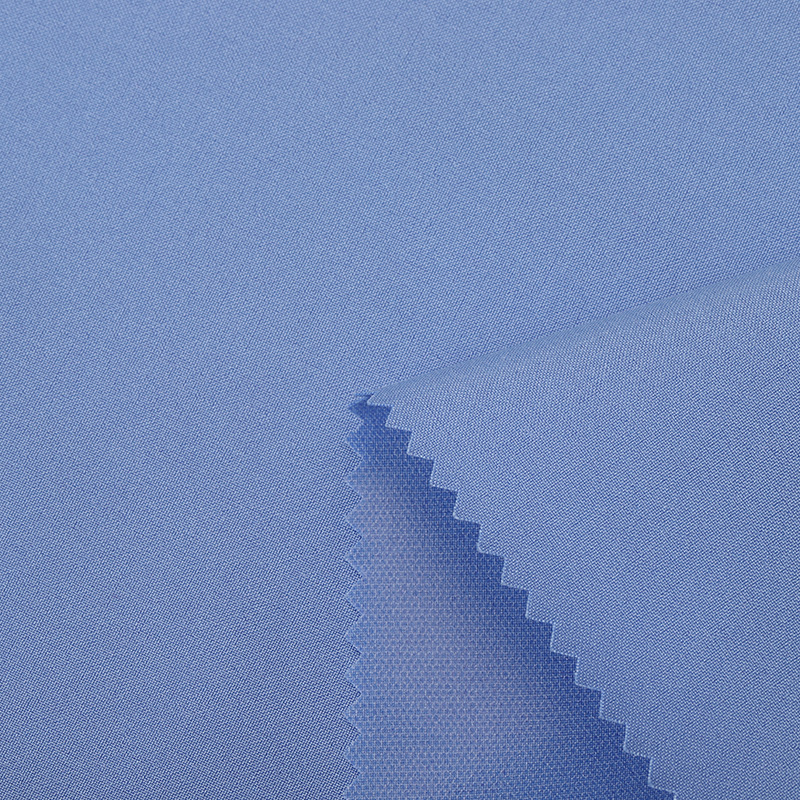
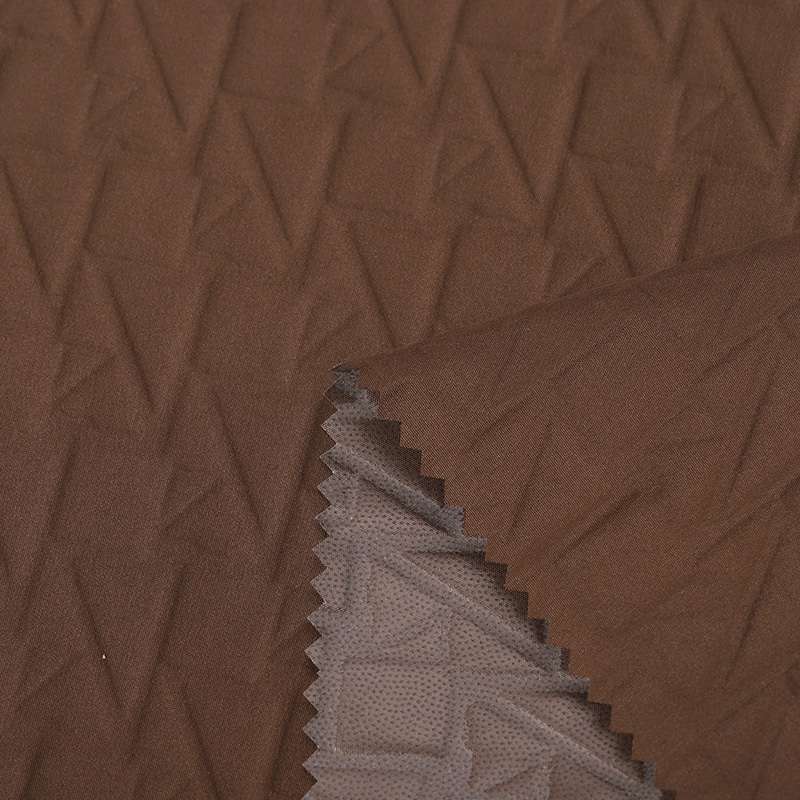
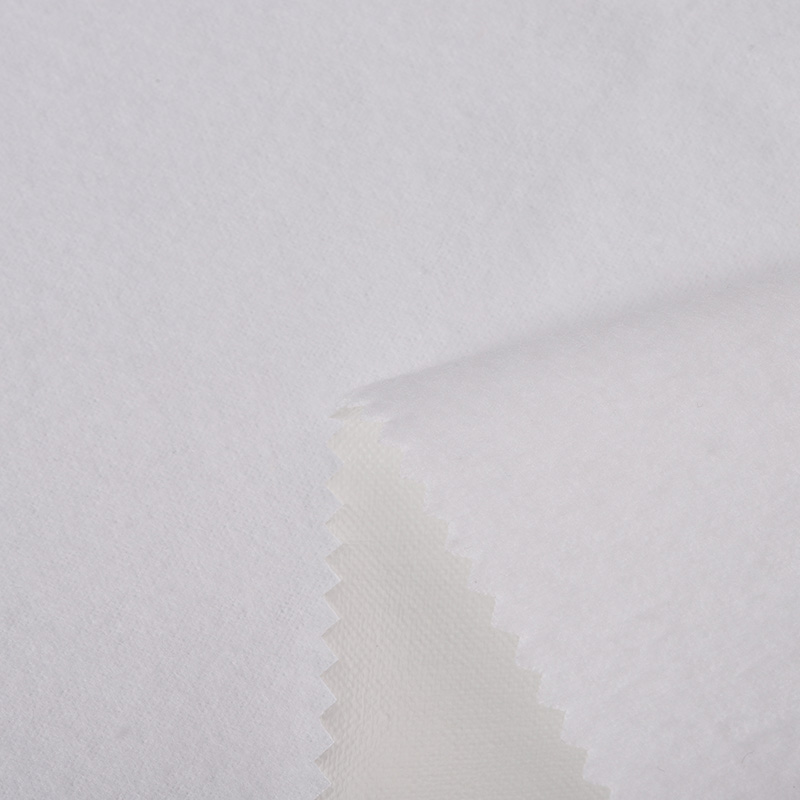
Once the film is chosen, the construction decides how the fabric behaves in the cutting room and on the hill. A 2-layer laminate bonds the membrane to the face fabric and leaves the film exposed on the inside, so the finished garment needs a separate lining. It is lighter on the roll, softer in the hand and usually the more economical route. A 3-layer laminate adds a thin knit backer in the same pass, protecting the film and turning the fabric into a self-contained material that needs no lining and resists abrasion and repeated packing far better. Some mills also offer a 2.5-layer version, where a printed or coated protective pattern replaces the knit backer; it saves weight but offers less mechanical protection, which matters when a pack is involved.
| Attribute | 2-Layer | 3-Layer |
|---|---|---|
| Structure | Membrane bonded to face fabric, film exposed inside | Face fabric, membrane and knit backer bonded in one pass |
| Weight | Lighter on the roll | Slightly heavier, but no separate lining needed |
| Hand feel | Softer drape, more relaxed | Firmer and more dimensional |
| Lining | Required for comfort and film protection | Not required |
| Cutting and sewing | Simpler handling, more care needed with the film | Stable, easy to lay and sew at speed |
| Best suited to | Urban rainwear, lifestyle jackets, lighter outdoor pieces | Alpine shells, ski and snowboard outerwear, mountaineering |
For most 20k/20k alpine programmes a 3-layer build is the safer default. It is the construction we produce most often for ski and mountaineering customers, and it holds its rating through the abrasion and flexing that a jacket sees over a full season.
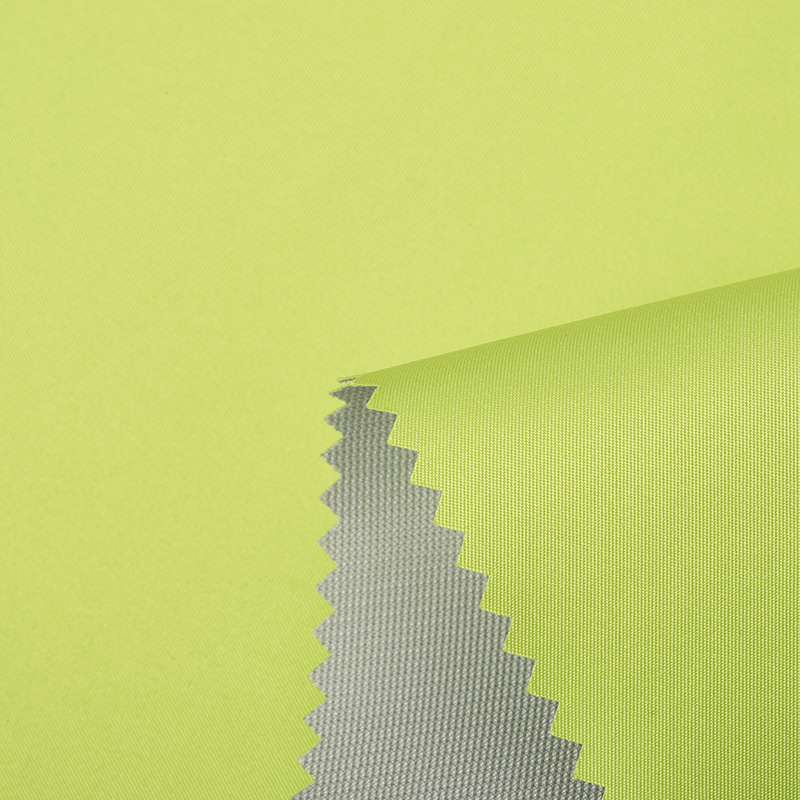 3 Layers Film Softshell Outdoor Waterproof Tpu Fabrics ManufacturersTwo Layers Outdoor Functional Waterproof Fabric (16)View Product →
Matching the Build to the End Product
A rating is a tool, not a goal. The question worth asking is where the garment will be worn, and for how long.
- Backcountry and resort ski jackets, snowboard shells and mountaineering hardshells: 3-layer, taped seams, a durable face fabric and a DWR that can be refreshed.
- Long-distance hiking and trekking shells: 20k/20k with a lighter face, prioritising breathability so the wearer does not overheat on the climb.
- Marine, fishing and hunting outerwear: 20k/20k with a tougher face and reinforced shoulders.
- Urban rainwear and travel jackets: a 2-layer build is often the better answer, because weight, drape and price matter more than surviving a week of rain.
- Children's outerwear and rainwear: the same 20k/20k film with softer, skin-friendly face and backer options.
When the brief calls for a lighter, more wearable piece, a 2-layer laminate gives designers more freedom with silhouette and cost while keeping the same membrane performance underneath.
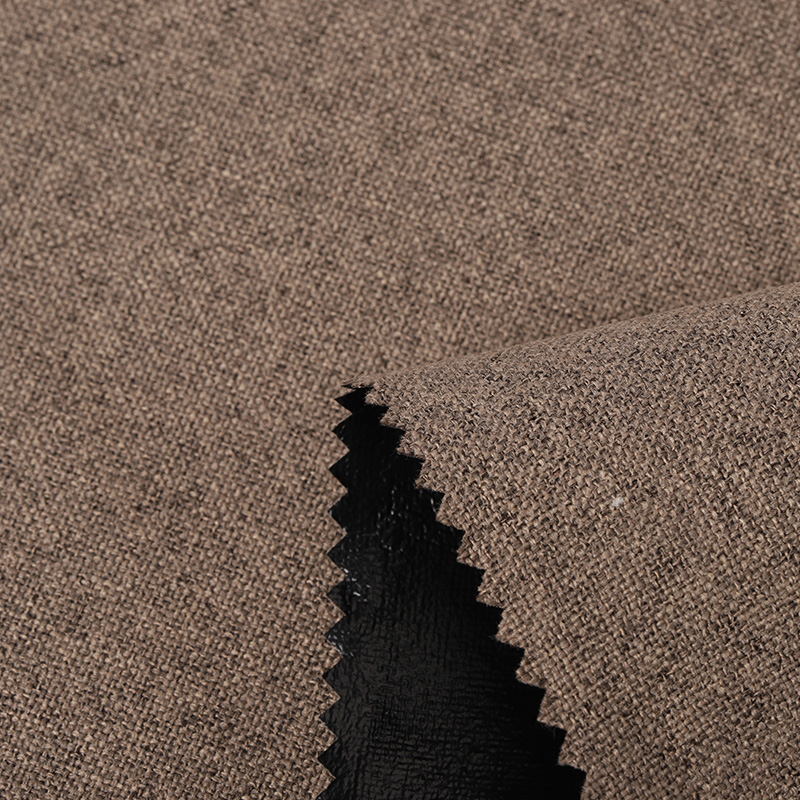 Two Layers Outdoor Functional Waterproof Fabrics ManufacturersTwo Layers Outdoor Functional Waterproof Fabric (16)View Product →
Specifying a 20k/20k Fabric: A Practical Checklist
Clear briefs shorten sampling. When you send an enquiry, the details below let a mill quote accurately the first time.
- End use and wear conditions: ski, hiking, marine or urban, and the typical duration of exposure.
- Target rating and test method: state 20k/20k and the standard you want reported, for example ISO 811 and JIS L 1099 B1.
- Construction: 2-layer, 3-layer or 2.5-layer, and whether the garment will carry a lining.
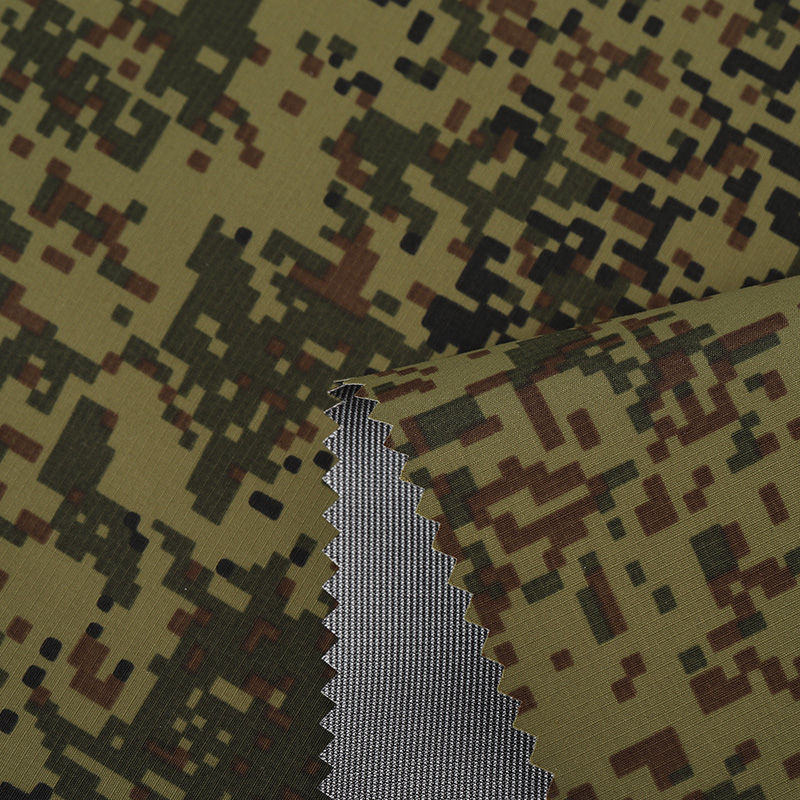
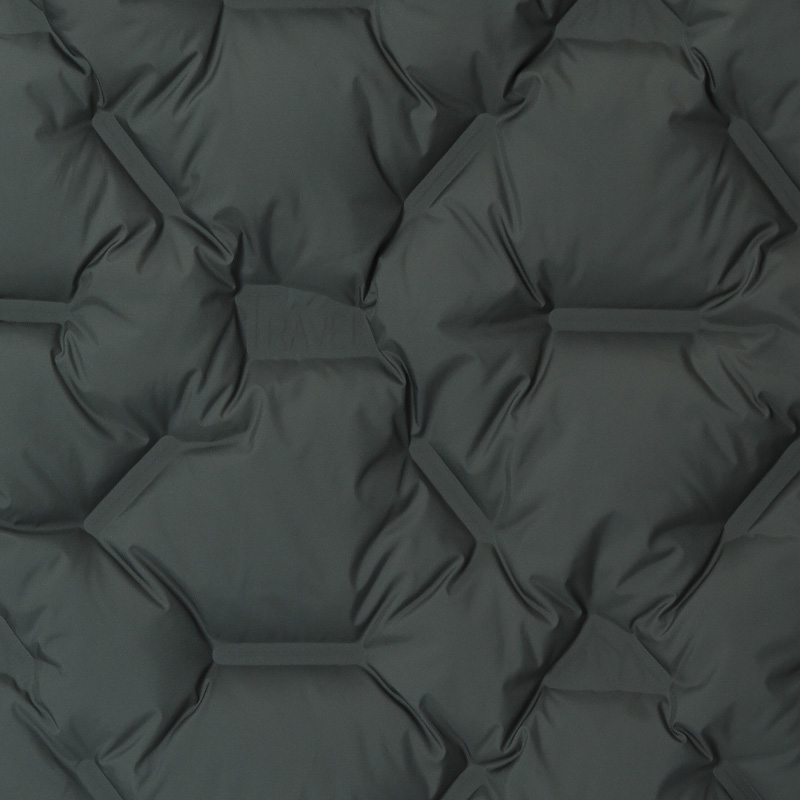
- Face fabric: for example 40D or 70D ripstop nylon, polyester pongee, oxford, or a 3D channel structure for down-filled pieces.
- Membrane preference and appearance: TPU, PU, PTFE or TPEE, translucent or blackout, plus a target film thickness if you have one.
- Backer and hand feel: knit, mesh, tricot or a printed pattern, along with the softness and drape you are aiming for.
- Colour, gloss, print and any ODM logo requirement.
- Sustainability requirements: GRS recycled content or biobased films, and whether solvent-free lamination is mandatory.
- Commercial details: width, roll put-up, yardage, packing, labelling and delivery window.
If insulation is part of the project, aerogel film can be laminated in the same pass, keeping a warm layer and a waterproof layer inside one material. You can browse our waterproof laminated fabric range for an overview of the constructions we produce.
Looking After a 20k/20k Garment
- Wash with a technical detergent and skip fabric softener, which coats the film and reduces breathability.
- Follow the laminate care label; TPU and TPEE films prefer lower drying temperatures than PTFE.
- Tumble dry on low, or iron on low through a cloth, to reactivate the DWR.
- Re-proof with a spray-on DWR once water stops beading on the surface.
- Rinse salt water and mud off promptly, and store the garment clean, dry and folded rather than compressed.
A well-made 20k/20k laminate handles repeated laundering without losing its water column. Most failures reported in the field trace back to untaped seams or an exhausted DWR rather than to the film itself.
Twenty thousand millimetres of water column with matching breathability is a serious specification, and it is achievable across a wide range of face fabrics, colours and constructions. What separates two 20k/20k fabrics is rarely the film alone; it is the adhesive, the backer, the seam tape and the quality control discipline applied at every stage of production.
If you are developing a 20k/20k programme and want a partner who laminates every working day rather than occasionally, send us your brief with the target rating, the end use and your delivery expectations. We will come back with a construction proposal, a sampling plan and a realistic production window.