
 English
 CN
CNContent
You are reviewing a prototype outdoor jacket that came back from a field trial. The shell still looks new, but the shoulders are soaked through, and the wearer describes a cold, wet sensation that cuts straight to the skin. The fabric was spec'd as "waterproof" because it had a DWR coating. That is the exact moment a sourcing decision goes wrong.
The conclusion is simple: DWR coating is a surface finish that makes water bead and roll off. It is not the layer that keeps rain out. If your product's waterproof performance depends on DWR alone, you will face high return rates and unhappy customers. Real waterproofness in functional outdoor fabrics comes from a laminated membrane. DWR earns its place as a helper, not a hero.
What DWR Coating Actually Does
DWR stands for durable water repellent. It is a chemical finish applied to the outer face fabric at the mill. The finish changes the surface energy of the fabric fibers so water droplets bead up instead of spreading and wetting out. When water beads, it rolls off easily, and the fabric stays dry on the surface.
This hydrophobic layer is useful because it keeps the outer shell from becoming waterlogged. If the outer fabric wets out, it adds weight, reduces breathability, and makes you feel cold even when no real leak has occurred. DWR also keeps the fabric cleaner and prevents a heavy water film that can block airflow through the membrane.
But DWR is not a barrier. It does not plug the gaps between fibers. A sudden downpour, a heavy soaking, or sustained pressure from a backpack strap will push water straight through the weave. Many outdoor brands apply DWR at the factory, but they also rely on a laminated film underneath to provide the actual waterproof rating.
DWR Durability Is a Buying Risk, Not a Feature
If you are sourcing for garments that will be washed, worn frequently, or used in abrasive conditions, treat DWR as a consumable. It wears off. Abrasion from backpack straps, dirt, body oils, repeated washing, and even the sun break down the fluoropolymer or silicone molecules that create the water-repellent effect. A fresh out-of-the-box jacket might show a perfect beading effect. After three washes and two weeks of real use, the water can flatten out and soak through the face fabric.
This is why claiming "DWR coated" as a primary selling point is risky. A consumer will usually test the jacket in a light drizzle, see the water bead, and assume it's waterproof. Then they wear it in a real storm, the DWR fails, and they demand a refund. Your brand reputation absorbs the cost.
To reduce this risk, ask your fabric supplier for the DWR finish type, the fluoropolymer content, and the wash durability test results. Common standards include AATCC 22 for spray rating and ISO 4920. Many suppliers now offer fluorocarbon-free (PFC-free) DWR options, which have better environmental credentials but often shorter lifespan. If your market requires an eco-friendly profile, you will need to pair PFC-free DWR with a robust laminated membrane.
DWR vs. Laminated Waterproof Membrane: What Actually Blocks Water
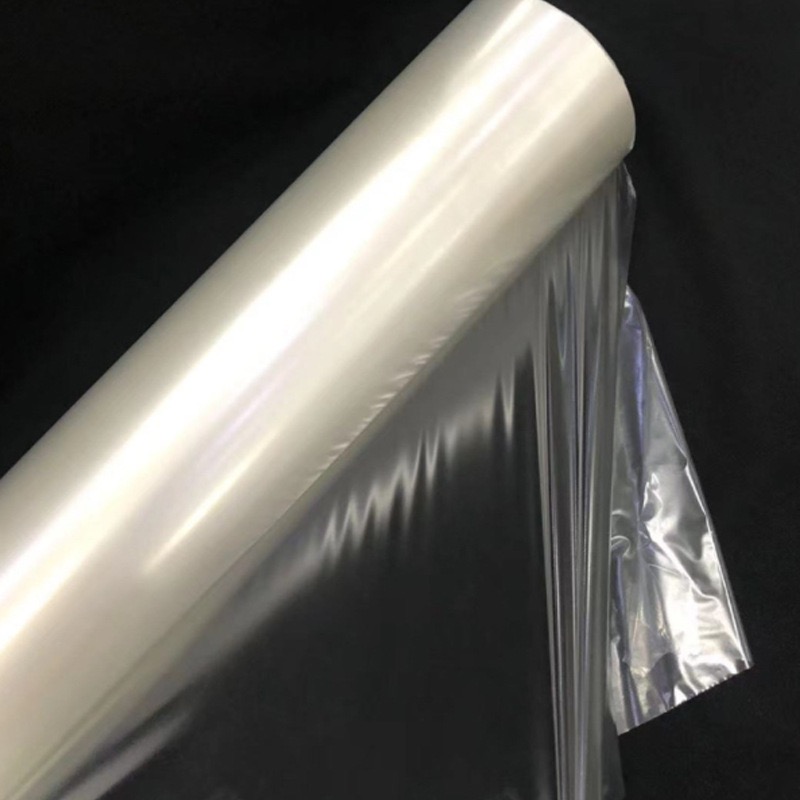
Let's be direct about the hierarchy. DWR handles surface water. A laminated membrane prevents water penetration. Membrane-based waterproof construction uses a thin film of TPU, PU, PTFE, or TPEE bonded to the fabric through lamination. The film has microscopic pores or a hydrophilic structure that stops liquid water from passing through while allowing moisture vapor to escape. This is the layer that earns a measurable waterproof rating, such as a hydrostatic head pressure test or water column test.
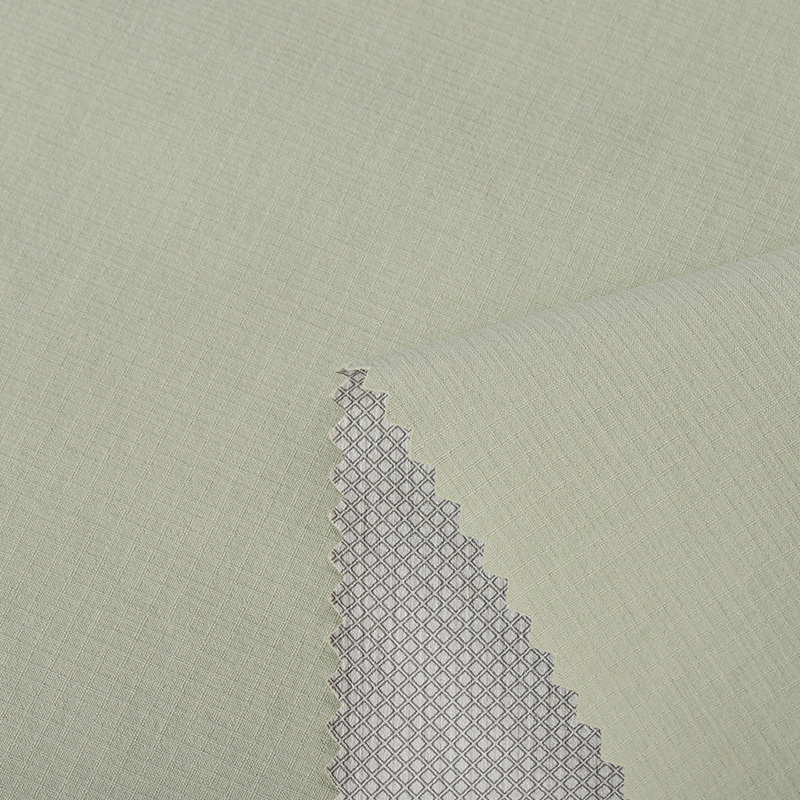
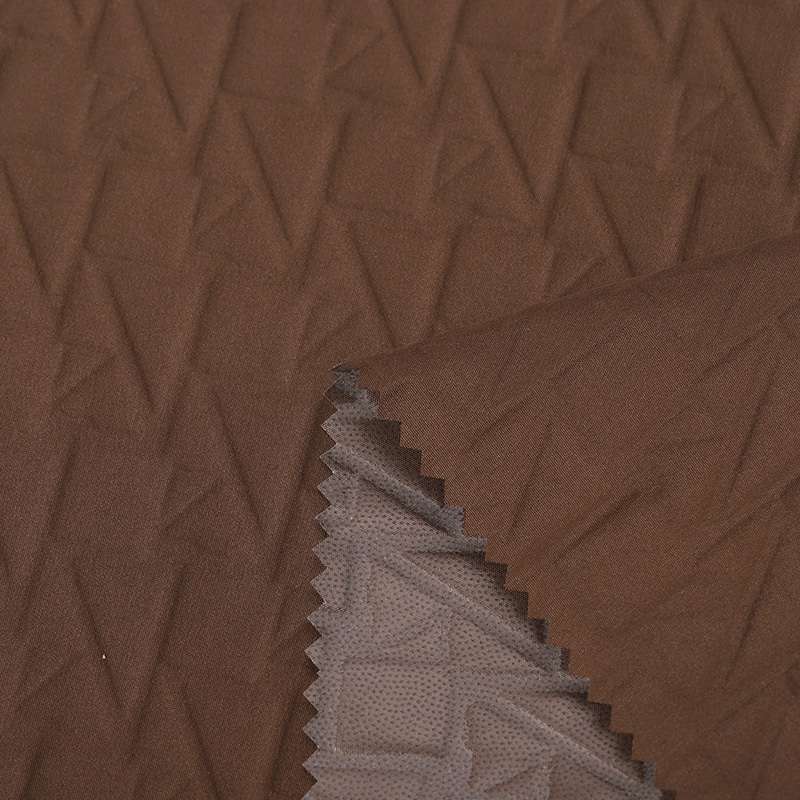
The 2-layer construction has the membrane laminated only to the outer fabric. It requires a separate lining layer to protect the membrane from the inside. This approach is common in casual rainwear and budget-friendly shells.
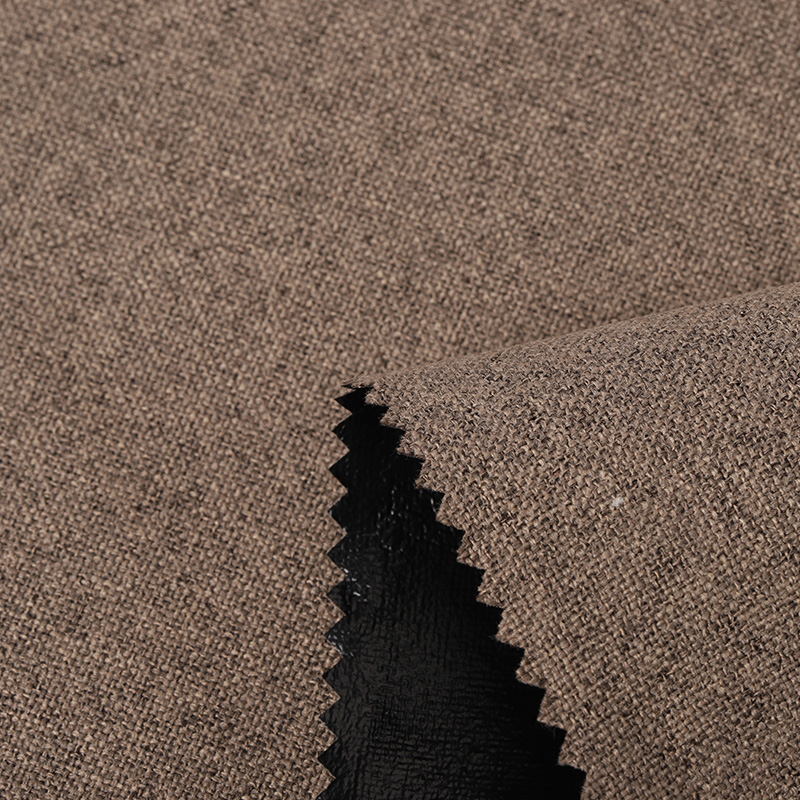 Two-Layer Waterproof Functional Fabric for Outdoor GarmentsThis two-layer construction features a membrane laminated to the outer fabric with a separate lining, commonly used in casual rainwear and budget shells. Explore this supplier for a range of two-layer waterproof options.View Product →
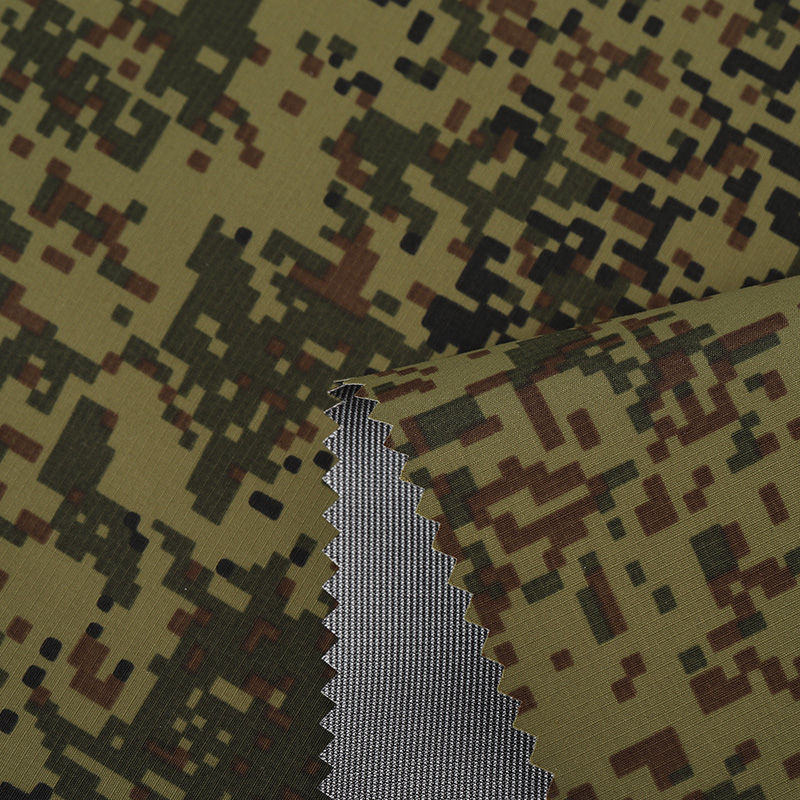
The 3-layer construction sandwiches the membrane between the face fabric and a bonded inner knit. There is no loose lining, which makes the garment lighter, more durable, and less prone to snagging. Three-layer shells are the standard choice for demanding outdoor activities where weight, abrasion resistance, and moisture management matter.
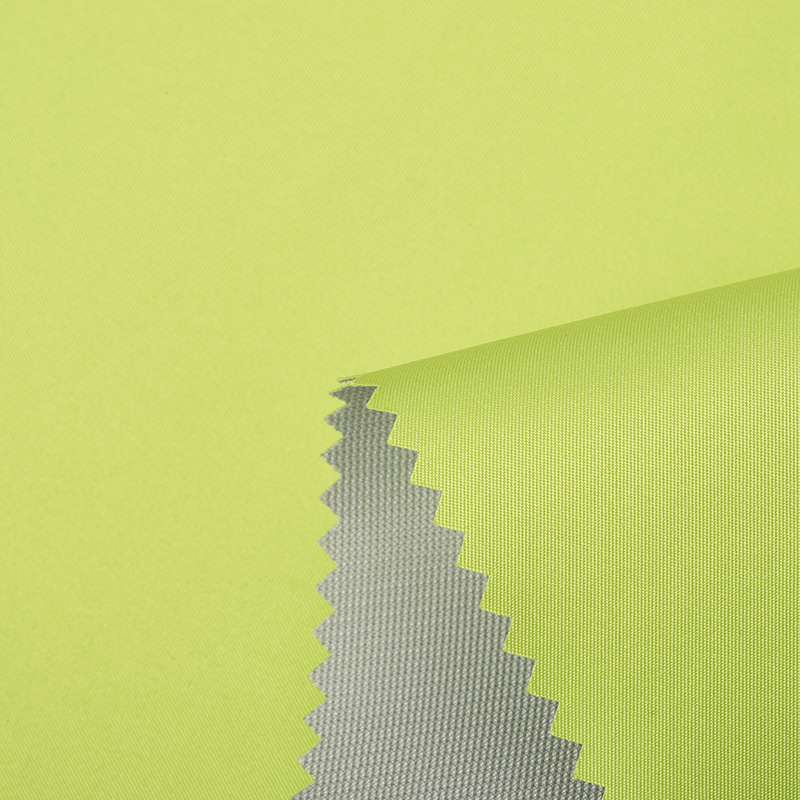 Three-Layer TPU Softshell Fabric for Demanding Outdoor ActivitiesThe three-layer design bonds the membrane between face fabric and inner knit, offering lightweight durability and moisture management. This manufacturer specializes in three-layer TPU softshell fabrics.View Product →
So when you evaluate a supplier, do not accept "DWR coated" as a synonym for waterproof. Ask for the lamination type, the membrane spec, and the hydrostatic head value. DWR is simply an additional functional layer that helps the membrane perform at its best.
| Property | DWR Coating | Laminated Membrane |
|---|---|---|
| Primary function | Surface water repellency | Waterproof barrier |
| Water penetration resistance | Limited | High, measurable hydrostatic head |
| Durability | Degrades with washing and abrasion | Long-term if protected and bonded properly |
| Breathability | Maintains surface cleanliness | Controls moisture vapor transfer |
| Role in garment | First line of defense | Primary waterproofing layer |
What to Check When Sourcing DWR-Coated or Laminated Fabrics
Now let's talk about the practical checklist. Before you approve a fabric for production, verify several technical points.
1. Hydrostatic Head Rating
The hydrostatic head test measures how much water pressure a fabric can withstand before leaking. A typical 2-layer jacket fabric might test around 5,000 mm, while a 3-layer technical shell often reaches 10,000 mm to 20,000 mm or more. If your garment is used in heavy rain or snow, specify a higher rating.
2. Breathability and Moisture Vapor Transfer
Waterproofness is only half the story. If the membrane cannot transmit moisture vapor, sweat builds up inside the jacket. Look for a RET value (resistance to evaporative heat loss) or a moisture permeability test (ASTM E96). Lower RET means better breathability. Laminated TPU films generally offer a good balance between waterproofness and breathability for apparel.
3. Membrane Chemistry
TPU, PU, PTFE, and TPEE membranes each have different properties. TPU provides high elasticity and good flexibility. PTFE (ePTFE) offers excellent breathability and is usually associated with high-end technical garments. PU is cost-effective and often used in casual rainwear. TPEE is highly durable and has a strong balance of waterproofness and stretch. A factory that maintains a stock of multiple membrane types gives you flexibility in product development.
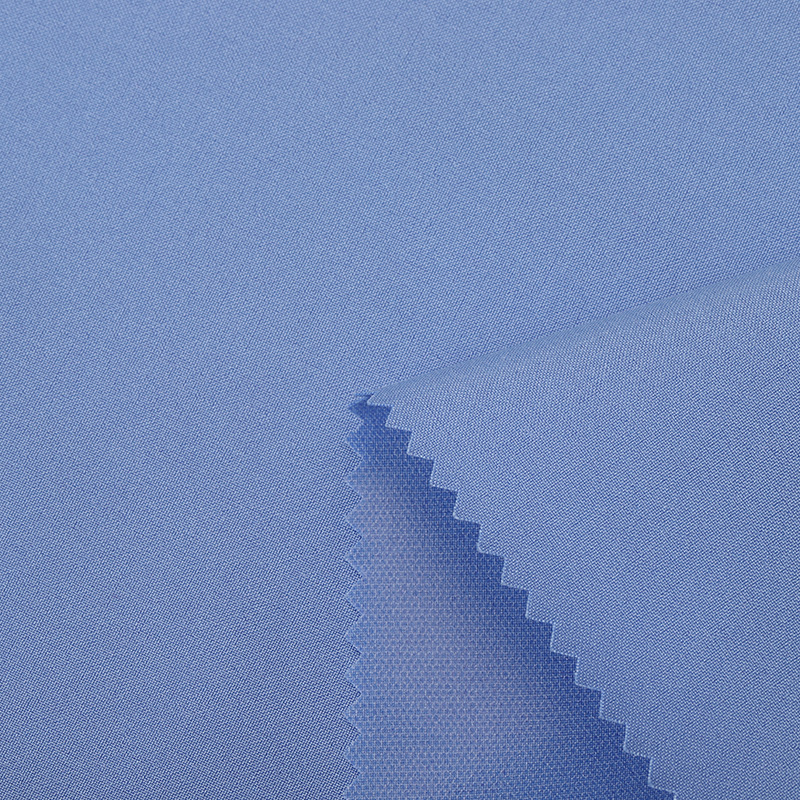
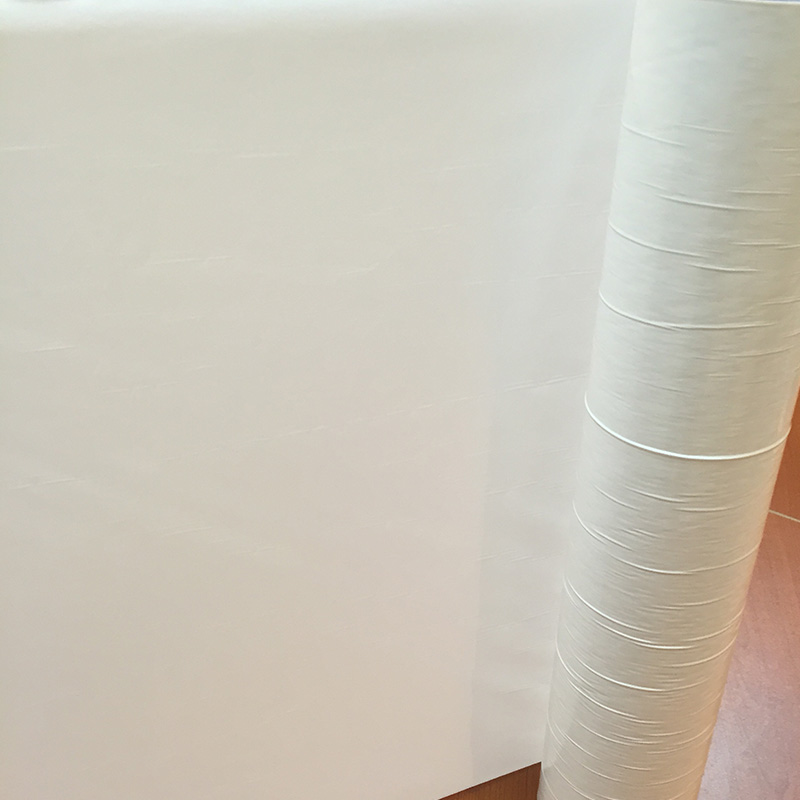 Multi-Membrane Types for Waterproof Fabric DevelopmentOffering TPU, PU, PTFE, and TPEE membranes, this supplier provides flexibility for product development with varying elasticity, breathability, and durability to suit different garment needs.View Product →
4. DWR Finish Quality
Check if the DWR is a conventional fluoropolymer or a PFC-free finish. PFC-free formulations are increasingly required by EU and US retailers. Also, confirm the DWR is applied after lamination, not during the fabric weaving stage. Post-lamination DWR is usually more effective because it covers the composite surface evenly.
5. Lamination Process and Bond Strength
Delamination is a common long-term failure mode. Ask your supplier about the adhesive system and the bonding strength test. PUR lamination with solvent-free adhesives is becoming an industry standard because it reduces chemical emissions and improves durability.
Finally, assess the factory's capacity and consistency. A supplier with multiple PUR lamination machines and daily output of 200,000 meters can match your volume needs. But more importantly, their process control and quality checks at every stage determine whether your order will meet the spec consistently. We have written a more detailed guide on 2-layer vs. 3-layer waterproof fabric buying decisions if you want to go deeper into construction choices.
Conclusion: Choose the Protection Level That Matches the Use Case
There is no single "best" fabric, only the right fabric for the job. If you are producing a short rain parka for city commuting, a 2-layer laminated fabric with a solid DWR finish offers a good cost-performance ratio. If you are building a ski shell, a 3-layer construction with a high hydrostatic head and a durable membrane is the safer choice.
What every buyer should take away from this is that DWR is a maintenance component, not a waterproof barrier. It extends the performance of the membrane, improves the feel of the garment, and helps the fabric self-clean. But it cannot replace a properly engineered lamination system. When you source, ask the hard questions about membrane type, lamination technology, and test credentials, not just about the coating.