
 English
 CN
CNContent
- 1 How Waterproof Fabrics Are Built: The Layer Fundamentals
- 2 2-Layer Waterproof Fabric: Lightweight and Cost-Effective
- 3 3-Layer Waterproof Fabric: Maximum Durability for Demanding Conditions
- 4 2L vs 3L: Side-by-Side Performance Comparison
- 5 What About 2.5-Layer? The Middle Ground Explained
- 6 The Membrane Behind the Layers: TPU, PU, and PTFE
- 7 How to Choose: Matching Layer Construction to Your Application
- 8 Verifying Waterproof Performance: What to Ask Your Supplier
Pick up any technical outerwear spec sheet and you'll see a number followed by "L" — 2L, 2.5L, 3L. Those seemingly small labels determine how a jacket performs in a downpour, how long it lasts on the trail, and how much it costs to produce. For brands, buyers, and designers sourcing waterproof fabric, understanding what's behind each construction is the first step toward making the right call.
This guide breaks down the structural differences, performance tradeoffs, and real-world applications of 2-layer and 3-layer waterproof fabrics — with enough technical depth to make an informed sourcing decision.
How Waterproof Fabrics Are Built: The Layer Fundamentals
Before comparing 2L and 3L, it helps to understand what every waterproof laminate fabric has in common. At the core, all of them share three functional components:
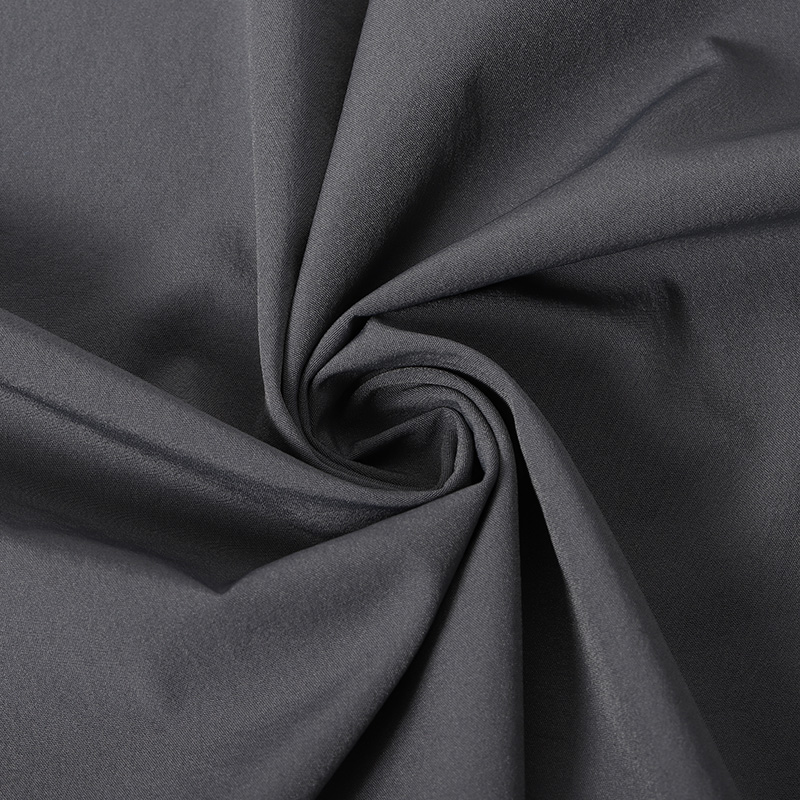
- Face Fabric — The outermost layer, typically nylon or polyester, treated with a DWR (Durable Water Repellent) finish. This is what you see and touch; it defines the fabric's hand feel, weight, and abrasion resistance.
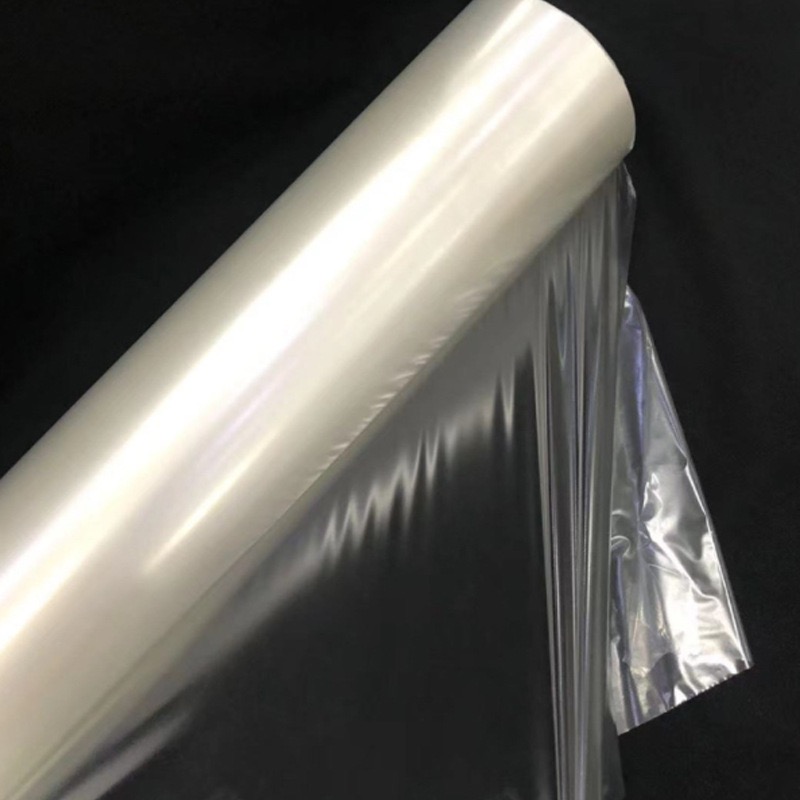
- Waterproof-Breathable Membrane — The critical middle component. This thin film (TPU, PU, or ePTFE) blocks liquid water while allowing water vapor — sweat — to escape. The membrane is where the actual weather protection lives.
- Inner Protection Layer — Whatever faces the wearer's skin or base layer. Its form varies depending on construction type, and that variation is exactly what distinguishes 2L from 3L.
The "layer" count refers to how many of these components are permanently bonded together. More bonds mean a more unified, cohesive material — and a fundamentally different performance profile.
2-Layer Waterproof Fabric: Lightweight and Cost-Effective
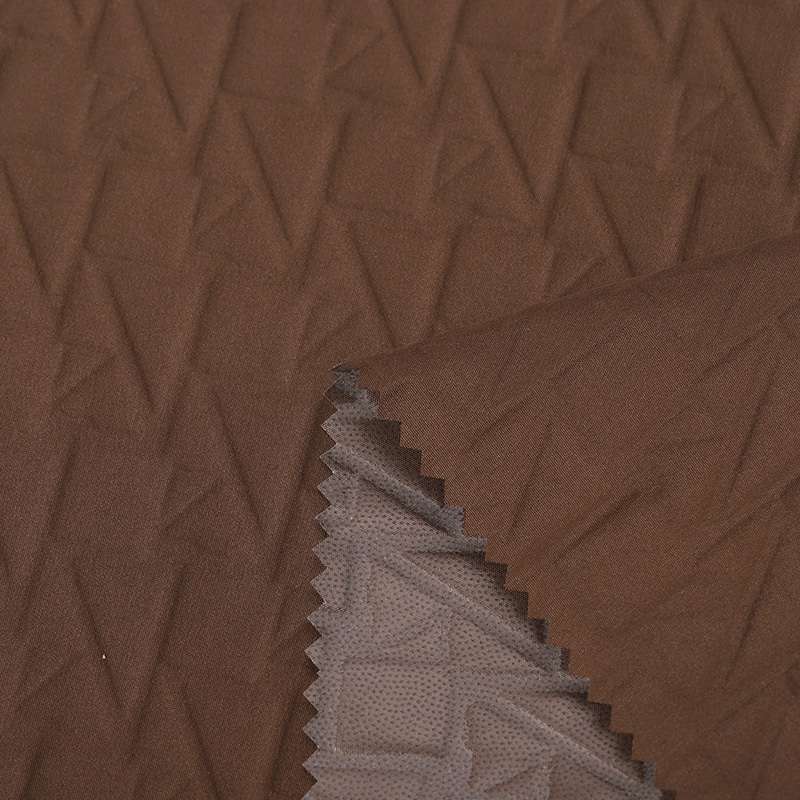
In a 2-layer construction, the face fabric is laminated directly to the waterproof membrane. Nothing else is bonded to the inside. To protect the membrane from abrasion and contamination by skin oils, garment manufacturers typically add a separate, unattached drop liner — usually a light mesh or tricot — that hangs loosely inside the finished garment.
That loose liner is not part of the laminate itself. It adds bulk and weight to the finished product, but it keeps the laminate package lighter and less expensive, which is why 2L fabrics dominate the mid-range market.
Key advantages of 2-layer construction:
- Lower production cost — simpler lamination process with fewer bonded components
- Highly packable — often used in lightweight shells and travel jackets
- Softer, more flexible drape due to the unattached inner layer
- Wide range of face fabric options, from peached finishes to woven textures
Limitations to consider:
- The drop liner adds volume without adding structural performance
- Less breathable than 3L in high-output scenarios — the separate liner can trap moisture
- Membrane is more vulnerable to long-term contamination if the liner wears or shifts
- Can feel clammy against skin during sustained physical exertion
Explore our 2-layer outdoor waterproof fabric options for everyday and sportswear use to see available constructions, weights, and membrane specifications.
3-Layer Waterproof Fabric: Maximum Durability for Demanding Conditions
Three-layer construction bonds all three components — face fabric, membrane, and inner protective lining — into a single unified laminate. The result is a self-contained material that needs no additional liner inside the garment. What you're buying is one cohesive piece of technical fabric.
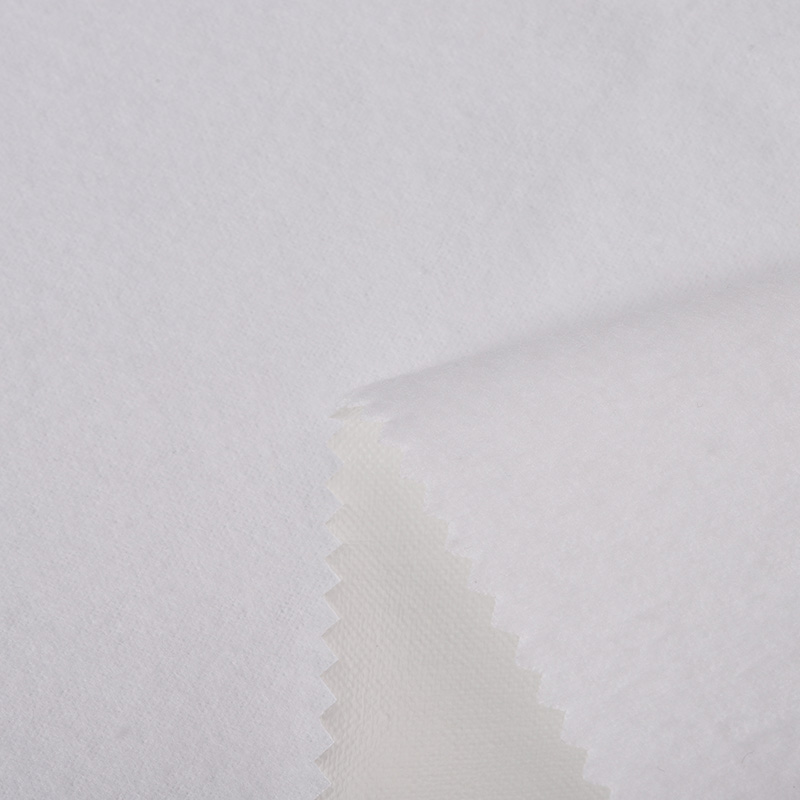
The inner layer in a 3L construction is typically a lightweight tricot or knit fabric. It serves two purposes: protecting the membrane from abrasion and body oils, and providing a smoother, less clingy feel against base layers. Because everything is bonded together, there's no loose inner layer to shift, bunch, or trap moisture.
Key advantages of 3-layer construction:
- Superior durability — the membrane is fully protected on both sides
- Better breathability under high output — no trapped air gap between loose liner and shell
- Cleaner, quieter feel — less fabric noise and reduced clamminess
- Lighter finished garment weight compared to a 2L + separate liner combination
- Ideal for cut-and-sew efficiency — one material handles structure, protection, and lining
Limitations to consider:
- Higher lamination cost — more complex bonding process
- Less packable than 2L — the bonded construction is less compressible
- Stiffer hand feel — some applications require more drape flexibility than 3L allows
- Premium price point, which may not be justified for lower-intensity end uses
See our full range of 3-layer outdoor waterproof fabric built for technical performance, including options with TPU and PTFE membranes suited to alpine and professional workwear applications.
2L vs 3L: Side-by-Side Performance Comparison
No single construction is objectively superior — the right choice depends on the application, the end user, and the target price point. Here's how the two compare across the dimensions that matter most:
| Performance Factor | 2-Layer (2L) | 3-Layer (3L) |
|---|---|---|
| Waterproofing | Good — suited for moderate rain and everyday exposure | Excellent — consistent protection under prolonged, heavy conditions |
| Breathability | Moderate — drop liner can impede moisture vapor transfer | High — bonded structure allows more direct vapor transmission |
| Finished Garment Weight | Heavier (when loose liner is included) | Lighter overall for equivalent protection level |
| Packability | Better — more compressible laminate | Less packable — stiffer bonded construction |
| Durability | Moderate — membrane exposed to indirect wear via liner | High — membrane fully encapsulated and protected |
| Next-to-Skin Comfort | Variable — depends on loose liner material | Consistent — bonded inner layer stays in place |
| Production Cost | Lower | Higher |
| Ideal Applications | Casual jackets, travel wear, light hiking, urban use | Technical shells, mountaineering, ski jackets, professional workwear |
For a deeper technical look at how both constructions perform across jacket categories, see how 2-layer and 3-layer TPU laminated fabrics enhance jacket performance in finished garment applications.
What About 2.5-Layer? The Middle Ground Explained
A 2.5-layer construction sits between 2L and 3L — literally. Instead of a separate drop liner (like 2L) or a fully bonded inner fabric (like 3L), the 2.5L construction applies a protective print, coating, or embossed texture directly to the inner face of the membrane. This eliminates the loose liner without adding a full third layer.
The result is a compact, packable fabric that's lighter than 2L + liner and cheaper than 3L. The tradeoff is reduced comfort (the protective coating isn't as soft as a knit lining) and slightly lower durability compared to full 3L construction. For lightweight packable shells, travel rain jackets, and products where packability and price efficiency are the priority, 2.5L is a strong option. For performance outerwear where the garment will face sustained hard use, 3L still wins.
The Membrane Behind the Layers: TPU, PU, and PTFE
Layer count tells you how the fabric is assembled. But the membrane material tells you how it actually performs. The same 3L construction with a PU membrane versus an ePTFE membrane will behave quite differently in the field.
- TPU (Thermoplastic Polyurethane) — The most widely used membrane in modern waterproof laminates. TPU offers excellent flexibility, good breathability, and strong chemical resistance. It bonds well in both 2L and 3L configurations and accepts a wide range of face fabrics. Cost-effective and recyclable, TPU is the default choice for most performance sportswear applications.
- PU (Polyurethane coating) — More common in 2L constructions and budget-tier fabrics. PU is applied as a coating rather than a discrete film, making it less breathable than TPU or ePTFE membranes but well-suited to rainwear, umbrellas, and applications where breathability is less critical.
- ePTFE (expanded Polytetrafluoroethylene) — The highest-performance membrane type, known for superior breathability and waterproofing. ePTFE is almost exclusively used in premium 3L constructions due to its delicate structure — it requires the full protection of bonded layers on both sides. Products using ePTFE membranes are positioned at the top of the technical outerwear market.
- TPEE — A newer thermoplastic elastomer option offering biodegradability advantages alongside solid waterproof performance, increasingly appearing in sustainability-focused 3L applications.
For a full technical breakdown of how each membrane type behaves under lamination, see our guide on TPU, PU, PTFE, and TPEE membrane types and their differences.
How to Choose: Matching Layer Construction to Your Application
The right construction is always a function of end use. Here's a practical framework:
- Urban and casual wear — 2L is sufficient. Weight, drape, and cost efficiency matter more than peak performance. A quality TPU membrane with a 10,000mm waterproof rating handles everyday rain without issue.
- Hiking, trail running, and cycling — Either 2.5L or 3L depending on intensity. For moderate output and mixed conditions, 2.5L offers a good balance. For sustained high-output activities in variable weather, 3L's breathability advantage becomes meaningful.
- Technical mountaineering and alpine use — 3L with an ePTFE or premium TPU membrane is the standard. Durability, breathability under sustained exertion, and consistent performance in extreme conditions all point to 3L.
- Professional workwear — 3L for durability and functional efficiency. A self-contained laminate simplifies garment construction and holds up to repeated industrial washing better than a 2L + loose liner configuration.
- Children's outerwear — Often 2L with a soft inner finish, where flexibility, comfort, and easy care matter more than technical performance. Safety testing of the membrane material is particularly important in this category.
- Budget and volume-tier products — 2L remains the most cost-effective path to genuine waterproof performance. For buyers managing price points aggressively, 2L with a good quality membrane outperforms cheap 3L alternatives.
Verifying Waterproof Performance: What to Ask Your Supplier
Layer count is structural. Waterproof performance is measured. Before finalizing a fabric specification, request testing data based on recognized international standards — not just a marketing claim on a product sheet.
The primary standard for fabric waterproof testing is ISO 811, the hydrostatic pressure test for resistance to water penetration. Under this method, fabric is subjected to steadily increasing water pressure until penetration occurs at three points. The result — expressed in mmH₂O — gives you a directly comparable waterproof rating across suppliers and constructions.
As a practical reference: a rating of 1,500–5,000 mmH₂O is adequate for general outerwear. Ski jackets and technical shells typically require 10,000–20,000 mmH₂O. Professional workwear and extreme-condition gear is often specified at 20,000 mmH₂O and above.
Beyond waterproofing, ask for breathability data (MVTR — moisture vapor transmission rate) and seam-sealing compatibility. A 3L fabric with a high waterproof rating and poor MVTR still underperforms in real conditions. The full picture requires both metrics.
For a thorough breakdown of how to read and cross-compare waterproof ratings before placing an order, see our guide on how to evaluate real waterproof ratings in outdoor fabrics.