
 English
 CN
CNContent
What Makes 3D Embossed Channel Down Jacket Fabric Different
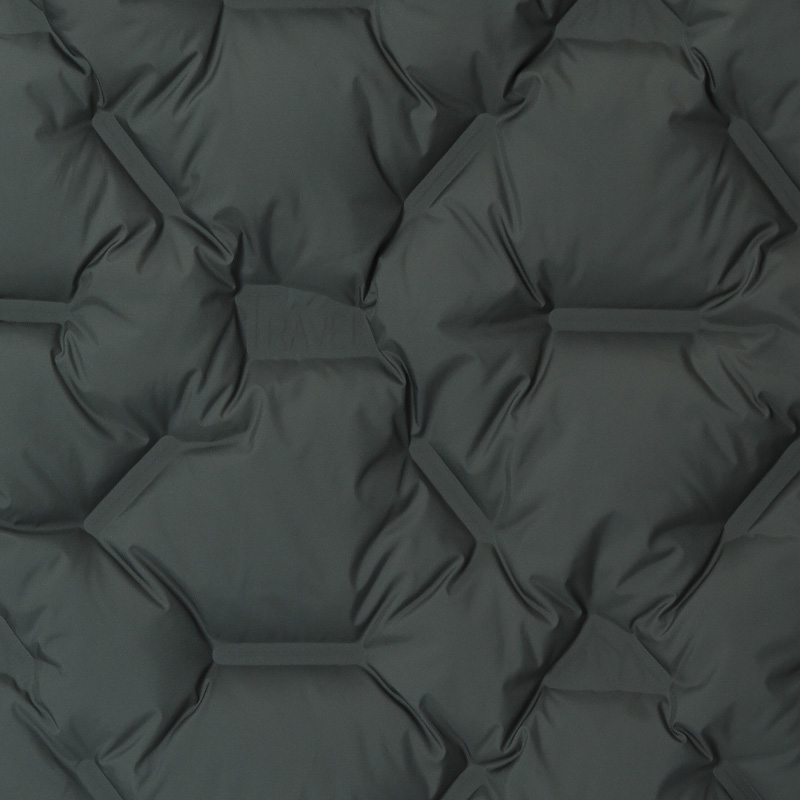
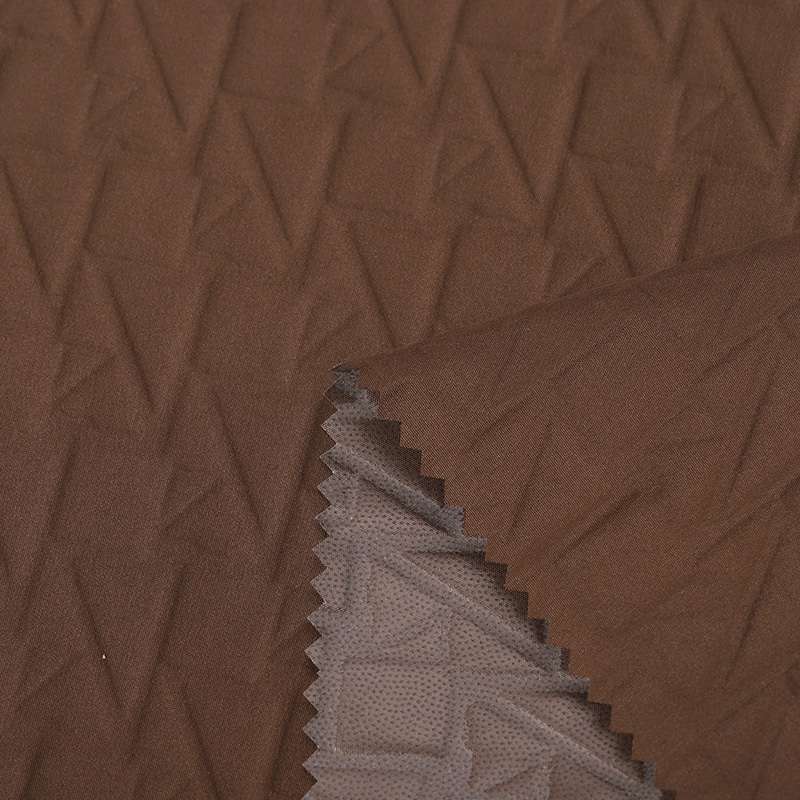
Pick up a high-end down jacket and run your fingers across it. That raised, geometric texture is not decoration — it is engineering. 3D embossed channel down jacket fabric combines two distinct technologies in a single material: a channel (baffle) structure that physically divides the interior into separate compartments to hold down in place, and a surface embossing process that permanently imprints a three-dimensional pattern onto the outer face of the fabric.
The two functions reinforce each other. The channel structure prevents down migration — the frustrating bunching of filling that leaves cold spots across a jacket's surface. The embossed texture, meanwhile, adds grip to each compartment wall, enhances the fabric's downproof barrier, and gives the finished garment a premium visual depth that flat-woven alternatives simply cannot replicate.
For brands and buyers, understanding how this fabric is actually made is the most direct path to evaluating its quality — and to knowing what to ask a supplier before placing an order. Explore the full range of 3D channel down jacket fabric for outerwear applications to see how these construction principles translate into finished product options.
Selecting the Right Base Fabric
Every embossed channel fabric starts with a base textile, and the choice of base material has a direct impact on how well the embossing holds, how tightly the weave resists down penetration, and how light the finished jacket feels on the body.
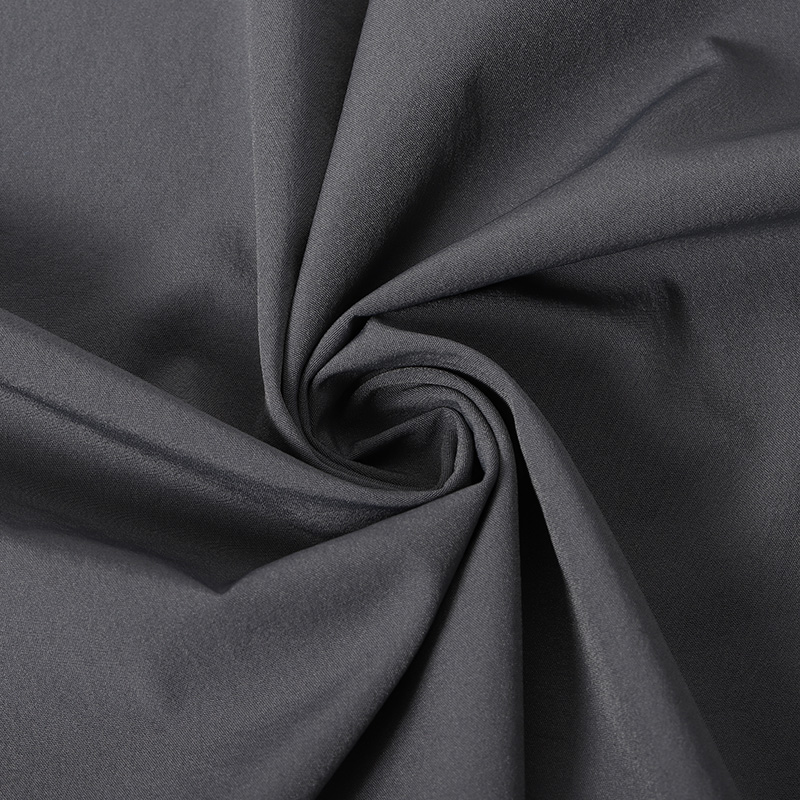
Polyester — typically in the form of pongee or taffeta — dominates this application for three practical reasons. First, polyester has a relatively low melting point compared to natural fibers, which means it responds predictably to the controlled heat applied during embossing: the fibers soften just enough to accept the pattern without degrading the fabric structure. Second, high-thread-count polyester weaves (commonly 300T to 380T, in 50D to 100D yarn weights) can be engineered to achieve a downproof rating that prevents even fine duck or goose down from migrating through the cloth. Third, polyester is inherently lightweight, which is a non-negotiable property for down outerwear where warmth-to-weight ratio determines the product's market positioning.
Nylon is used in performance-oriented or premium-tier products where abrasion resistance and tensile strength take priority over cost. Blended constructions — polyester with a small percentage of spandex — are increasingly common in activewear-adjacent down jackets where four-way stretch is required alongside thermal insulation.
The base fabric is inspected for defects before any processing begins. A pinhole, a weave irregularity, or an uneven dye lot at this stage will amplify through every subsequent step, producing a final fabric that fails downproof or visual quality checks.
The Step-by-Step Manufacturing Process
The production of 3D embossed channel fabric follows a defined sequence. Each stage depends on the one before it; shortcuts at any point accumulate into defects that only surface after the jacket reaches the consumer.
Step 1 — Weaving the base cloth. The selected yarn is woven into a base fabric on rapier or air-jet looms. Thread count, yarn denier, and weave structure (plain, twill, or ripstop) are set at this stage and establish the fabric's downproof potential and surface smoothness before any finishing occurs.
Step 2 — Pattern design and roller engraving. The channel and surface emboss pattern is designed digitally, then transferred to a set of steel calender rollers. The engraving process — typically CNC-machined — creates the male roller (raised pattern) and the corresponding female roller (recessed mirror pattern). Roller precision at this stage determines the sharpness and consistency of the final emboss. Diamond, honeycomb, vertical stripe, and quilted grid are among the most common channel patterns produced this way.
Step 3 — Heat and pressure embossing. The base fabric is fed continuously between the heated embossing rollers under precisely controlled temperature and pressure. Heat softens the polyester fibers enough to conform permanently to the roller's geometry; pressure ensures full contact and pattern depth. Academic research on hot embossing of polyester textiles — including detailed process schematics and parameter studies — shows that optimal results on polyester substrates are achieved around 150 °C with carefully calibrated load, though commercial production settings vary by yarn weight and weave density. Too little heat leaves a shallow, impermanent pattern; too much causes fiber distortion or hand-feel changes that reduce the fabric's commercial value.
Step 4 — Cooling and pattern-setting. Immediately after passing through the embossing nip, the fabric is cooled — either by air or chilled rollers — to lock the three-dimensional structure into a permanent set. This cooling phase is as important as the embossing itself: if the fabric is wound under tension before cooling is complete, pattern relaxation occurs and the emboss depth decreases.
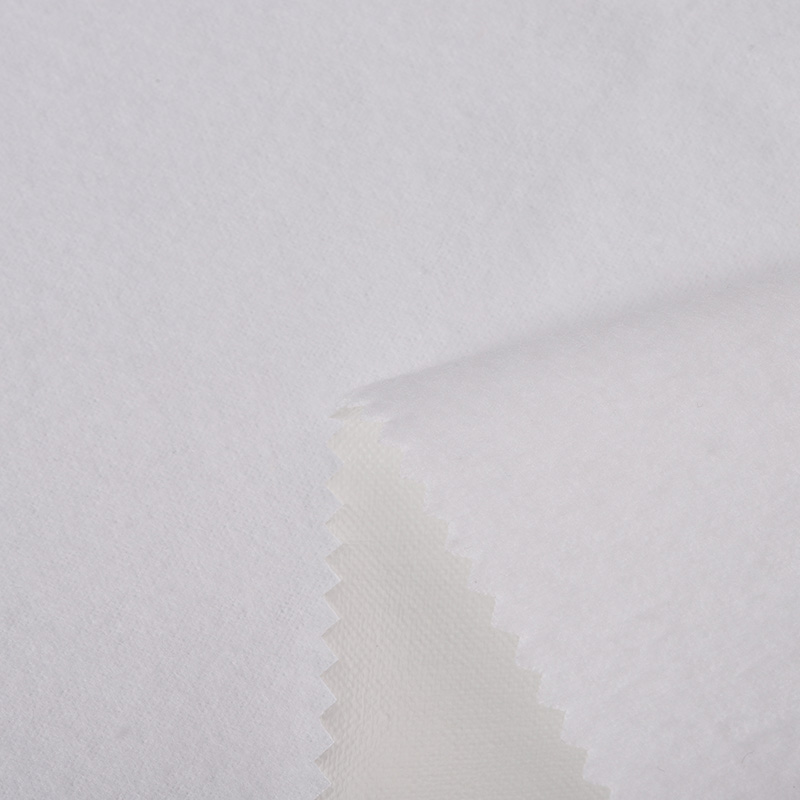
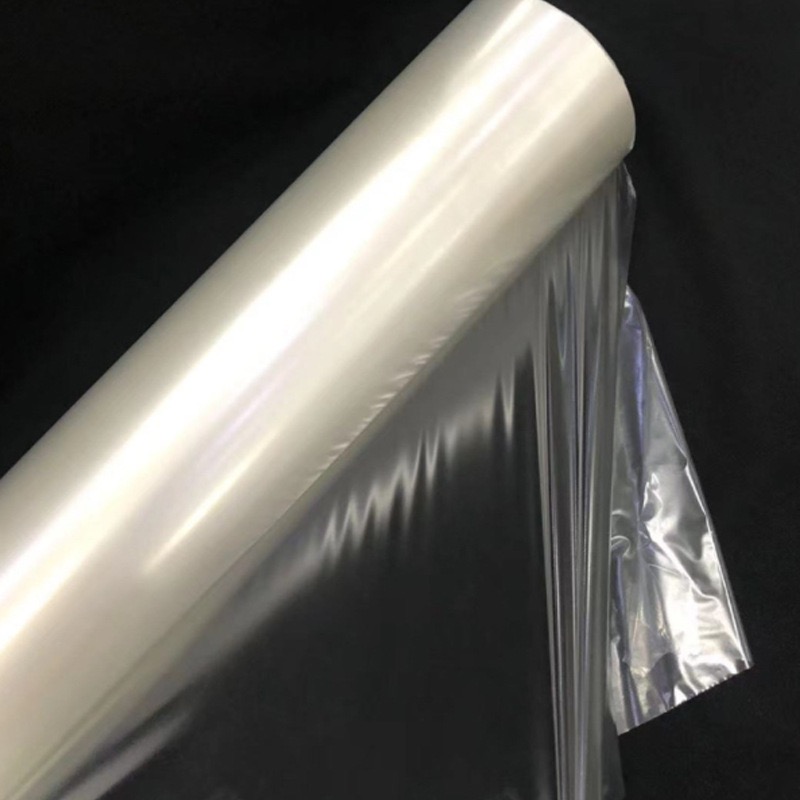
Step 5 — Finishing treatments. The embossed fabric then receives functional coatings or laminations tailored to the end-use specification. A DWR (durable water repellent) finish is standard for outerwear. Downproof coating — typically a calendering pass or thin PU/TPU layer — is applied to close any residual porosity in the weave. Some constructions receive an anti-static or moisture-wicking finish for performance applications. Learn more about how surface patterns influence both the performance and style of channel down jackets in outerwear design.
How the 3D Channel Structure Is Formed
The term "channel" refers to the long, tubular compartments formed across the face of the jacket that contain and separate the down filling. In traditional down jackets, channels are created by stitching — needle and thread physically divide the inner baffle space. The problem with stitched channels is well known: every needle hole is a pathway for down fiber to migrate outward, and for cold air to penetrate inward along the stitch line.
In 3D embossed channel fabric, the channel walls are formed by the embossing rollers themselves. The recessed lines on the roller produce raised ridges on the fabric that, when the fabric is assembled into a jacket panel, create physical barriers between adjacent down compartments — without any stitching. This seamless channel formation is the central performance advantage of this construction over traditional quilted alternatives.
The depth and width of the embossed channels determine how much down each compartment holds and how evenly the filling distributes across the garment. Shallower channels suit lightweight jackets intended for layering; deeper, wider channels are specified for expedition-grade outerwear where maximum loft and thermal resistance are the priority. Explore the research on how 3D channel fabric improves warmth retention over traditional down jacket constructions for a quantified comparison.
Because the channel geometry is locked into the fabric during embossing rather than applied afterward through assembly, the compartments maintain their shape and position through repeated washing, compression, and wear cycles — a durability characteristic that stitched baffles cannot match.
Key Performance Specs Buyers Should Know
Specifying 3D embossed channel down fabric for a production run requires more than selecting a pattern. The following parameters directly determine whether the fabric will perform to specification in the finished garment.
| Parameter | Typical Range | Why It Matters |
|---|---|---|
| Yarn denier | 50D – 100D | Lower denier = lighter weight; higher denier = greater durability |
| Thread count (T) | 300T – 380T | Higher thread count supports better downproof performance |
| Fabric weight (GSM) | 50 – 90 g/m² | Determines hand feel, pack size, and warmth-to-weight ratio |
| Downproof rating | ≤ 3 down fibers per 50 cm² per test cycle | Standard EN 12132-1 threshold for down containment |
| Water column (waterproof) | 1,000 – 5,000 mm | Higher ratings needed for active or alpine outerwear end-uses |
| Emboss depth | 0.3 – 1.2 mm | Determines channel wall height and down compartment stability |
Request certified lab test reports — particularly for downproof and waterproof performance — before confirming a supplier. A fabric that passes visual inspection but fails downproof testing will return significant warranty and quality costs at the brand level. See a full breakdown of waterproof and downproof options for puff winter jackets to understand how these specifications map to real product categories.
Sustainable Options in Modern Production
Recycled polyester — sourced from post-consumer PET bottles or pre-consumer textile waste — is now a commercially viable base material for embossed channel down fabric. GRS (Global Recycled Standard) certification allows brands to make verified recycled content claims in their product marketing, an increasingly important requirement for European and North American retail accounts.
From a manufacturing standpoint, recycled polyester performs comparably to virgin fiber in the embossing process: its thermal response and weave density can be engineered to the same specifications. The tradeoff — a modest cost premium and tighter supply chain management requirements — is one that most volume buyers in the outdoor segment are now willing to accept given retailer and consumer pressure on sustainability credentials.
Solvent-free lamination processes are replacing older solvent-based coating systems at progressive mills, reducing VOC emissions and aligning production with bluesign® and OEKO-TEX® certification pathways. For buyers building responsible sourcing programs, these process-level certifications carry as much weight as the recycled content of the fabric itself. Review the full landscape of sustainable sourcing and recycling solutions for laminated channel down fabrics when structuring supplier requirements.
Choosing a Reliable Manufacturer
The quality of 3D embossed channel fabric is almost entirely a function of the manufacturer's equipment precision and process discipline. A mill with worn embossing rollers will produce shallow, inconsistent channel depths across a roll — a defect that only appears after fabric is cut and sewn, at which point the cost of remediation falls on the garment maker.
When evaluating a potential supplier, ask for documentation on roller maintenance schedules and replacement cycles. Request production samples from at least three different production runs, not just one, to assess batch-to-batch consistency. Confirm that the mill conducts in-line downproof testing rather than relying solely on end-of-batch sampling — the former catches process drift before it contaminates a full roll, the latter catches it too late.
Lead time, minimum order quantities, and custom pattern capability round out the practical evaluation. Mills with in-house CNC roller engraving can produce proprietary channel patterns that differentiate a brand's product line; those relying on outsourced tooling will have longer development cycles and less flexibility on design iteration. Establish these capabilities upfront, and build sample testing requirements into the purchase agreement before committing to production volume.