
 English
 CN
CNContent
At Wujiang Fuhuang Textile, we spend most of our working day talking with outdoor brands, bag makers, and home-textile buyers about how fabric behaves when rain hits. One of the most common questions we hear is deceptively simple: what is the real difference between water resistant and water repellent? The two phrases sound almost interchangeable, and many product listings use them as if they mean the same thing. In production, they describe different surface behaviors and different levels of protection. Getting the terminology right helps you specify the correct finish, avoid overpaying for unnecessary performance, and set accurate expectations for your end users. It also helps you compare quotations from different suppliers on a like-for-like basis, because a fabric that is merely water repellent is not the same as one that has been engineered for sustained water resistance.
What Water Resistant Means
Water resistant is the broader, more forgiving term. A water-resistant fabric can slow down or partially block water penetration, but it is not designed to keep water out indefinitely under pressure. Resistance usually comes from three places: a tight weave, a coating, or a laminated membrane. A densely woven polyester or nylon can be naturally water resistant, while a PU coating or a TPU film pushes the performance higher. In practical terms, a water-resistant jacket can handle light rain, splashes, and short exposure. It may eventually wet out if rain continues, especially along seams and high-abrasion areas. In our test lab, water-resistant fabrics often sit in the lower hydrostatic head range, but they can still be perfectly suitable for commuting, travel, and everyday outerwear. The key is to match the level of resistance to the real conditions your customer will face, rather than assuming that every water-resistant label means the same thing.
What Water Repellent Means
Water repellent describes the way water behaves on the surface. A repellent finish lowers surface tension so raindrops bead up and roll off instead of spreading into the fabric. This is usually achieved with a durable water repellent treatment applied during dyeing or finishing. The fabric itself may not block water under pressure, but it resists saturation long enough to keep the wearer comfortable in drizzle or a brief shower. Repellency is measured with a spray test, where a rating of 5 means water beads and runs off cleanly, while lower ratings show partial wetting. The important point is that repellency is a surface effect. It can fade with abrasion, dirt, detergent residue, and repeated washing. That is why a jacket that once shed water beautifully may start to soak through after a season of heavy use, even though the membrane underneath is still intact. For buyers, this means that a water-repellent finish is a performance feature that needs to be specified, tested, and maintained, not a permanent property of the base cloth.
The Core Differences at a Glance
The table below summarizes how water repellent, water resistant, and waterproof fabrics differ in mechanism, testing, real-world rain performance, and typical applications. We use this framework with our own customers when they are choosing between a lightweight repellent shell and a fully laminated waterproof system.
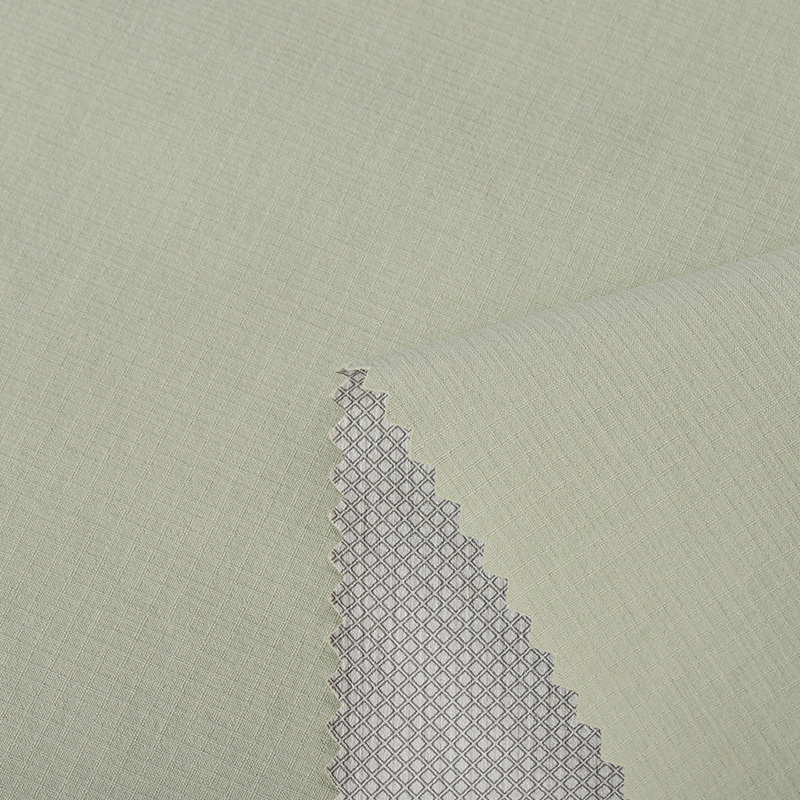
 TPU/PU/PTFE/TPEE Blackout Membrane ManufacturersTwo Layers Outdoor Functional Waterproof Fabric (16)View Product →
| Property | Water Repellent | Water Resistant | Waterproof |
|---|---|---|---|
| Primary mechanism | Surface tension is lowered by a DWR finish | Dense weave, coating, or laminated membrane slows penetration | Sealed membrane or fully coated construction blocks water under pressure |
| Typical test | AATCC 22 spray test | AATCC 127 hydrostatic head or rain test | High hydrostatic head plus seam sealing and construction checks |
| Rain performance | Light rain, drizzle, short exposure | Light to moderate rain, splashes, brief storms | Sustained rain, pressure, wet environments |
| Common applications | Outer shell fabrics, down jacket shells, umbrellas | Daily jackets, bags, light outdoor gear | Technical outerwear, rainwear, tents, medical barriers |
| Main limitation | Finish wears off and needs re-treatment | Can wet out in prolonged rain | Heavier, less breathable, higher cost |
How the Industry Tests Both
Testing is where the difference becomes measurable. The AATCC 22 spray test evaluates repellency by spraying water onto a fabric sample and comparing the wetting pattern against a standard rating chart. A score of 5 indicates that water beads and runs off, while a score of 0 means the surface is completely wetted. The AATCC 127 hydrostatic head test measures resistance to pressure by raising a column of water against the fabric until droplets appear on the other side. A higher number in millimeters means greater resistance. For waterproof claims, brands often combine hydrostatic head results with seam sealing and rain-room testing. If you want to understand how to read these numbers without being misled by marketing language, our technical article on how to evaluate the real waterproof rating of outdoor fabrics walks through the practical details. In our own production, we test both the base fabric and the finished laminated roll, because repellency and resistance can change after coating, laminating, and washing.
Why the Distinction Matters by End Product
Different end products need different balances. A lightweight running jacket may only need a water-repellent shell to handle drizzle, while a mountaineering hardshell needs a water-resistant membrane and fully sealed seams. Down jackets are a good example: the outer fabric must repel water to protect the down filling, but it does not always need to be waterproof. For bags and luggage, a water-resistant Oxford fabric with a PU coating is often enough, and it keeps the product affordable. Rainwear and tents are different: they need a waterproof construction, usually achieved through a TPU lamination or a heavy PU coating. Home textiles and baby products add another layer of consideration, because safety, softness, and washability matter as much as rain protection.
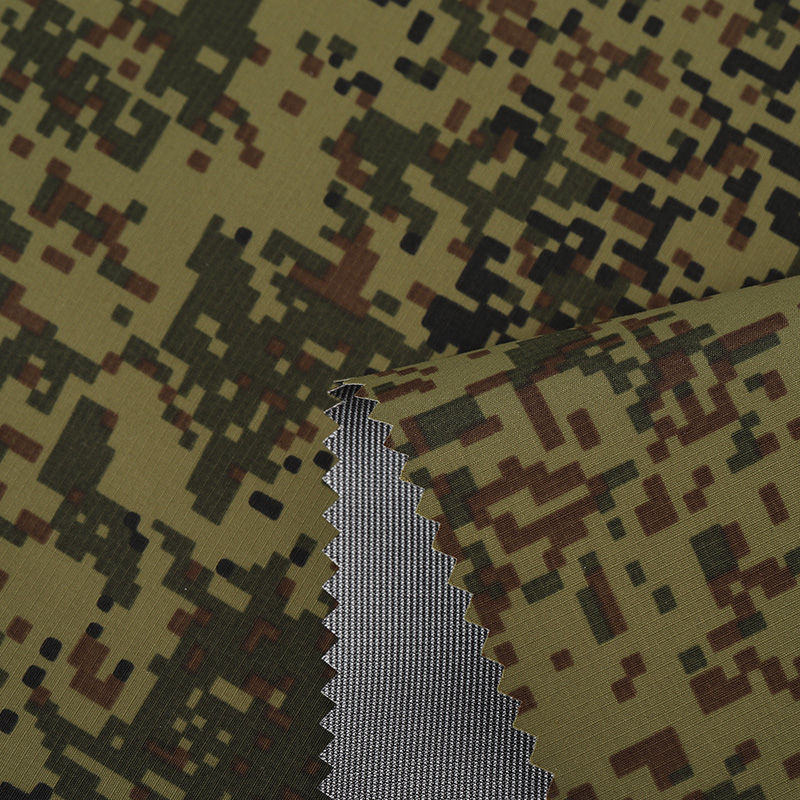
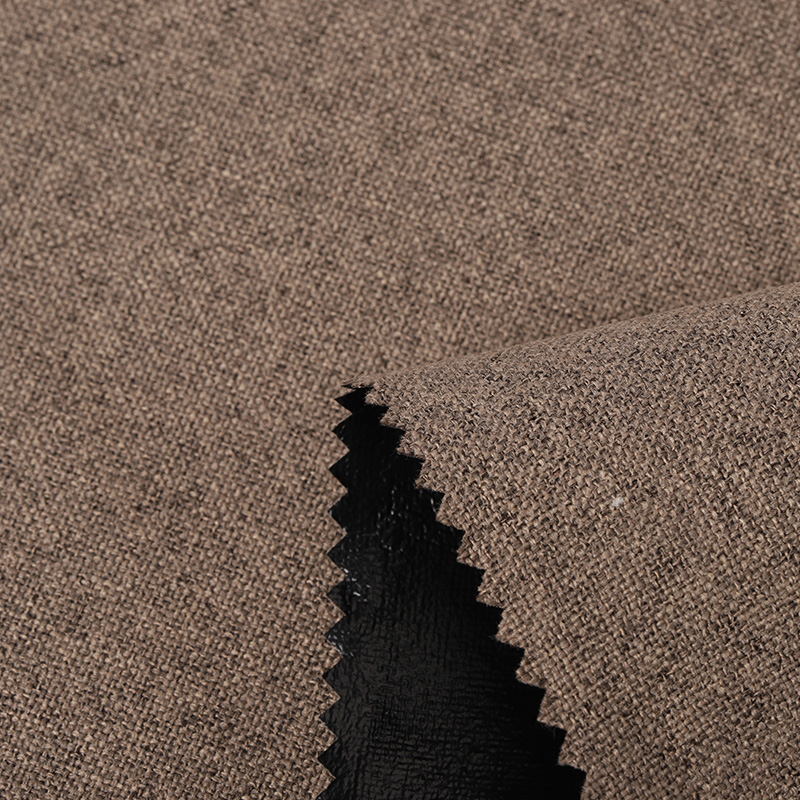 Two Layers Outdoor Functional Waterproof Fabrics ManufacturersTwo Layers Outdoor Functional Waterproof Fabric (16)View Product →
For outdoor apparel, two-layer and three-layer laminated fabrics are the workhorses. The outer face is treated for water repellency, while the membrane provides water resistance and breathability. When buyers ask us how to choose between them, we usually start with the activity, the expected rain duration, and the comfort requirements. You can see the broader range of constructions we produce at our textile mill, where we keep TPU, PU, PTFE, and TPEE membranes in stock for fast sampling and bulk production.
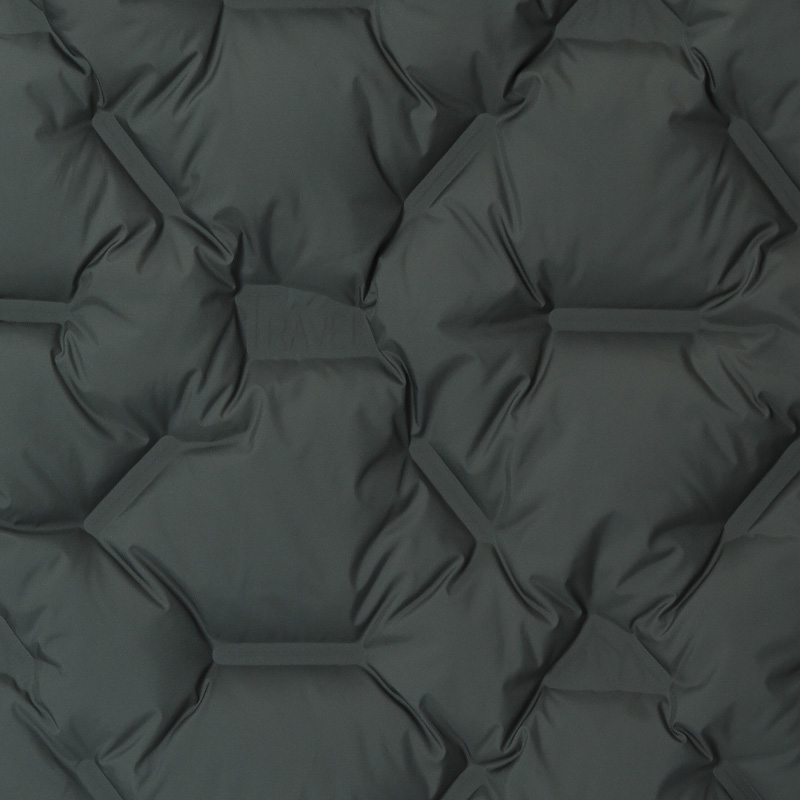
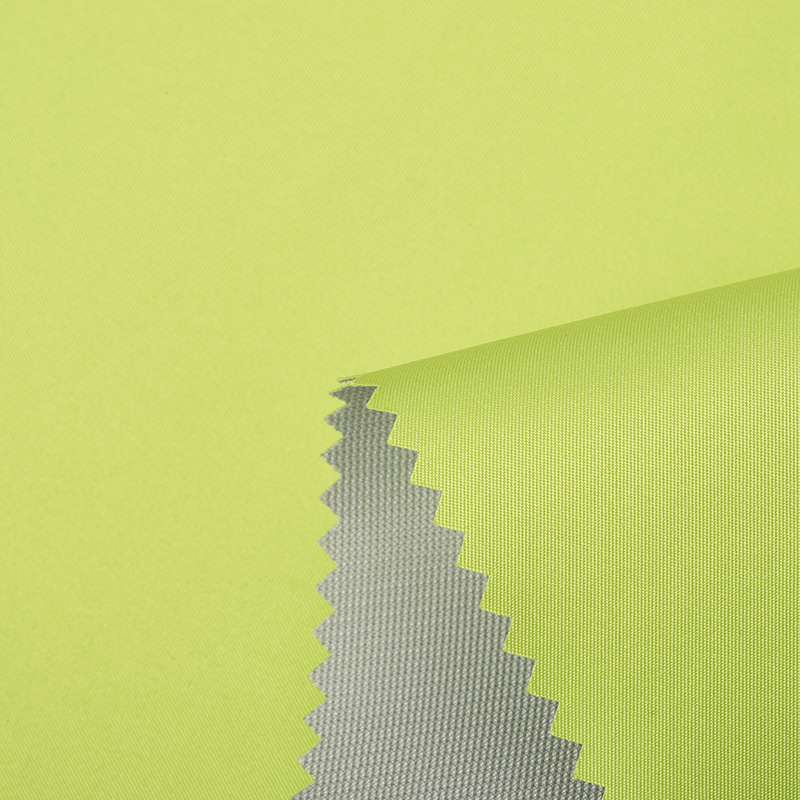 3 Layers Film Softshell Outdoor Waterproof Tpu Fabrics ManufacturersTwo Layers Outdoor Functional Waterproof Fabric (16)View Product →
Common Misunderstandings and Care Tips
Even experienced buyers sometimes treat the terms as a ladder: repellent at the bottom, resistant in the middle, and waterproof at the top. That is a useful simplification, but it hides important differences. A water-repellent fabric can be very effective in light rain, yet it may have almost no hydrostatic resistance. A water-resistant fabric can block pressure for a while, but it may still wet out through the surface if the repellent finish has worn off. Waterproof is the strongest claim, and it should always be supported by test data, seam sealing, and a clear definition of the conditions it can handle.
- Water repellent means water beads and rolls off the surface; it does not mean the fabric is impermeable.
- Water resistant means the fabric slows or blocks penetration to a defined degree, often measured by hydrostatic head.
- Waterproof means the fabric and construction can keep water out under sustained pressure, including seams and closures.
- Washing with harsh detergent or fabric softener can strip a DWR finish and reduce repellency.
- Gentle washing and low-temperature tumble drying can sometimes reactivate a DWR finish, but worn finishes need re-treatment.
We always recommend that brands include care instructions with the final garment, because the customer experience after ten washes matters as much as the lab result on day one.
How We Support Buyers at Fuhuang Textile
Our company was founded in 2010 and began focusing on outdoor waterproof fabrics in 2013. Over the past fifteen years, we have built our production around lamination and coating, with twenty PUR laminating machines and a daily capacity of 200,000 meters. We keep TPU, PU, PTFE, and TPEE membranes in stock, which helps shorten lead times for sampling and bulk orders. Beyond standard two-layer and three-layer constructions, we work with aerogel functional fabrics, GRS recycled options, and bio-based waterproof laminates. Quality control runs through every production stage, from incoming membrane inspection to final roll testing, and we offer ODM logo customization for brands that want a differentiated look. Whether you need a light repellent shell or a high-hydrostatic waterproof system, our team can help you match the finish, membrane, and construction to the end use.
Final Thoughts
The difference between water resistant and water repellent comes down to what the fabric is actually doing. Repellency is a surface behavior that makes water bead and run off. Resistance is a barrier behavior that slows or blocks water penetration, usually measured by hydrostatic head. Waterproof combines both with sealed construction for sustained protection. When you specify fabric, ask for the test method, the target rating, and the expected care conditions. That conversation will save you from costly returns, disappointed customers, and the vague marketing language that still surrounds rain protection. If you are planning a new outdoor, bag, home-textile, or rainwear program, our team is ready to help you choose the right combination of repellent finish, water-resistant membrane, and waterproof construction.