
 English
 CN
CNContent
- 1 What a DWR Finish Actually Does to Merino Wool
- 2 How DWR Changes Merino Performance
- 3 The Three Real Problems With DWR on Merino
- 4 When Treating Merino Makes Sense and When It Does Not
- 5 Re-Proofing Treated Merino: A Care Sequence That Works
- 6 A Layering Strategy: Natural Wool Inside, DWR on the Shell
- 7 How We Approach Water Repellency on the Production Floor
- 8 Frequently Asked Questions
Does DWR treatment affect merino wool? It is one of the first questions we hear from brands developing a wool-blend jacket, a travel shirt, or a premium base layer program. The short answer is yes, but not in the way most people expect. A durable water repellent finish changes the surface of a fabric far more than it changes the fiber itself, and on wool that distinction matters a great deal.
In this guide we walk through what a DWR finish really does to merino, where it genuinely helps, where it creates headaches on the production floor, and how to decide whether treated wool is the right answer for your next collection.
What a DWR Finish Actually Does to Merino Wool
A DWR is a surface treatment. Applied by padding, spraying, or exhaustion, it deposits a thin layer of chemistry across the fiber surface and the gaps between yarns, lowering surface energy so water beads up instead of spreading. The interior of the fiber, the cortex that gives merino its softness and its ability to buffer moisture vapor, is largely untouched.
That point is easy to miss, because merino already carries a degree of natural water resistance. Lanolin, overlapping cuticle scales, and a tight crimp structure all slow water uptake, and a tightly woven wool gabardine can shed a light shower on its own. What natural wool cannot do is shed water consistently after repeated wetting and abrasion. That is the gap a DWR finish fills.
Surface effect, not a waterproof barrier
It helps to separate three ideas that are often blended together: water repellency, water resistance, and waterproofness. DWR delivers the first. It raises the contact angle so rain beads and rolls off, but the fabric still breathes and still wets out eventually under sustained pressure. If you need a real waterproof rating, you need a membrane or a coating behind the face fabric, not simply a finish on top of it.
How DWR Changes Merino Performance
The table below summarizes the practical differences we observe when comparing untreated merino with the same quality finished with a modern, fluorine-free DWR.
| Property | Untreated merino | DWR-treated merino |
|---|---|---|
| Surface water repellency | Absorbs droplets gradually | Beads and sheds light rain |
| Moisture vapor management | Excellent, fiber buffers vapor | Still good, slightly reduced at high add-on |
| Hand feel and drape | Soft, lofty, slightly fuzzy | Firmer, can feel stiff if over-applied |
| Dry time after full wet-out | Slow, fiber holds moisture | Similar once saturated |
| Odor resistance | Naturally high | Unaffected by DWR chemistry |
| Durability of the effect | Not applicable | Typically 10 to 20 washes |
| Heat exposure during finishing | None | Usually requires curing heat |
The Three Real Problems With DWR on Merino
Heat curing versus wool's temperature limits
Most DWR chemistries need curing at roughly 150 to 170 degrees Celsius for 30 to 60 seconds so the repellent can crosslink and orient properly. Merino tolerates that poorly. Prolonged heat in a moist state can yellow the fiber, weaken it, and encourage felting, while also stripping natural lanolin. Low-temperature and air-cure systems exist, but they often trade away wash durability. In wool and polyester blends the polyester handles the heat easily, yet the wool component sets the real ceiling for the whole recipe.
Lanolin and softener residues
Residual lanolin, silicone hand modifiers, and softener residues can prevent the finish from anchoring evenly, which shows up as patchy beading rather than uniform repellency. Careful scouring, controlled pH, and consistent wet pickup before padding are what separate a reliable result from a lottery.
Add-on weight and hand feel
Typical add-on runs from 1 to 3 percent on weight of fabric. Push higher and the fabric stiffens, the natural softness dulls, and the drape that made you choose merino in the first place begins to disappear.
When Treating Merino Makes Sense and When It Does Not
The decision is usually less about chemistry than about where the fabric sits in the garment.
Good candidates for DWR-treated merino
- Outer shells and hybrid jackets with a wool face where light rain and wind protection matter
- Travel, commuting, and city outerwear where spot cleaning and quick drying are valued
- Tightly woven gabardine, twill, and wool-rich blends with a stable, dense surface
- Accessories such as hats, gloves, and wool-blend bags where skin contact is limited
Better left untreated
- Next-to-skin base layers, where a finish can interfere with vapor buffering and wicking
- Infant and children's wool products, where skin sensitivity is highest
- Brushed, lofty, or open-knit wool where finish distribution is impossible to control
- Programs with strict chemical compliance targets that have not been tested and documented
Re-Proofing Treated Merino: A Care Sequence That Works
DWR performance usually fails for one of two reasons: contamination or abrasion. Cleaning correctly restores most of what dirt and body oils take away.
- Wash with a pH-neutral, wool-safe detergent, never with fabric softener, bleach, or alkaline powder.
- Rinse thoroughly in cool water, since residues are the leading cause of premature wet-out.
- Dry flat or on a low heat setting, following the care label rather than habit.
- Apply a spray-on or wash-in re-proofer formulated for wool, using light even passes at 20 to 30 centimeters.
- Activate the finish as instructed, whether by gentle warmth or air curing, without exceeding wool's temperature limits.
- Allow 24 hours to cure, then test beading on a hidden area before the garment goes back into rotation.
A Layering Strategy: Natural Wool Inside, DWR on the Shell
For most outdoor programs, the more robust answer is not to treat the wool at all. Keep merino against the skin where its moisture management and odor resistance shine, and move water repellency onto the shell where it can be engineered properly. If you want the wider picture of how repellent and waterproof layers interact, our practical guide on how waterproof fabric works is a useful starting point.
That is exactly where laminated constructions earn their place. A two-layer build pairs a face fabric with a functional membrane, while a three-layer build adds a protective tricot or knit backing so the membrane never sits exposed.
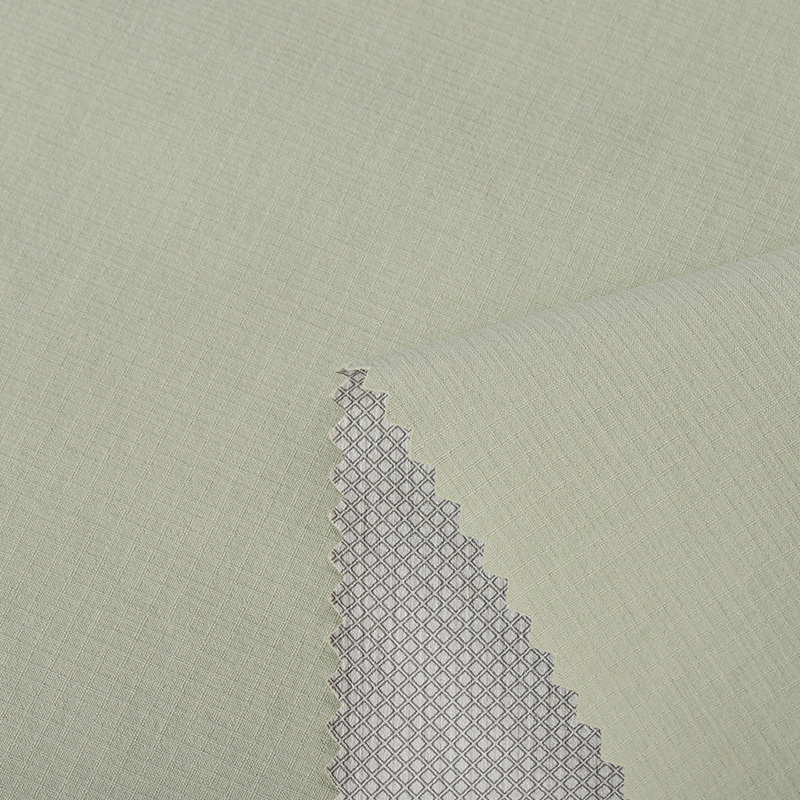
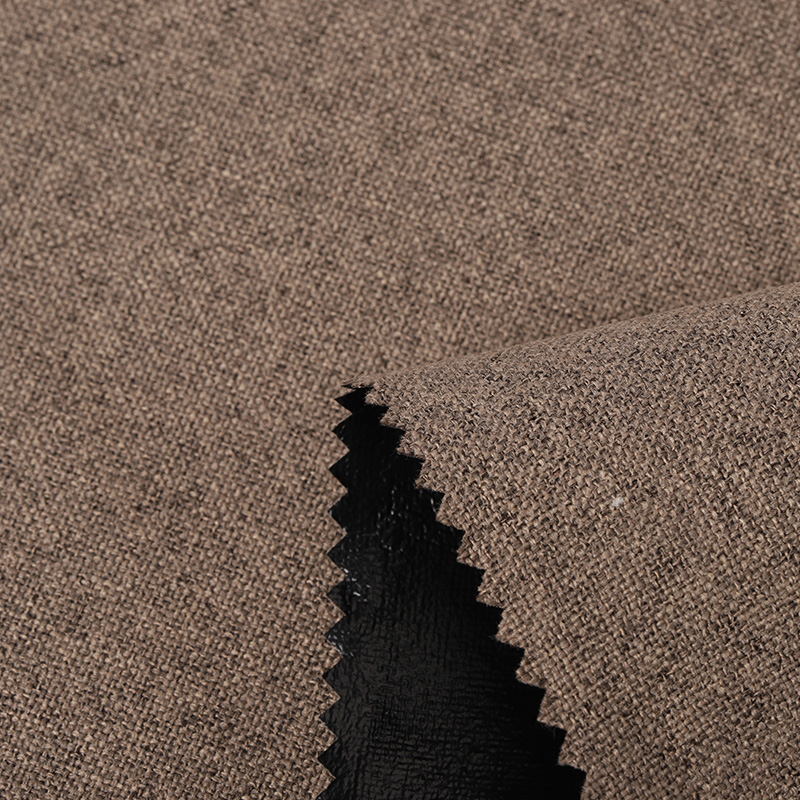 Two Layers Outdoor Functional Waterproof Fabrics ManufacturersTwo Layers Outdoor Functional Waterproof Fabric (16)View Product →
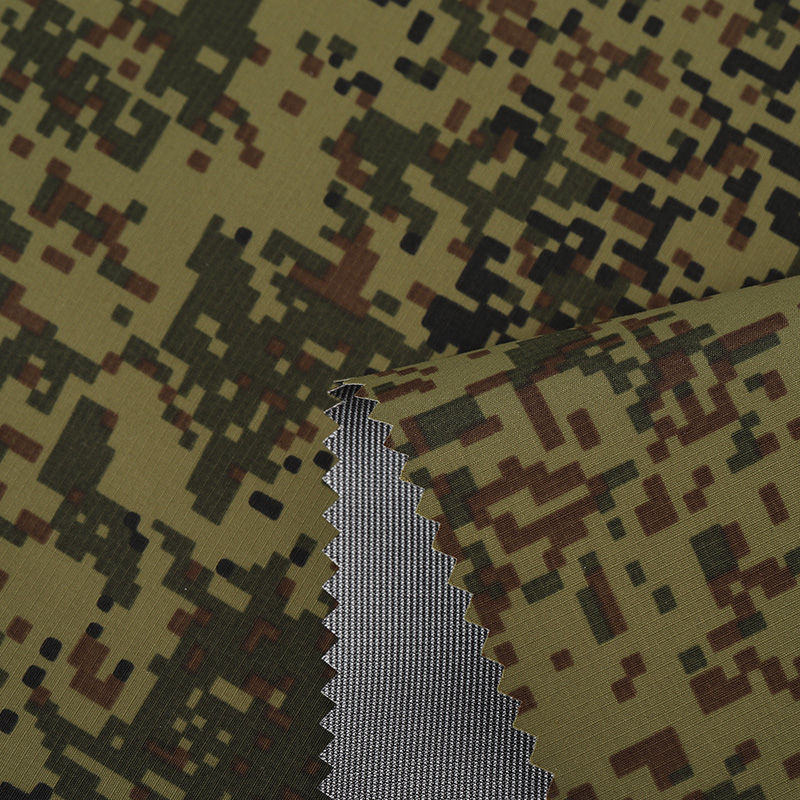
  3 Layers Film Softshell Outdoor Waterproof Tpu Fabrics ManufacturersTwo Layers Outdoor Functional Waterproof Fabric (16)View Product →
How We Approach Water Repellency on the Production Floor
At Fuhuang Textile we have been laminating and coating functional fabrics since 2013, and this question arrives in almost every wool-blend brief. Our answer is usually a combination: a wool-rich inner layer left chemically clean, paired with a laminated shell carrying the repellency. With 20 PUR lamination machines running to roughly 200,000 meters per day, and TPU, PU, PTFE, and TPEE membranes held in stock, we can tune the membrane, the face fabric, and the finish together rather than treating them as separate purchases.
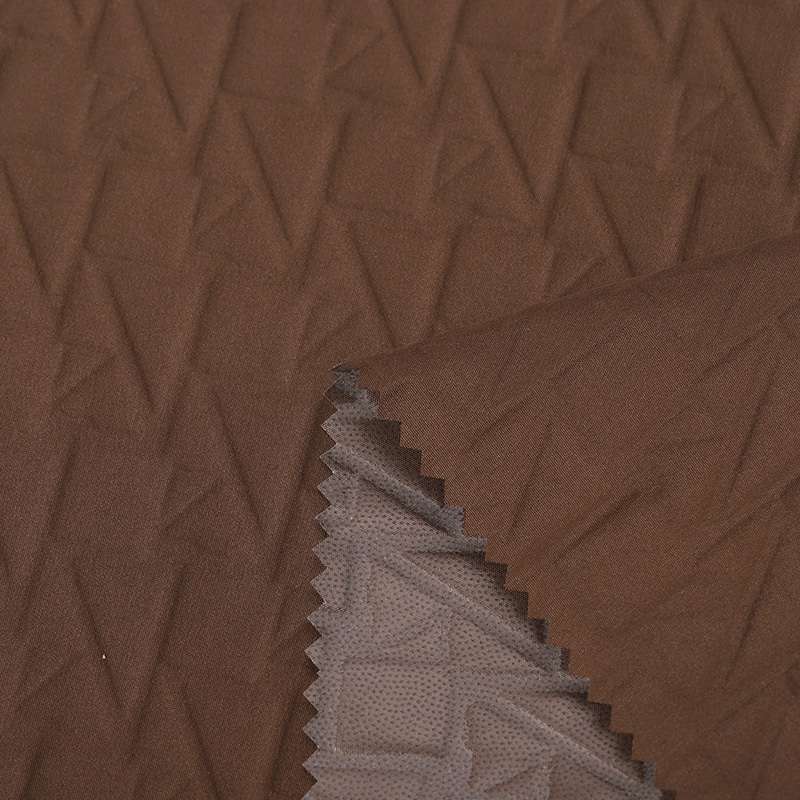
 TPU/PU/PTFE/TPEE Blackout Membrane ManufacturersTwo Layers Outdoor Functional Waterproof Fabric (16)View Product →
Frequently Asked Questions
Does DWR treatment make merino wool waterproof?
No. It makes the surface water repellent, which means light rain beads and rolls off. A fabric still wets out under sustained pressure unless a membrane or coating sits behind it.
Does DWR affect wool's breathability or odor resistance?
Odor resistance is essentially unchanged, because it comes from the fiber's internal structure. Breathability is largely preserved at normal add-on levels, though heavy application can reduce vapor transfer and stiffen the hand.
Can merino be re-proofed at home?
Yes, with a wool-safe re-proofer and a gentle care routine. Wash first to remove oils and dirt, apply the product evenly, cure it fully, and test on a hidden area before relying on it in real weather.
The takeaway is straightforward: DWR treatment does affect merino wool, mostly at the surface and mostly in ways you can manage. Treat the wool only when the garment truly needs it, keep the add-on light, respect the fiber's heat limits, and let a laminated shell carry the waterproof load. If you would like to discuss a specific wool-blend concept, you are welcome to review our full range and start a conversation with our team.