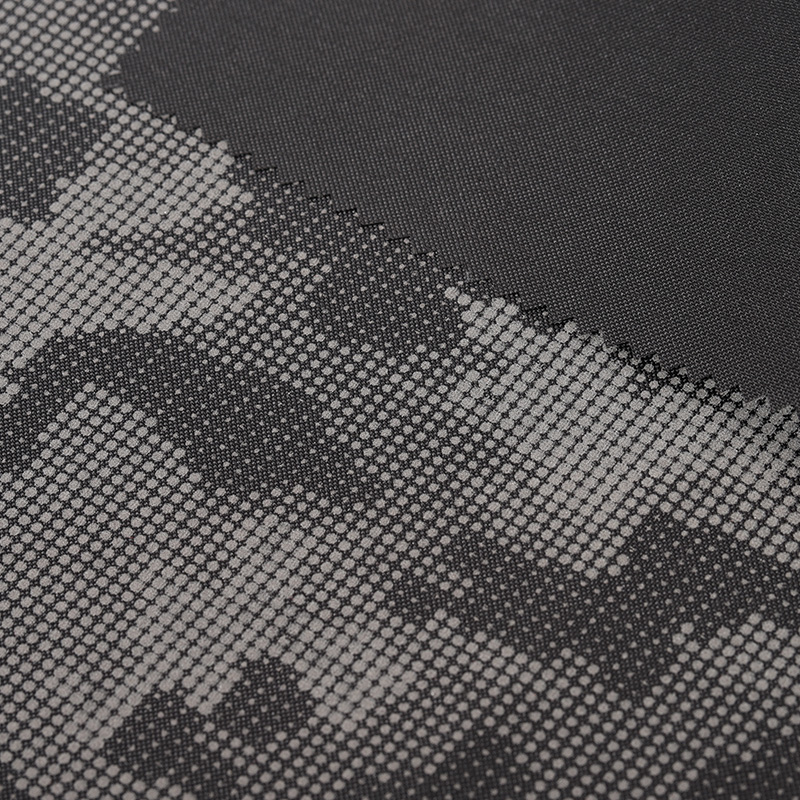

 English
 CN
CNContent
Functional garments are the quiet workhorses of modern clothing: the waterproof shell that keeps a hiker dry through an afternoon of rain, the bib that survives a toddler's lunch, the drape that has to stay clean in a clinic. Their performance is decided long before the sewing line, at the fabric stage. We are Wujiang Fuhuang Textile, a fabric mill in Suzhou, Jiangsu, and since 2013 our team has focused on the lamination and coating work that sits behind garments like these.
What Makes a Garment Functional?
Functional clothing is less a product category than a set of performance targets that a garment has to meet while still being comfortable enough to wear. When buyers approach us, their goals usually cluster around a few familiar themes.
- Water resistance: keeping rain, spills, or bodily fluids on the outside of the fabric.
- Breathability: allowing moisture vapor to escape so the wearer does not overheat during activity.
- Thermal management: holding warmth where it is needed, whether through down channels or insulating films.
- Durability: resisting abrasion, tearing, and repeated washing without losing shape.
- Safety and skin comfort: especially important in children's products, baby textiles, and medical use.
- Environmental responsibility: recycled and bio-based options for brands with sustainability commitments.
No single fabric delivers all of these at once. The job of a functional textile supplier is to find the combination that fits a specific garment, price point, and market, and to be honest about the trade-offs involved.
Membranes and Lamination: The Engine Room
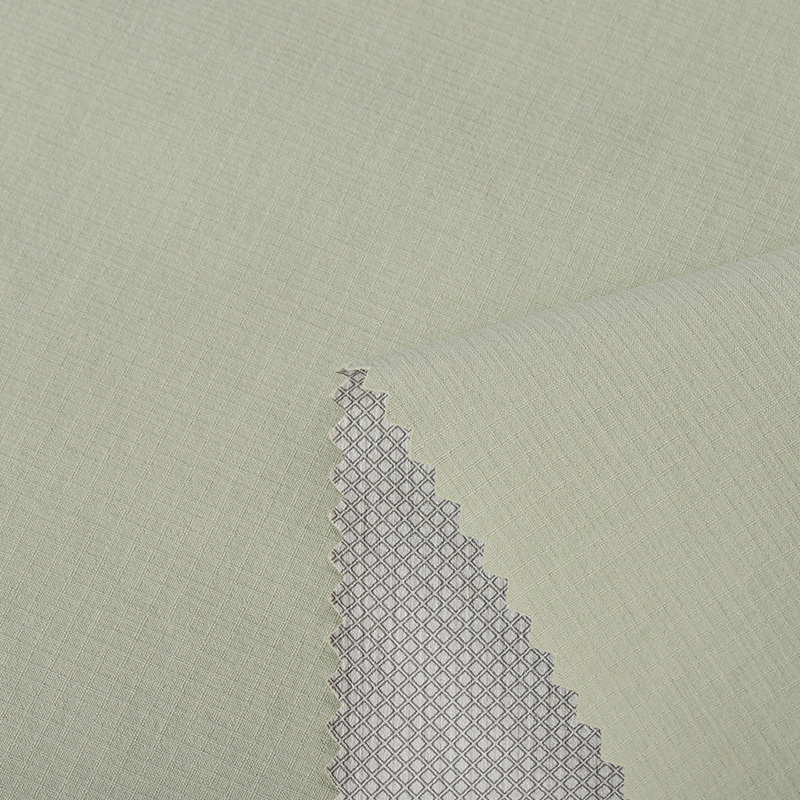
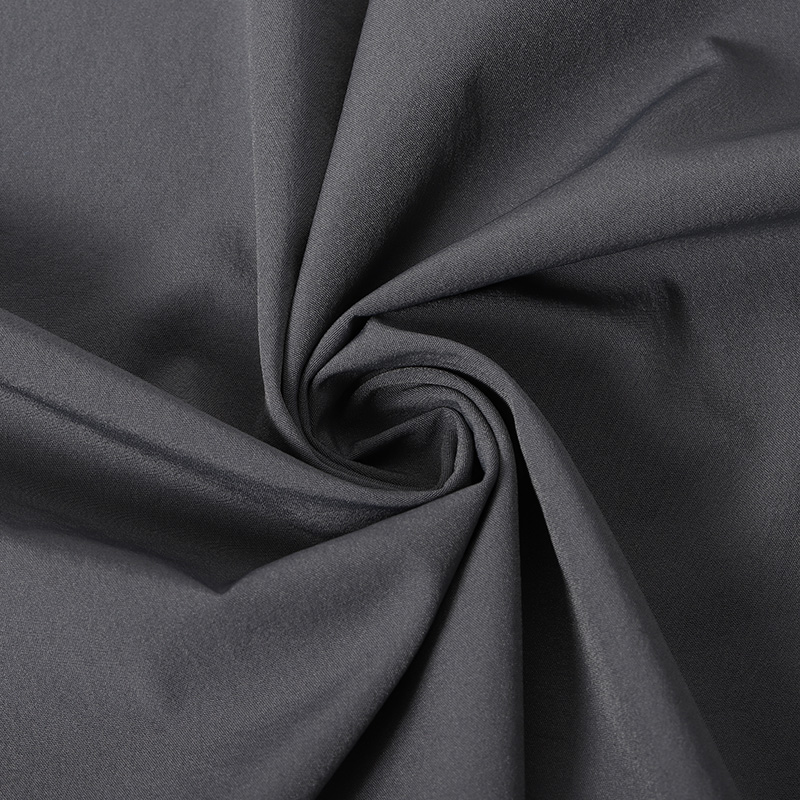
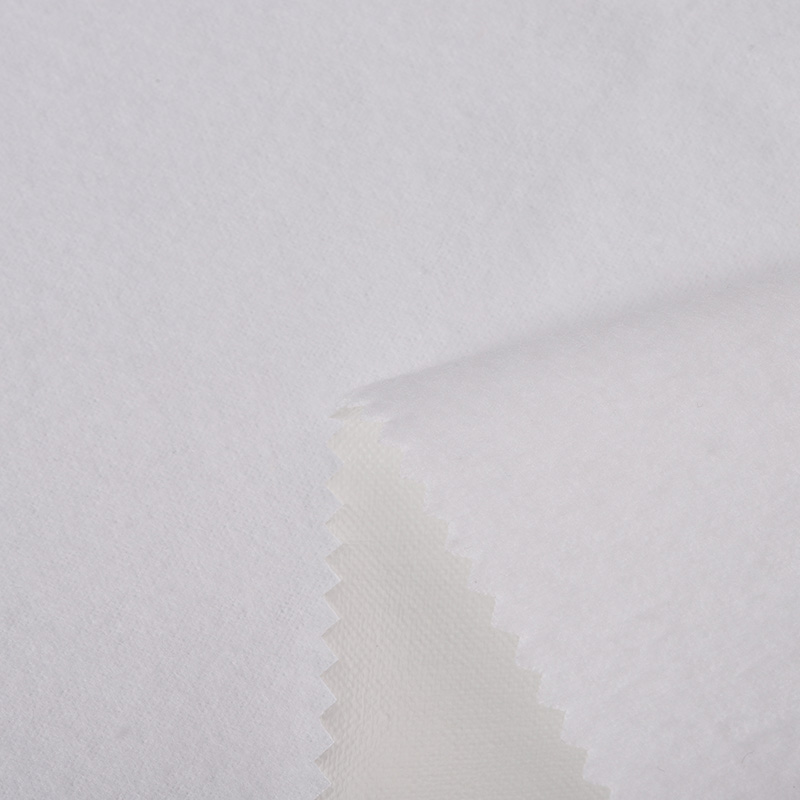
Most functional garments get their protection from a sandwich: an outer face fabric, a functional membrane, and usually a lining or a thin knit backing. In two-layer construction the membrane is bonded to the shell and its back stays exposed, so the garment maker adds a separate lining. Three-layer construction adds a light tricot or mesh layer in the same pass, which gives a cleaner hand and simplifies cutting and sewing. If you are weighing those two routes, our guide to 2-layer versus 3-layer waterproof fabric walks through the practical differences.
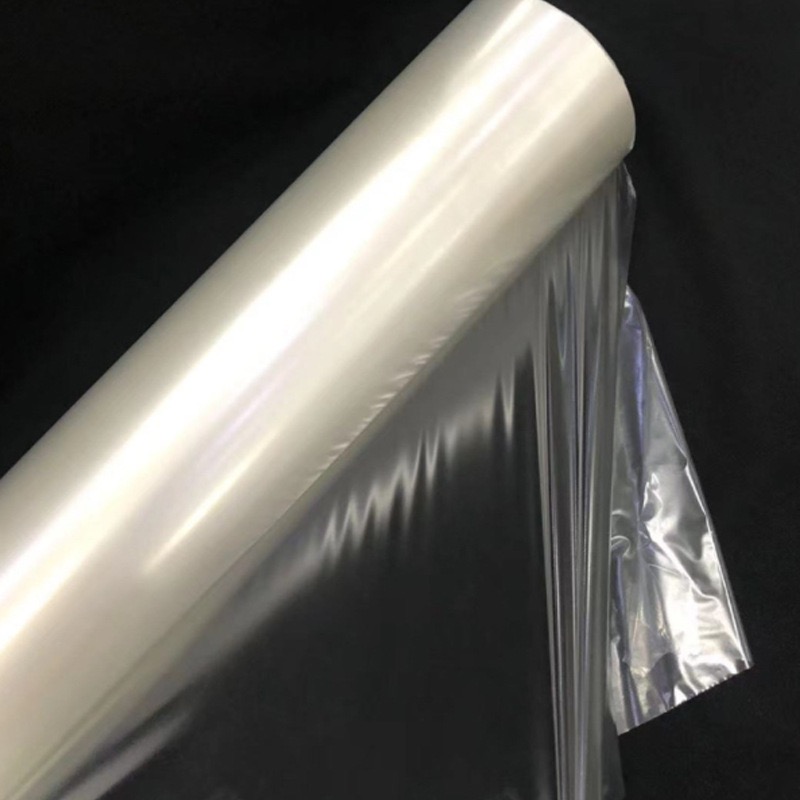
Underneath everything sits the film. We laminate with reactive PUR adhesives and keep TPU, PU, PTFE, and TPEE membranes in stock, so sampling does not stall waiting for material. Each family behaves differently in use, and the right choice depends on what the garment has to survive.
| Membrane | What it does well | Typical functional garment uses |
|---|---|---|
| TPU | Soft hand, good stretch, easy to laminate | Jackets, rainwear, children's products, baby diapers and bibs |
| PU | Versatile and cost-effective, works well with coating | Everyday waterproof shells, bags, home textiles |
| PTFE | Very high breathability for its weight | High-output outdoor shells and performance outerwear |
| TPEE | Stable over time and resistant to hydrolysis | Long-life outdoor pieces, baby and medical textiles |
| Aerogel | Combines insulation with waterproof protection | Cold-weather outerwear and protective layers |
Where These Fabrics End Up
Because the same lamination line can serve very different customers, it helps to look at functional garments by end use rather than by fabric name.
Performance Outerwear and Shells
Two-layer and three-layer waterproof fabrics are the foundation of jackets, softshells, and technical parkas. Here the conversation is usually about waterproof and breathability ratings, the hand of the face fabric, and how the material behaves on a cutting table. Lighter shells for running and cycling prioritize moisture vapor transfer, while heavier shells for alpine use lean toward abrasion resistance and a sturdier backing.
 Three-Layer Outdoor Waterproof Functional Laminated FabricLaminated with face, membrane, and lining options, this waterproof breathable fabric suits technical shells and softshells where protection and construction matter.View Product →
Down Jackets and Cold-Weather Layers
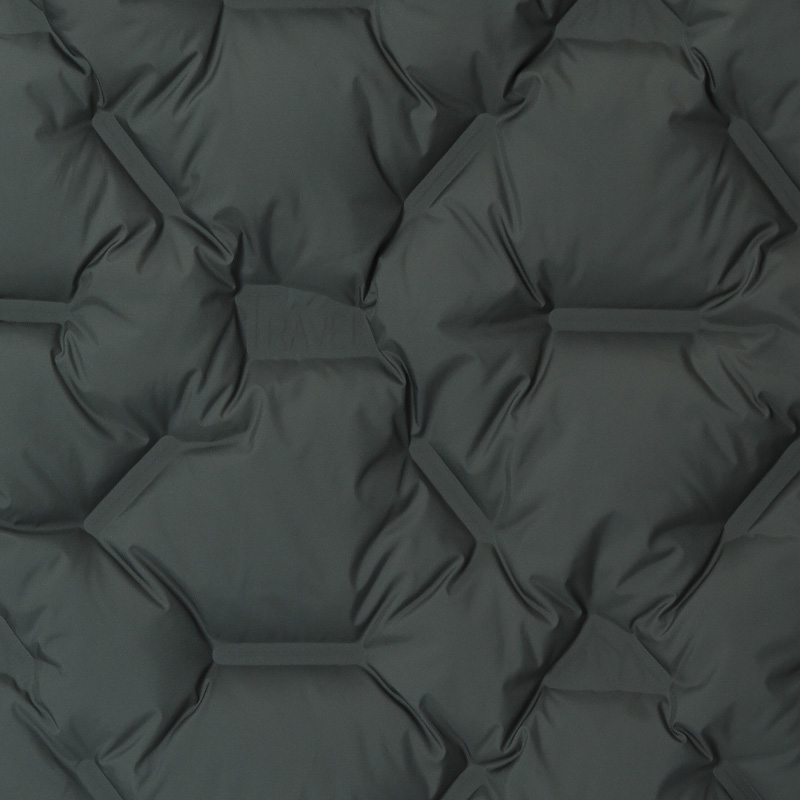
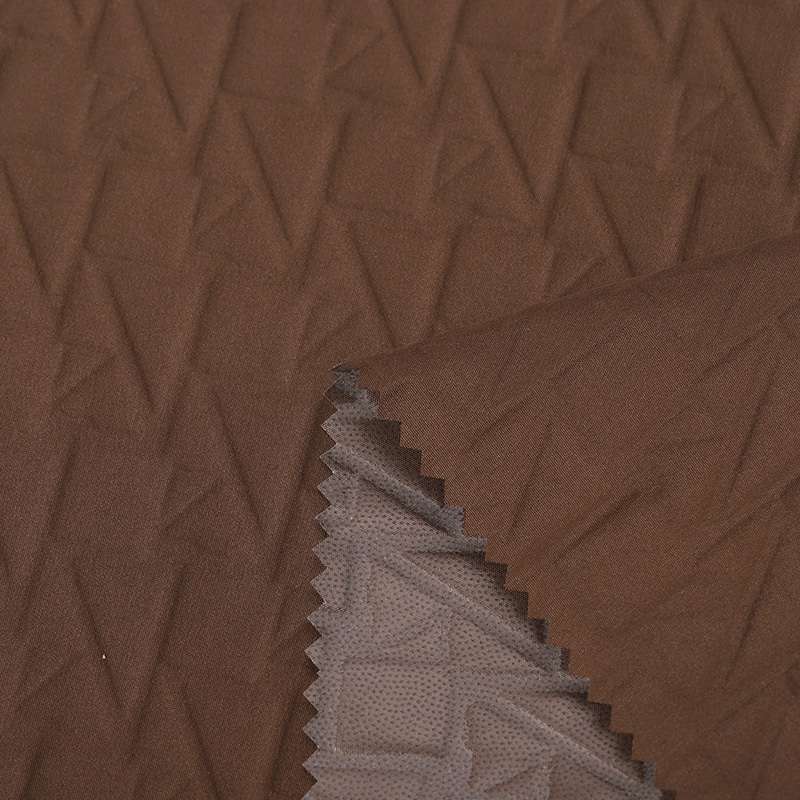
Down jackets have their own rules. The fabric has to hold feathers in, stay light, and still look good after a season of wear. Our 3D channel down jacket fabric, developed from 2018 onward, forms three-dimensional channels that give the garment a fuller look while managing down distribution. We now run more than 3,000 patterns on 24 machines, and we can produce ODM logo customization for brands that want something distinctive.
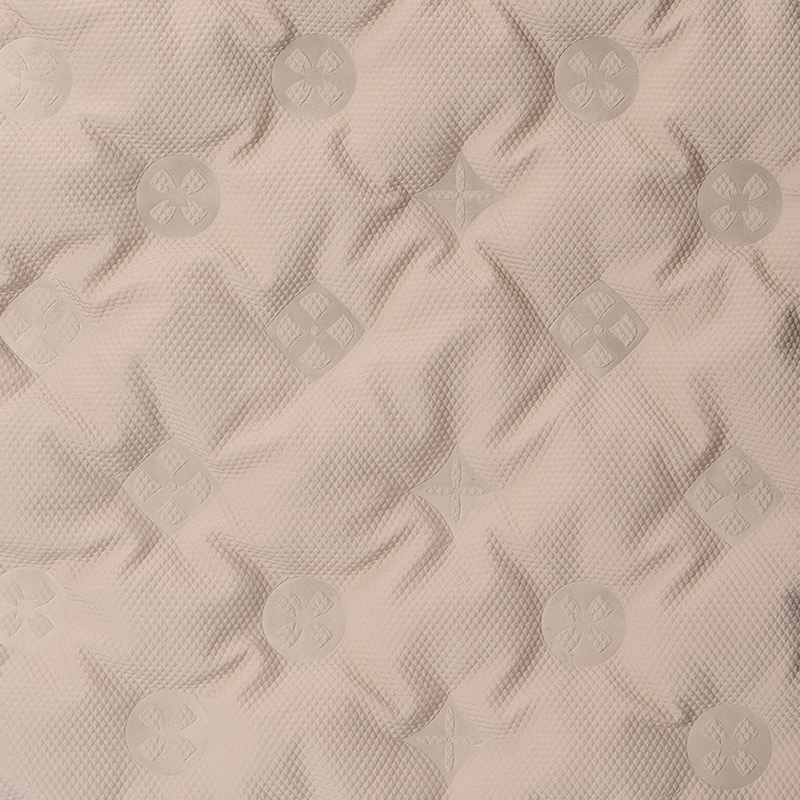 100% Polyester 3D Channel Down Jacket FabricDeveloped for down jackets, this polyester fabric uses a 3D channel structure to manage down, resist leakage, and support direct filling without quilting.View Product →
Where warmth matters more than weight, aerogel is worth a look. Aerogel films and laminated aerogel fabrics pair insulation with waterproof performance, and they suit cold-weather garments where bulk is a problem. We list aerogel functional waterproof fabric in both two-layer and three-layer builds as one of our core recommended series.
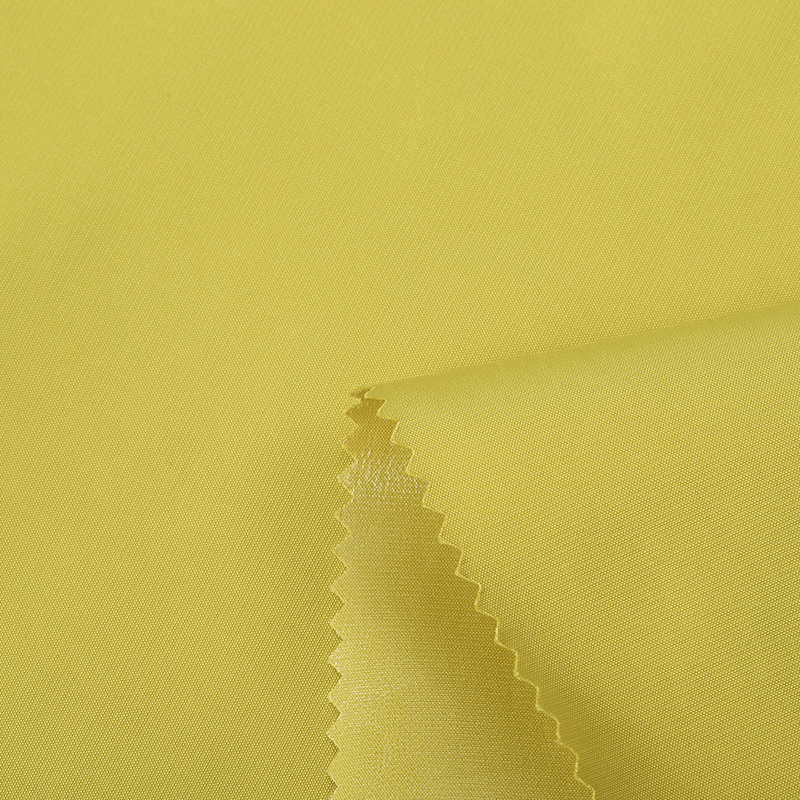 2-Layer and 3-Layer Aerogel Functional Waterproof FabricAerogel-containing laminated fabric in two-, 2.5-, and three-layer builds, offering waterproofness and moisture permeability for cold-weather and outdoor functional applications.View Product →
Baby, Home, and Medical Textiles
Not every functional garment is worn outdoors. TPU and TPEE two-layer fabrics are widely used for baby diapers and bibs, where skin contact, laundering, and softness matter as much as waterproofing. In medical settings we supply non-woven laminated PE composites such as PP+PE and SMS+PE, which serve protective and hygiene applications.
Rainwear, Tents, and Bags
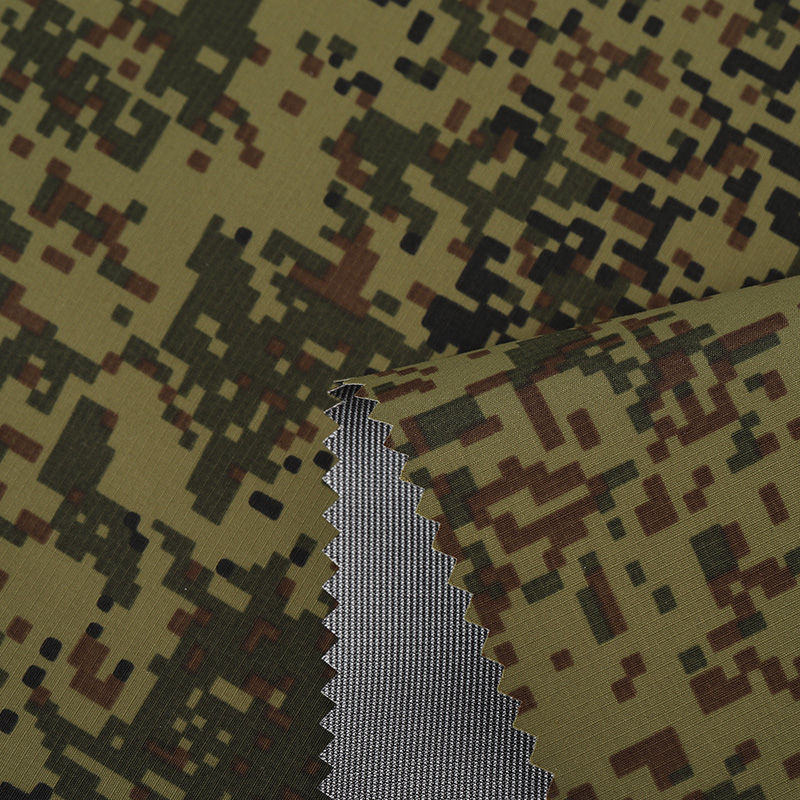
Raincoats, umbrellas, and tent fabrics rely on TPU lamination or PU coating for weather protection, with weight and packability guiding the specification. Oxford cloth, which we supply in coated and printed versions, is a familiar choice for luggage, backpacks, and camping equipment because it stands up to abrasion and holds its structure.
Questions Worth Asking Before You Commit
After fifteen years in this business, we have noticed that projects go smoothly when the specification conversation happens early. These are the questions we would put on the table first.
- What conditions will the garment face: persistent rain, snow, wind, or everyday spills?
- Which combination of waterproof rating and breathability does the end user actually need?
- Does the design call for a two-layer or three-layer build, and who handles the lining?
- Are there recycled, GRS, or bio-based material requirements from your brand or market?
- What is the expected order size, color range, and delivery window?
Answering these honestly prevents the most common disappointment in functional apparel: a fabric that performs beautifully in one climate and feels wrong in another.
Quality, Capacity, and Delivery
We run twenty PUR lamination machines with a daily output of around 200,000 meters, and our membrane stock covers TPU, PU, PTFE, and TPEE so that production does not wait on film supply. Quality control runs through every stage of production rather than only at final inspection.
Some of our polyester and nylon qualities are kept as ready stock, which shortens lead times for repeat programs and fast launches. If you would like to see how the work is organized, you can take a closer look at our factory and lamination lines.
Functional garments succeed when the fabric specification, the garment design, and the end user's real conditions line up. If you are developing something new, send us the performance targets and the intended use, and we will tell you plainly which construction fits and where the limits are. That conversation is usually the fastest way to a fabric that performs as promised.