
 English
 CN
CNContent
- 1 Waterproof Fabric Blocks Liquid Water With a Barrier Layer
- 2 Water Repellency and Waterproofing Are Not the Same
- 3 Hydrostatic Head Measures How Much Water Pressure Fabric Can Resist
- 4 Breathability Controls Comfort, Not Waterproofness
- 5 Layer Construction Changes Durability, Weight, and Feel
- 6 Seams, Zippers, and Openings Are Common Leak Points
- 7 Why Waterproof Fabric Can Still Feel Wet Inside
- 8 How to Choose Waterproof Fabric for Real Use
- 9 Maintenance Keeps Waterproof Fabric Performing Properly
- 10 Conclusion: Waterproof Fabric Works as a Complete System
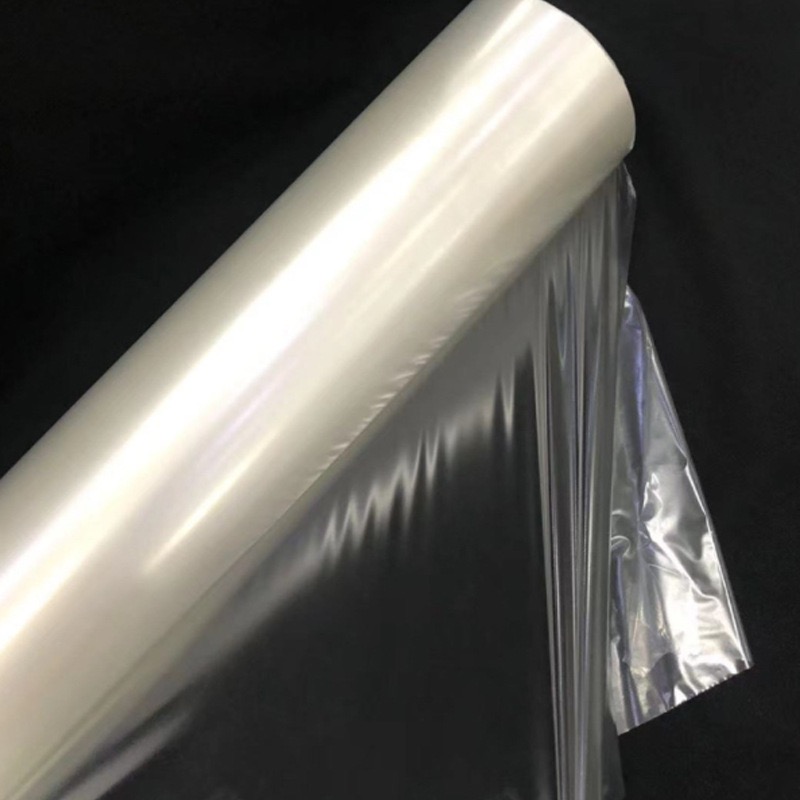
Waterproof fabric works by using a tightly engineered barrier that blocks liquid water from passing through while, in many cases, allowing water vapor from sweat to escape. The barrier may be a microscopic membrane, a chemical coating, or a dense fabric structure treated with a durable water repellent finish.
In practical terms, waterproof fabric must solve three problems at once: stop rain, reduce internal condensation, and stay flexible enough for clothing, bags, tents, footwear, or outdoor covers. The best performance usually comes from the combination of outer water repellency, an internal waterproof layer, sealed seams, and proper maintenance.
Waterproof Fabric Blocks Liquid Water With a Barrier Layer
The core of waterproof fabric is a barrier that prevents liquid water from moving through the material. Rain droplets are much larger than water vapor molecules, so a fabric can be designed to resist rain while still letting some vapor escape.
Microporous membranes
A microporous membrane contains extremely small pores. These pores are small enough to block liquid water but large enough to allow some water vapor to pass. This is one reason many waterproof breathable fabrics feel less clammy than simple plastic-like rainwear.
Hydrophilic coatings
A hydrophilic coating has no visible pores. Instead, it moves moisture vapor through the material by absorbing vapor on the warm, humid side and releasing it toward the cooler, drier side. This process depends strongly on the humidity difference between the inside and outside of the fabric.
Dense woven structures
Some fabrics rely partly on very tightly woven yarns. When the fibers swell slightly after contact with moisture, the gaps become smaller, helping resist water entry. This method is usually more water-resistant than fully waterproof unless combined with coatings or treatments.
Water Repellency and Waterproofing Are Not the Same
A common misunderstanding is that water beading on the surface means the fabric is waterproof. Surface beading is mainly caused by a water repellent finish. True waterproofing comes from the membrane, coating, or laminated barrier beneath or within the fabric.
| Term | How It Works | Typical Result |
|---|---|---|
| Water repellent | Makes droplets bead and roll off the surface | Good for drizzle, not long rain by itself |
| Water-resistant | Slows water entry with dense weave or light treatment | Handles light moisture for a short time |
| Waterproof | Uses a barrier layer to stop water under pressure | Suitable for rain, snow, and wet ground when seams are sealed |
If water stops beading, the fabric may still be waterproof, but it will feel wetter, heavier, and less breathable. This is because a soaked outer face fabric reduces vapor movement and increases condensation inside.
Hydrostatic Head Measures How Much Water Pressure Fabric Can Resist
Waterproof performance is often measured by hydrostatic head. This test shows how tall a column of water the fabric can resist before water begins to pass through. The result is given in millimeters.
| Hydrostatic Head | Practical Meaning | Common Use |
|---|---|---|
| 1,500 mm | Basic rain protection | Light rain jackets, simple shelters |
| 5,000 mm | Moderate waterproof protection | Daily rainwear, school bags, casual outdoor gear |
| 10,000 mm | Reliable protection in heavy rain | Hiking jackets, waterproof pants, performance outerwear |
| 20,000 mm or higher | High resistance to rain and pressure | Alpine clothing, snow gear, expedition equipment |
Pressure matters because real use is not just falling rain. Kneeling on wet ground, sitting on a damp surface, backpack straps pressing on shoulders, or wind-driven rain can push water through weak fabrics. For example, a jacket that survives light vertical rain may leak at the shoulders under a loaded backpack if the waterproof rating is too low or the fabric is worn.
Breathability Controls Comfort, Not Waterproofness
Breathability describes how well moisture vapor can move out of the fabric. It does not mean air passes freely through the material, and it does not guarantee that a garment will stay dry inside during heavy activity.
During walking, the body can produce noticeable moisture. During intense hiking, cycling, or running, sweat production can exceed what many waterproof fabrics can move. When that happens, condensation forms inside even though rain is not leaking through.
- A high waterproof rating helps block external water.
- A high breathability rating helps reduce sweat buildup.
- Ventilation features such as underarm openings, mesh pockets, or adjustable cuffs often improve comfort more quickly than fabric alone.
Waterproof breathable fabric works best when there is a temperature and humidity difference between the inside and outside. In warm, humid weather, vapor escapes more slowly, so the fabric may feel damp from sweat even if it is technically waterproof.
Layer Construction Changes Durability, Weight, and Feel
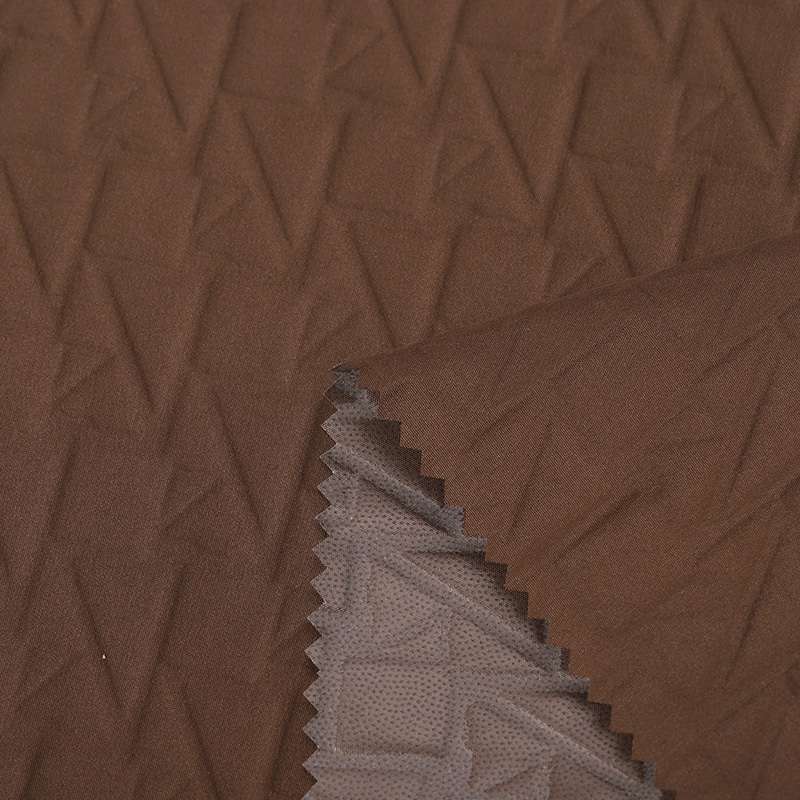
Waterproof fabrics are often built as multi-layer materials. The outer fabric provides abrasion resistance, the waterproof layer blocks water, and the inner layer protects the membrane or coating from sweat, oil, and friction.
| Construction | Structure | Best For |
|---|---|---|
| 2-layer | Outer fabric plus waterproof layer, usually with a loose lining | Daily rainwear and casual use |
| 2.5-layer | Outer fabric, waterproof layer, and thin printed or sprayed inner protection | Lightweight packable jackets |
| 3-layer | Outer fabric, membrane, and bonded inner fabric | Heavy use, mountain wear, workwear, and long trips |
A lightweight fabric may pack small and feel comfortable in a backpack, but it can wear faster under abrasion. A heavier 3-layer fabric usually lasts longer under repeated rubbing from straps, rocks, tools, or rough ground.
Seams, Zippers, and Openings Are Common Leak Points
Even a highly waterproof fabric can leak if the construction is poor. Needle holes from sewing create tiny paths for water. That is why waterproof garments, tents, and bags often use seam sealing tape or liquid seam sealant.
- Sealed seams prevent water from entering through stitching holes.
- Storm flaps protect zippers from direct rain exposure.
- Adjustable cuffs, hems, and hoods reduce water entry at openings.
- Welded seams use heat or adhesive bonding instead of traditional stitching in some products.
For example, a rain jacket may use a waterproof fabric rated at 10,000 mm, but if the shoulder seams are not sealed, rain can still enter after minutes of exposure. In real use, construction quality is often as important as the fabric rating.
Why Waterproof Fabric Can Still Feel Wet Inside
Feeling wet inside waterproof clothing does not always mean the fabric has failed. The moisture may come from sweat, condensation, blocked breathability, or water entering through openings.
Condensation from body heat
When warm, moist air from the body hits a cooler fabric surface, vapor can condense into liquid water. This is similar to moisture forming on the inside of a window in cold weather.
Wetted-out outer fabric
When the outer fabric stops shedding water and becomes saturated, breathability drops. The waterproof layer may still block rain, but trapped sweat makes the inside feel damp.
Leaks through design gaps
Water can enter through neck openings, cuffs, pocket zippers, waist gaps, or damaged seams. This is especially common in wind-driven rain or when bending, cycling, climbing, or carrying a backpack.
How to Choose Waterproof Fabric for Real Use
The right waterproof fabric depends on the expected weather, movement level, pressure, and wear. A fabric for a city raincoat does not need the same strength as fabric for mountain trekking or outdoor work.
| Use Case | Recommended Focus | Why It Matters |
|---|---|---|
| Daily commuting | Moderate waterproof rating and good surface repellency | Handles short rain exposure without unnecessary weight |
| Hiking | Higher waterproof rating, sealed seams, ventilation | Balances rain protection with sweat management |
| Snow sports | High waterproof rating and abrasion resistance | Snow, pressure, and falls increase water exposure |
| Tents and ground fabrics | Pressure resistance and seam sealing | Body weight and wet ground push water upward |
| Bags and covers | Coated fabric, protected zippers, welded or sealed seams | Water often enters through closures before fabric fails |
Maintenance Keeps Waterproof Fabric Performing Properly
Waterproof fabric can lose performance when dirt, body oil, detergent residue, smoke, or abrasion clogs the surface and weakens water repellency. Maintenance does not usually rebuild a damaged membrane, but it can restore surface beading and improve comfort.
- Clean the fabric according to its care label to remove oils and dirt.
- Avoid fabric softeners because they can leave residues that reduce water repellency.
- Refresh the water repellent finish when droplets stop beading on the surface.
- Inspect seam tape, cuffs, zippers, and high-wear areas after heavy use.
- Store the fabric dry to reduce odor, coating breakdown, and mildew risk.
A simple surface test is to sprinkle water on the fabric: if droplets bead and roll away, the repellent finish is working; if water spreads and darkens the fabric, the surface needs cleaning or retreatment.
Conclusion: Waterproof Fabric Works as a Complete System
Waterproof fabric works by combining surface water repellency with a waterproof membrane, coating, or tightly controlled structure. However, the fabric alone is not enough. Sealed seams, protected zippers, ventilation, correct fit, and maintenance all affect whether the final product keeps water out in real conditions.
The clearest way to judge waterproof fabric is to look at the whole system: waterproof rating for rain pressure, breathability for sweat control, construction quality for leak prevention, and care requirements for long-term performance.