
 English
 CN
CNContent
- 1 What Is Laminated Aerogel Film?
- 2 Why Thermal Performance Starts with Structure
- 3 Lamination: Turning Fragile into Functional
- 4 Key Performance Metrics Buyers Should Know
- 5 Application Spotlight: Outdoor Apparel
- 6 Application Spotlight: EV Battery Thermal Management
- 7 Choosing the Right Laminated Aerogel Film for Your Project
What Is Laminated Aerogel Film?
Aerogel was first synthesized in the 1930s, but for decades it remained a laboratory curiosity — extraordinarily light and insulating, yet so brittle it crumbled at the slightest mechanical stress. The breakthrough that made aerogel commercially viable was lamination: bonding the aerogel layer to a supportive substrate to create a handleable, sewable, and durable composite film.
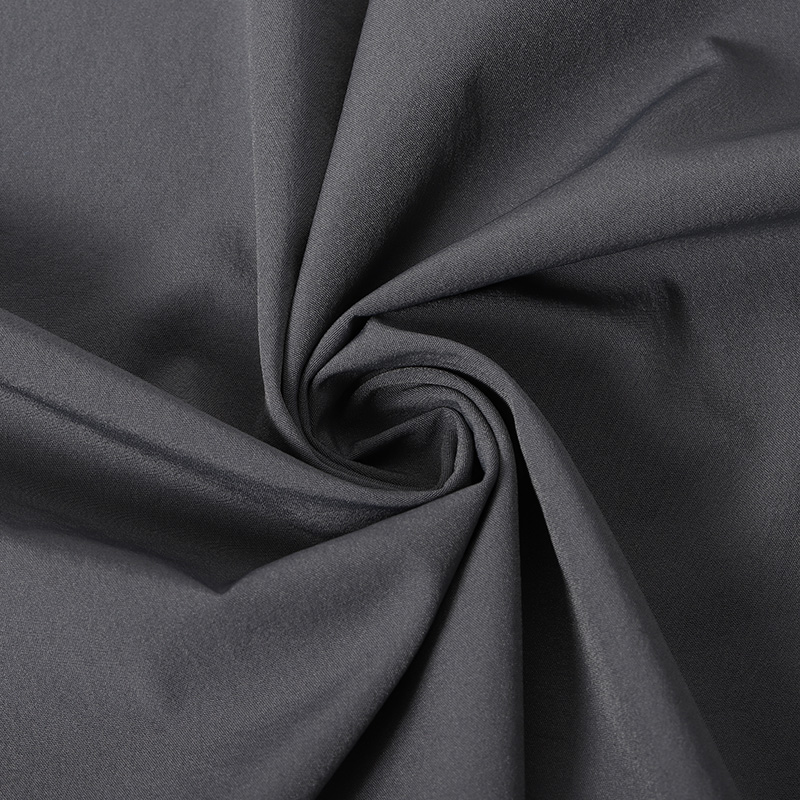
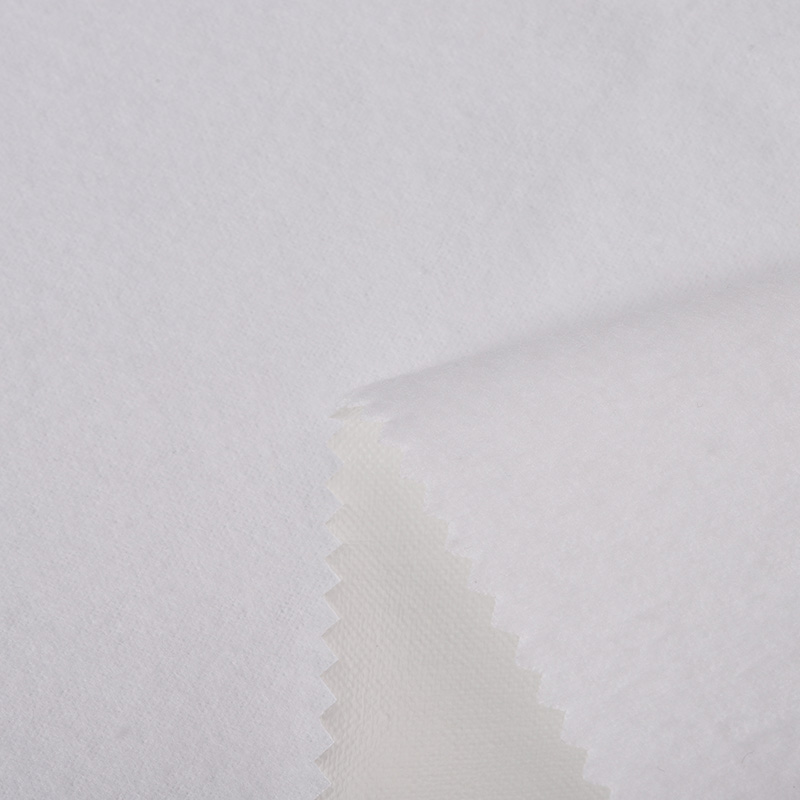
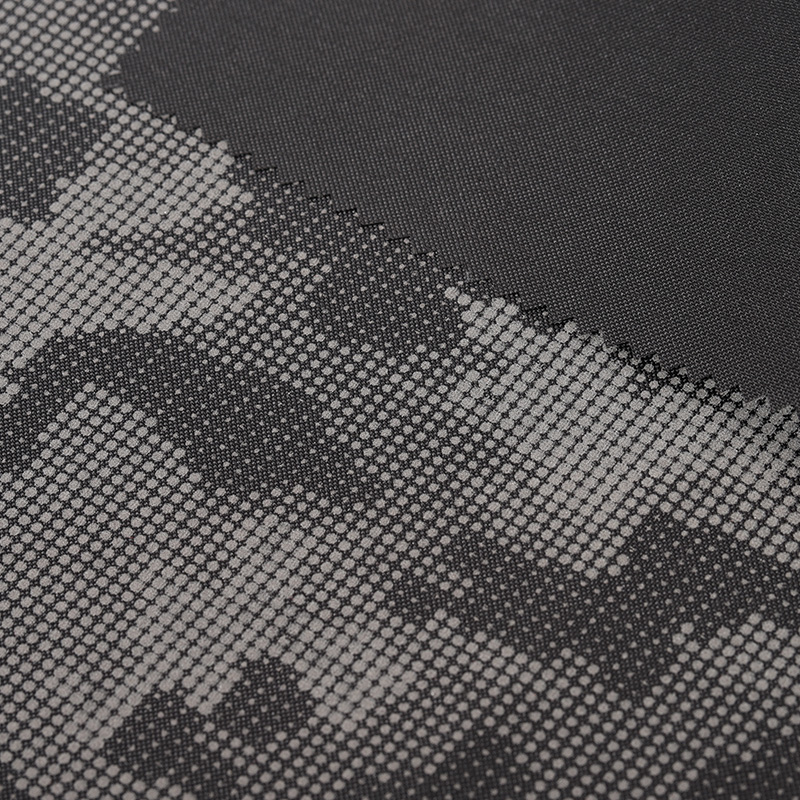
A laminated aerogel film is a multilayer material in which a silica aerogel core — typically impregnated into a nonwoven or fiber mat — is bonded to one or more functional outer layers such as a TPU membrane, PTFE film, woven face fabric, or nonwoven backer. The result is a thin, flexible sheet that can be cut, stitched, and processed on standard textile or industrial equipment. For a broader overview of what aerogel fabric is and how it works in outdoor insulation, the key distinction from aerogel blankets or granule products is processability: laminated film is designed from the outset to integrate into a manufacturing workflow, not just to sit between walls.
The aerogel component itself is a three-dimensional nanoporous silica network — roughly 90–95% air by volume — formed through a sol-gel process and dried to preserve its pore structure. The lamination process (hot-press bonding, needle-punching, or adhesive film transfer) locks this fragile network between protective layers, preventing dust shedding and mechanical breakdown while adding tensile strength and dimensional stability.
Why Thermal Performance Starts with Structure
The insulating power of aerogel is not a chemical property — it is a structural one. Aerogel's internal pore diameters typically fall in the range of 50–100 nm, which is smaller than the mean free path of air molecules at atmospheric pressure (approximately 70 nm). This means gas molecules inside the pores cannot transfer heat through convection the way they do in conventional insulation. The result is a thermal conductivity in the range of 0.015–0.018 W/m·K at ambient conditions — lower than still air itself (0.026 W/m·K) and roughly two to three times better than polyurethane foam.
This performance has attracted serious institutional attention. NASA's development of flexible aerogel insulation for Space Shuttle cryogenic systems in the 1990s — where liquid hydrogen must be stored at −253°C — established aerogel's credentials in the most demanding thermal environments on earth, or beyond it. That same nano-pore suppression mechanism that prevents heat gain in a cryogenic tank is what keeps body heat in on a winter alpine ascent.
Lamination preserves this thermal advantage while adding practical mass. A well-engineered laminated aerogel film adds minimal weight — the nonwoven reinforcement and membrane layers are typically chosen to keep total areal weight under 150–200 g/m², depending on the application — which means the insulation-to-weight ratio remains far superior to down, synthetic fill, or foam alternatives of equivalent R-value.
Lamination: Turning Fragile into Functional
Unlaminated aerogel is notoriously difficult to work with. It sheds silica dust under handling, fractures when bent sharply, and cannot be stitched or cut cleanly. These handling problems are precisely what fabric lamination enhances outerwear performance by solving — encapsulating the aerogel between functional layers eliminates particle release and allows normal garment construction.
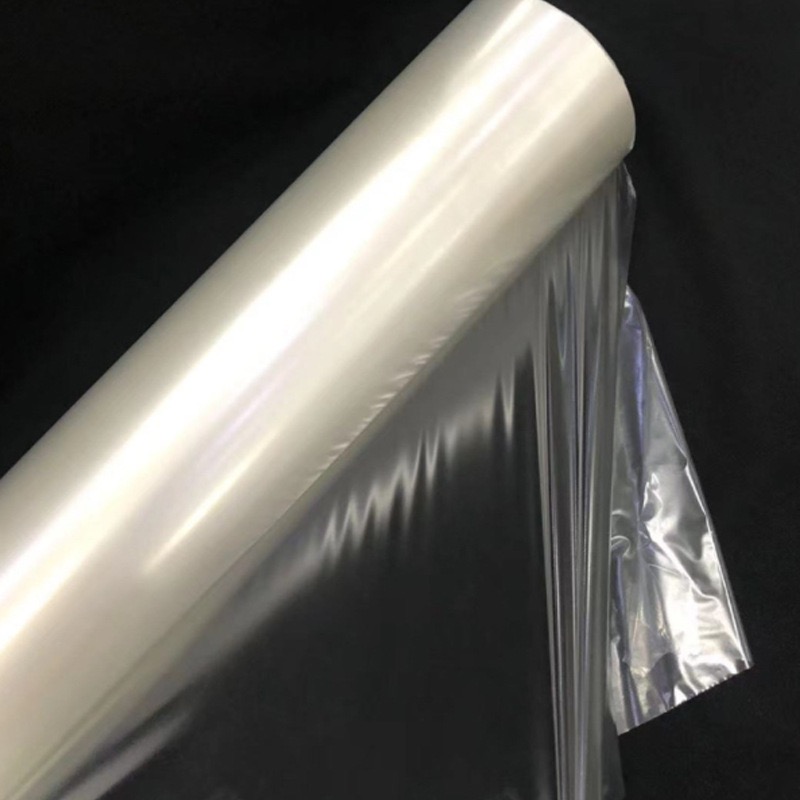
Three main lamination routes are used in commercial production. The first is the hot-press film transfer method, where a thermoplastic membrane (TPU or TPEE) is bonded to the aerogel-laden nonwoven under heat and pressure — producing a smooth, water-resistant outer surface and sealing the aerogel layer inside. The second is needle-punching, where fiber layers are mechanically interlocked through the aerogel mat, creating a textile-like composite without adhesives. The third is spray-and-press lamination, where aerogel particles or granules are deposited onto a substrate and covered with a nanofiber or nonwoven layer via hot pressing — enabling precise control over aerogel loading density.
Each method makes different tradeoffs between dust containment, breathability, flexibility, and cost. For apparel applications, TPU-based laminates offer the best combination of moisture management and structural integrity. For EV battery applications, where dimensional stability under compression matters more than flexibility, denser fiber-reinforced laminates are preferred.
Key Performance Metrics Buyers Should Know
Specifying laminated aerogel film for a real product requires moving beyond headline insulation claims. The following parameters determine whether a particular product actually fits a given application:
| Parameter | Typical Range | Why It Matters |
|---|---|---|
| Thermal conductivity | 0.014–0.022 W/m·K | Primary insulation benchmark; lower is better |
| Areal weight | 80–250 g/m² | Determines garment weight and pack volume |
| Total thickness | 1–5 mm | Affects layering compatibility and silhouette |
| Moisture vapor transmission (MVTR) | 2,000–8,000 g/m²/24h | Critical for apparel comfort during activity |
| Compressive resilience | Recovery rate after 50% compression | EV/industrial use: must maintain loft under pack pressure |
| Dust / particle release | Pass/fail per test protocol | Regulatory and skin-contact safety compliance |
One parameter that buyers frequently overlook is thermal conductivity under compression. Aerogel's pore structure collapses somewhat when squeezed — a laminated aerogel film rated at 0.016 W/m·K in free-hang conditions may perform differently when compressed inside a battery module or under a jacket shell. Requesting test data at relevant load conditions (e.g., 10–50 kPa for EV applications) is essential for accurate system modeling.
Application Spotlight: Outdoor Apparel
The outdoor apparel industry has been the most visible early adopter of laminated aerogel film, driven by a simple demand: consumers want jackets that are warm without being bulky. Traditional down fill achieves excellent warmth-to-weight ratios but loses performance when wet. Synthetic fills are heavier per R-value. Aerogel film delivers consistent insulation regardless of moisture exposure, and at a fraction of the thickness.
The commercial momentum is substantial. The global aerogel clothing market was valued at approximately USD 1.31 billion in 2024 and is projected to exceed USD 2.54 billion by 2032, growing at a CAGR of around 9.6%. Asia Pacific is the fastest-growing regional market, driven by rising outdoor participation and expanding technical textile manufacturing capacity. For brands sourcing materials, aerogel-enhanced waterproof fabric combining insulation and weather protection now exists in ready-to-specify 2- and 3-layer formats that integrate waterproofing and thermal performance in a single material component — eliminating the need for separate insulation and shell layers in garment construction.
The design implications are significant. A laminated aerogel film of 2–3 mm thickness can replace a 3–4 cm synthetic fill batt while matching or exceeding its thermal performance. This allows brands to create packable, sleek-profile insulation pieces that were previously impossible without compromising warmth.
Application Spotlight: EV Battery Thermal Management
Electric vehicle battery packs generate heat during charge and discharge cycles, and the consequences of uncontrolled thermal runaway — where one cell's heat triggers adjacent cells — range from vehicle damage to fire. Aerogel's combination of ultra-low thermal conductivity, low density, and inherent flame resistance makes laminated aerogel film one of the few materials that can function as an inter-cell or inter-module thermal barrier without adding meaningful weight or volume to the pack.
The design challenge is that aerogel alone is mechanically unsuitable for this environment. Battery modules experience vibration, compression from pack assembly, and thermal cycling that would cause unlaminated aerogel to fracture and shed particles into the pack. Laminated aerogel films — particularly those with polyimide (PI) or fiber-reinforced constructions — maintain structural integrity under these conditions while retaining their insulating function. The industry has responded: as of mid-2025, major aerogel manufacturers have moved laminated aerogel composites for EV battery fire protection into full-scale commercial production, with partnerships across major OEM platforms.
Key specification requirements for EV battery laminates differ substantially from apparel laminates: dimensional stability under 10–50 kPa compression, flame resistance to UL94 V-0 or equivalent, and long-term performance retention over thousands of thermal cycles take priority over breathability and flexibility.
Choosing the Right Laminated Aerogel Film for Your Project
The right product depends on which performance dimensions are non-negotiable for your application. Three variables drive most of the selection decision: layer count, membrane type, and aerogel loading density.
Layer count determines the balance between protection, breathability, and weight. For a detailed breakdown of how construction choices translate to end-use performance, the guide on how 2-layer and 3-layer TPU laminated fabrics enhance weather protection provides a practical framework. In an aerogel context: a 2-layer laminate (aerogel + TPU membrane) is lighter and more packable, while a 3-layer laminate (face fabric + aerogel + backer) is more durable and easier to handle in sewing operations.
Membrane type defines the functional character of the outer surface. TPU membranes deliver flexibility, waterproofing, and good chemical resistance. PTFE membranes provide superior moisture vapor transmission for high-aerobic-activity applications. For heavy-duty or industrial end uses, three-layer outdoor waterproof fabric options with robust face fabrics and reinforced backers offer the abrasion resistance that standard aerogel composites lack.
Aerogel loading density is the variable most directly tied to thermal performance — but also to cost and flexibility. Higher loading means better insulation and stiffer hand; lower loading means more drape and lower price per meter, but reduced R-value. For most apparel applications, a loading level that achieves 0.016–0.020 W/m·K represents the commercially practical sweet spot. For EV battery and industrial applications where the thermal barrier must perform at the extremes, specifying maximum loading and testing to your actual compression and temperature profile is the correct approach.
Finally, ask suppliers for test data that matches your actual use conditions — not ambient-pressure, free-hang lab results that may not translate to a compressed battery module or a cyclist's jacket. The right laminated aerogel film, properly specified, delivers performance that no other thin insulation material can currently match.