
 English
 CN
CNContent
When NASA engineers designed space suits to protect astronauts from temperatures as low as -270°C, they turned to a material so extraordinary it seemed almost impossible: aerogel. Decades later, that same material is making its way into outdoor jackets, ski gear, and performance workwear — not as a curiosity, but as a serious challenger to everything we thought we knew about thermal insulation.
Aerogel fabric is one of the most significant material innovations in the outdoor textile industry in recent years. Understanding what it is, how it works, and why it outperforms conventional alternatives is essential for any brand, buyer, or designer sourcing next-generation insulation solutions.
What Is Aerogel, and Where Did It Come From?
Aerogel is a synthetic porous material derived from a gel in which the liquid component has been replaced entirely with air. The result is a solid that is approximately 99% air by volume, giving it the lowest thermal conductivity of any known solid material. Because of its translucent, wispy appearance, scientists often call it "frozen smoke" or "solid smoke."
First invented in 1931 by American scientist Samuel Kistler, aerogel spent decades as a laboratory curiosity before NASA recognized its extraordinary insulating properties. The agency used it in Mars rovers, space suits, and shuttle components to manage the brutal thermal extremes of space travel — environments where temperatures can swing thousands of degrees within minutes.
The challenge for commercial applications was always manufacturing. Traditional aerogel is brittle, dusty, and difficult to handle. Early forms shattered at the slightest mechanical stress, making integration into flexible textiles seem impossible. It was only through advanced manufacturing breakthroughs — including supercritical drying techniques and fiber-bonding processes — that aerogel could be stabilized and embedded into wearable materials at scale.
How Is Aerogel Turned Into Wearable Fabric?
Converting aerogel into a functional textile requires sophisticated engineering. The most widely used approach involves grinding silica aerogel into superfine powder and integrating it into polyester filaments during yarn production. This embeds the nanoporous aerogel structure directly into the fiber, preserving its insulating properties while giving it the flexibility and tensile strength required for garment use.
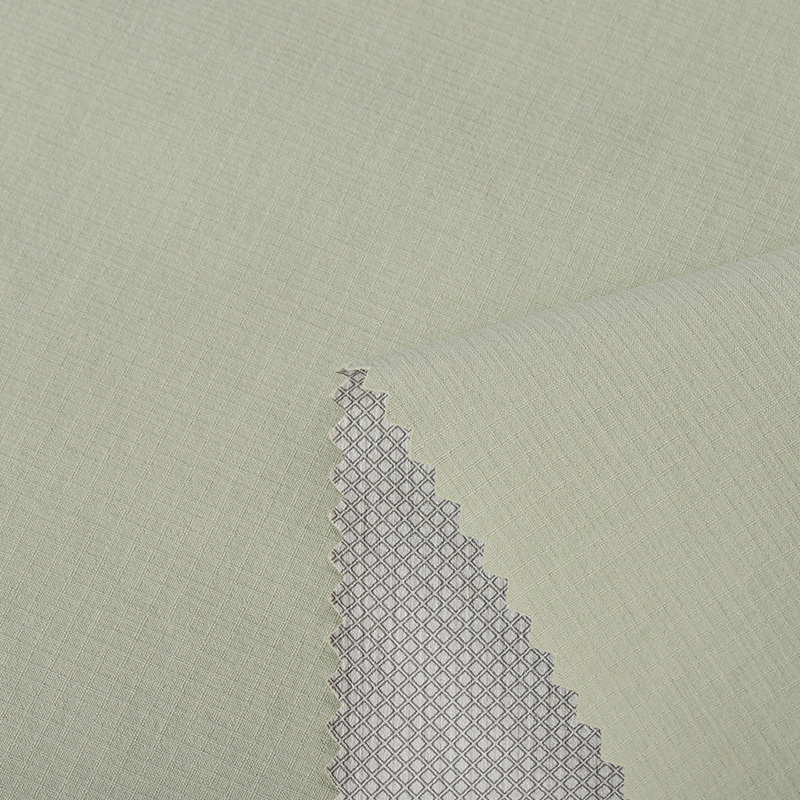
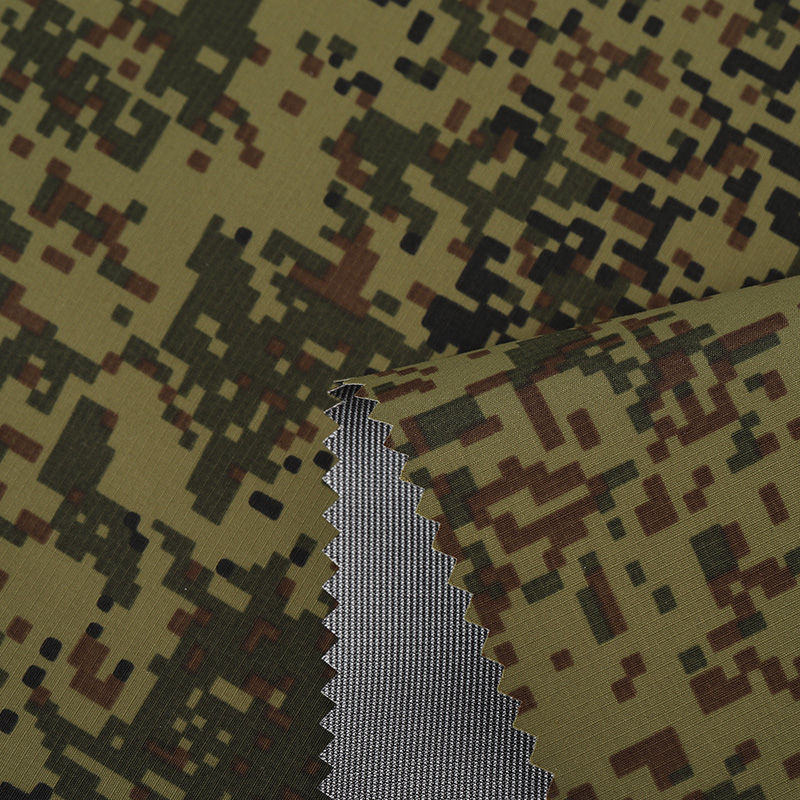
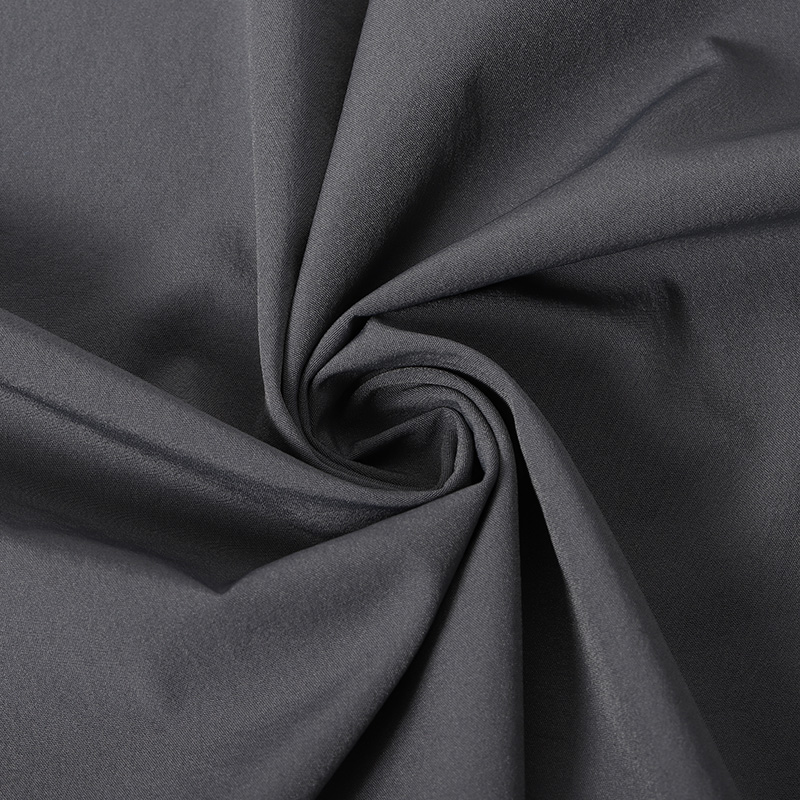
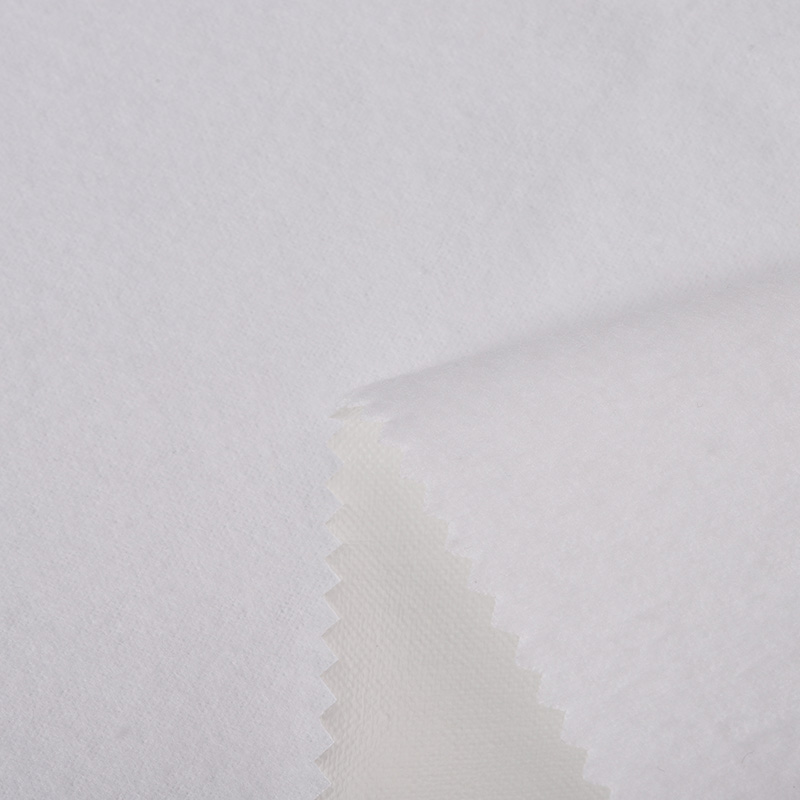
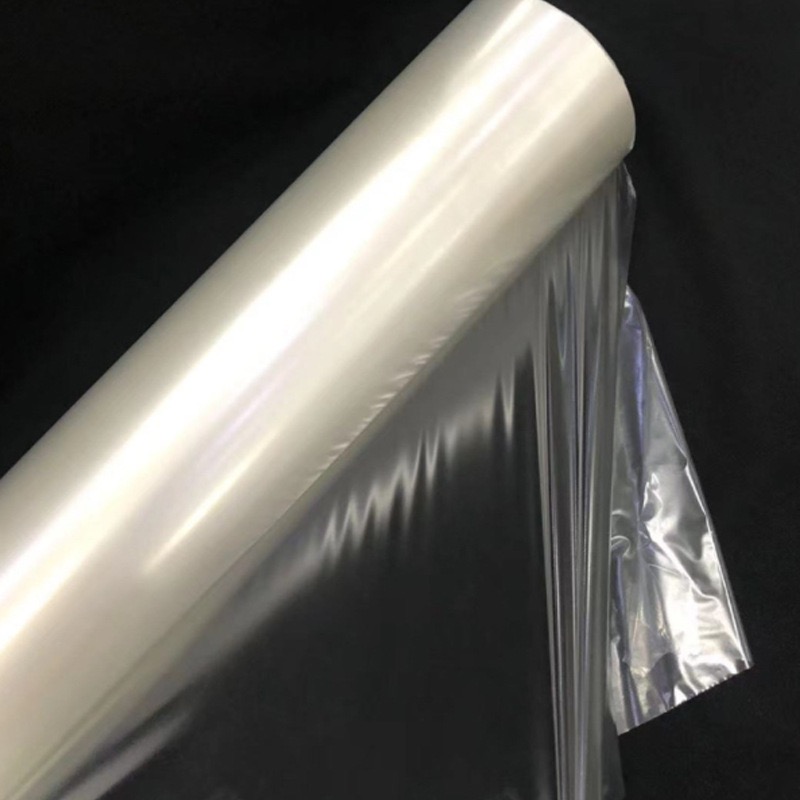
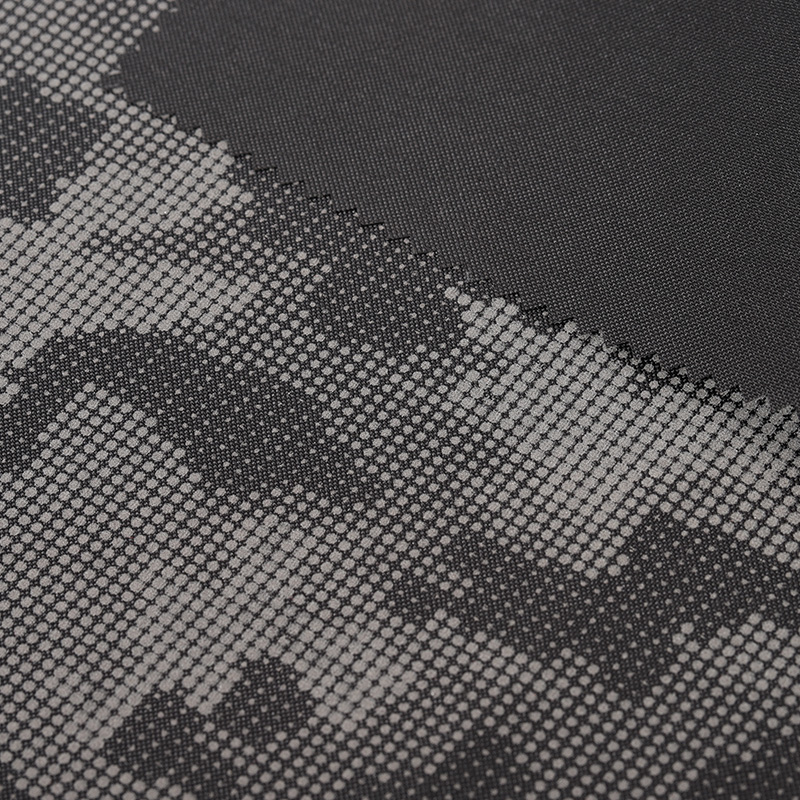
The resulting aerogel yarn can then be woven or knitted into fabric, or used as a filling layer within laminated composite structures. In high-performance outdoor applications, aerogel is most commonly found as a bonded interlayer within multi-layer fabric systems. Our aerogel-integrated 2 and 3-layer waterproof insulation fabrics represent exactly this construction approach — combining an outer shell, an aerogel-enhanced insulation layer, and a breathable membrane into a unified laminate that performs under real outdoor conditions.
In a two-layer configuration, the aerogel composite is bonded to the outer face fabric, with a loose inner lining added separately. The three-layer version bonds all components — outer shell, aerogel interlayer, and inner backer — into a single laminate structure, resulting in superior durability and long-term performance retention. Both formats are sewable, cuttable, and compatible with standard garment manufacturing processes.
Why Aerogel Fabric Outperforms Traditional Insulation
The performance gap between aerogel and conventional insulation materials is substantial, and it becomes most apparent in three areas: thermal efficiency per unit weight, performance under pressure, and moisture resistance.
Thermal efficiency: Aerogel's nanoporous structure — with pore sizes below 100 nanometers — disrupts air molecule movement in a way that conventional materials cannot replicate. Recent testing data shows that aerogel filling weighing just 30g per square meter delivers thermal performance equivalent to 120g of conventional insulation, representing a 75% weight reduction at equivalent warmth levels. Clo values above 3.6 have been recorded for aerogel composites at thicknesses of 1–2mm, a profile that would require significantly more bulk from down or PU padding to achieve.
Performance under pressure: One of the critical weaknesses of traditional insulation — particularly down — is loft collapse. When compressed by a backpack strap, elbow pad, or seated posture, conventional fill loses much of its trapped air and therefore its insulating ability. Aerogel's rigid nanoporous skeleton does not collapse under pressure. Comparative hot plate tests at 90°C and 0.5 bar pressure show that aerogel composites maintain consistent thermal resistance where wadding and PU foam allow heat to pass through rapidly. This is a significant advantage in workwear and technical outwear, where sustained compression is unavoidable.
Moisture resistance: Unlike down, which loses nearly all insulating capacity when wet, aerogel is inherently hydrophobic. Its structure repels water while still allowing water vapor from the body to escape. This breathability-waterproofness balance is one of the key reasons aerogel is increasingly paired with two-layer and three-layer laminated waterproof fabric constructions in performance outerwear — the combined system handles both thermal management and weather protection in a single, lightweight package.
Key Applications in Outdoor Gear
Aerogel fabric has moved well beyond the laboratory and is now found across a wide range of outdoor and technical products. Each application benefits from a different aspect of aerogel's performance profile.
- Mountaineering and alpine jackets: The combination of low weight, extreme warmth, and moisture resistance makes aerogel an ideal insulation layer for high-altitude environments where every gram matters and conditions can change rapidly.
- Ski and snowboard outerwear: Aerogel's resistance to compression makes it particularly well-suited for ski jackets, where repeated kneeling, sitting on lifts, and pack-strap pressure would degrade conventional insulation over a season.
- Gloves and footwear: Thin aerogel layers (1–2mm) can be incorporated into gloves, boot liners, and insoles, providing meaningful warmth in components where bulk is completely impractical.
- Industrial and protective workwear: In sectors such as oil and gas, firefighting, and cold-chain logistics, aerogel fabric meets EN ISO thermal protection standards while allowing workers to move freely without the bulk of traditional insulated gear.
- Sleeping bags and bivouacs: Weight-conscious outdoor enthusiasts and military users benefit from aerogel's high warmth-to-packability ratio in sleep systems designed for sub-zero conditions.
What to Look for When Sourcing Aerogel Fabric
For brands and procurement teams evaluating aerogel fabric, the specifications that matter most go beyond marketing claims. Here are the technical criteria that define real-world performance:
| Parameter | Standard | Target Benchmark |
|---|---|---|
| Thermal conductivity | ASTM C518 / ISO 8301 | <0.020 W/m·K |
| Moisture Vapor Transmission (MVTR) | ISO 15496 / ASTM E96 | >3,000 g/m²/24h |
| Hydrostatic head (waterproofness) | ISO 811 | >10,000mm for technical use |
| Compression recovery | Internal / ASTM D1623 | >90% recovery after sustained load |
| Thermal resistance (Clo value) | ASTM F1868 / ISO 11092 | >3.0 Clo at ≤2mm thickness |
Construction choice — two-layer vs. three-layer — should reflect the end product's use intensity. For a full technical breakdown of how waterproof performance is measured and which membrane type best suits your application, refer to our detailed guide on how waterproof ratings are evaluated in outdoor fabrics. For a broader comparison of membrane options — including TPU, PU, PTFE, and TPEE — see our resource on waterproof fabric materials and performance standards.
Washability is also worth confirming at the sampling stage. Modern aerogel composites with PU lamination can typically handle hand-washing or gentle machine cycles, but high-concentration aerogel layers may require dry-clean care — always verify with your supplier before finalizing garment care labeling.
Is Aerogel Fabric the Future of Outdoor Insulation?
The trajectory points clearly in one direction. As manufacturing processes mature and volume production scales up, the cost premium of aerogel fabric is narrowing. What was once accessible only to aerospace programs and premium expedition brands is now reaching mainstream performance outerwear and workwear categories.
Sustainability is an increasingly important part of the equation. Aerogel is derived from quartz — the base mineral of sand — making it non-toxic, chemically stable, and free of the fluorinated compounds that have come under regulatory scrutiny in traditional DWR treatments. When PFAS restrictions in textile finishes continue to tighten globally, aerogel's clean material profile becomes a compliance advantage, not just a performance one. Furthermore, because aerogel requires significantly less fill material by weight to achieve equivalent warmth, the total material input — and associated production and transport emissions — decreases proportionally.
For outdoor brands navigating both performance demands and sustainability commitments, aerogel fabric offers something rare: a technology that genuinely advances both at once. It is not an incremental improvement on existing materials. It represents a different approach to how insulation works — one built not on adding more material, but on engineering at the nanoscale to trap heat more effectively with less of everything.
The question for brands and sourcing teams is no longer whether aerogel fabric is ready for commercial use. It is. The question is how quickly they intend to make it part of their product development roadmap.