
 English
 CN
CNContent
What Is Ripstop Polyester Pongee?
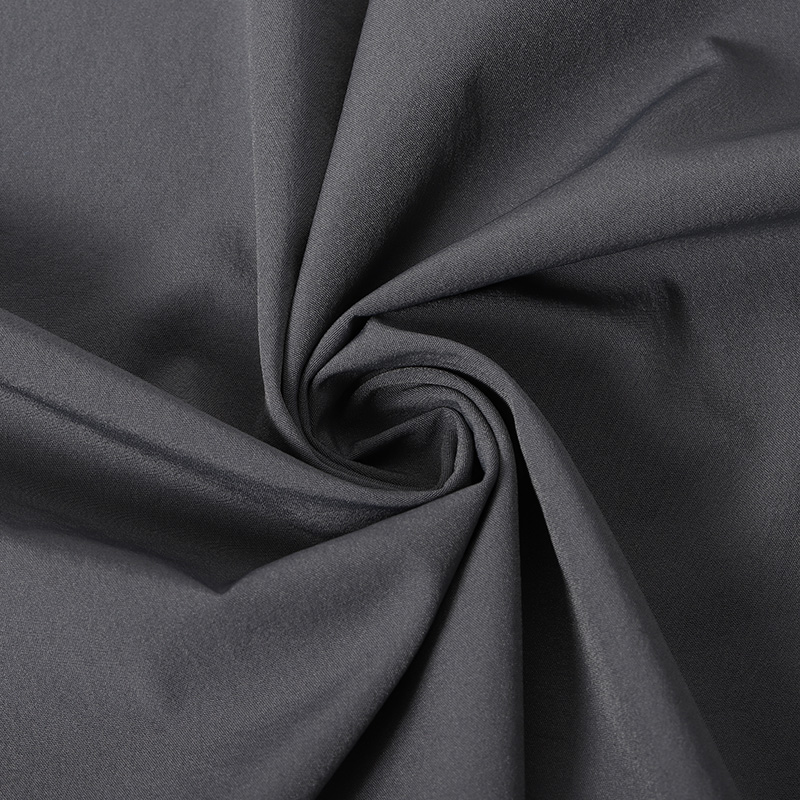
Pongee has long been valued for its smooth surface, subtle sheen, and feather-light hand feel. Made from polyester textured yarn in a tight plain or twill weave, it delivers the kind of refined drape that works equally well in a tailored jacket lining and a technical shell. On its own, though, pongee has a known weakness: a small nick or puncture can spread into a much larger tear under stress.
That's exactly the problem ripstop solves. Ripstop Polyester Pongee combines the elegant surface of traditional pongee with a reinforced grid structure that physically stops tears from propagating through the fabric. The result is a material that looks polished, feels lightweight, and holds up to the kind of mechanical stress that conventional pongee cannot handle.
For brands sourcing lightweight ripstop and pongee fabrics for outdoor apparel, this combination removes a longstanding trade-off: you no longer have to choose between a fabric that looks good and one that lasts.
The Science Behind the Ripstop Weave
The defining feature of any ripstop fabric is its reinforcement grid. During weaving, stronger and typically thicker yarns are interlaced at regular intervals across both the warp and weft directions, forming a crosshatch pattern. These intervals are typically spaced 5 to 8 millimeters apart — close enough to contain damage, far enough apart to keep the fabric lightweight and flexible.
When a tear initiates in the base weave — from a sharp edge, a puncture, or repeated abrasion — it travels until it reaches one of these reinforcement yarns. The heavier yarn absorbs and redistributes the stress across a wider area, effectively halting the tear in its tracks. The damage remains localized rather than cascading across the fabric panel.
The performance difference is measurable. Standard textile testing under established ripstop fabric evaluation frameworks shows that ripstop constructions can deliver tear strength two to three times higher than non-ripstop fabrics of identical weight and fiber content. For a fabric category defined by its lightness, that structural advantage is significant — you get durability without added bulk.
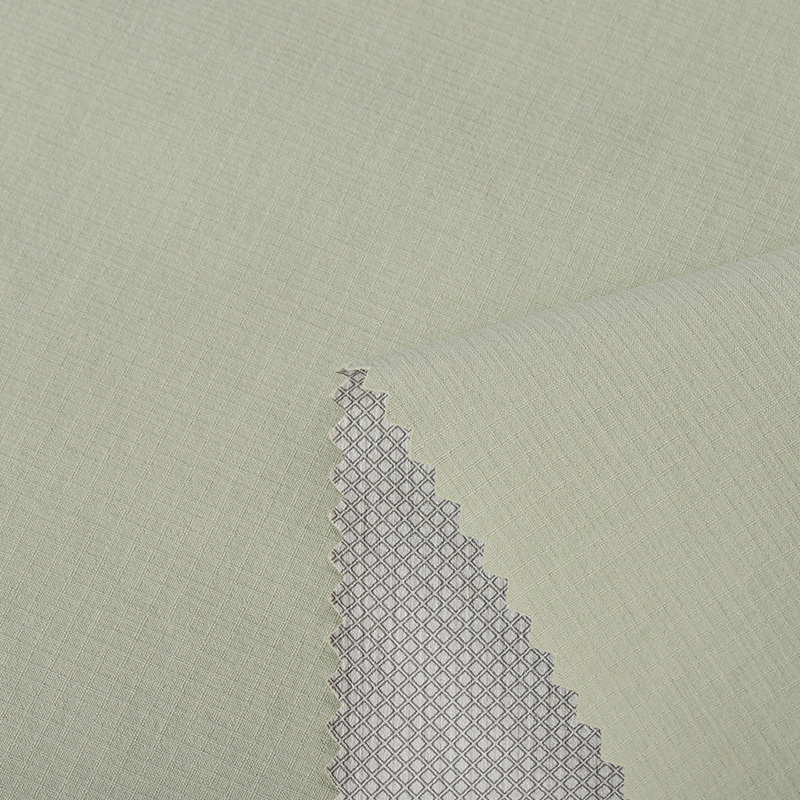
In Ripstop Polyester Pongee specifically, the reinforcement grid is woven directly into the pongee base, so the smooth, consistent surface appearance is preserved. The grid may appear as a subtle diamond or square texture depending on the weave variant, but the hand feel and visual character of pongee remain intact.
Key Performance Properties
Understanding why Ripstop Polyester Pongee has become a default choice for performance applications starts with its core property set. Each attribute below directly influences how the fabric performs in end-use conditions.
Tear and Rip Resistance
The ripstop grid is the primary structural feature. Even after a small puncture or cut, the fabric maintains integrity across the panel — a critical factor for applications like tent canopies, backpack panels, and outerwear shells where field repair is not always possible.
Waterproof and Water-Resistant Finishes
Polyester itself has low moisture absorption at the fiber level, giving base pongee some inherent water resistance. With added coatings — PU (polyurethane), PA (polyamide), or TPU lamination — the fabric achieves full waterproofing suitable for rainwear and outdoor shelter applications. These coatings are applied to the TPU laminated and PU coating fabrics for rainwear and tents used across jackets, umbrellas, and protective covers.
UV and Color Stability
Polyester fibers are inherently resistant to UV degradation and dye fading. Ripstop Polyester Pongee maintains color depth and structural integrity through extended sun exposure — a practical advantage for items stored or used outdoors.
Lightweight and Packable
Depending on thread count and coating, Ripstop Polyester Pongee typically runs between 80 and 120 gsm in standard outer-layer configurations. At that weight, finished garments pack down small and add minimal carry weight.
Quick Drying
Low moisture retention means the fabric dries rapidly after exposure to rain or sweat. This makes it practical not just for rainwear but for active sportswear where moisture management affects performance and comfort.
Wrinkle Resistance
Polyester's natural resilience translates to strong wrinkle recovery, reducing the need for ironing and maintaining a clean appearance through repeated use and washing cycles.
Common Finishing Options and Specifications
Ripstop Polyester Pongee is not a single fixed product — it is a fabric platform with a wide parameter space. Buyers specify the end-use and manufacturers tune the construction accordingly.
| Parameter | Typical Range | Notes |
|---|---|---|
| Thread Count (T) | 190T – 420T | Higher T = denser weave, better wind resistance |
| GSM | 25 – 260 g/m² | 80–120 gsm typical for outerwear shells |
| Yarn Count | 50D×50D, 75D×75D, 75D×150D | Heavier yarn = stronger ripstop grid |
| Cuttable Width | 148 cm / 57–58" | Standard for garment and gear cutting |
| Ripstop Grid Style | Plain, diamond, honeycomb, stripe | Affects surface texture and visual character |
| Coating / Finish | PU, PA, TPU, Teflon, Silver coating | Determines waterproof rating and breathability |
Lower-density variants (190T–240T) work well for lining applications and umbrella canopies. Mid-range counts (240T–320T) hit the sweet spot for outdoor jackets and activewear. Higher counts (380T–420T) deliver maximum wind resistance for technical shells and down-proof inner layers. The ripstop grid itself can take several visual forms — a standard square grid, diamond ripstop for added elegance, or honeycomb patterns for a textured look.
Post-weave finishing options extend the performance envelope significantly. PU coating adds waterproofing while keeping the fabric supple. Teflon (DWR) treatments provide durable water repellency without altering breathability. Anti-static, anti-UV, and anti-bacterial finishes are also available for specialty applications.
Applications Across Industries
Few fabrics serve as many end markets simultaneously. Ripstop Polyester Pongee appears across product categories that have very different performance requirements — yet the same core properties satisfy all of them.
Outdoor Sports Clothing
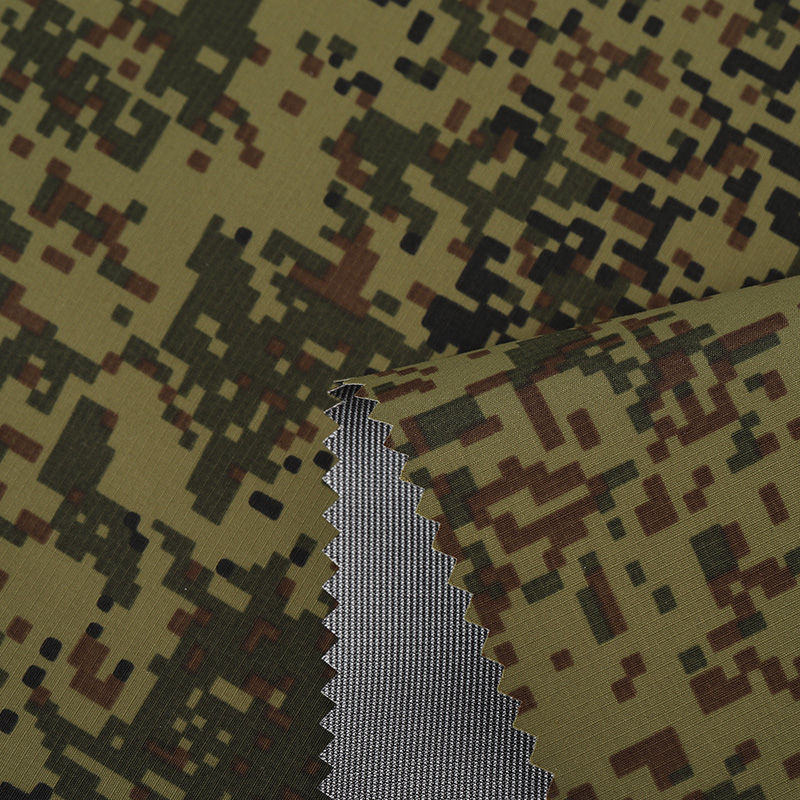
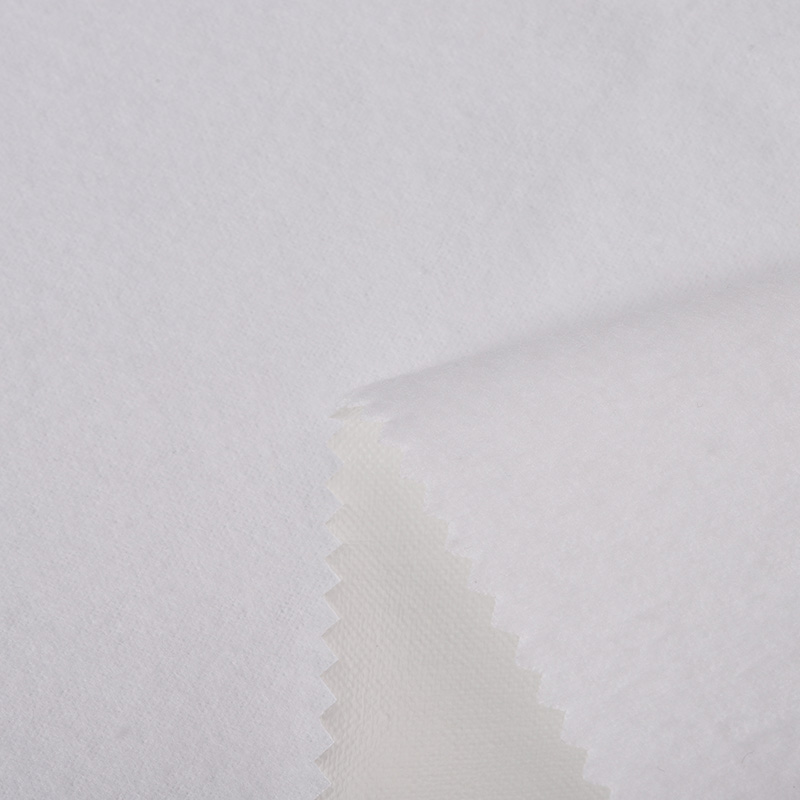
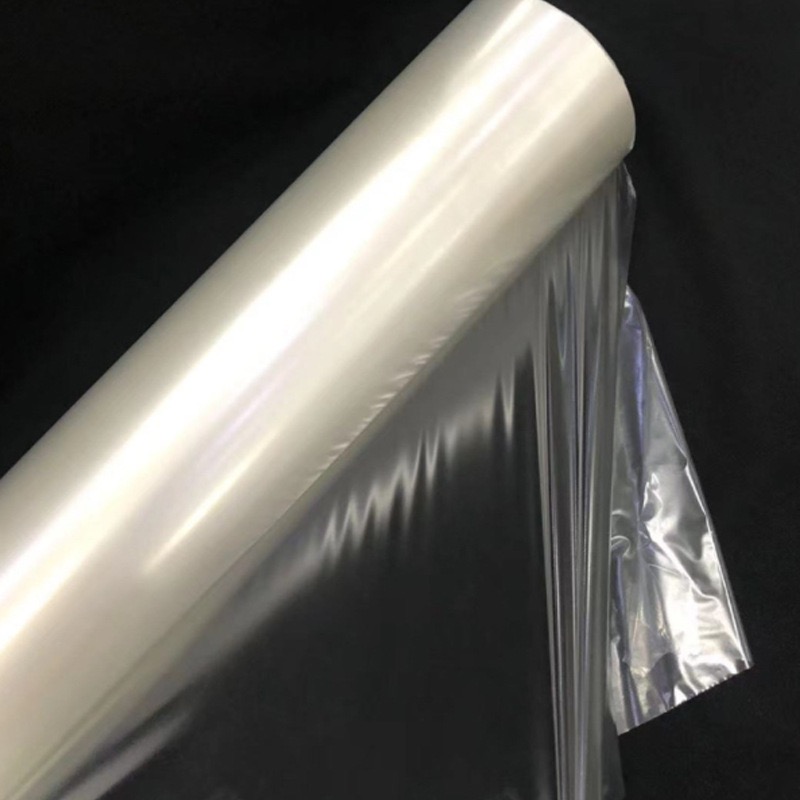
Jackets, ski pants, cycling vests, hiking shells — these all place high demands on tear resistance and weather protection without penalizing the wearer with unnecessary weight. Ripstop Polyester Pongee delivers on both. Its ripstop structure resists damage from trail debris, tree branches, and rough surfaces; its coating options handle rain and wind. Fuhuang's range of two-layer outdoor waterproof fabric solutions uses pongee base fabrics bonded with functional membranes for performance-level outerwear.
Down Jacket Outer Shells and Linings
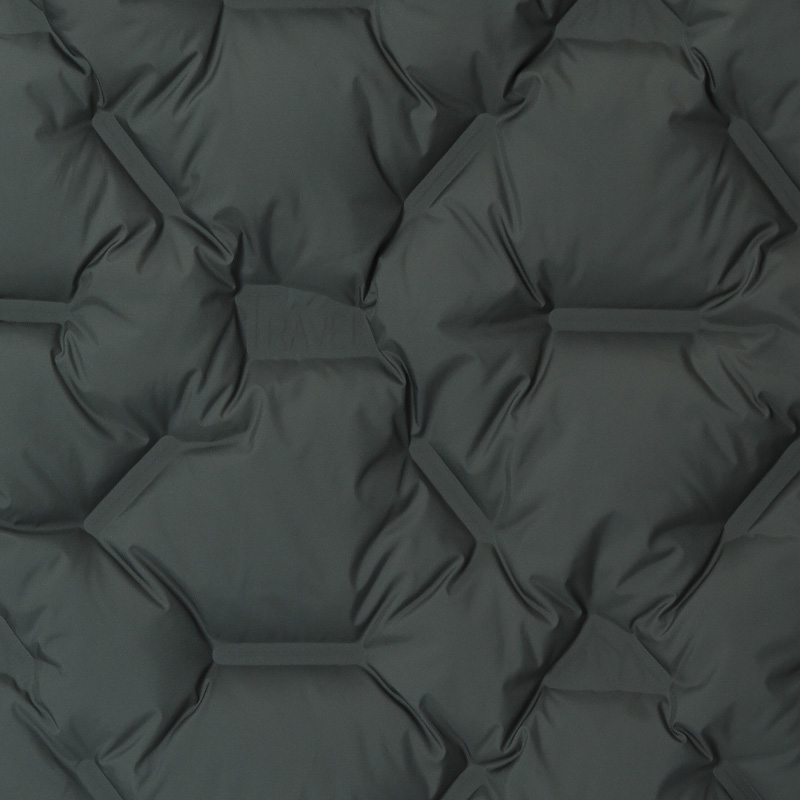
High-density Ripstop Pongee (320T–420T) is widely used as the outer shell for down jackets because it is tight enough to be down-proof while remaining lightweight. The ripstop structure helps the shell withstand the stress of repeated compression and expansion that down garments experience with daily use and packing. Fuhuang's 3D channel down jacket fabrics incorporate these pongee-based constructions for structural down chambers.
Tents, Tarps, and Canopies
Shelter applications require a fabric that can take sustained mechanical stress — wind load, guy-line tension, pegging forces — without failing at stress concentration points. Ripstop prevents a small needle hole or abrasion mark from becoming a structural tear. PU or TPU coating brings the waterproofing needed for extended outdoor use.
Bags, Backpacks, and Luggage
Panel fabrics for soft-sided luggage and backpacks need abrasion resistance and tear resistance more than they need breathability. Ripstop Polyester Pongee, particularly in heavier GSM configurations, is a cost-effective alternative to heavier oxford weaves for mid-weight bag constructions.
Umbrellas and Protective Covers
Umbrella canopies need to be lightweight, water-repellent, and resistant to the stress of opening and closing thousands of times. Ripstop Pongee at lower densities (190T–240T) with water-resistant finishes fits this application well.
Home Textiles and Children's Products
Soft ripstop pongee variants — particularly those with spandex blends for added stretch — appear in waterproof bedding protectors, baby bibs, and diaper covers where a smooth, comfortable surface and reliable moisture barrier are both required.
How to Choose the Right Ripstop Polyester Pongee
With dozens of specification combinations available, narrowing down the right variant comes down to four practical questions.
1. What is the primary stress the fabric will face?
If tear and rip resistance is the main concern — tent canopies, backpacks, outerwear — prioritize a denser ripstop grid with heavier reinforcement yarns (75D or above). If the application is primarily a lining or umbrella canopy, a lighter grid in the 50D range is sufficient and more economical.
2. What waterproof performance level is required?
DWR (Durable Water Repellency) finishes handle light rain and splash resistance. PU or PA coating adds a rated waterproof column (typically 1,000–3,000 mm for light use, 5,000–10,000 mm for performance outerwear). TPU lamination delivers the highest waterproof ratings with added breathability. Understanding the required hydrostatic head rating before specifying coating type avoids over-engineering — and over-spending. For a detailed breakdown of how to assess waterproof fabric performance, see the guide on evaluating the real waterproof rating of outdoor fabrics.
3. Are there certification requirements?
For apparel sold into European and North American markets, buyers increasingly require OEKO-TEX® STANDARD 100 certification, which verifies that the finished fabric and all its components — coatings, dyes, and finishes included — are free of harmful substances. Children's product applications typically demand Class 1 compliance, the most stringent category. Confirm certification requirements with your target market before finalizing fabric specifications.
4. Do you need customization?
Most professional suppliers can customize GSM, yarn count, ripstop grid style, color, and coating to meet exact product requirements. This is particularly valuable for branded outerwear lines where fabric handle, weight, and visual texture need to align with a specific aesthetic. Minimum order quantities for custom specifications typically start at 1,000–1,500 meters, so volume planning matters when requesting bespoke constructions.
For sourcing teams evaluating fabric for the first time, requesting a swatch with the target coating and color confirmation before committing to a bulk order is standard practice. Lead times for dyeing, coating, and finishing add to the base weaving timeline, so factor in 4–8 weeks for production plus shipping when planning seasonal calendars.