
 English
 CN
CNContent
- 1 Why the Fabric in Diapers and Bibs Matters More Than You Think
- 2 The Two-Layer Structure: How Waterproof Diaper and Bib Fabric Is Made
- 3 TPU vs. PUL: Understanding the Key Difference
- 4 Face Fabric Options and Their Performance Trade-offs
- 5 Safety Standards and Certifications You Should Know
- 6 Selecting the Right Diaper and Bib Fabric for Your Product
Why the Fabric in Diapers and Bibs Matters More Than You Think
A newborn spends upward of 20 hours a day in a diaper. A toddler wears a bib through every meal. Few textile products maintain such sustained, direct contact with skin — and few pieces of skin are as sensitive as a baby's. Infant skin is structurally thinner than adult skin, absorbs substances more readily, and has a less developed barrier function, which means what the fabric is made of, and what it was treated with, has a direct impact on comfort and safety.
For brands developing baby products, this makes material selection a compliance issue as much as a performance one. A diaper or bib fabric needs to be waterproof enough to prevent leaks, soft enough to avoid irritation, breathable enough to reduce rash risk, and free of harmful substances at every stage of production — from raw fiber to finished laminate.
Getting that combination right requires understanding how modern waterproof baby fabrics are constructed, what the differences between material options actually mean in use, and which certifications carry real weight in global markets.
The Two-Layer Structure: How Waterproof Diaper and Bib Fabric Is Made
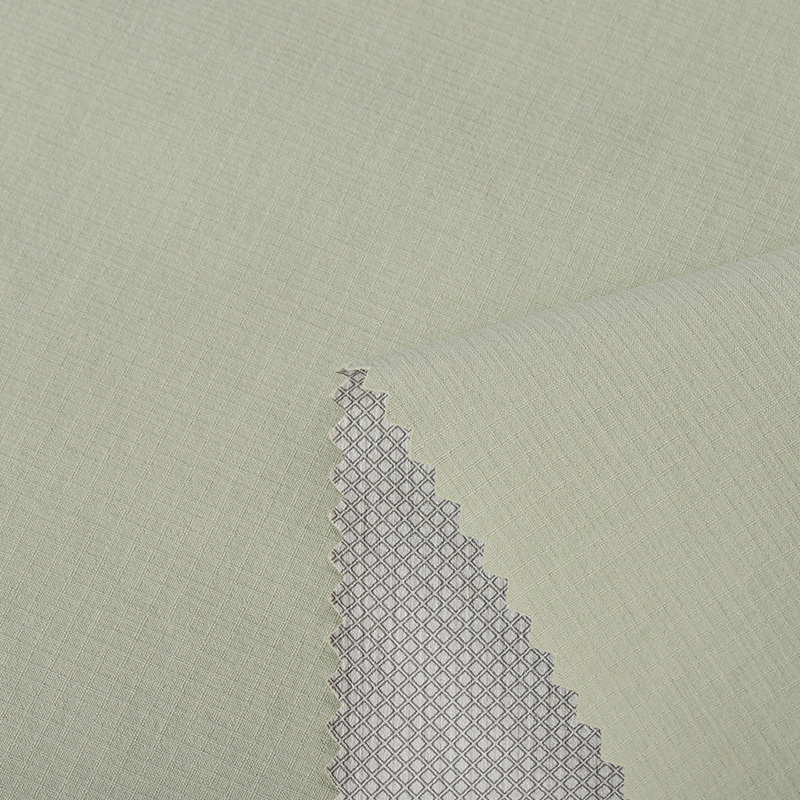
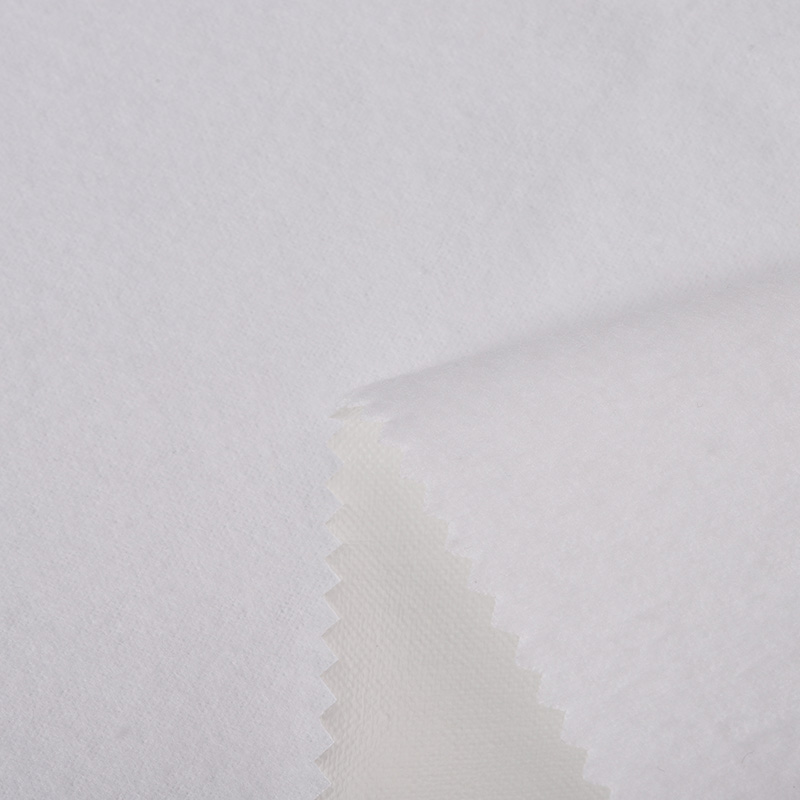
The most widely used construction for waterproof diaper and bib fabric is a two-layer laminate: a face fabric bonded to a thin waterproof membrane using heat and pressure. This structure delivers waterproofing without adding excessive bulk, and keeps the soft, skin-friendly face fabric as the layer in direct contact with the baby.
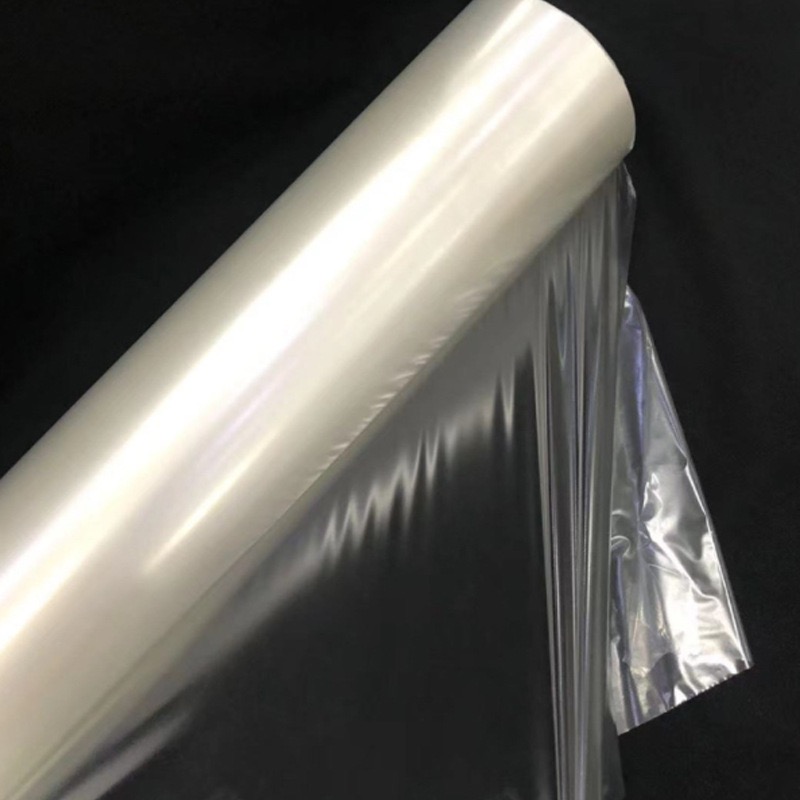
The membrane layer — typically TPU (thermoplastic polyurethane) or TPEE (thermoplastic polyester elastomer) — is the functional core. At 15–20 microns thick, it forms a continuous barrier against liquid while remaining thin and flexible enough to move with the fabric. The face fabric determines how the final product feels, how it performs after repeated washing, and which end applications it suits best.
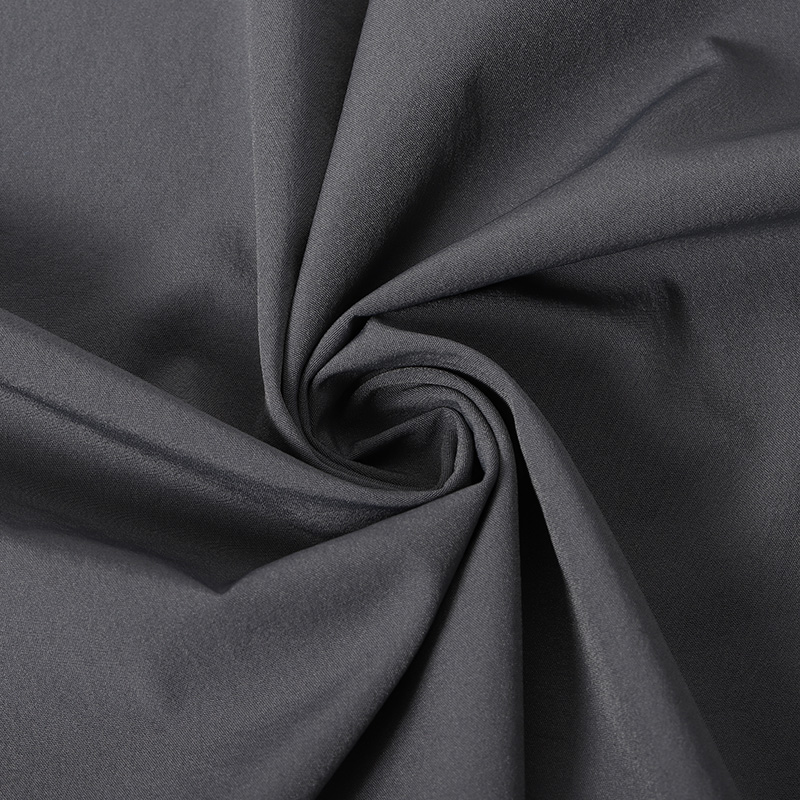
In a correctly engineered laminate, the membrane is heat-bonded directly to the face fabric through calibrated rollers. The bond is permanent and chemical-free. Fuhuang's range of TPU TPEE two-layer waterproof home textile fabrics for diapers and bibs covers face fabric options including 100% cotton, cotton-polyester terry, knitted cloth, bamboo fiber, coral velvet, flannel, and Tencel — each laminated with either standard or high-breathability TPU or TPEE membrane. The available TPU PU PTFE TPEE membrane options for lamination can be specified in both low-breath and high-breath variants, with waterproof ratings from 5,000 mmH₂O up to 10,000 mmH₂O depending on the application requirement.
The cuttable widths available — 150 cm, 200 cm, 210 cm, 250 cm, and 280 cm — accommodate everything from narrow bib panels to wide mattress protector rolls, making the same laminate platform suitable across multiple product formats.
TPU vs. PUL: Understanding the Key Difference
Buyers sourcing waterproof baby fabric will encounter two terms repeatedly: TPU and PUL (polyurethane laminate). They are often used interchangeably in the market, but the manufacturing process behind each is meaningfully different — and those differences matter for both safety and long-term performance.
| Dimension | TPU (Thermoplastic Polyurethane) | PUL (Polyurethane Laminate) |
|---|---|---|
| Bonding method | Heat and pressure (solvent-free) | Chemical solvents and adhesives |
| Breathability | Higher — allows vapor transmission | Lower — reduced airflow |
| Chemical residue risk | Minimal — inert in finished form | Higher — solvent residues possible |
| Wash durability | 200+ cycles without delamination | More prone to delamination over time |
| Membrane thickness | Thinner (15–20 microns typical) | Typically thicker |
| Environmental profile | Cleaner production process | Solvent waste management required |
The practical consequence of higher breathability in TPU is reduced heat and moisture buildup inside the diaper during wear. Lower internal temperature directly reduces the conditions that promote diaper rash and bacterial growth — a meaningful performance difference for a product worn for hours at a time. Because TPU is inert in its finished form, there are no active chemical compounds migrating to the skin surface, which matters significantly for products in prolonged contact with infant skin.
For brands focused on the children's segment, the shift toward TPU over PUL reflects both safety priorities and sustainability goals. Fuhuang's children's waterproof TPU fabric for sensitive skin applications is engineered specifically for this context, combining the breathable membrane with face fabrics selected for softness and skin compatibility.
Face Fabric Options and Their Performance Trade-offs
The membrane determines waterproof performance. The face fabric determines everything else: how the product feels against skin, how it handles moisture at the surface, how it looks, and how it holds up through a product's lifetime of washing. Matching the face fabric to the end application is one of the most important decisions in the specification process.
100% Cotton and Cotton-Polyester Terry
Cotton terry is the most widely used face fabric for mattress protectors, changing mats, and high-contact diaper products. It is soft, naturally absorbent at the surface layer, and familiar to consumers. The absorbent surface wicks moisture away from skin before the waterproof membrane catches it. Cotton-polyester blends add dimensional stability and reduce shrinkage compared to pure cotton, improving appearance after repeated washing. GSM after lamination typically runs 200–300 g/m² for this fabric type.
Coral Velvet and Flannel
For premium diaper covers, bib backings, and baby blanket-style products, coral velvet and flannel deliver exceptional softness at a competitive cost. Coral velvet in particular has a very fine, dense pile that is gentle even on newborn skin. These face fabrics work well for products where tactile comfort is the primary selling point, though they require careful lamination to maintain the pile structure through the bonding process.
Bamboo Fiber
Bamboo-derived fabric has gained significant traction in the premium baby segment due to its natural softness, moisture-wicking properties, and perceived sustainability credentials. As a face fabric for laminated diaper and bib constructions, it offers a naturally smooth surface with good temperature regulation. It is particularly suitable for brands positioning products around natural materials and eco-conscious manufacturing.
Tencel and Knitted Fabrics
Tencel (lyocell) brings a silky drape and high moisture absorption to laminated constructions. Knitted fabric bases add stretch and conformability, making them well-suited for fitted diaper covers and wearable bib designs that need to move with the child. Stretch-knit laminates are increasingly specified for products designed for active toddlers.
Safety Standards and Certifications You Should Know
Fabric safety requirements for baby products are more demanding than for any other textile category. The rationale is straightforward: infants cannot communicate discomfort, their skin absorbs substances more readily, and they cannot avoid contact with the materials they are wrapped in. Regulatory frameworks and voluntary certification schemes reflect this heightened risk profile.
OEKO-TEX® STANDARD 100 — Class 1
Class 1 is the most stringent level of the OEKO-TEX® STANDARD 100 certification, specifically designed for products intended for babies and children up to three years of age — exactly the age group wearing diapers and bibs. At this level, every component of the finished product is tested for over 100 potentially harmful substances, including heavy metals, banned azo dyes, formaldehyde, pesticide residues, and pH levels. This includes not just the face fabric, but the membrane, any dyes used, and even thread and trimmings. Brands selling into European and North American retail — particularly e-commerce platforms that enforce compliance checks — increasingly treat Class 1 certification as a baseline requirement rather than a differentiator.
CPSIA Compliance
Products for children sold in the United States must comply with the Consumer Product Safety Improvement Act (CPSIA), which sets strict limits on lead and phthalate content across all components. Third-party testing of the actual finished product — not just the raw materials — is mandatory. For brands importing laminated baby fabric or finished products from China, ensuring that your supplier can provide the relevant test reports for each production batch is a practical requirement for US market access.
PFAS Considerations
The regulatory environment around per- and polyfluoroalkyl substances (PFAS) in children's products is tightening. California's AB 652, in force since 2023, prohibits intentionally added PFAS in products for children under 12. Fluorine-free DWR treatments and PFAS-free coating options are increasingly specified by brands proactively managing compliance risk. When reviewing fabric safety documentation, confirm whether PFAS testing used total organic fluorine (TOF) methodology, not just extractable organic fluorine (EOF), as the latter may miss certain PFAS polymer compounds.
For a detailed discussion of how safety requirements apply specifically to children's waterproof textiles, see the guide on why children's waterproof fabrics require extra safety attention.
Selecting the Right Diaper and Bib Fabric for Your Product
The specification process starts with end use. Diaper covers, mattress protectors, changing mats, and bibs each have distinct performance priorities — and the right laminate for one is not necessarily the right choice for another.
Cloth Diaper Covers and Inserts
The outer shell needs to be waterproof, lightweight, and durable through hundreds of wash-and-dry cycles. A knitted or woven polyester face fabric laminated with high-breathability TPU film is the standard construction. Stretch is beneficial for fitted designs. Waterproof rating of 5,000–8,000 mmH₂O is sufficient for most diaper cover applications. GSM in the 100–150 g/m² range keeps the finished cover trim under clothing.
Mattress and Crib Protectors
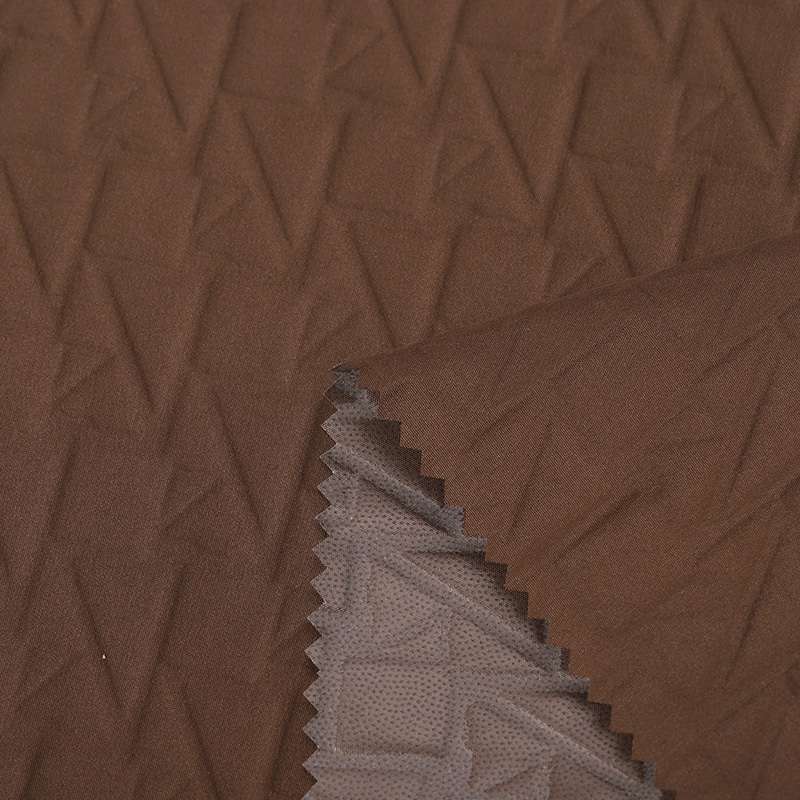
Mattress protectors prioritize surface softness, noiselessness, and a higher waterproof rating (8,000–10,000 mmH₂O for overnight use). Cotton or cotton-polyester terry at 200–300 g/m² after lamination is the dominant specification. Wider rolls (200–280 cm) accommodate fitted sheet formats. Ultrasonic or quilted finishing options add a premium aesthetic while maintaining waterproof performance.
Bibs
Bibs involve frequent washing, direct oral contact, and visible design elements. The face fabric needs to be soft and ideally printable for pattern options. Cotton and bamboo face fabrics are preferred for skin-contact comfort. OEKO-TEX Class 1 certification is particularly important here given oral contact risk. Lighter GSM (100–150 g/m²) keeps bibs flexible and easy to handle. For brands focused on sustainability positioning, TPEE membrane offers a more biodegradable alternative to standard TPU.
Changing Mats and Pads
Changing mats need to be wipe-clean, dimensionally stable, and waterproof across the full surface. PVC-free TPU laminates on durable knit or woven bases handle the repeated wiping and disinfecting these products experience. Wider cuttable widths simplify cutting for standard changing mat formats.
For brands developing product ranges across multiple baby categories, working with a single supplier who can provide consistent TPU lamination across different face fabrics simplifies quality control and compliance documentation significantly. Fuhuang's two-layer waterproof fabric solutions use the same membrane lamination platform across both outdoor and home textile applications, offering flexibility for brands that operate across product categories.