
 English
 CN
CNContent
- 1 The Problem with PU: Hydrolysis, Smell, and Sticky Floors
- 2 TPU Coating vs. PU, PE, and Silicone: A Head-to-Head Comparison
- 3 Why TPU is the Superior Choice for Tent Floors and Flysheets
- 4 The Manufacturing Process: PU Coating vs. TPU Lamination (PUR)
- 5 Environmental Impact: TPU’s Role in Sustainable Tent Manufacturing
- 6 A B2B Buyer’s Checklist for TPU Coated Tent Fabric
- 7 Conclusion: Is TPU Coating Worth the Investment?
Open a tent that's been stored for a season and the acrid, chemical smell hits you. That's PU hydrolysis in action — a slow-motion failure that renders a once-trusted shelter useless within a few years. Tent fabric coatings are the invisible line between a dry night and a soggy disaster. And while polyurethane (PU) has dominated for decades, its Achilles' heel is now driving a decisive shift toward thermoplastic polyurethane (TPU).
The question isn't just "which coating is best." It's about matching the right coating to the right application and understanding what you're really paying for over the lifespan of the tent. For brand owners and OEM factories, this choice directly impacts warranty claims, brand reputation, and long-term costs.
The Problem with PU: Hydrolysis, Smell, and Sticky Floors
Polyurethane coatings fail through a chemical process called hydrolysis. Moisture in the air breaks the ester bonds in the PU polymer chain. Heat accelerates this reaction. The result is a coating that turns tacky, smells of rancid chemicals, and eventually peels away from the base fabric. Reddit and hiking forums are filled with stories of $500+ tents ruined after just two or three years of storage.
Slingfin and Tarptent have publicly moved away from PU for this reason. Hilleberg still uses PU, but their design philosophy relies on outer tents that never touch the ground and inner tents with silicone coatings. The fundamental problem remains: a tent with a PU-coated floor or flysheet will degrade, even in a climate-controlled closet. The typical lifespan of a PU-coated tent fabric is 2–5 years under ideal conditions; in humid environments it can fail in less than two.
Three telltale signs of PU hydrolysis:
- The inner surface of the tent floor feels sticky or gummy, even after cleaning.
- A pungent, chemical odor persists and worsens over time — often described as "cat urine" or "vinegar-like."
- The coating flakes off, leaving bare nylon that leaks instantly under pressure.
For manufacturers, this translates into customer service headaches and brand erosion. The move to TPU is not a fad — it's a direct answer to a catastrophic material defect.
TPU Coating vs. PU, PE, and Silicone: A Head-to-Head Comparison
Not all coatings are created equal. Polyethylene (PE) coatings offer decent waterproofness at a very low cost but add significant weight and have poor breathability. Silicone coatings excel in tear strength and UV resistance, yet they lack the vapor permeability needed for a single-wall tent and require specialized seam taping. PU sits in the middle — affordable, repairable with seam sealers, but destined to hydrolyze.
TPU delivers a blend that none of the others match. It withstands hydrolysis, remains flexible down to -40°C, and offers high moisture vapor transmission rates (MVTR) to reduce condensation. The table below compares key performance metrics across four common coating types.
| Coating Type | Hydrostatic Head (mmH₂O) | MVTR (g/m²/24h) | Hydrolysis Resistance (years) | Low-Temp Flexibility (°C) | Cost Index (PU=1) |
|---|---|---|---|---|---|
| PU | 3,000 – 5,000 | 500 – 1,000 | 2 – 5 | -20°C | 1.0 |
| PE | 1,500 – 3,000 | < 500 | 5 – 8 | -10°C | 0.6 – 0.8 |
| Silicone | 2,000 – 4,000 | 1,000 – 3,000 | 8 – 12+ | -40°C | 1.3 – 1.5 |
| TPU | 20,000 – 40,000 | 5,000 – 10,000 | 10 – 15+ | -40°C | 1.2 – 1.5 |
These numbers tell a clear story. TPU offers an order of magnitude more waterproofing than standard PU, with high breathability and no hydrolysis penalty. The cost premium is modest — typically 20-50% more than PU at the fabric level — but the extended lifespan means the annualized cost often drops below that of a PU tent. A TPU-coated floor can last 10 years or more without degradation, effectively halving the per-year cost compared to a PU equivalent.
For a deeper dive into the chemistry behind these coatings, see our practical comparison of TPU and PU coatings.
Why TPU is the Superior Choice for Tent Floors and Flysheets
A tent is not a single-use case. The floor needs high abrasion resistance, puncture strength, and a hydrostatic head that can withstand body weight pressing into wet ground. The flysheet demands low weight, high tear strength, UV resistance, and — in humid conditions — moisture vapor transmission to cut condensation. No single coating could historically deliver all these at once. TPU changes that calculus.
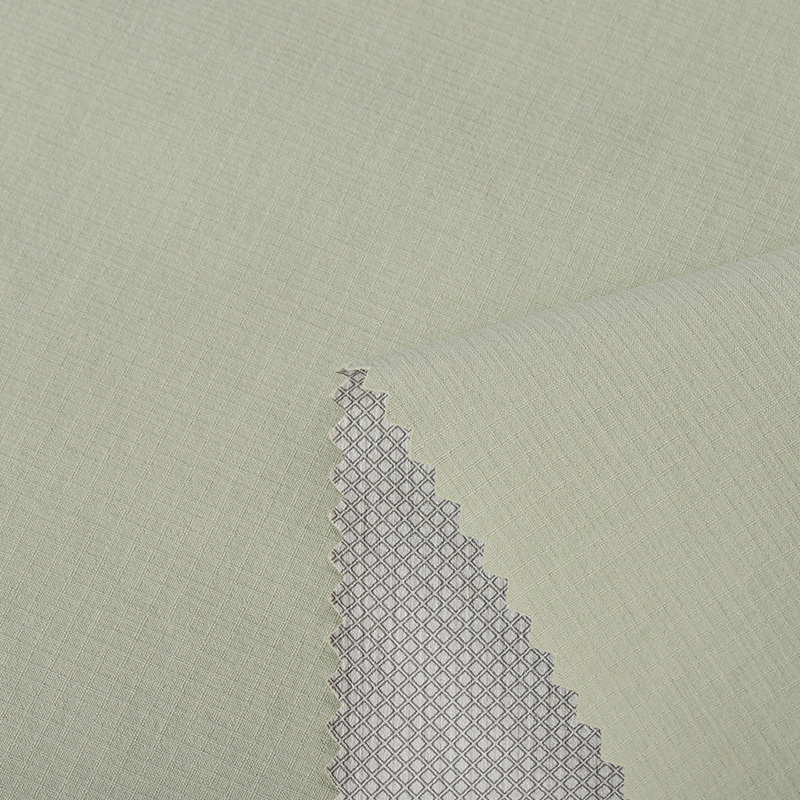
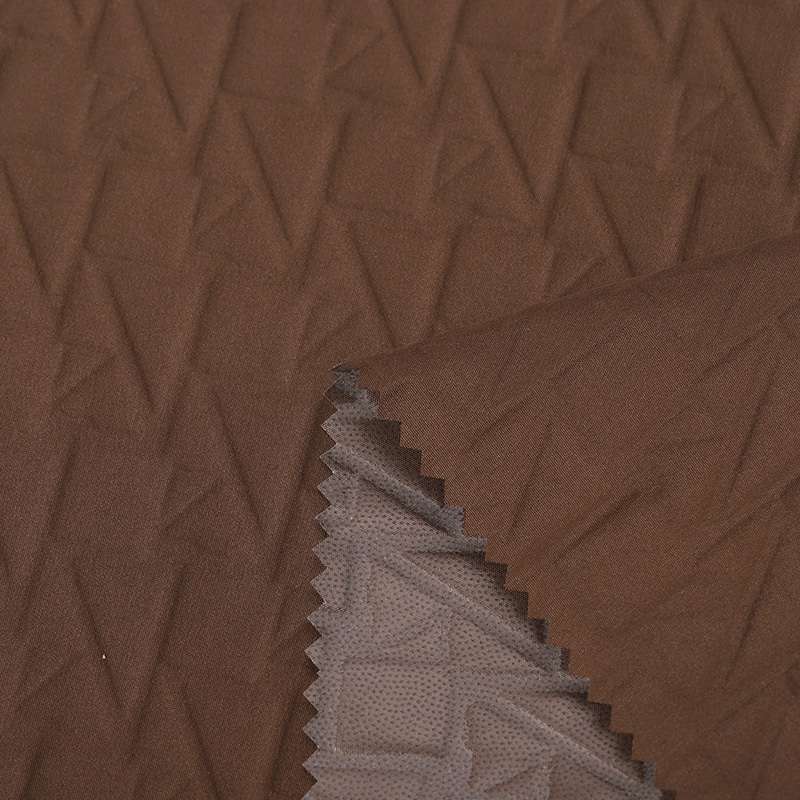
For tent floors, we recommend a robust structure: 40D or 70D nylon ripstop bonded with a 0.08–0.12mm TPU film via PUR hot-melt lamination. This combination routinely achieves hydrostatic heads above 30,000mm — far exceeding the 2,000–5,000mm typical of PU floors. The TPU layer is impervious to mold and hydrolysis, so even after years of damp storage, the floor stays intact and odor-free. Our TPU laminated tent fabrics are specifically engineered to survive this kind of abuse.

Flysheets benefit from a lighter approach. A 20D ripstop nylon with a single-side TPU film (0.05mm) yields a total weight of 55–65 gsm, competitive with sil/PU fabrics, while providing better MVTR. In single-wall tents, a TPU film with micropores can transmit moisture vapor at rates exceeding 10,000 g/m²/24h, dramatically reducing interior condensation. The low-temperature flexibility means the fly stays pliable in alpine winter, eliminating the "crackly tarp" sound that plagues stiff PU coatings.
The Manufacturing Process: PU Coating vs. TPU Lamination (PUR)
The performance gap isn't just about chemistry — it's about how the coating is applied. Traditional PU is applied as a solvent-based liquid that cures on the fabric. This process emits volatile organic compounds (VOCs) and can trap residual solvents inside the coating. Those residual chemicals contribute to hydrolysis and odor over time. The coating is essentially glued to the fabric, and the bond weakens as the PU degrades.
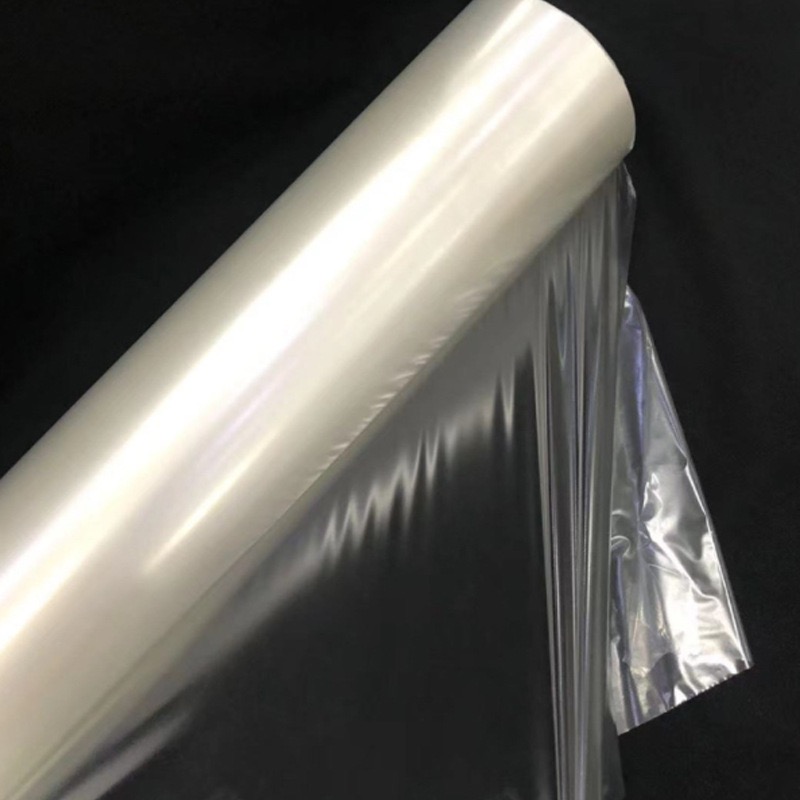
TPU, by contrast, is pre-formed as a solid film and laminated to the fabric using reactive polyurethane hot-melt adhesive (PUR). This process is solvent-free. The PUR adhesive cures with ambient moisture, forming a cross-linked bond that is stronger and more chemically resistant than the TPU itself. The result is a composite that does not hydrolyze — because there are no ester bonds in the PUR adhesive, and the TPU film is engineered for long-term stability. With 20 dedicated PUR laminating lines, we produce over 200,000 meters of TPU composite fabric daily, a scale that proves the industrial maturity of the technology.
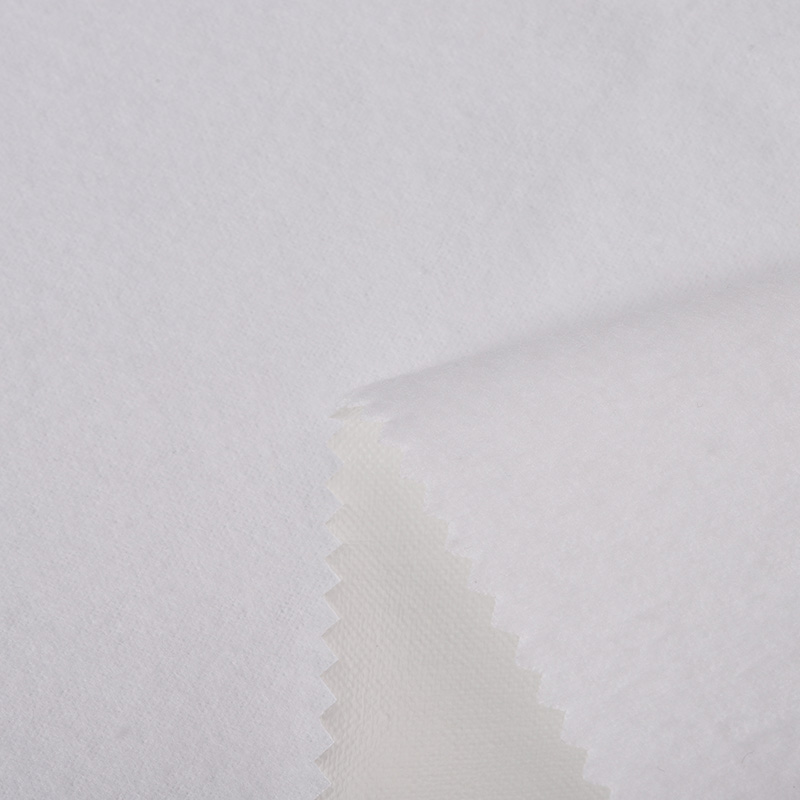
Another advantage: multilayered construction. A 3-layer TPU composite — for example, a face fabric, a TPU membrane, and a tricot backing — can be manufactured in a single pass. This eliminates the delamination risk that often occurs in multi-step PU coating processes. For tent applications, a 2-layer or 3-layer TPU composite offers the most durable and flexible solution.
Environmental Impact: TPU’s Role in Sustainable Tent Manufacturing
Sustainability is no longer a marketing bullet. It's a procurement criterion. PU coatings are inherently solvent-based; even water-based PU systems often contain co-solvents. The used fabric is nearly impossible to recycle because the coating cannot be separated from the nylon. TPU changes both sides of the equation.
TPU lamination generates zero VOCs. The films themselves can be produced from bio-based polyols — sourced from castor oil or other renewable feedstocks — reducing the carbon footprint by up to 30% compared to petroleum-based PU. And at end-of-life, TPU-coated textiles can be mechanically recycled or incinerated without producing dioxins or hydrochloric acid. We hold Global Recycled Standard (GRS) certification for recycled nylon and TPU compounds, and our bio-based TPU series meets ASTM D6866 standards for renewable carbon content.
The EU’s proposed Digital Product Passport will demand chemical transparency and recyclability data. Brands using TPU-coated tent fabrics are positioned to meet these future regulations with minimal reformulation effort, while PU alternatives face growing regulatory headwinds.
A B2B Buyer’s Checklist for TPU Coated Tent Fabric
If you're sourcing tent fabric for a product line, these five parameters will determine the end performance and cost. Check these before signing a purchase agreement.
- Base fabric specs: Denier (D), thread count, and ripstop pattern. For tent floors, 40D–70D nylon 6,6 delivers the best balance of weight and abrasion resistance. For flysheets, 20D–30D nylon or polyester saves weight.
- TPU film thickness and type: 0.05–0.15mm. Polyether-based TPU offers superior hydrolysis resistance over polyester-based TPU. Confirm which variant you're getting.
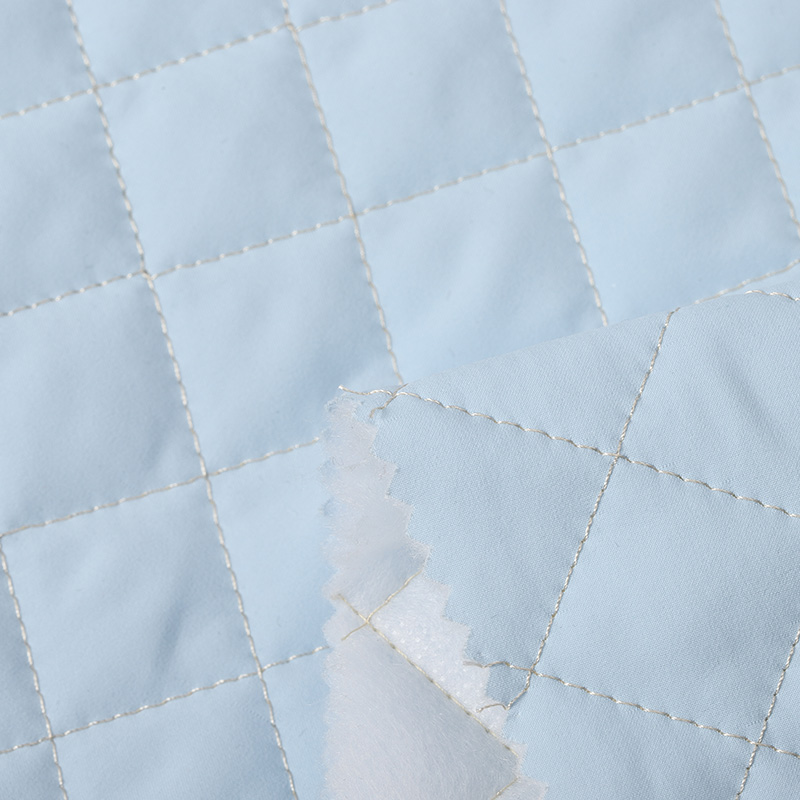
- Composite layer structure: 2-layer (fabric + film) is typical for floors; 2.5-layer (fabric + film + protective print) works for flysheets; 3-layer (fabric + film + backer) adds robustness for expedition tents.
- Certified performance values: Request test reports per ISO 811 (hydrostatic head), ASTM E96 (MVTR), and ISO 2411 (peel strength). A peel strength above 15N/5cm indicates a durable bond.
- Certifications: For eco-conscious markets, demand OEKO-TEX Standard 100, GRS, or bio-based carbon certification. These also streamline your own product compliance.
Many brands also benefit from discussing custom specifications. We offer tailored TPU composite solutions that can adjust weight, color, and hand feel to match luxury or ultralight market segments.
Conclusion: Is TPU Coating Worth the Investment?
Let's do the math. A PU-coated tent retails for $300 and lasts three years. That's $100 per year. A comparable TPU-coated tent costs $360 — a 20% premium — but lasts over 10 years. That's $36 per year, less than half the annual cost. Factor in the avoided cost of re-coating, fewer warranty returns, and no musty surprise at the trailhead, and the argument tilts heavily in TPU's favor.
For tent brands, TPU coating isn't an upgrade. It's a long-term cost-reduction strategy disguised as a performance feature. The process technology is mature, the supply chain is scaled, and the environmental case is airtight. The only real question is how quickly your product line makes the switch.