
 English
 CN
CNContent
- 1 Children's Skin Is Not a Smaller Version of Adult Skin
- 2 The Chemical Risks Hidden in Standard Waterproofing Treatments
- 3 Why Regulatory Standards for Children Are Stricter — And What They Cover
- 4 TPU-Based Waterproofing: A Safer Alternative for Children's Fabrics
- 5 What Brands and Buyers Should Verify When Sourcing Children's Waterproof Fabrics
Children's Skin Is Not a Smaller Version of Adult Skin
When it comes to textile safety, treating children as scaled-down adults is a serious oversight. Children's skin — particularly in infants and toddlers — has a fundamentally different physiological structure. The stratum corneum, the outermost protective layer of the skin, is significantly thinner in young children and continues developing well into early adolescence. This means the barrier function that prevents external substances from entering the body is considerably weaker than in adults.
As a result, chemicals present in fabrics — including residual processing agents, dyes, and waterproofing treatments — are absorbed through children's skin at a much higher rate. Studies have consistently shown that dermal absorption in young children can be several times greater than in adults for the same substance at the same concentration. Children also have a higher surface-area-to-body-weight ratio, meaning the relative dose of any absorbed chemical is proportionally larger.
Beyond absorption, children's organ systems — including the liver, kidneys, and endocrine system — are still maturing. Their capacity to metabolize and excrete toxic substances is limited, increasing the risk that low-level chronic exposure produces measurable harm. This biological reality is the foundational reason why safety standards for children's fabrics, including waterproof textiles, must be held to a higher and more specific standard than those governing adult apparel.
The Chemical Risks Hidden in Standard Waterproofing Treatments
Waterproof performance in textiles is not achieved through fabric construction alone. Most conventional waterproofing relies on chemical treatments applied to the face fabric — and the chemistry involved raises serious questions when the end user is a child.
The most widely discussed concern involves per- and polyfluoroalkyl substances (PFAS), commonly used in durable water repellent (DWR) finishes. PFAS create a low-surface-energy coating that causes water to bead and roll off fabric. However, certain PFAS compounds — particularly long-chain variants such as PFOA and PFOS — are persistent environmental contaminants that bioaccumulate in human tissue. Regulatory agencies have linked them to developmental toxicity, hormonal disruption, immune suppression, and potential carcinogenic effects. For children, whose developmental windows are narrow and irreversible, even low-level chronic exposure is a meaningful risk.
Beyond PFAS, other chemical hazards routinely found in poorly regulated waterproof textiles include formaldehyde-based crosslinking agents used to improve wash durability of coatings, azo dyes capable of releasing carcinogenic aromatic amines, and heavy metal-based pigments including lead and cadmium. Each of these has established regulatory limits specifically for children's products that are lower — sometimes dramatically so — than limits applied to general consumer textiles.
For a broader understanding of how different waterproofing materials and coating methods compare in terms of composition and construction, this detailed guide to waterproof fabric types and construction methods covers the key distinctions between membranes, coatings, and DWR systems.
Why Regulatory Standards for Children Are Stricter — And What They Cover
The gap between adult and children's textile safety regulations is not a matter of degree — it is a matter of category. Most major markets maintain distinct and more demanding regulatory frameworks for products designed for children under 14, and in many cases under 3.
In the United States, the Consumer Product Safety Improvement Act (CPSIA) governs children's products broadly. Under 16 CFR provisions, lead content in children's apparel must not exceed 100 ppm — compared to 600 ppm in general products — and phthalates are limited to 0.1% in items that may contact children's mouths or skin. All testing must be conducted through CPSC-accredited third-party laboratories, and manufacturers must maintain Children's Product Certificates (CPCs) documenting compliance.
In Europe, EN 71 and EN 14682 address mechanical hazards including drawstring restrictions in garments for children under 14, while REACH regulations set limits on substances of very high concern (SVHC) across the supply chain. Both frameworks have lower permissible thresholds for chemical substances in children's products compared to adult clothing.
Internationally, two third-party certification systems are widely recognized for chemical safety in children's textiles. OEKO-TEX Standard 100 certifies that textiles are free from harmful levels of more than 100 regulated substances, with the most stringent requirements applied to Product Class I — items for babies and toddlers under 36 months. The Global Organic Textile Standard (GOTS) adds a supply-chain dimension, verifying that organic fiber content is maintained and that chemical inputs at every processing stage meet defined toxicological thresholds.
For buyers evaluating waterproof performance alongside safety, understanding how hydrostatic head ratings are obtained and what they actually reflect in use conditions is equally important. This resource on how waterproof ratings are measured and what they mean in practice provides a useful technical reference.
TPU-Based Waterproofing: A Safer Alternative for Children's Fabrics
As awareness of PFAS-related risks has grown, the waterproof fabric industry has accelerated its shift toward fluorine-free alternatives. Among these, TPU (Thermoplastic Polyurethane) membrane lamination has emerged as the leading technology for children's applications — and for sound technical reasons.
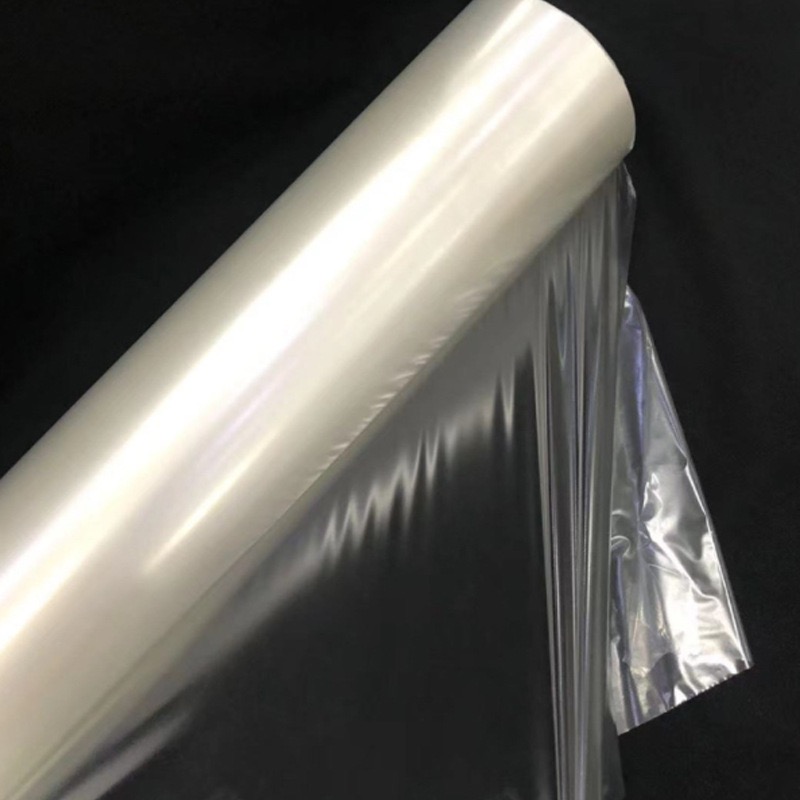
Unlike DWR finishes, which are applied as a surface treatment and can contain persistent fluorinated compounds, TPU membranes are physical films bonded to the base fabric through heat lamination. The waterproofing mechanism is structural rather than chemical: the membrane's microscopic pore structure allows vapor to escape (breathability) while blocking liquid water entry (waterproofness). This approach eliminates the need for PFAS chemistry entirely, removing a significant category of chemical risk from the finished product.
| Feature | Traditional DWR Finish | TPU Membrane Lamination |
|---|---|---|
| PFAS content | Common in fluorinated formulas | None (fluorine-free) |
| Waterproof mechanism | Surface chemistry | Physical membrane barrier |
| Durability after washing | Degrades over time | Stable with correct care |
| Breathability | Variable | Engineered and consistent |
| Skin contact suitability | Requires chemical testing | High; biocompatible formulations available |
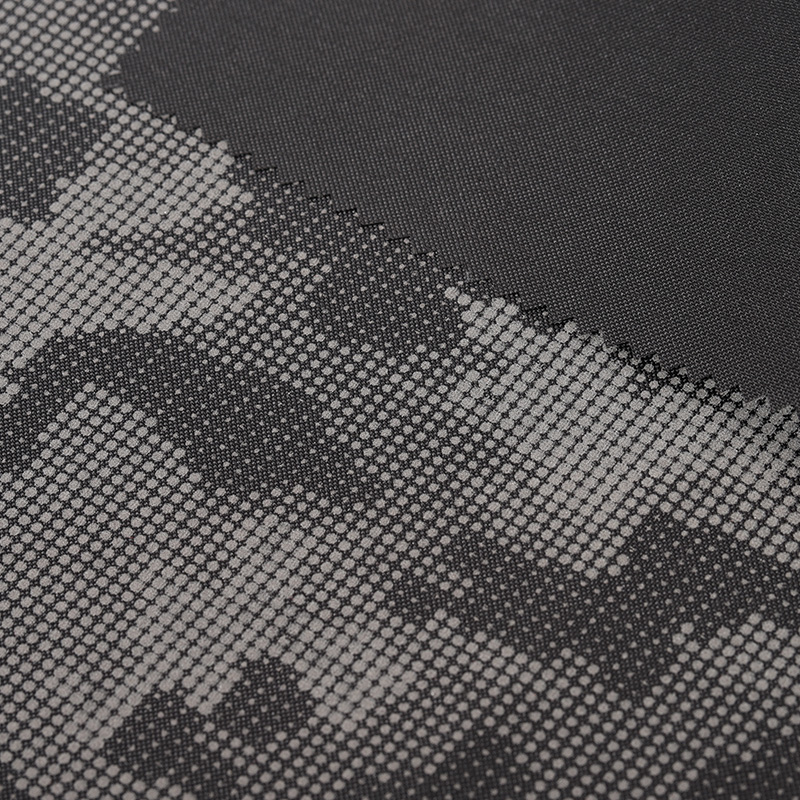
TPU membranes also offer design advantages for children's products. Their inherent elasticity complements the stretchable knit constructions commonly used in children's outerwear and rain gear, and printing can be applied directly to knitted face fabrics without compromising membrane integrity. TPEE (Thermoplastic Polyester Elastomer) films offer similar benefits with additional chemical resistance, and are frequently used in baby home textile applications such as waterproof mattress covers and bibs.
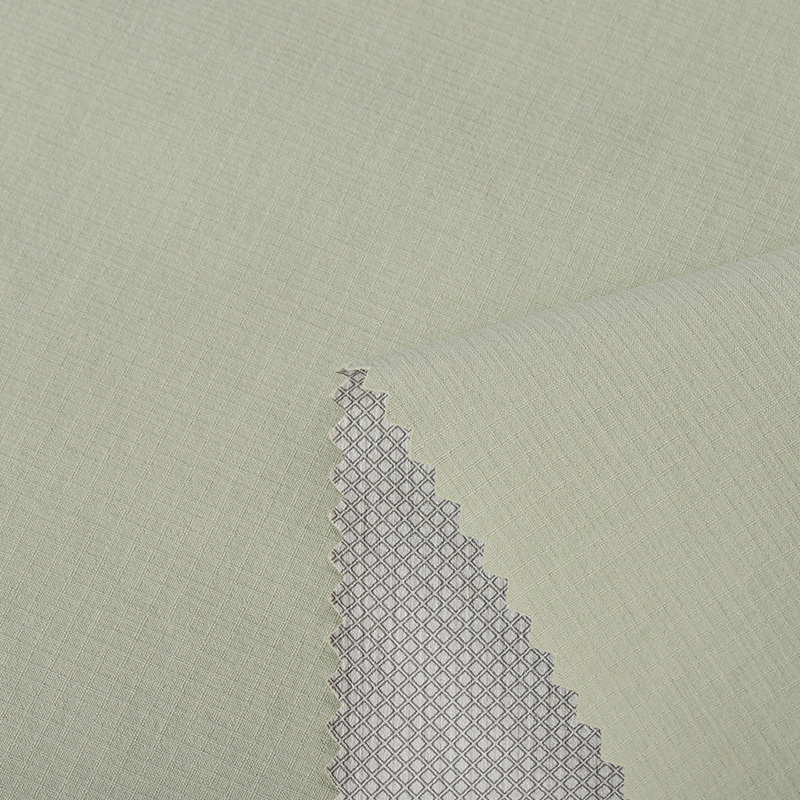
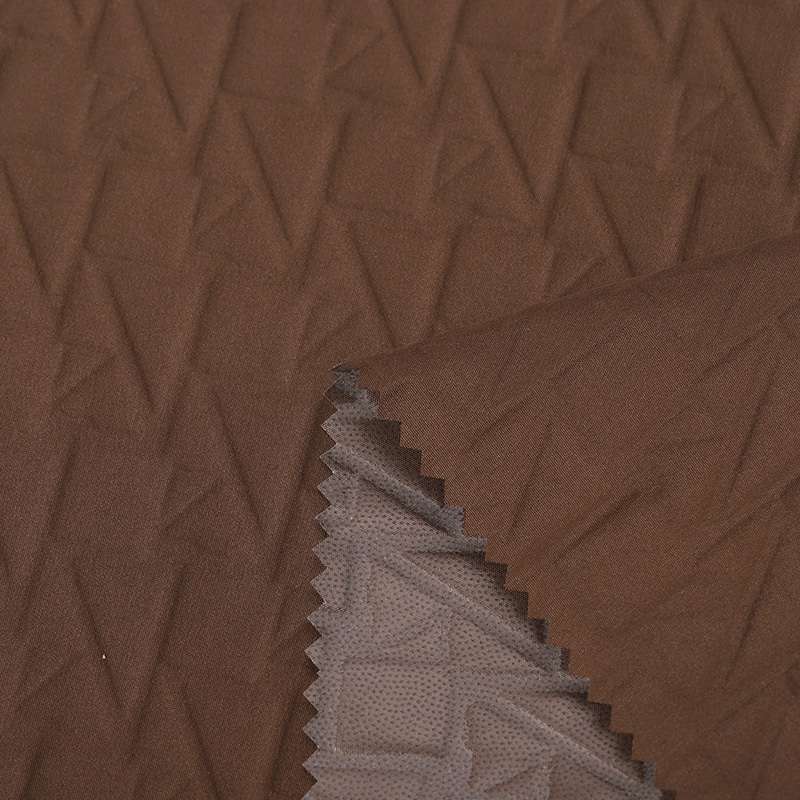
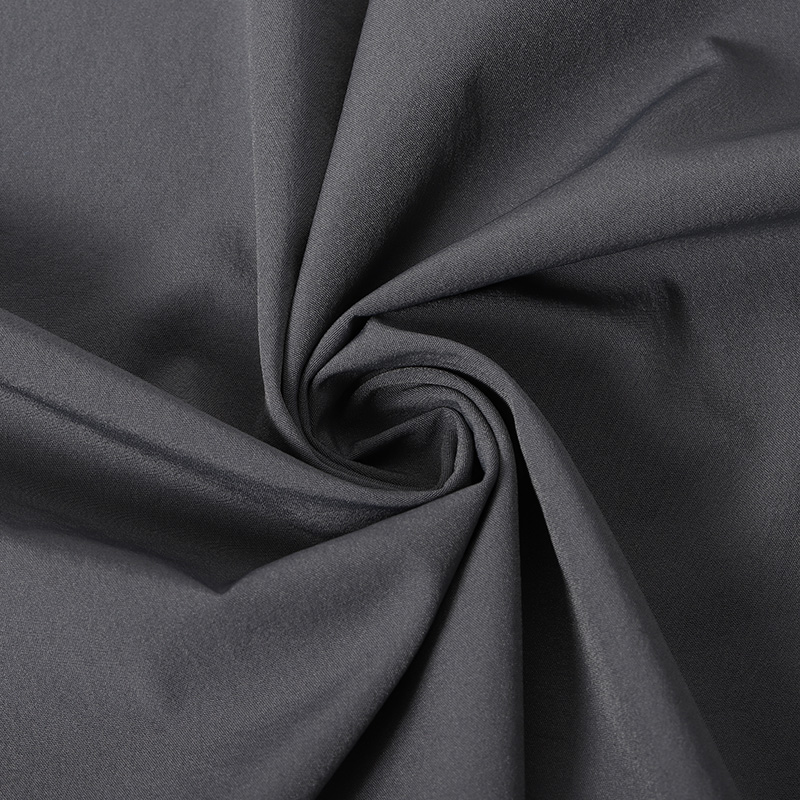
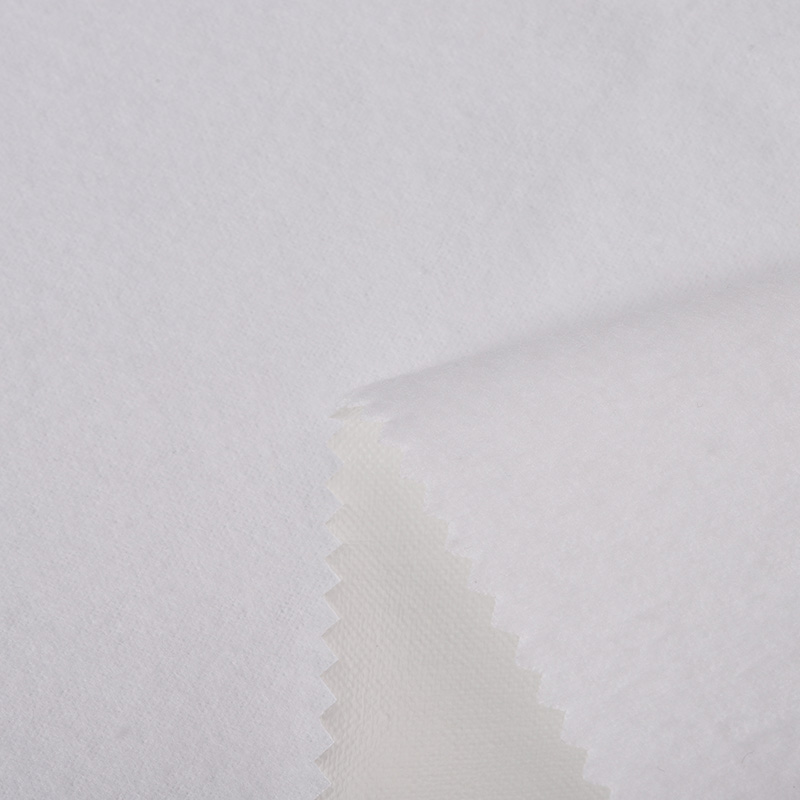
For brands and OEM buyers sourcing for children's product lines, these fabric categories represent the current technical and regulatory benchmark. The waterproof TPU fabric designed for children's clothing combines knitted comfort with membrane-level waterproofing, while the two-layer home textile waterproof fabric for baby products serves diaper, bib, and mattress cover applications where contact with sensitive skin is direct and prolonged.
What Brands and Buyers Should Verify When Sourcing Children's Waterproof Fabrics
Regulatory compliance for children's waterproof fabrics is not a one-time certification — it is an ongoing supply chain discipline. For brands sourcing fabric or finished garments, the following verification requirements represent a practical minimum standard.
Third-party laboratory test reports are the foundation. These should be current (typically within 12 months), issued by an accredited laboratory, and cover at minimum: restricted substance content (PFAS, formaldehyde, heavy metals, azo dyes), colorfastness under washing and perspiration conditions, and dimensional stability after repeated washing. For the U.S. market, reports must come from a CPSC-accredited lab; for European markets, EN ISO test standards should be cited.
Certification documentation adds a layer of systematic assurance. OEKO-TEX Standard 100 certificates should be evaluated at the correct product class level — infant and toddler products fall under Class I, which carries the strictest substance limits. GOTS certification is relevant when organic fiber content is a product claim. Certificates should be verified directly through the issuing body's online database, not accepted solely on the supplier's word.
Chemical process transparency from the fabric supplier is increasingly expected by responsible brands. This means suppliers providing documentation of chemical inputs at each processing stage — dyeing, finishing, lamination — including Material Safety Data Sheets (MSDS) for processing chemicals and confirmation of DWR-free or fluorine-free waterproofing treatment. Suppliers using bluesign-certified chemical management systems for textile production offer a higher baseline of process transparency.
Construction-level review matters as much as chemistry. Seam sealing, zipper taping, and hem construction determine whether a garment is genuinely waterproof or merely water-resistant. For children's products, where end users are unlikely to recognize or report garment failure, performance testing of the finished construction — not just the fabric — provides the most reliable safety and performance assurance.
Establishing these verification practices before production begins, rather than after, protects brands from costly recalls, market withdrawal, and the reputational damage that comes with children's product safety failures. In the children's waterproof category, due diligence is not optional — it is the baseline expectation of responsible sourcing.