
 English
 CN
CNContent
- 1 Why Home Textile Waterproofing Is More Complex Than It Looks
- 2 The Core Membranes: TPU vs. TPEE and When to Use Each
- 3 Baby Diapers and Bibs: Safety-First Waterproofing
- 4 Children's Waterproof Bedding: Balancing Protection and Sleep Comfort
- 5 Hotel and Household Mattress Protectors: Durability at Scale
- 6 Medical-Grade Waterproof Mattress Fabric: Compliance, Hygiene, and Longevity
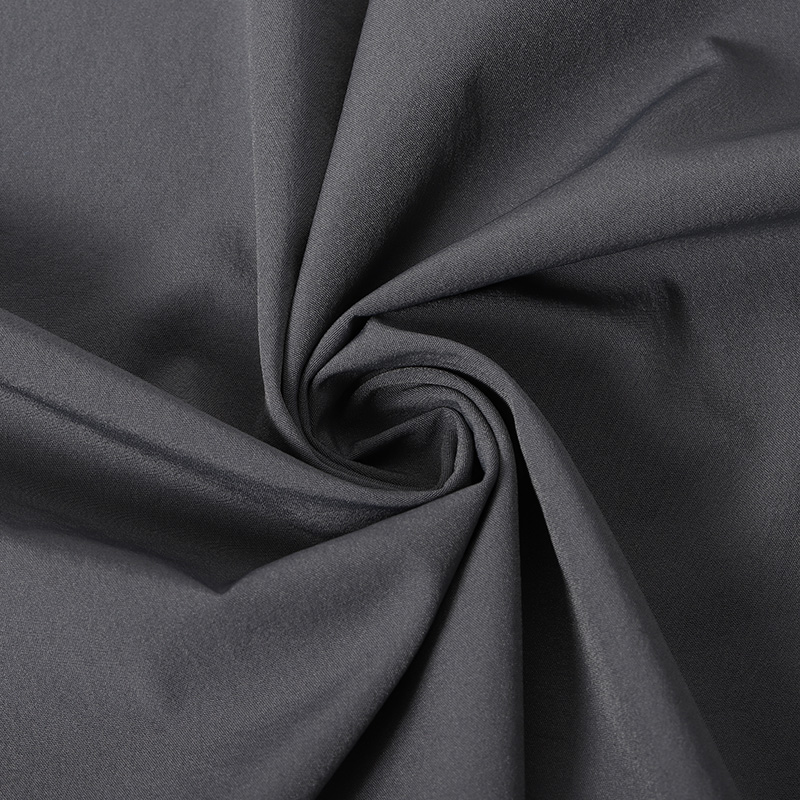
- 7 Base Fabric Options and How They Affect the Final Product
- 8 Certifications That Matter: OEKO-TEX, GRS, and What Buyers Should Verify
A baby's diaper cover and a hospital mattress protector look nothing alike — but they share one non-negotiable requirement: the fabric must not let liquid through. What separates a product that performs reliably from one that fails in the field is not just the waterproof rating, but the entire fabric engineering stack beneath it. For home textile manufacturers and procurement teams, understanding how waterproof fabrics are specified across different end-use scenarios is the foundation of making the right sourcing decision.
Why Home Textile Waterproofing Is More Complex Than It Looks
Waterproofing in apparel is largely about keeping external rain out. In home textiles, the challenge runs in the opposite direction — containing liquid that originates from the body, whether from an infant, an incontinent adult, or a patient in a clinical bed. This reversal of direction changes everything about how performance must be measured and specified.
Home textile waterproof fabrics also face a set of demands that outdoor performance fabrics rarely encounter simultaneously: they must be soft enough for prolonged skin contact, silent enough not to disturb sleep, washable at high temperatures for hygiene purposes, and safe for use against the most sensitive skin types — newborns and hospital patients. Meeting all of these requirements at once is what makes home textile waterproofing genuinely difficult to engineer.
The good news is that lamination technology has advanced considerably. Modern TPU and TPEE membranes bonded to carefully selected base fabrics can deliver waterproof ratings of 5,000 to 10,000 mmH₂O while remaining breathable, silent, and comfortable — qualities that earlier PVC or rubber-backed materials could never achieve together.
The Core Membranes: TPU vs. TPEE and When to Use Each
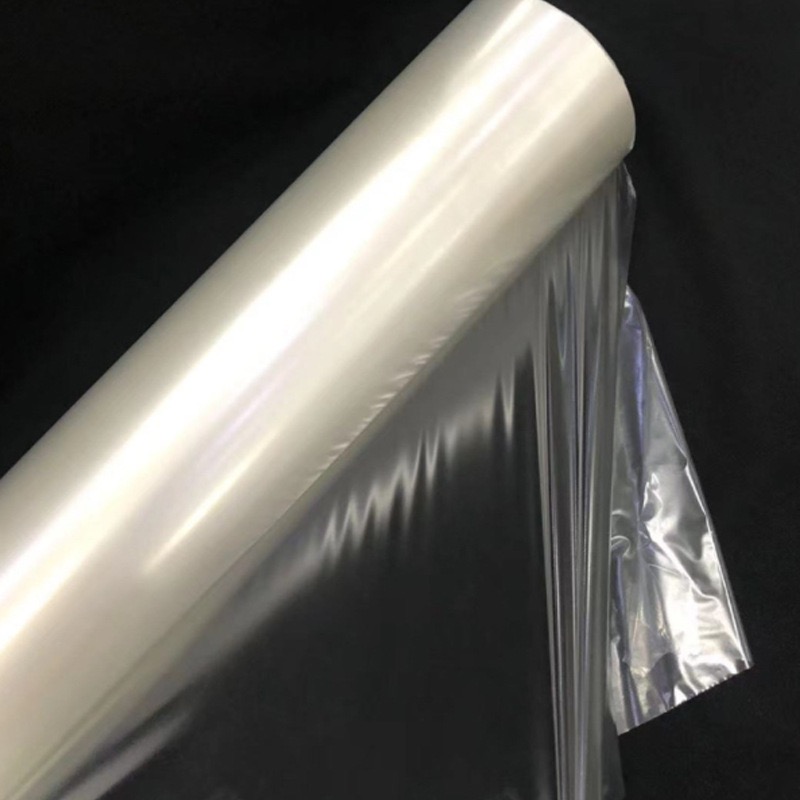
The two membranes that dominate the home textile waterproof fabric market are TPU (Thermoplastic Polyurethane) and TPEE (Thermoplastic Polyester Elastomer). Both are laminated to a face fabric using a thermal bonding process — ideally solvent-free — to create a durable, flexible barrier layer. But they differ in ways that matter for specific applications.
| Property | TPU Membrane | TPEE Membrane |
|---|---|---|
| Waterproof Rating | 5,000–10,000 mmH₂O | 5,000–10,000 mmH₂O |
| Breathability | Good (high-breathability variants available) | Excellent elastic recovery, good breathability |
| Flexibility / Stretch | High flexibility, suitable for knitted bases | Superior elastic recovery |
| Chemical Resistance | Good | Strong, preferred for medical use |
| Eco Profile | Solvent-free versions available (FreeDMF) | Bio-based variants available |
| Typical Applications | Diapers, bibs, mattress covers, children's bedding | Medical mattresses, incontinence products |
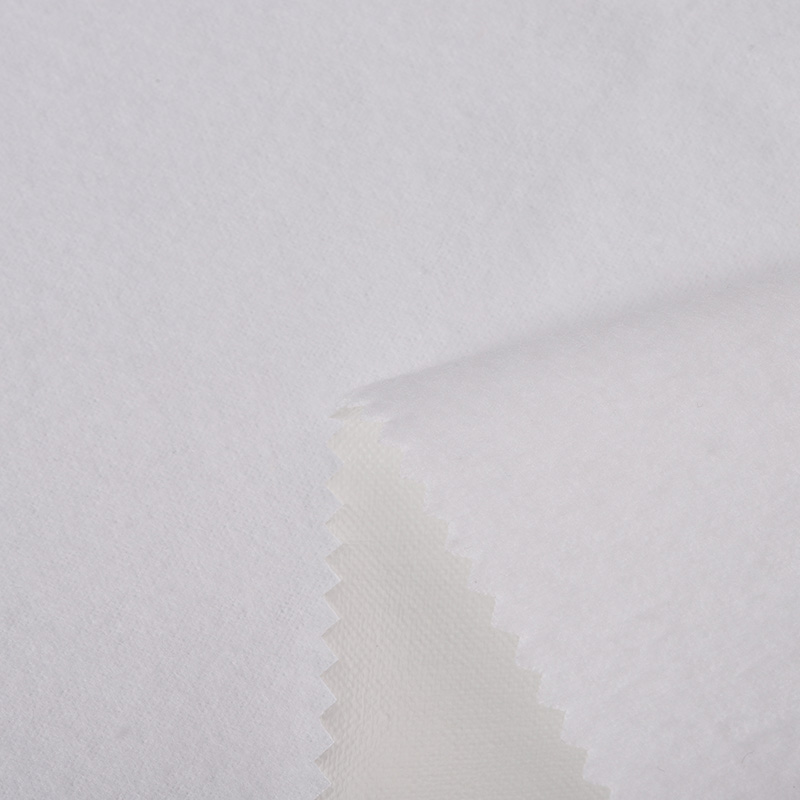
For most home textile applications — from baby bibs to household mattress protectors — a low-breathability TPU film at 15–20 microns provides a practical balance of cost and performance. For medical or clinical settings where chemical exposure and repeated disinfection cycles are a factor, TPEE's stronger chemical resistance makes it the more durable long-term choice. Our full range of TPU and TPEE waterproof membranes for home textile use covers both specifications, with options in clear matt and white matt finishes from 15 to 20 microns.
Baby Diapers and Bibs: Safety-First Waterproofing
No product category in home textiles demands a more rigorous approach to material safety than infant items. A diaper cover or bib is in constant, direct contact with a newborn's skin — skin that is thinner, more permeable, and more reactive than adult skin. This is not a context for cutting corners on certification or base fabric selection.
For diaper-use fabrics, the waterproof membrane must be thin enough not to compromise garment softness, yet robust enough to survive repeated washing at up to 60°C. A 15-micron TPU film laminated to a knitted polyester or cotton-polyester blend strikes this balance effectively. The knitted construction preserves stretchability, which matters for a garment that moves with an active infant. Waterproof performance in the 5,000–8,000 mmH₂O range is sufficient for diaper covers and training pants; the key variables are softness, silicone-free finish, and the ability to withstand at least 50 washing cycles without delamination.
Bibs follow similar logic — here, the fabric width and cut flexibility matter as much as waterproof performance, since bibs are often produced in varied shapes and sizes across product lines. The base fabric choice (terry cloth, flannel, coral velvet) affects the hand feel and absorbency of the non-waterproof face side, while the membrane handles liquid barrier function on the reverse. For a detailed look at how these specifications translate to sourced product, see our waterproof diaper and bib fabrics. And for a deeper examination of why infant-use textiles require elevated safety scrutiny, our analysis of safety requirements for children's waterproof textiles is worth reviewing before finalizing specifications.
Children's Waterproof Bedding: Balancing Protection and Sleep Comfort
Waterproof mattress covers for children's beds face a different set of trade-offs than diaper fabrics. The product is larger, handled less frequently, and expected to perform across years rather than months. Noise is the factor most often underestimated at the specification stage — a waterproof cover that crinkles audibly with every movement will disrupt sleep and generate returns.
The solution lies in selecting a base fabric with inherent softness and acoustic dampening. Coral velvet and flannel both perform well in this regard; knitted jersey constructions also reduce the sound transmission compared to woven bases. A 20-micron TPU membrane laminated to these fabrics produces a product that is genuinely quiet, breathable, and washable at 60°C — the standard expectation for children's bedding.
Cuttable widths for mattress cover applications typically start at 150 cm and extend to 280 cm, with the wider formats used for queen and king-size children's beds in markets where extended bedding sizes are standard. Our children's knitted waterproof TPU fabric is specifically engineered for this application, with printed pattern options available for brands targeting the retail market.
Hotel and Household Mattress Protectors: Durability at Scale
For hotel procurement and household mattress protection, the performance calculus shifts toward durability and wash cycle resistance. A hotel mattress protector may be laundered 200–300 times over its service life, often at 70–90°C with commercial detergents. The waterproof membrane must maintain adhesion and waterproof integrity across that entire cycle count without developing pinholes or delaminating at seam points.
At this application level, GSM specification becomes a key procurement variable. Fabric weights in the 150–300 g/m² range suit standard residential use, while hospitality-grade products typically specify 250–415 g/m² to withstand commercial laundry conditions. Base fabric selection for this segment often favors cotton-polyester terry blends — the terry surface provides absorbency and a premium tactile feel, while the polyester content improves dimensional stability through repeated washing.
Waterproof performance requirements for this segment are typically 5,000–8,000 mmH₂O. This is adequate for liquid spills and perspiration management, and specifying beyond this range in a household or hotel context rarely delivers observable performance gains. For procurement teams who want to understand how waterproof ratings translate to real-world performance — and what to verify in supplier test reports — our guide on how waterproof ratings are evaluated for functional fabrics provides a useful framework.
Medical-Grade Waterproof Mattress Fabric: Compliance, Hygiene, and Longevity
Medical waterproof mattress fabric operates in a different performance tier from household or hotel products. In clinical settings, mattress covers are exposed to bodily fluids, disinfectant chemicals, and steam sterilization cycles. The fabric must maintain waterproof integrity, resist chemical degradation, and — critically — provide a surface that does not harbor bacteria or mold.
A waterproof rating of 8,000–10,000 mmH₂O is the minimum specification for most medical applications. TPEE membranes are preferred here over standard TPU, because their superior chemical resistance allows repeated exposure to hospital-grade disinfectants without compromising the membrane. The base fabric in medical applications is often a smooth polyester knit — easier to wipe down quickly in a clinical workflow than textured terry or flannel.
Medical bedsheet and incontinence pad fabrics sourced from specialized manufacturers are also expected to comply with relevant testing standards, including cytotoxicity and biocompatibility evaluations where direct skin contact is prolonged. Buyers sourcing for healthcare environments should confirm that supplier test reports cover these parameters specifically, in addition to standard waterproof and wash durability testing.
Base Fabric Options and How They Affect the Final Product
The waterproof membrane handles the barrier function. The base fabric determines almost everything the end user actually experiences: how the product feels against skin, how it sounds in motion, how much it weighs, and how quickly it dries after washing. Selecting the right base is as important as selecting the right membrane.
- 100% Polyester knit — Lightweight, dimensionally stable, quick-drying. Preferred for medical and hospitality use where ease of care outweighs softness considerations.
- Cotton-polyester terry — Soft, absorbent face side. The standard choice for household mattress protectors. The terry loop structure also provides effective acoustic dampening.
- 100% Cotton flannel — Premium softness and warmth. Used in baby and children's applications where skin sensitivity is the primary concern. Slightly slower to dry.
- Coral velvet — Ultra-soft, low-noise surface. Increasingly popular for children's bedding in retail markets. Pairs well with low-breathability TPU membranes.
- Bamboo fiber — Natural antibacterial properties, soft hand feel, good moisture management. Used in premium baby and adult incontinence products.
- Pongee (ultrasonic or quilted) — Smooth, lightweight, used as a lining or cover fabric in assembled bedding products where the waterproof layer is internal.
Available cuttable widths across these base fabric types range from 150 cm to 280 cm, and GSM after lamination spans 100 to 415 g/m², giving manufacturers the flexibility to match the fabric to both performance requirements and finished product dimensions.
Certifications That Matter: OEKO-TEX, GRS, and What Buyers Should Verify
Certification is not merely a marketing label — in home textile waterproof fabric, it is a procurement risk management tool. Products destined for infant use or healthcare environments, in particular, need verifiable compliance with restricted substance lists. Two certifications are most relevant to buyers in this category.
OEKO-TEX STANDARD 100 tests finished textile products against over 1,000 potentially harmful substances, including formaldehyde, heavy metals, phthalates, and allergenic dyes. Products for babies and toddlers fall under Product Class I, which carries the most stringent limit values of any product class in the standard. For buyers sourcing diaper fabrics or infant bedding, OEKO-TEX Class I compliance is the baseline expectation — not an optional premium. Full details on the certification scope and testing criteria are available directly from the OEKO-TEX STANDARD 100 program documentation.
Global Recycled Standard (GRS) certification verifies the recycled content of polyester-based fabrics and tracks chain of custody through the production process. For brands with sustainability commitments or import markets that require recycled content documentation, GRS-certified fabric is increasingly a sourcing prerequisite rather than a differentiator.
When evaluating suppliers, buyers should request both the certification number and the scope of the certificate — not all supplier certifications cover laminated fabrics specifically. A certified base fabric combined with an uncertified membrane does not constitute a certified finished product under OEKO-TEX rules. Confirming that the certificate covers the complete laminated fabric — membrane included — is a basic due diligence step that is frequently overlooked.