
 English
 CN
CNContent
- 1 Three Products, Three Different Fabric Problems
- 2 Understanding Waterproof Ratings Across Product Categories
- 3 TPU Lamination vs. PU Coating: The Manufacturing Decision
- 4 Choosing the Base Fabric: Pongee, Taffeta, Oxford, and Nylon
- 5 Raincoat Fabric: Lightweight, Breathable, and Printable
- 6 Umbrella Fabric: Waterproofing Plus Blackout Plus Packability
- 7 Tent Fabric: Where Weight, Tear Strength, and Durability Compete
- 8 A Specification Matrix: Matching Product to Fabric
Tents, raincoats, and umbrellas all keep people dry. That shared function makes it tempting to treat them as variations of the same product category — but from a fabric engineering standpoint, they are almost nothing alike. A raincoat must be lightweight enough to pack into a jacket pocket, breathable enough for a person moving at high effort, and washable dozens of times without losing performance. An umbrella canopy needs to shed rain in under a second, resist UV degradation across thousands of open-close cycles, and optionally block sunlight entirely. A tent floor fabric must resist sustained hydrostatic pressure from ground moisture while being puncture-resistant enough to survive abrasion against rough terrain. The right fabric for one of these products will often fail badly in another. What follows is a practical guide to navigating those differences — written for product developers, procurement teams, and OEM buyers who need to specify fabric correctly before a single prototype is cut.
Three Products, Three Different Fabric Problems
Before selecting a fabric, it helps to identify what the product is actually asking the fabric to do. The failure modes are different in each case, and the fabric specification should address the most likely failure first.
For a raincoat, the primary concern is weight-to-performance ratio. A fabric that provides 20,000 mmH₂O of waterproof resistance but weighs 350 g/m² will produce a garment too heavy to sell in most rainwear segments. Breathability also matters here in a way it simply does not for the other two products — a person wearing a raincoat during physical activity generates body heat and perspiration that needs to escape. If the fabric is too impermeable, internal condensation makes the garment feel wet from the inside even when it's bone dry from the outside.
For an umbrella, weight matters far less than optical properties and structural behavior. The canopy needs to block either rain, sunlight, or both — and it needs to spring back perfectly flat after being folded thousands of times. This places unique demands on the fabric's dimensional stability and elasticity recovery that neither raincoat nor tent fabrics face to the same degree.
For a tent, sustained pressure resistance is the governing concern. A tent floor may have a person's bodyweight distributed across it for eight or more hours, creating consistent pressure on damp ground. The fly must withstand wind-driven rain, not just vertical drizzle. Durability across abrasion, UV exposure, and pack-compression cycles becomes the long-term performance metric. In this context, a higher waterproof rating is justified — not because rain falls harder on tents, but because sustained contact and wear degrade performance faster.
Understanding Waterproof Ratings Across Product Categories
The hydrostatic head (HH) rating — measured in millimeters of water column — is the standard metric for fabric waterproofness across all three product types. The test method most widely used in international trade is ISO 811:2018, which specifies the hydrostatic pressure method for determining fabric resistance to water penetration. Under this standard, water pressure is steadily increased against a fabric sample until three drops penetrate — the pressure at that point is the HH rating.
What the number means in practice varies significantly by product. An umbrella canopy with a rating of just 400–800 mmH₂O can perform perfectly well in heavy rain — because the canopy is held aloft with no body weight pressing it into contact with water. The fabric sheds rain by slope and surface tension, not hydrostatic resistance. A higher HH rating on an umbrella canopy adds cost without adding meaningful protection.
| Product | Entry-Level HH | Standard HH | Performance HH | Primary Driver |
|---|---|---|---|---|
| Umbrella canopy | 400–800 mm | 1,000–3,000 mm | 3,000–5,000 mm | UV block, packability, durability |
| Raincoat shell | 3,000–5,000 mm | 8,000–10,000 mm | 15,000–20,000 mm | Breathability, weight, wash cycles |
| Tent fly | 1,500–3,000 mm | 5,000–8,000 mm | 10,000–20,000 mm | Sustained pressure, abrasion resistance |
| Tent floor | 3,000–5,000 mm | 8,000–10,000 mm | 15,000+ mm | Ground contact, puncture resistance |
For a deeper look at how these ratings translate to supplier test reports and what to verify when evaluating fabric samples, our guide on how to evaluate the real waterproof rating of a fabric covers the key variables buyers frequently overlook.
TPU Lamination vs. PU Coating: The Manufacturing Decision
Once the HH target is defined, the next decision is which waterproofing process to use. The two dominant methods for the tent, raincoat, and umbrella market are TPU lamination and PU coating, and they differ in ways that affect both production economics and long-term performance.
PU (Polyurethane) coating applies a layer of polyurethane directly to the back surface of the fabric. The process is straightforward and cost-effective, making it the default choice for umbrella canopies, budget rainwear, and tent fabrics in the mid-tier market. PU coating can achieve waterproof ratings from 3,000 to 10,000 mmH₂O with relative ease, and it can incorporate blackout pigments or UV-blocking additives during the coating process. The limitation is longevity — coatings can crack, peel, or hydrolize over time, especially with repeated folding, UV exposure, or high-temperature washing.
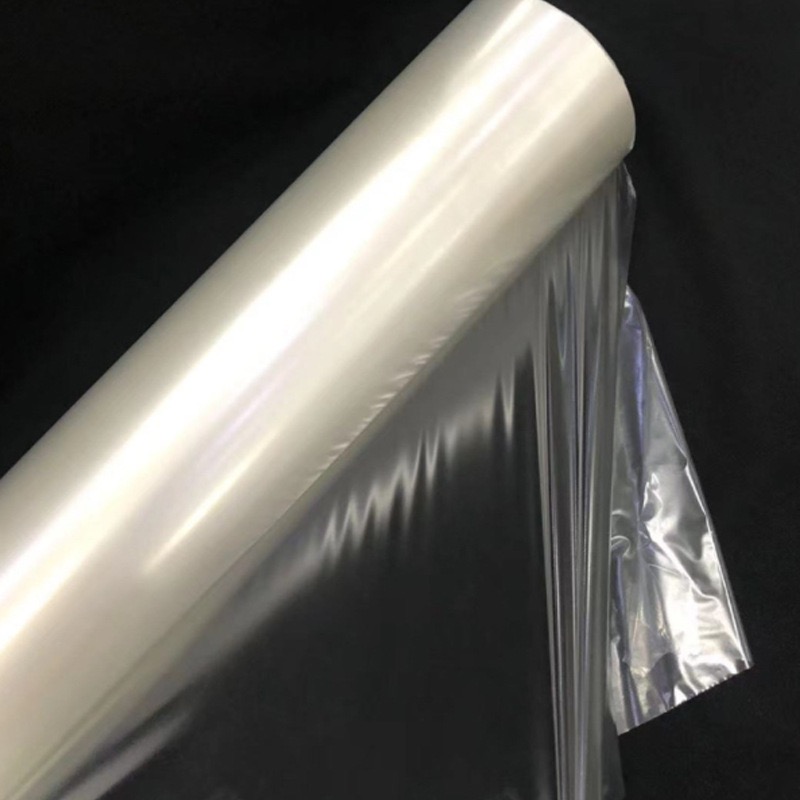
TPU (Thermoplastic Polyurethane) lamination bonds a pre-formed TPU film to the base fabric using a thermal process, typically without solvents. The resulting composite is more durable, more dimensionally stable, and retains waterproof performance significantly better across extended use and wash cycles. TPU lamination supports waterproof ratings from 5,000 to 20,000+ mmH₂O and is the standard choice for performance raincoats, high-specification tent flies, and any product that needs to maintain waterproofing across 50 or more washes. The tradeoff is cost — TPU lamination is more capital-intensive and typically commands a higher per-meter price than PU coating.
For brands producing entry-level or promotional umbrellas and light raincoats at high volume, PU coating is often the correct economic choice. For performance rainwear, all-season tents, or products carrying a multi-year durability warranty, TPU lamination is the technically superior option. Our TPU laminated and PU coated fabrics for raincoats, umbrellas, and tents are available across both processes, with waterproof ratings from 3,000 to 20,000 mmH₂O. For outdoor performance applications, both our two-layer outdoor waterproof fabric construction and three-layer laminated outdoor waterproof fabric are available, with the three-layer format offering the strongest long-term durability for heavy-use applications. A full comparison of waterproof membrane options including TPU, PU, PTFE, and TPEE is available for buyers evaluating the full spectrum of membrane technology.
Choosing the Base Fabric: Pongee, Taffeta, Oxford, and Nylon
The base fabric determines the weight, texture, print quality, and structural properties of the finished product. For the three product categories in question, four base fabrics appear most frequently in commercial production.
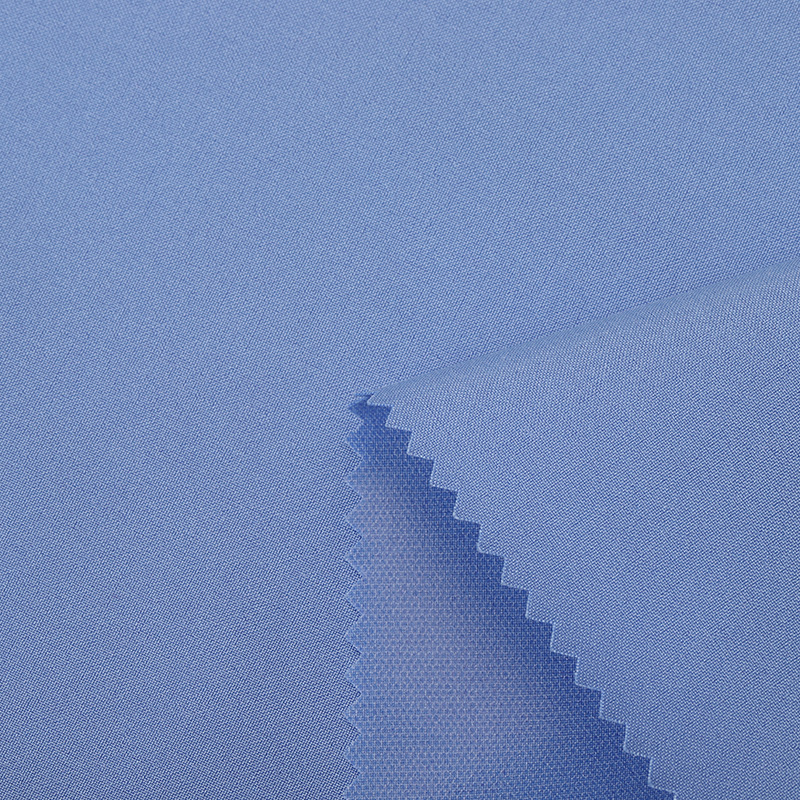
- Pongee — A fine, lightweight plain-weave polyester typically 50D to 75D. Smooth hand feel, excellent print receptivity, and a natural drape that works well in rainwear and umbrella canopies. Its lightweight profile (65–100 g/m² before coating or lamination) makes it the standard recommendation for fashion raincoats and compact travel umbrellas.
- Taffeta — A crisp, plain-weave polyester with slightly more body than pongee. Produces a cleaner silhouette in structured rainwear and holds its shape better after folding. Often used in umbrella panels where the fabric needs to spring back consistently across many open-close cycles.
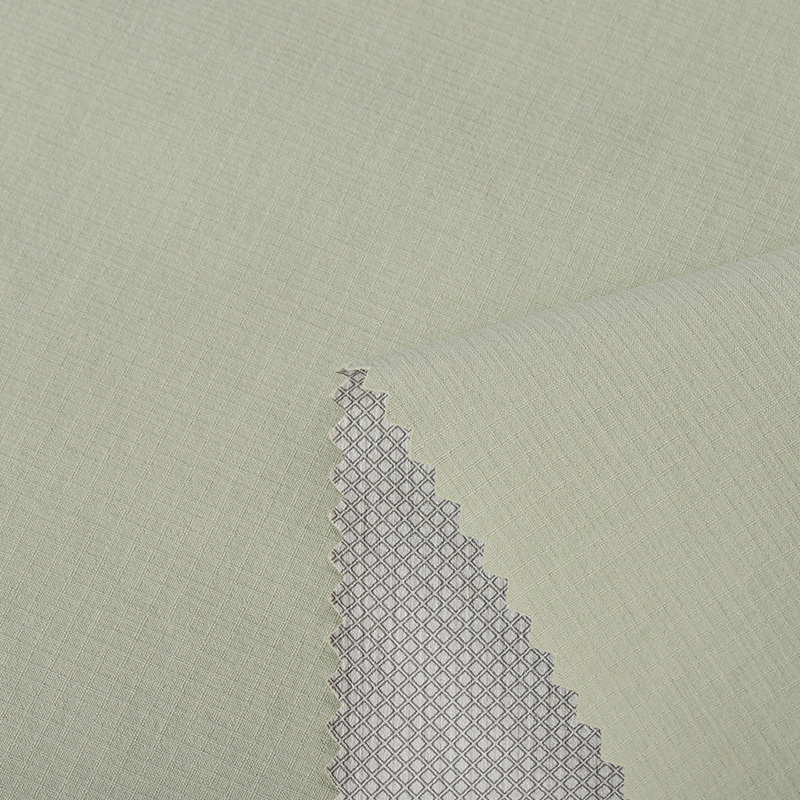
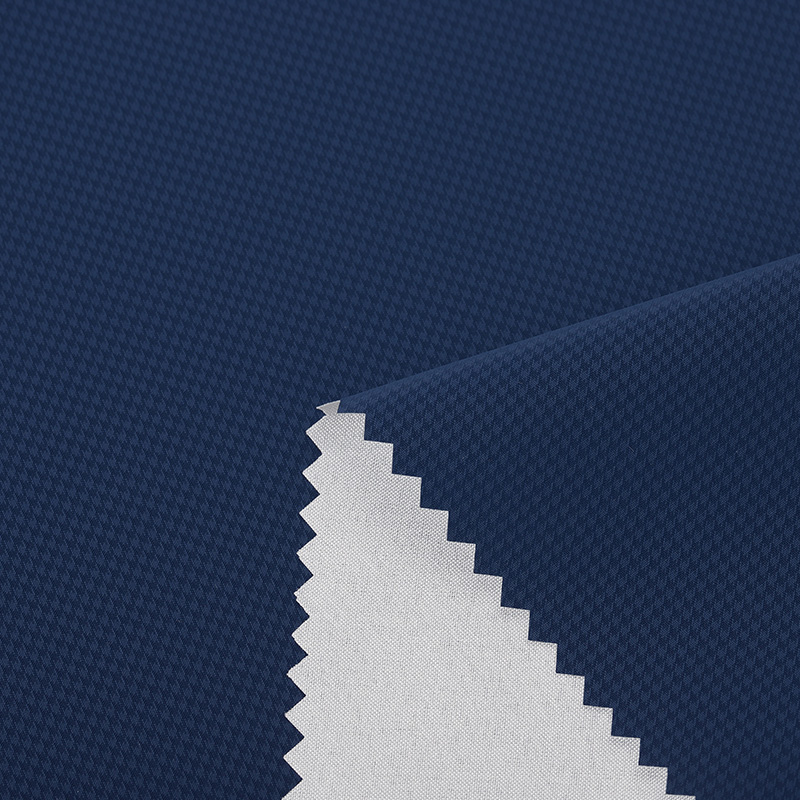
- Oxford fabric — A heavier basket-weave construction with a characteristic grid texture. Its density translates to better abrasion resistance and structural strength, making it suitable for tent floors, groundsheets, and utility rainwear where durability outweighs weight. Our Oxford fabric for outdoor and utility applications is available in a range of deniers for different load requirements.
- Nylon ripstop — A nylon base fabric with an interwoven ripstop grid that limits tear propagation. The lightest high-strength option for tent flies and technical rainwear. Naturally more expensive than polyester alternatives, but the strength-to-weight ratio justifies the premium in performance camping applications.
Raincoat Fabric: Lightweight, Breathable, and Printable
Raincoat fabric has to solve three problems simultaneously: keep rain out, let body heat escape, and be light enough that the finished garment can compete in a crowded market where packability drives purchase decisions. The fabric specification that best addresses all three is typically a pongee or taffeta base with a solvent-free TPU lamination and a DWR (Durable Water Repellent) surface treatment.
The DWR finish causes water to bead and roll off the face fabric rather than saturating it. A saturated face fabric, even on a fully waterproof laminate, dramatically reduces breathability — the moisture vapor from the body cannot escape efficiently through a wet outer layer. Maintaining DWR integrity is therefore a direct breathability issue, not just a cosmetic one. DWR must be restored periodically through gentle heat treatment or re-application, which should be documented in the product's care instructions.
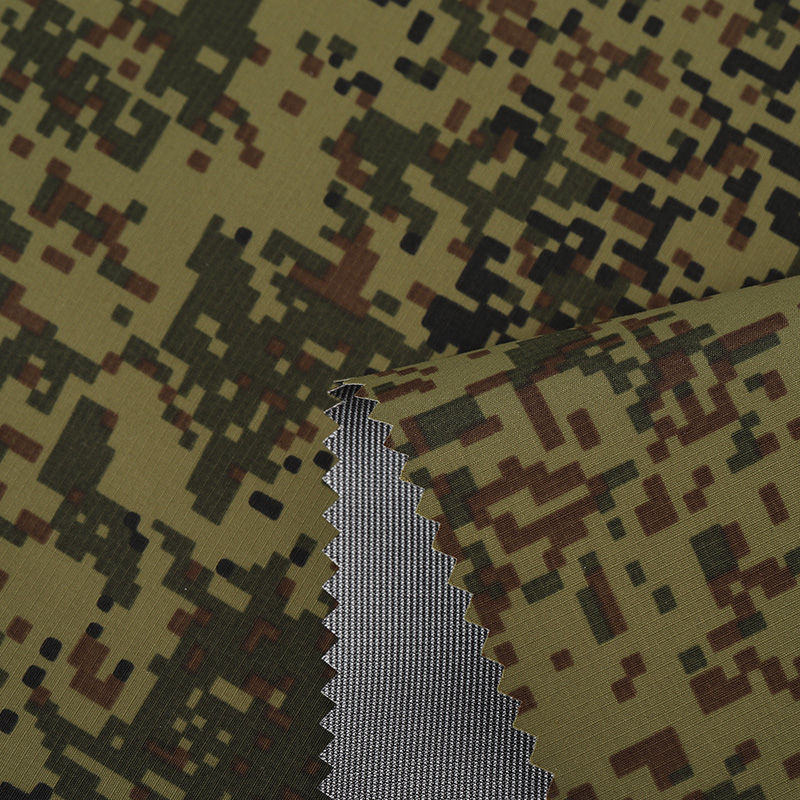
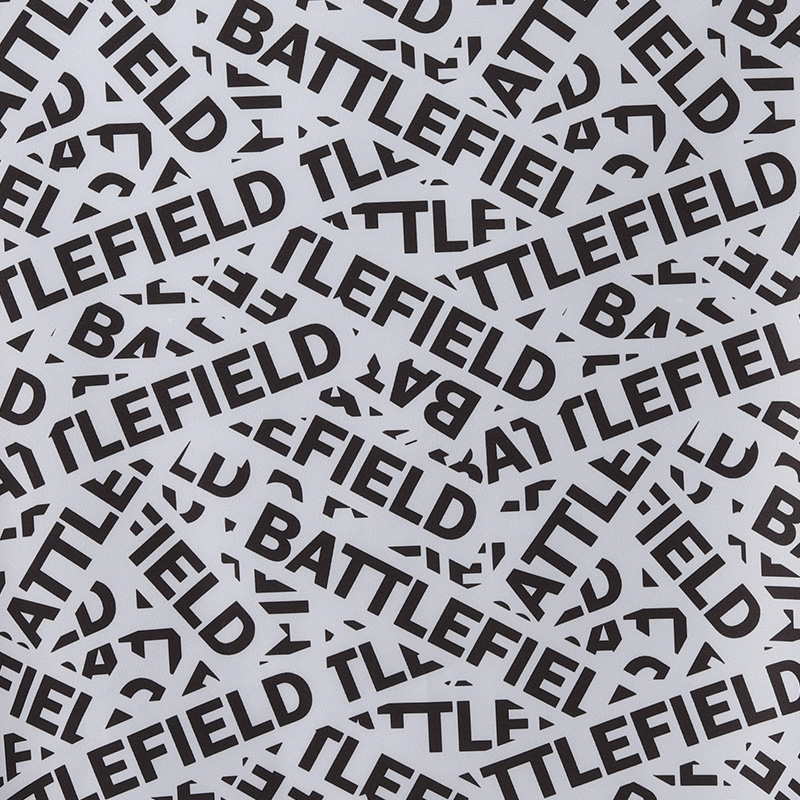
For brands requiring printed designs — children's raincoats, fashion rainwear, branded corporate workwear — a pongee base with PU coating offers the most consistent print quality at competitive cost. GSM for finished raincoat fabric typically falls in the 65–150 g/m² range, with lighter weights (65–90 g/m²) used in packable styles and heavier weights (120–150 g/m²) in structured or lined garments. Cuttable width of 145–150 cm covers most pattern-making requirements across adult and children's sizing.
Umbrella Fabric: Waterproofing Plus Blackout Plus Packability
Most umbrella fabric specifications stop at waterproof performance. That's a mistake — because the features that most differentiate an umbrella product in market are UV blocking and blackout capability, which are addressed entirely at the coating or lamination stage.
A standard PU-coated pongee or taffeta umbrella canopy can achieve full blackout by incorporating carbon black or other opaque pigments into the coating layer. This produces a fabric that simultaneously waterproofs and blocks sunlight — relevant both for sun umbrellas in high UV markets and for rain umbrellas marketed with UV protection claims. The blackout effect is measured by light transmission percentage; most commercial blackout umbrella fabrics achieve 99%+ light blocking.
Packability is the second underspecified parameter. An umbrella canopy is folded and unfolded thousands of times across its product life. A fabric that develops crease memory — permanently deforming along fold lines — will produce a product that looks and performs poorly within months of purchase. Taffeta's inherent body and spring-back recovery makes it preferable to pongee in compact folding umbrella applications. The coating must also remain flexible under repeated folding; coatings that become brittle under cold temperatures or UV exposure will crack at fold lines and fail waterproof performance long before the fabric itself degrades.
GSM for umbrella canopy fabric typically ranges from 65–110 g/m², with lighter weights used in compact travel umbrellas and heavier weights in golf or commercial umbrellas where size and wind resistance matter more than packability.
Tent Fabric: Where Weight, Tear Strength, and Durability Compete
Tent fabric engineering is a series of compromises. Lighter base fabrics save pack weight but sacrifice tear strength and abrasion resistance. Higher waterproof ratings protect against sustained ground moisture but often require thicker coatings that add weight. The right specification depends on what the tent will be used for — and no single specification optimizes all parameters simultaneously.
For tent flies, the core tradeoff is between 2-layer and 3-layer constructions. A 2-layer laminate — membrane bonded to outer fabric with a separate loose inner lining — is lighter and allows more lining design flexibility. A 3-layer construction bonds all three elements together, creating a stiffer, more durable composite that resists delamination far better across repeated compression packing and UV exposure. For backpacking tents where weight is critical, 2-layer or 2.5-layer constructions are standard. For base camp, family camping, or commercial rental tents where durability across seasons matters more than weight, 3-layer is the correct choice.
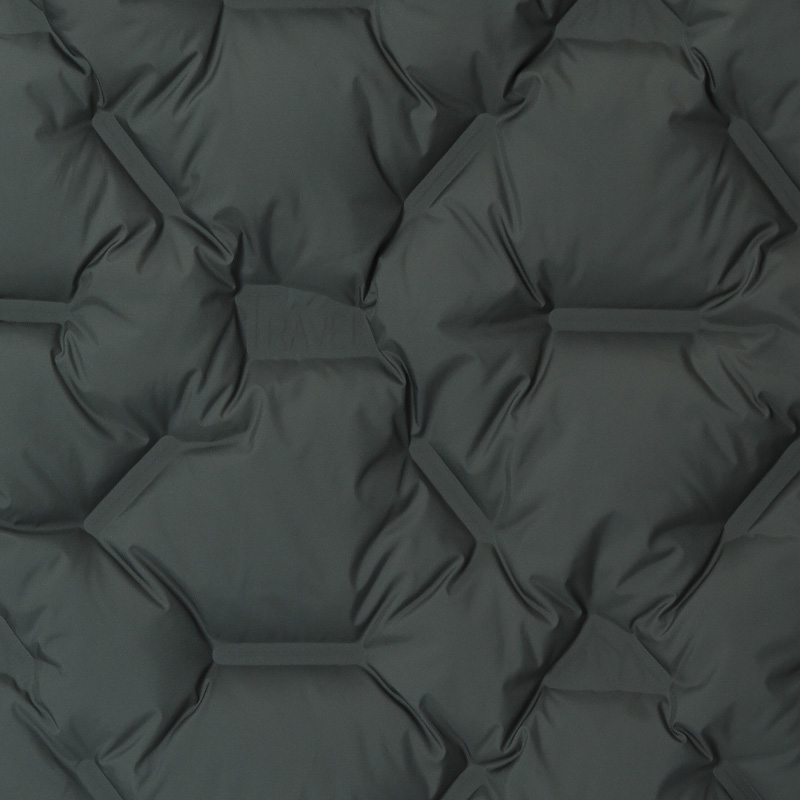
Tent floors require a different approach than the fly. Where the fly sheds rain by deflection, the floor must resist sustained hydrostatic pressure from ground moisture pressing upward through the groundsheet. Oxford fabric with a heavy PU coating or TPU lamination — often 180–350 g/m² — is the standard construction for tent floors. The woven grid of Oxford fabric adds puncture resistance that plain-weave pongee cannot match. Ripstop nylon and polyester are also widely used in technical tent floors for the additional tear-resistance the ripstop grid provides.
A Specification Matrix: Matching Product to Fabric
The table below consolidates the key decisions across all three product categories into a single reference for procurement and product development teams.
| Parameter | Raincoat | Umbrella | Tent Fly | Tent Floor |
|---|---|---|---|---|
| Recommended base | Pongee / Taffeta | Taffeta / Pongee | Polyester / Nylon ripstop | Oxford / Nylon ripstop |
| Waterproof process | TPU lamination (preferred) / PU coating | PU coating (standard) / TPU | PU coating / TPU lamination | PU coating / TPU lamination |
| Target HH | 5,000–20,000 mm | 1,000–5,000 mm | 3,000–10,000 mm | 8,000–20,000 mm |
| Typical GSM | 65–150 g/m² | 65–110 g/m² | 40–150 g/m² | 180–350 g/m² |
| Key secondary spec | Breathability, DWR, wash cycles | Blackout %, fold recovery | Abrasion resistance, UV stability | Puncture resistance, sustained HH |
| Print compatibility | High (PU coating ideal) | High (PU coating ideal) | Moderate | Low priority |
This matrix is a starting point, not a fixed rule. Product tier, target price point, climate conditions in the end market, and brand durability commitments all shift the optimal specification. The most reliable path to the right fabric is discussing those variables with the manufacturer at the specification stage — before sampling — rather than testing multiple fabric variants and working backwards to the requirement.