
 English
 CN
CNContent
A procurement manager for a camping‑equipment brand is reviewing fabric samples for a new line of expedition tents. The floor needs to survive gravel campsites, pooled rainwater, and repeated folding without leaking or delaminating. Two coated Oxford fabrics sit on the desk: one feels stiff and heavy, the other softer and lighter.
The heaviest, stiffest sample is PVC‑coated Oxford cloth—and it is often the correct choice when maximum waterproofness and rock‑like abrasion resistance outweigh concerns about weight and hand feel. This guide explains how that coating works, what its real‑world properties are, and when a lighter PU alternative makes better sense.
What Is Oxford PVC Coating?
Oxford PVC coating is a polyvinyl chloride film applied directly to the surface of a woven Oxford base fabric. The Oxford weave itself is a modified plain‑weave structure, usually made from polyester or nylon, that creates a durable, slightly lustrous fabric recognized by its basket‑weave look. When a PVC layer is bonded to that fabric, the result is a monolithic, non‑porous barrier that blocks water, resists abrasion, and adds significant structural stiffness.
The coating is typically applied by knife‑coating or reverse‑roll coating. In knife‑coating, a paste of PVC resin, plasticizers, stabilizers, and pigments is spread across the fabric and then cured at high temperature. The thickness of the coating is tightly controlled—commonly between 0.20 mm and 0.50 mm—and directly influences waterproof performance, weight, and flexibility. A thicker coat increases hydrostatic resistance and abrasion tolerance but makes the fabric harder to cut and sew and raises the total grams per square metre (gsm).
Base fabric choice matters just as much. A 420‑denier Oxford creates a lighter‑weight, more pliable composite suitable for roll‑up tarps and bags, while a 1000‑denier or 1680‑denier base yields the kind of armour‑like material found in industrial machinery covers and heavy‑duty luggage. our Oxford fabric product range illustrates how different deniers and weaves can be coated to meet specific end‑uses.
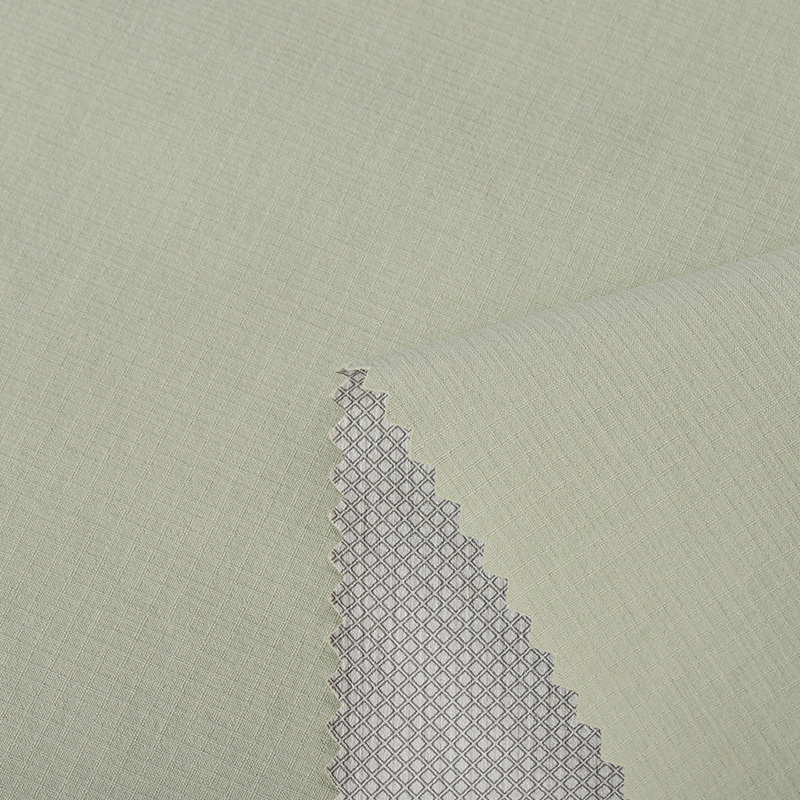
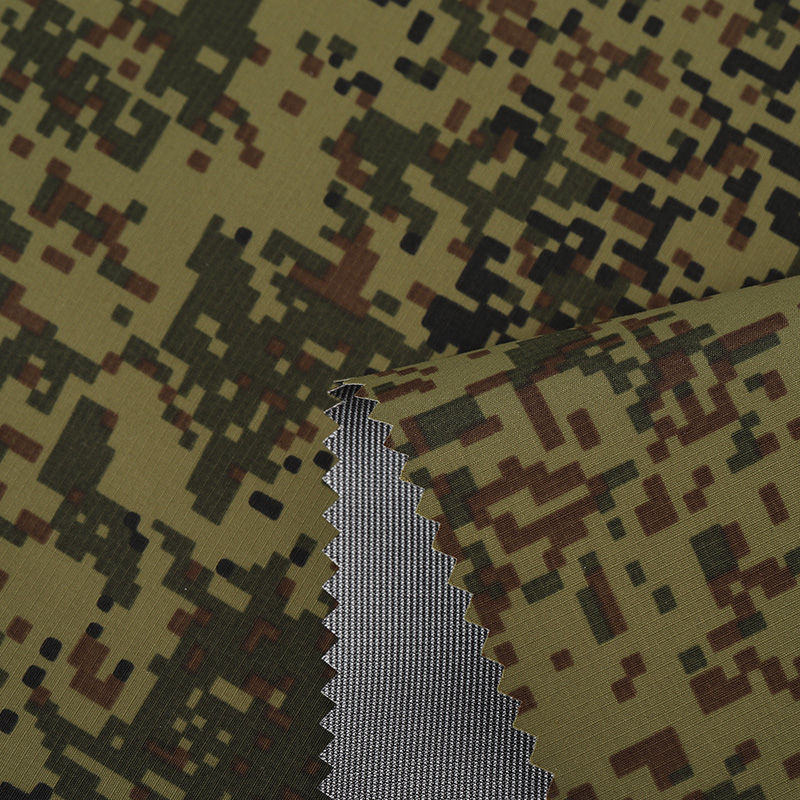
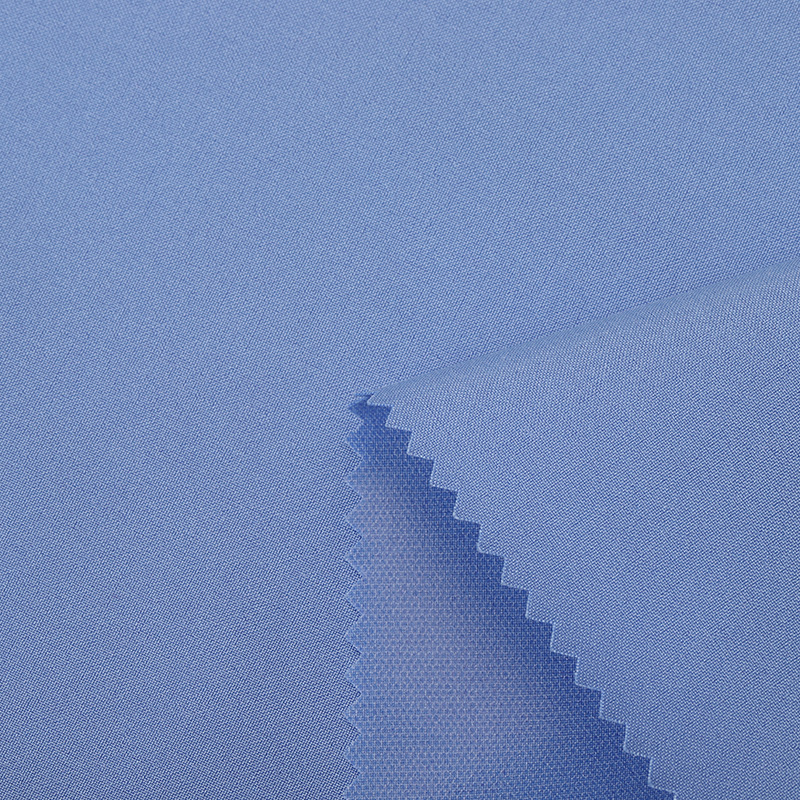
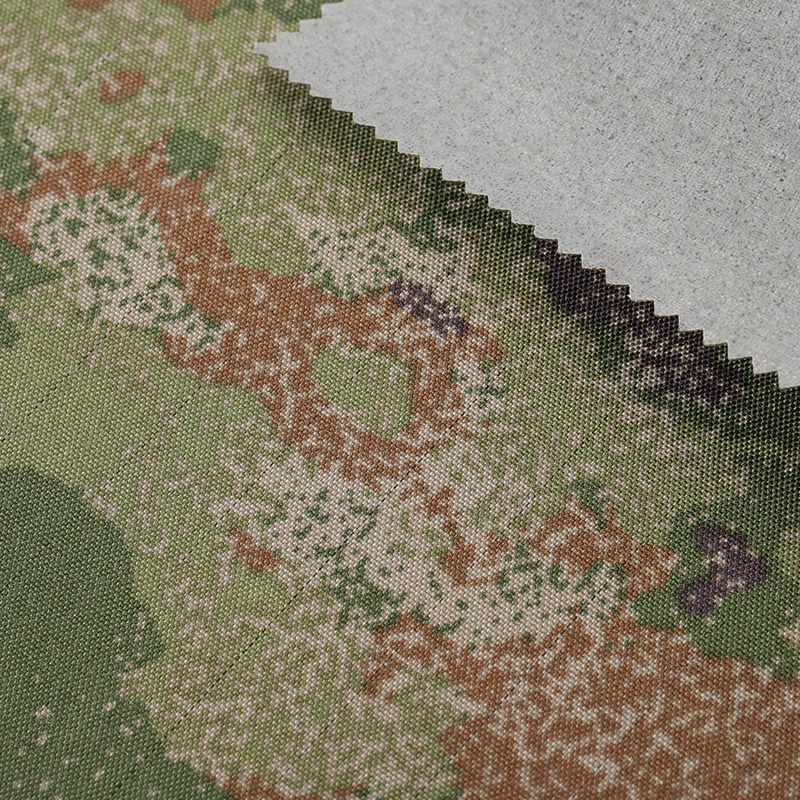 100% Polyester Printed Oxford PU Coating Fabrics Manufacturers, FactoryWujiang Fuhuang is China OEM 100% Polyester Printed Oxford PU Coating Fabrics Manufacturers, Factory, Wholesale 100% Polyester Printed Ox...View Product →
Key Properties of PVC‑Coated Oxford Fabric
Waterproofness & Abrasion Resistance
A properly formulated PVC‑coated Oxford fabric consistently exceeds 10,000 mm in a hydrostatic head test, with many specifications reaching 15,000 mm to 20,000 mm. That far surpasses the minimum for standing water, which is why the material is used for groundsheets that sit in puddles for hours. The waterproofness comes from the continuous PVC film; unlike a microporous polyurethane coating, PVC does not rely on a thin skin that can be abraded away. Water won’t wick through even if the surface is scuffed.
Abrasion resistance follows a similar pattern. Martindale abrasion test cycles for a 600D PVC‑coated Oxford regularly exceed 50,000 before the coating shows visible wear. The PVC layer acts as a sacrificial shield, preserving the underlying woven structure. PU‑coated fabrics, while still good, typically fall in the 20,000–30,000‑cycle range under the same test conditions. For products dragged across concrete, gravel, or wooden surfaces repeatedly, that delta matters.
Cold Weather Performance & Flexibility
The most significant limitation of PVC‑coated Oxford is its behaviour at low temperatures. Standard PVC formulations stiffen noticeably below –10 °C and can crack when folded or flexed at –20 °C or below. This is a critical risk for gear used in alpine environments, winter road transport, or cold‑storage facilities. Special cold‑resistant plasticizers can improve flexibility down to about –30 °C, but they add cost and may affect adhesion or migration resistance. By contrast, a PU‑coated Oxford retains good drape and flex even at –30 °C, making it the safer default for cold‑climate soft goods.
Weight & Hand Feel
A 600‑denier Oxford base fabric with a 0.35 mm PVC coating typically weighs 350–550 gsm. The same base with a PU coating lands between 180 gsm and 230 gsm. The weight penalty directly affects shipping costs and consumer perception. The hand is stiff and board‑like; the fabric holds its shape rather than draping, which can be an asset for structured luggage or a liability for packable gear. Buyers sourcing material for fold‑flat tents or roll‑top bags should request a drape‑feel sample before committing to PVC, because the difference in user experience can be decisive.
PVC vs PU Coated Oxford: A Practical Comparison
The choice between PVC and PU coating hinges on four factors: weight tolerance, required abrasion life, end‑use temperature, and regulatory environment. A PVC‑coated Oxford almost always wins when the product’s primary job is to sit in a fixed position and take punishment—for example, a tent floor, a truck cover, or a tool bag carried short distances. When the product must move with the user, pack small, or meet strict environmental standards, PU leads.
| Property | PVC Coated Oxford | PU Coated Oxford |
|---|---|---|
| Weight (600D base) | 350–550 gsm | 180–230 gsm |
| Hand feel | Stiff, boardy | Soft, fabric‑like |
| Waterproof rating | 10,000–20,000+ mm | 3,000–10,000 mm (typical) |
| Abrasion resistance | Excellent, >50k cycles | Good, 20k–30k cycles |
| Low‑temperature flexibility | Poor below –10 °C without special formulation | Retains flex to –30 °C |
| Coating cost | Lower material cost per metre, but heavier shipping | Moderate cost, lighter freight |
| Environmental compliance | May contain phthalates; REACH/ROHS compliance requires careful formulation | Aqueous or solvent‑free PU easier to meet stricter standards |
For buyers who want to explore the lightweight path in more detail, our earlier look at PU‑coated Oxford fabric features explored earlier provides additional context on why that coating dominates apparel and lightweight luggage.
Best Uses for Oxford PVC Coating by Product Category
PVC‑coated Oxford cloth occupies a specific niche: applications where weight is a secondary concern and where exceptional durability and waterproofness are non‑negotiable. Here are the categories where it consistently delivers value.
- Tent floors and groundsheets: The material’s ability to shrug off mud, stones, and pooled rain without leaking makes it a staple for base‑camp tents, dome‑tent footprints, and heavy‑duty tarpaulins. Campers may grumble about the added weight, but they don’t wake up in a puddle.
- Heavy‑duty luggage and tool bags: Duffel bags, pile of tool totes, and expedition dry bags benefit from the rigid structure and scuff resistance. The fabric holds its shape even when half‑empty, protecting contents better than a slouchy nylon alternative.
- Industrial covers and truck siding: Machinery covers exposed to sun, rain, and sharp edges depend on PVC‑coated Oxford’s combination of UV resistance (when properly stabilised) and tear strength. Many curtain‑side truck bodies use similar materials for the same reasons.
Where PVC‑coated Oxford is a poor fit: backpacking tents, ultralight tarps, waterproof garments, and anything requiring packability or breathability. In those cases, laminates or PU coatings are far more practical. For a practical look at how Oxford fabrics perform in real outdoor settings, see Oxford fabric performance in outdoor gear.
Sourcing Checklist: How to Choose the Right PVC Coating Specs
A clear specification prevents costly mismatches. When you communicate with a supplier, nail down these six parameters first.
- Base fabric denier: 420D offers a good balance for lighter covers and bags that still need puncture resistance. 600D is the industry default for general‑purpose heavy‑duty items. Step up to 1000D or 1680D for products that will be dragged over concrete regularly.
- Coating thickness: Expressed as oz/yd² or millimetres. A 0.25 mm to 0.40 mm coating provides an excellent compromise between waterproof integrity and workable stiffness. Thinner than 0.20 mm risks pinholes; thicker than 0.50 mm often requires oversize sewing equipment.
- Adhesion strength: Ask for a peel‑strength test report (ASTM D751 or equivalent). A value of 2 kg/cm or above indicates the PVC film won’t delaminate from the Oxford weave after repeated flexing or folding.
- Colour fastness: PVC coatings can chalk or fade if UV stabilisers are skimped on. Request light‑fastness testing per ISO 105‑B02 (Grade 4 or higher is a good benchmark) and wet/dry crocking grades to avoid colour transfer onto clothes or gear.
- Flame retardancy: If the end product will be used in mass‑gathering tents, public transport, or industrial interiors, specify an ASTM E84 Class A or NFPA 701‑compliant coating. Not all PVC formulations pass these tests without dedicated flame‑retardant additives.
- Regulatory compliance: For shipments to the EU or North America, require supplier declarations confirming the absence of restricted phthalates (under REACH Annex XVII) and heavy metals (ROHS and CPSIA). Ask for a third‑party lab report from the specific batch, not a generic certificate.
contact us for custom Oxford fabric specs