
 English
 CN
CNContent
- 1 What Oxford Cloth Fabric Actually Is
- 2 How Oxford Cloth Is Woven
- 3 Key Properties of Oxford Cloth
- 4 Oxford Cloth vs. Other Common Fabrics
- 5 Common Uses of Oxford Cloth
- 6 Cotton vs. Polyester Oxford: Which Should You Choose?
- 7 How to Care for Oxford Cloth
- 8 What to Look for When Buying Oxford Cloth Products
What Oxford Cloth Fabric Actually Is
Oxford cloth is a woven textile made using a basket weave or plain weave structure, originally developed in 19th-century Scotland. It is most recognized for its characteristic softness combined with durability, and it comes in two primary forms: a traditional cotton-based version used in dress shirts, and a synthetic version (usually polyester) used in bags, backpacks, and outdoor gear. The fabric gets its name from Oxford University, part of a group of "university fabrics" that also included Cambridge, Harvard, and Yale weaves — most of which have since faded from common use.
Today, Oxford cloth is one of the most versatile fabrics on the market. It appears in everything from button-down dress shirts to heavy-duty tote bags, with vastly different weights and fiber compositions depending on the end use.
How Oxford Cloth Is Woven
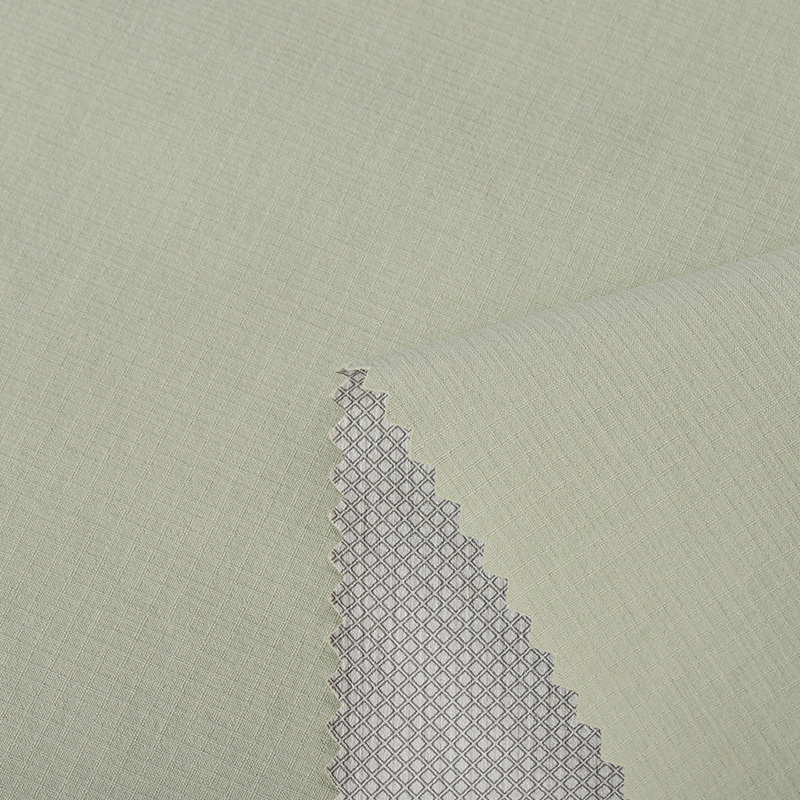
The defining characteristic of Oxford cloth is its weave pattern. Unlike a standard plain weave (one over, one under), Oxford cloth uses a 2×1 basket weave — two weft yarns pass over and under one warp yarn together. This creates a subtle grid texture on the surface and gives the fabric its characteristic slight sheen and body.
There are several weave variations within the Oxford family:
- Standard Oxford: Classic basket weave, slightly textured, breathable, commonly used in casual shirts.
- Pinpoint Oxford: A finer, tighter weave using thinner yarns. Produces a smoother surface that works for dress shirts while retaining Oxford's durability.
- Royal Oxford: The most refined version, using a more complex dobby weave. Produces a lustrous, almost dressy fabric suitable for formal shirts. It is noticeably softer and more expensive than standard Oxford.
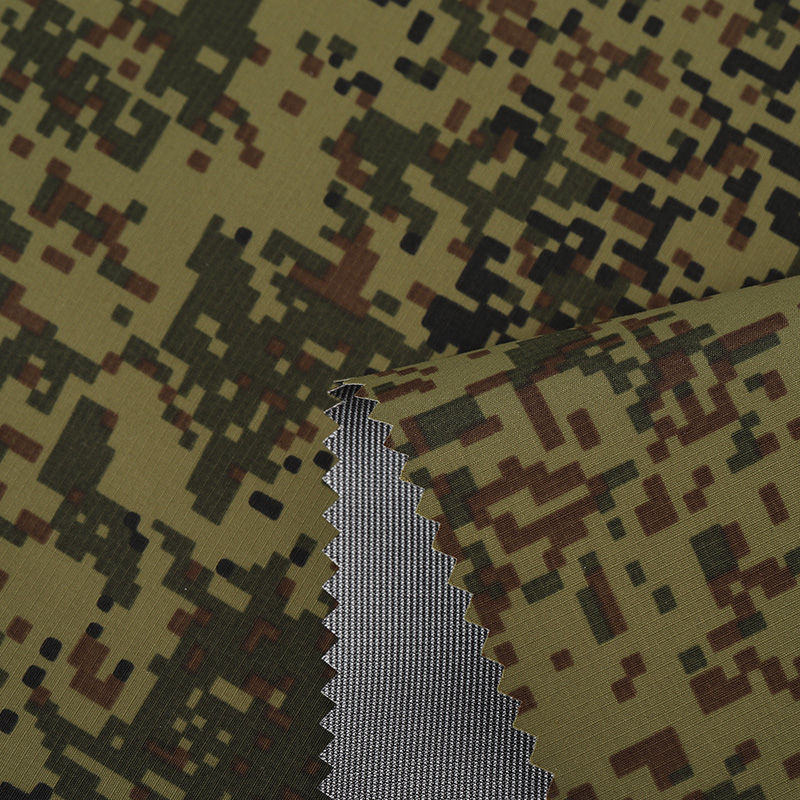
- 600D / 900D Oxford (synthetic): Heavy-duty polyester versions rated by denier. Used in bags, tents, and outdoor equipment rather than clothing.
Key Properties of Oxford Cloth
Oxford cloth's enduring popularity comes from a specific combination of functional properties:
Durability
The basket weave structure spreads stress across pairs of yarns rather than individual threads. This makes Oxford cloth noticeably more resistant to tearing and abrasion than plain-weave fabrics of the same weight. A well-made Oxford shirt can last 5–10 years of regular wear, far longer than cheaper poplin alternatives.
Breathability
Cotton Oxford cloth is highly breathable due to its open weave structure. It is a popular choice for warm-weather shirts precisely because air circulates through the fabric. Pinpoint Oxford is slightly less breathable but more formal-looking, while Royal Oxford trades some breathability for a refined appearance.
Texture and Appearance
Standard Oxford has a matte, slightly rough texture that gives shirts a casual, lived-in look. It holds its shape well after washing without extensive ironing. Royal Oxford has a subtle sheen that reads as more polished and formal, comparable in appearance to a light twill.
Weight
Oxford cloth typically ranges from 100–170 gsm (grams per square meter) for apparel versions. Synthetic Oxford used in gear applications can reach 300–600 gsm or higher, depending on the denier rating.
Oxford Cloth vs. Other Common Fabrics
To understand where Oxford cloth fits, it helps to compare it directly with fabrics it often competes with:
| Fabric | Weave | Feel | Durability | Best Use |
|---|---|---|---|---|
| Oxford (standard) | Basket weave | Textured, casual | High | Casual shirts, everyday wear |
| Poplin | Plain weave | Smooth, crisp | Moderate | Dress shirts, formal wear |
| Twill | Diagonal weave | Soft, drapes well | High | Chinos, jackets, trousers |
| Chambray | Plain weave | Lightweight, soft | Low–Moderate | Light summer shirts |
| Royal Oxford | Dobby weave | Lustrous, refined | High | Business dress shirts |
Common Uses of Oxford Cloth
Oxford Cloth Button-Down (OCBD) Shirts
The OCBD shirt is the most iconic application of Oxford cloth. Originating in American Ivy League fashion in the early 20th century, it became a wardrobe staple for its smart-casual versatility — equally at home untucked with jeans or tucked in with dress trousers. Brooks Brothers popularized the OCBD in the 1900s, and the shirt remains a cornerstone of American and preppy style today.
Bags, Backpacks, and Outdoor Gear
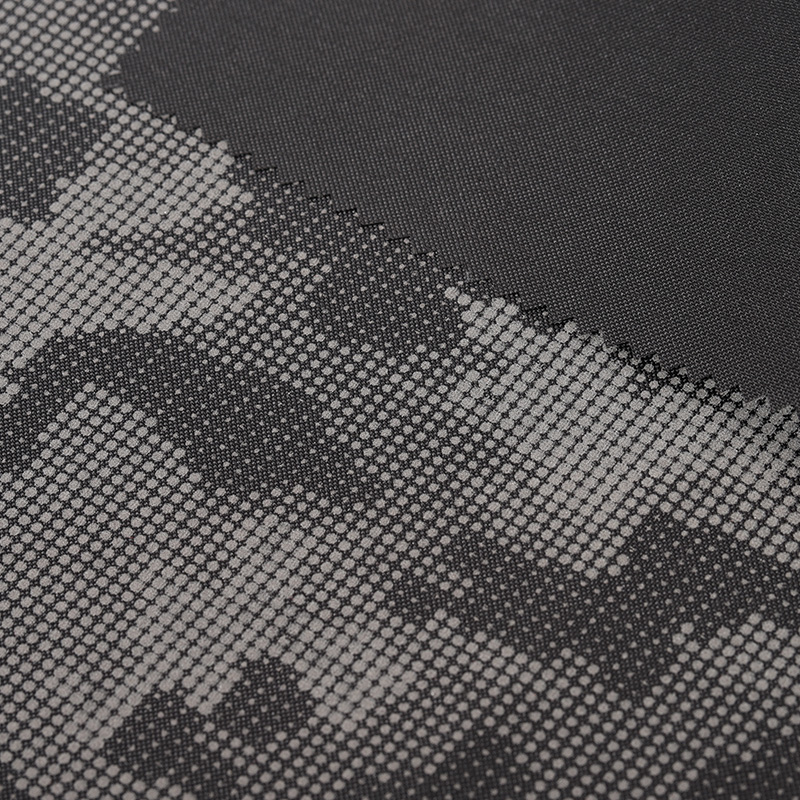
Synthetic polyester Oxford (commonly 600D or 900D denier) is used extensively in bags, backpacks, luggage, and outdoor equipment. Higher denier numbers indicate thicker, heavier yarns and greater abrasion resistance. A 600D Oxford tote, for example, can withstand years of daily use far better than canvas at the same price point. Many budget laptop bags and gym bags are made from 600D Oxford polyester precisely because of this balance of cost and durability.
Workwear and Uniforms
Oxford cloth's durability and low-maintenance qualities make it popular for corporate uniforms, hospitality workwear, and school uniforms. Cotton-polyester blend Oxford in particular resists wrinkles better than pure cotton and holds its color through repeated industrial laundering.
Cotton vs. Polyester Oxford: Which Should You Choose?
The fiber composition of Oxford cloth fundamentally changes its characteristics and appropriate end use:
- 100% Cotton Oxford: Breathable, soft, and comfortable against skin. Best for shirts and apparel. Wrinkles more easily and absorbs moisture, which can be a drawback or a benefit depending on climate.
- Cotton-Polyester Blend Oxford: Reduced wrinkling and improved shape retention compared to pure cotton. Slightly less breathable but more practical for everyday wear. Common in workwear and school uniforms.
- 100% Polyester Oxford: Water-resistant, highly durable, and lightweight. Not suitable for apparel due to poor breathability, but ideal for bags, covers, outdoor gear, and tarps. Usually sold by denier rating (e.g., 210D, 600D, 1680D).
For shirts and everyday clothing, choose cotton or a cotton-poly blend. For bags and accessories, polyester Oxford offers better value and longevity.
How to Care for Oxford Cloth
Oxford cloth is relatively easy to care for, but the fiber content determines the best approach:
- Machine wash in cold or warm water (up to 40°C / 104°F) for cotton Oxford shirts. Hot water can cause shrinkage, especially in the first few washes.
- Tumble dry on low heat or hang dry. Oxford cloth shirts dry quickly due to their open weave.
- Iron on medium heat while slightly damp if a crisp look is desired. Standard Oxford generally does not require heavy ironing due to its textured surface.
- For polyester Oxford bags, wipe down with a damp cloth for light dirt. Machine wash on a gentle cycle for heavier soiling, and always air dry to preserve shape.
- Avoid bleach on colored Oxford cloth, as it can degrade the fibers and cause uneven fading.
What to Look for When Buying Oxford Cloth Products
Whether you're buying Oxford cloth fabric by the yard or a finished product, a few markers indicate quality:
- Thread count and yarn weight: For shirts, a two-ply yarn Oxford is significantly more durable and softer than a single-ply version. Look for this detail in product descriptions.
- Denier rating for synthetic Oxford: A 600D Oxford bag is suitable for daily use; 1680D is used in premium luggage and heavy-duty applications. Anything below 300D is best for lightweight, non-load-bearing uses.
- Fiber content label: A shirt labeled "100% cotton Oxford" will behave very differently from one labeled "65% polyester / 35% cotton." Check carefully based on your priorities.
- Finish and coating: Polyester Oxford for outdoor or bag use often comes with a PU (polyurethane) coating for water resistance. Confirm this if weather resistance is important.
- Color fastness: Quality Oxford cloth, particularly for shirts, should be pre-washed and treated to resist significant fading after the first several washes.