
 English
 CN
CNContent
- 1 Top Fabric Types Used in Sports Jackets
- 2 Wholesale Price Comparison by Fabric Type
- 3 Key Fabric Specs to Specify When Ordering
- 4 Where to Source Sports Jacket Fabric Wholesale
- 5 How to Evaluate a Wholesale Fabric Supplier
- 6 Minimum Order Quantities and Pricing Leverage
- 7 Sustainability Considerations in Wholesale Fabric Buying
- 8 Final Buying Checklist Before Placing a Wholesale Order
Sourcing sports jacket fabric wholesale is straightforward once you know which materials perform best, what realistic pricing looks like, and how to vet suppliers. The most commonly wholesale-sourced fabrics for sports jackets are polyester interlock, nylon ripstop, softshell, and stretch woven blends—each serving different performance and price brackets. This guide covers everything buyers need before placing a bulk order.
Top Fabric Types Used in Sports Jackets
Not all activewear fabrics are interchangeable. The right choice depends on the jacket's intended use—whether it's a windbreaker, training shell, softshell, or insulated outer layer. Below are the most widely available options in the wholesale market.
Polyester Interlock and Jersey
Polyester remains the dominant fabric in sports jackets due to its durability, moisture-wicking properties, and low wholesale cost. 100% polyester interlock fabric typically wholesales between $1.20–$2.80 per meter depending on weight (gsm) and finish. Recycled polyester (rPET) commands a slight premium of 15–25% but is increasingly preferred by sustainable apparel brands.
Nylon Ripstop
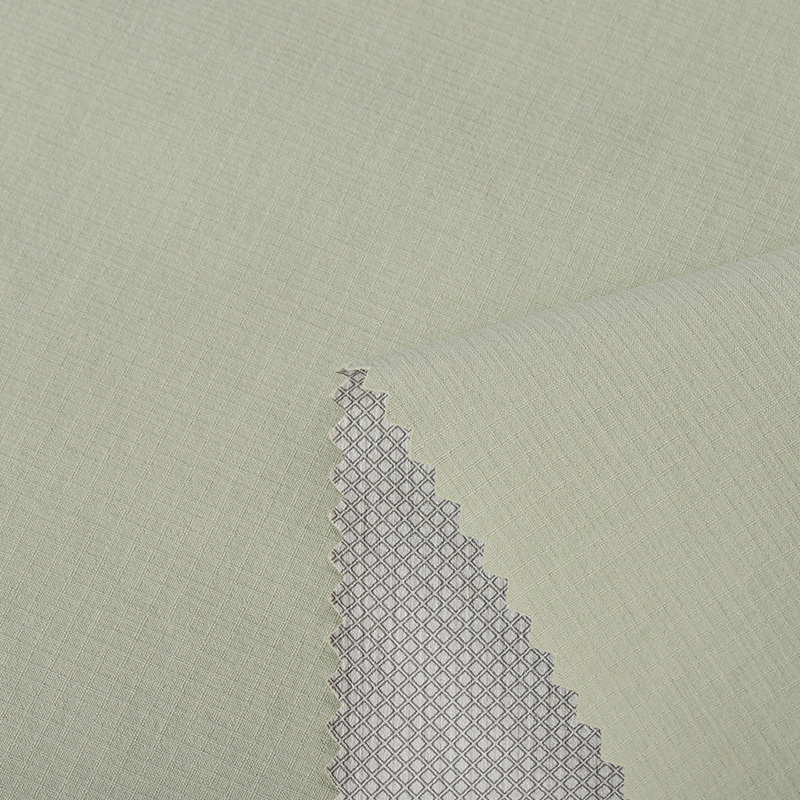
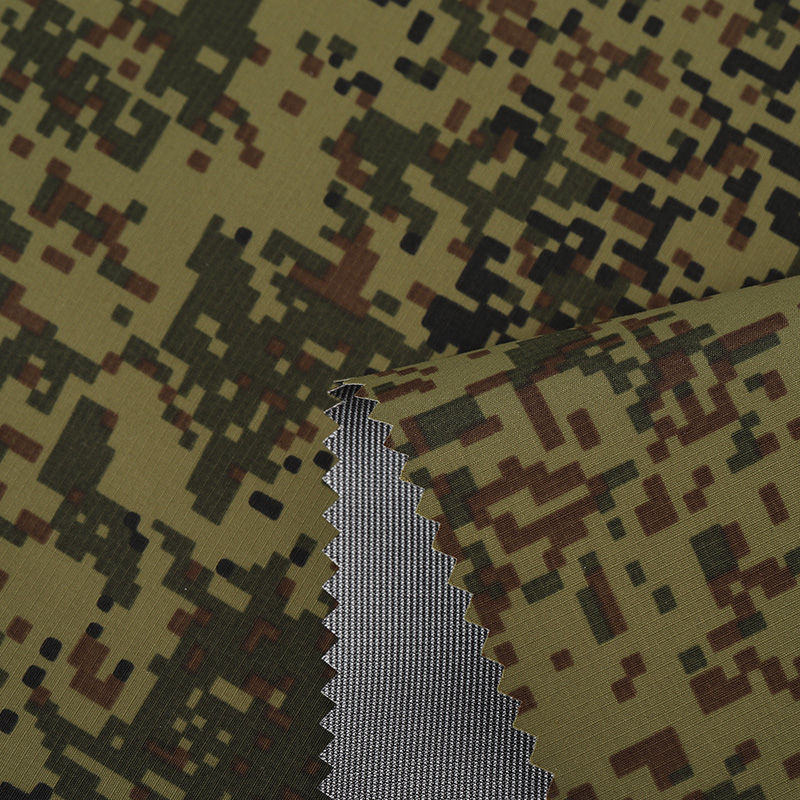
Lightweight and tear-resistant, nylon ripstop is a go-to for packable wind and rain jackets. It is woven with a crosshatch reinforcement pattern that limits tear propagation. Wholesale nylon ripstop starts around $2.50–$5.00 per meter, with DWR (durable water repellent) coated versions at the higher end.
Softshell Fabric
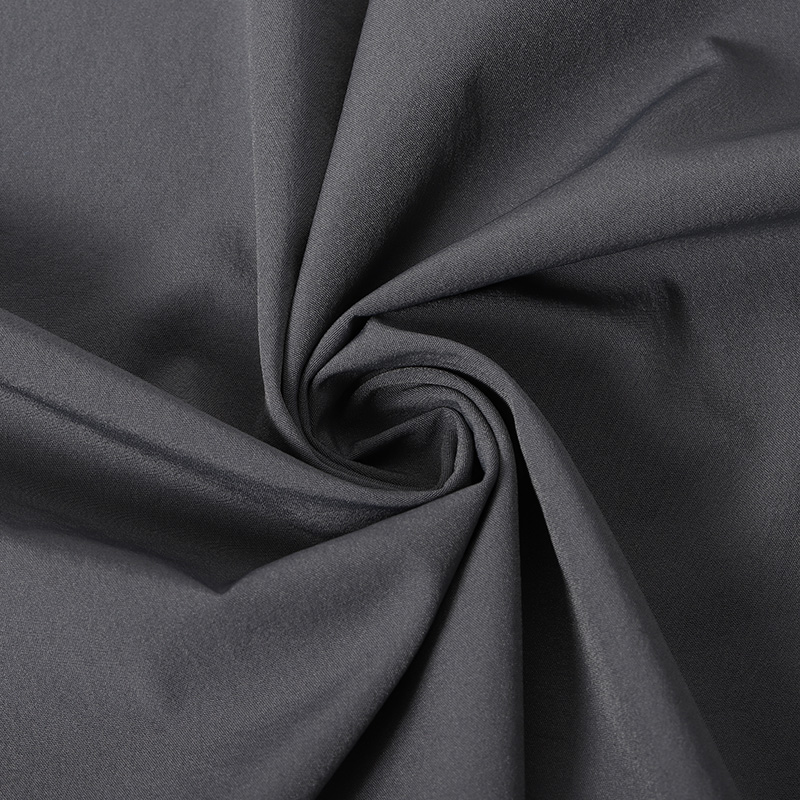
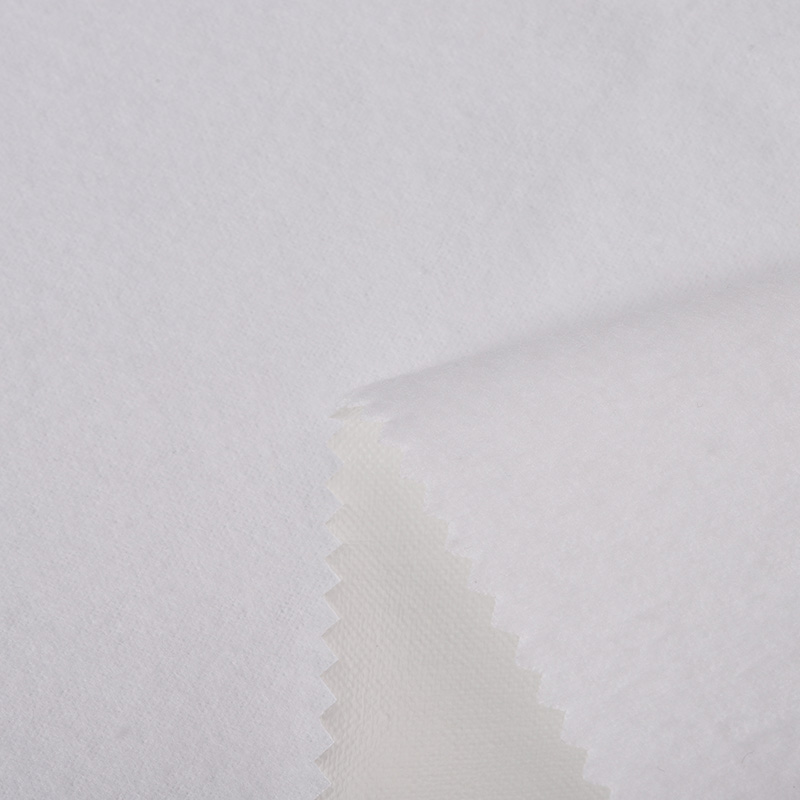
Softshell is a bonded or laminated fabric combining a woven or knit face with a fleece or mesh backer. It offers stretch, wind resistance, and breathability without a separate waterproof membrane. Wholesale softshell fabric ranges from $4.00–$9.00 per meter, with 4-way stretch bonded options at the top of that range.
Stretch Woven Blends
Blends such as polyester-spandex (88/12 or 90/10) and nylon-spandex are widely used in athletic jackets requiring 2-way or 4-way stretch. These fabrics suit training jackets and hybrid outerwear. Prices typically run $2.00–$6.00 per meter wholesale, depending on spandex percentage and yarn quality.
Wholesale Price Comparison by Fabric Type
The table below summarizes typical wholesale pricing, common uses, and minimum order quantities (MOQs) across the main sports jacket fabric categories.
| Fabric Type | Wholesale Price (per meter) | Typical MOQ | Best For |
|---|---|---|---|
| Polyester Interlock | $1.20–$2.80 | 300–500 m | Training jackets, team uniforms |
| Nylon Ripstop | $2.50–$5.00 | 200–500 m | Windbreakers, packable shells |
| Softshell (bonded) | $4.00–$9.00 | 200–300 m | Outdoor, hiking, ski jackets |
| Polyester-Spandex Stretch | $2.00–$6.00 | 300–500 m | Athletic, hybrid outerwear |
| Recycled Polyester (rPET) | $1.80–$3.50 | 500 m+ | Sustainable sportswear lines |
Key Fabric Specs to Specify When Ordering
Vague orders lead to inconsistent shipments. When requesting samples or placing bulk orders, buyers should specify the following parameters clearly:
- GSM (grams per square meter): Lightweight jackets use 80–130 gsm; mid-layer and softshell fabrics run 200–350 gsm.
- Stretch direction: 2-way (warp or weft) vs. 4-way stretch (both directions) affects pattern construction significantly.
- Finish type: DWR coating, moisture-wicking treatment, anti-pilling, or UV protection should be listed explicitly.
- Colorfastness grade: Request ISO 105 C06 wash fastness results; grade 4 or above is standard for sportswear.
- Width: Most wovens come in 148–150 cm width; knits vary. Confirm roll width to avoid waste in cutting.
- Certification: OEKO-TEX Standard 100, bluesign, or GRS (for recycled content) depending on target market requirements.
Where to Source Sports Jacket Fabric Wholesale
Supplier location directly impacts lead time, cost, and quality consistency. The three main sourcing regions each have distinct advantages:
China (Fujian, Zhejiang, Guangdong)
China remains the largest wholesale supplier of performance fabrics globally. Hubs like Shishi (Fujian) and Shaoxing (Zhejiang) offer extensive catalogs of polyester and nylon fabrics. MOQs can be as low as 100–200 meters for stock fabrics, and custom dyeing typically starts at 500 meters. Lead times for stock items are 7–15 days; custom orders take 30–45 days. Platforms like Alibaba and Made-in-China list thousands of verified fabric mills.
Taiwan and South Korea
Known for higher-quality technical fabrics, Taiwanese mills (such as Formosa Taffeta and Far Eastern New Century) produce performance textiles used by major outdoor and sportswear brands. South Korean mills specialize in functional bonded fabrics. Prices are 20–40% higher than Chinese equivalents, but quality consistency and technical specifications are more reliable for premium lines.
Europe (Portugal, Italy, Turkey)
European suppliers cater to near-shoring demand and brands requiring sustainability certifications. Portugal and Turkey offer competitive pricing for European buyers with shorter shipping times. Italian mills are premium-tier, primarily serving luxury sportswear. MOQs from European mills are typically lower (50–200 m) but per-meter prices are considerably higher than Asian sources.
How to Evaluate a Wholesale Fabric Supplier
A low price is meaningless if the supplier fails on quality consistency, communication, or delivery. Use the following checklist when qualifying a new supplier:
- Request lab reports — Ask for third-party test results covering tensile strength, pilling resistance (ASTM D3512), and colorfastness before sampling.
- Order a strike-off or lab dip — Always confirm custom colors in physical form before approving bulk production.
- Check roll-to-roll consistency — Request at least 2–3 sample rolls from different production batches to assess shade and weight variation.
- Confirm lead times in writing — Peak periods (Q3–Q4) often extend lead times by 2–3 weeks; build this buffer into sourcing calendars.
- Verify certification documentation — Certificates like OEKO-TEX should include a valid certificate number searchable on the issuing body's website.
- Clarify shrinkage allowance — Industry standard for knits is a declared shrinkage of ≤5%; anything higher should be reflected in pattern cutting allowances.
Minimum Order Quantities and Pricing Leverage
MOQs are one of the most practical constraints for smaller brands or startups entering wholesale fabric sourcing. Understanding how to work within or around them is essential.
- Stock fabrics vs. custom fabrics: Stock (undyed or standard colorway) fabrics have lower MOQs—sometimes 50–100 m—while custom dyed or printed fabrics often require 300–1,000 m minimum.
- Volume discounts: Many mills offer tiered pricing. For example, ordering 500 m vs. 1,000 m may reduce per-meter cost by 10–18%.
- Combining colorways: Some mills allow buyers to combine different colors of the same fabric construction to meet a single MOQ—useful for brands offering multiple colorways.
- Fabric agents and traders: For buyers unable to meet mill MOQs, fabric agents or trading companies can aggregate orders, though they add a markup of typically 8–15%.
Sustainability Considerations in Wholesale Fabric Buying
Sustainability is no longer a niche requirement—it is increasingly a prerequisite for retail buyers and consumers alike. For sports jacket fabrics, the most actionable options include:
- Recycled polyester (rPET): Made from post-consumer PET bottles, rPET reduces carbon emissions by roughly 32% compared to virgin polyester and is widely available wholesale with GRS certification.
- bluesign-certified fabrics: The bluesign certification covers responsible resource use across the textile supply chain; brands like Patagonia require it from suppliers and it increasingly appears in wholesale catalogs.
- PFC-free DWR coatings: Per- and polyfluoroalkyl substance (PFAS)-free water repellent finishes are now mandated in several EU markets and voluntarily adopted by leading brands. Confirm PFC-free alternatives are available with suppliers.
- Deadstock and short-run fabrics: Specialty platforms like Fabscrap, Nona Source, and Texco offer surplus mill fabric at wholesale rates, with no MOQ, as a lower-impact alternative for small production runs.
Final Buying Checklist Before Placing a Wholesale Order
Use this summary checklist before committing to a bulk sports jacket fabric order:
- Fabric type and construction confirmed against garment design requirements
- GSM, stretch, and finish specifications documented in a tech pack or purchase order
- Physical samples (at minimum 1–2 meters) tested for hand feel, stretch recovery, and wash performance
- Lab test reports reviewed for colorfastness and tensile strength
- Certifications verified online against issuing body databases
- MOQ, pricing tiers, and lead times agreed and confirmed in writing
- Shrinkage and roll width documented for pattern and cutting planning
- Payment terms and inspection clause (e.g., third-party QC before shipment) finalized
Buying sports jacket fabric wholesale rewards preparation. Suppliers respond better to buyers who arrive with clear specs, realistic volume expectations, and an understanding of lead times. Starting with a small test order—even at a higher per-meter cost—before scaling up is almost always worth the upfront investment.