
 English
 CN
Content
- 1 What a Nylon Shell Really Does in a Jacket
- 2 Why Nylon Shells Keep Showing Up in Outdoor Gear
- 3 Nylon Shell vs Polyester Shell: A Practical Comparison
- 4 The Construction Behind a Waterproof Nylon Shell
- 5 Reading Nylon Shell Specifications Without Getting Lost
- 6 Matching the Nylon Shell to the End Use
- 7 Sourcing Checks That Save Time Later
- 8 Care and Customer Expectations
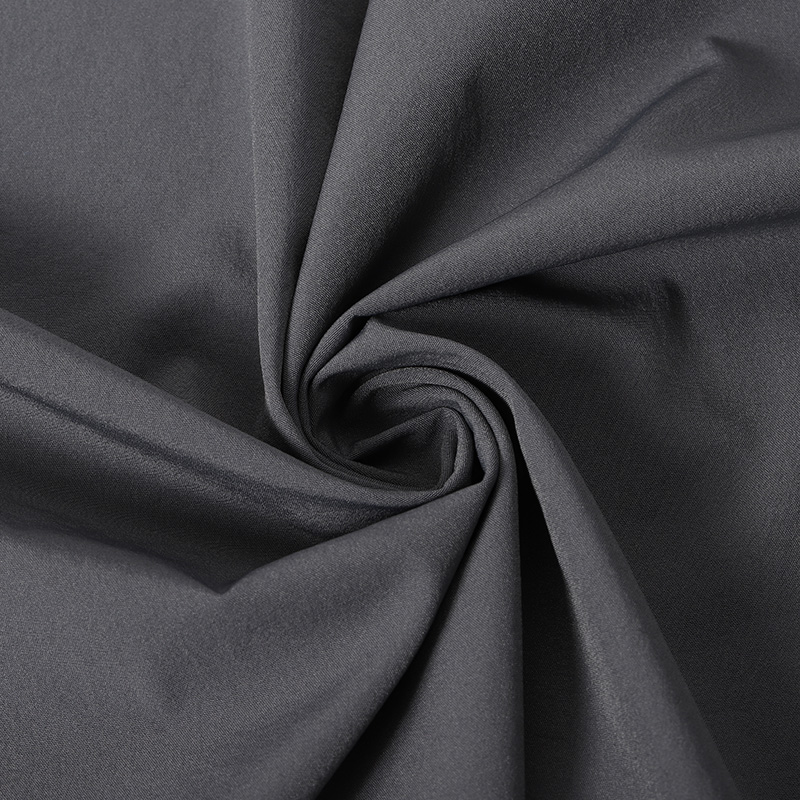
A nylon shell is the quiet workhorse of many waterproof jackets. You notice it as the smooth outer face, the slight crispness in the hand, and the color that holds up after a season of wear. In simple terms, the shell is the outer woven fabric of a garment or bag. It is not the waterproof membrane itself, but the layer that protects the membrane, carries the finish, and gives the product its visual character. A good shell makes a jacket feel purposeful; a poor one makes even a reliable membrane feel disappointing.
What a Nylon Shell Really Does in a Jacket
On a waterproof jacket, the nylon shell sits on the outside. It takes abrasion from backpack straps, branches, and daily use. It holds the DWR finish that helps rain bead and roll away. It also provides the base for lamination or coating. The membrane or coating delivers the waterproof barrier, while the shell contributes strength, tear resistance, and handfeel. That division of labor is why two jackets with similar waterproof ratings can feel very different in the field.
Why Nylon Shells Keep Showing Up in Outdoor Gear
Nylon earns its place because it combines low weight with high strength. Fine filament nylon can be woven into a dense, smooth taffeta or a ripstop grid, then finished for water repellency. It dyes well, accepts coatings and laminates, and can be tuned from soft and quiet to crisp and technical. For packable shells, nylon is often the more natural choice. It also takes embossing and calendering well, which helps when a brand wants a smooth, matte, or textured surface.
The trade-offs are real: nylon tends to absorb a little moisture, can be sensitive to prolonged UV, and usually costs more than standard polyester. Those points matter, but they rarely rule nylon out. They simply ask for a clearer brief.
Nylon Shell vs Polyester Shell: A Practical Comparison
Nylon is not automatically better than polyester. The right choice depends on the product promise. The table below is a practical starting point, not a scorecard.
| Property | Nylon shell | Polyester shell | Buyer note |
|---|---|---|---|
| Abrasion and tear | High | Moderate to high | Nylon has an edge in thin, light shells. |
| Handfeel | Softer and smoother | Drier and crisper | Yarn and finish change the result. |
| Moisture behavior | Absorbs more | Dries faster | Important for linings, less so for shells. |
| Cost | Higher | Lower | Balance cost against the membrane system. |
| Best fit | Premium packable shells and down jackets | Value rainwear and high-UV use | Neither choice replaces testing. |
A 20D nylon ripstop and a 75D polyester taffeta can both make a credible rain shell. The differences show up in drape, noise, pack size, and how the fabric ages.
The Construction Behind a Waterproof Nylon Shell
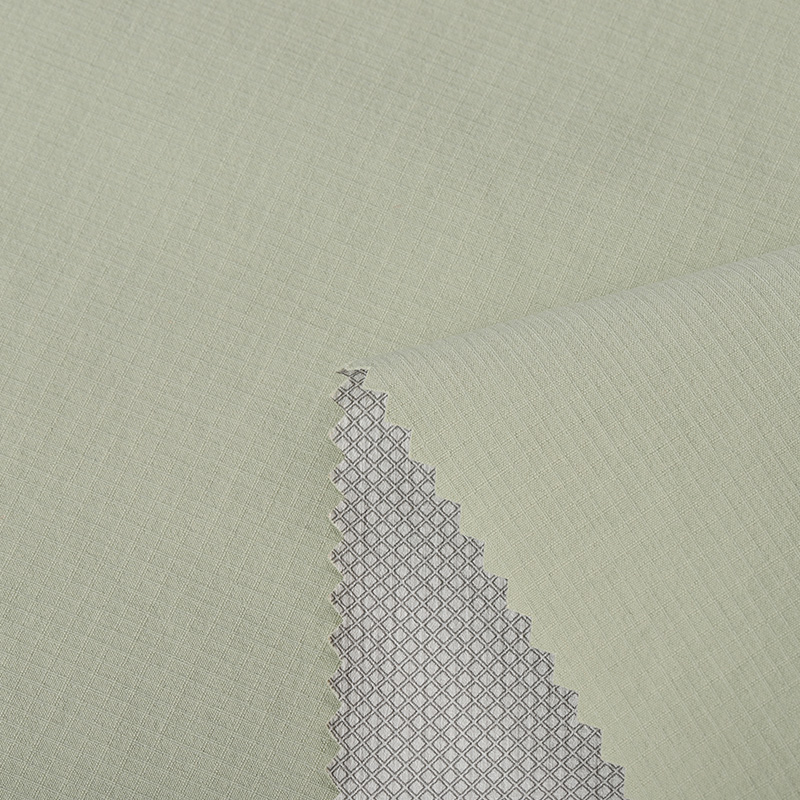
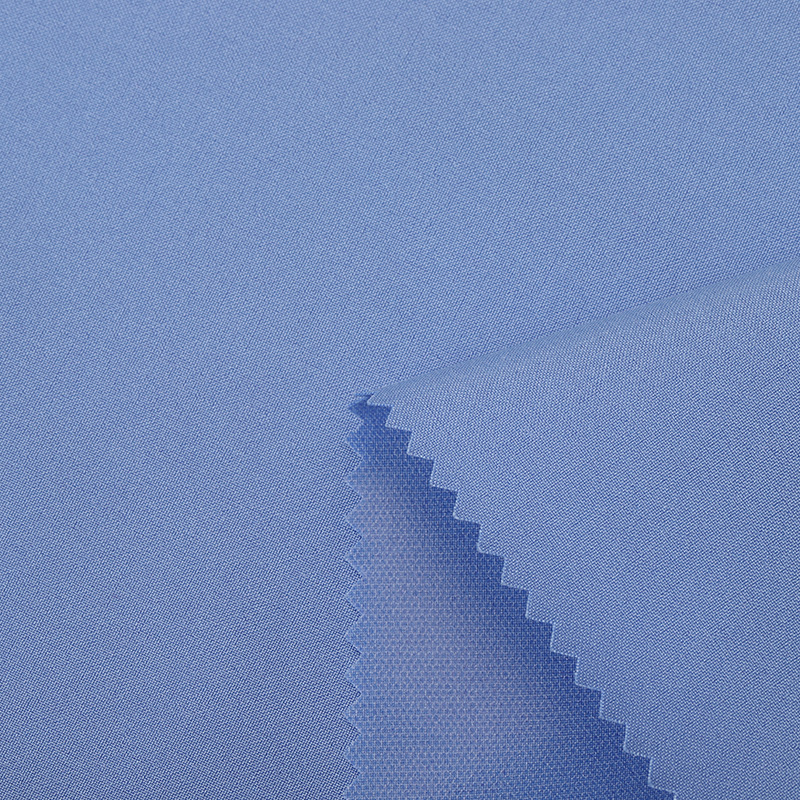
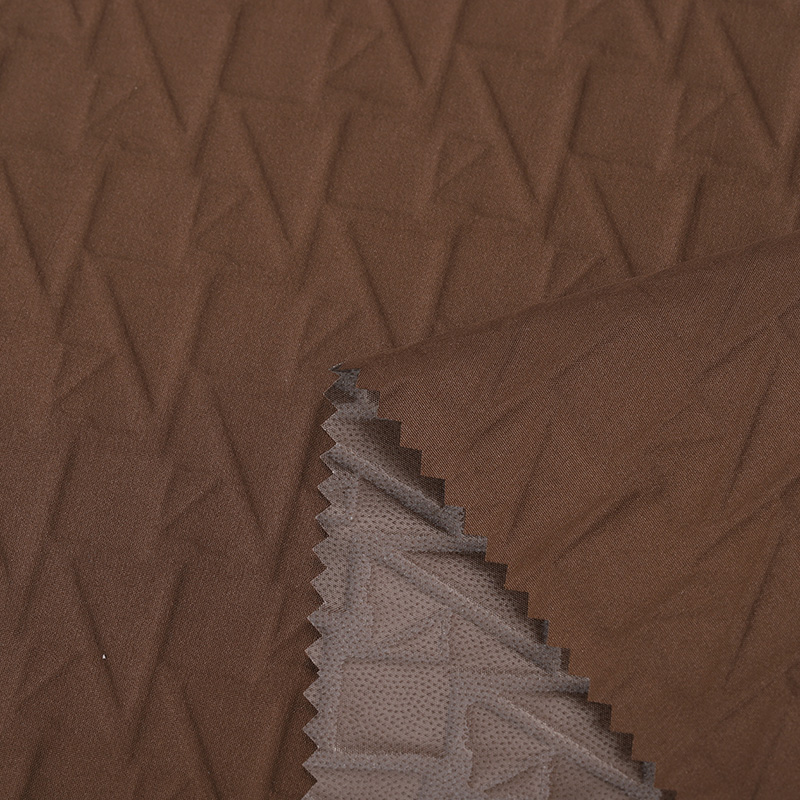
Most waterproof nylon shells use one of three constructions. A two-layer fabric bonds a membrane or coating to the nylon face and leaves the inside exposed. It is straightforward, packable, and common in entry to mid-range rainwear.
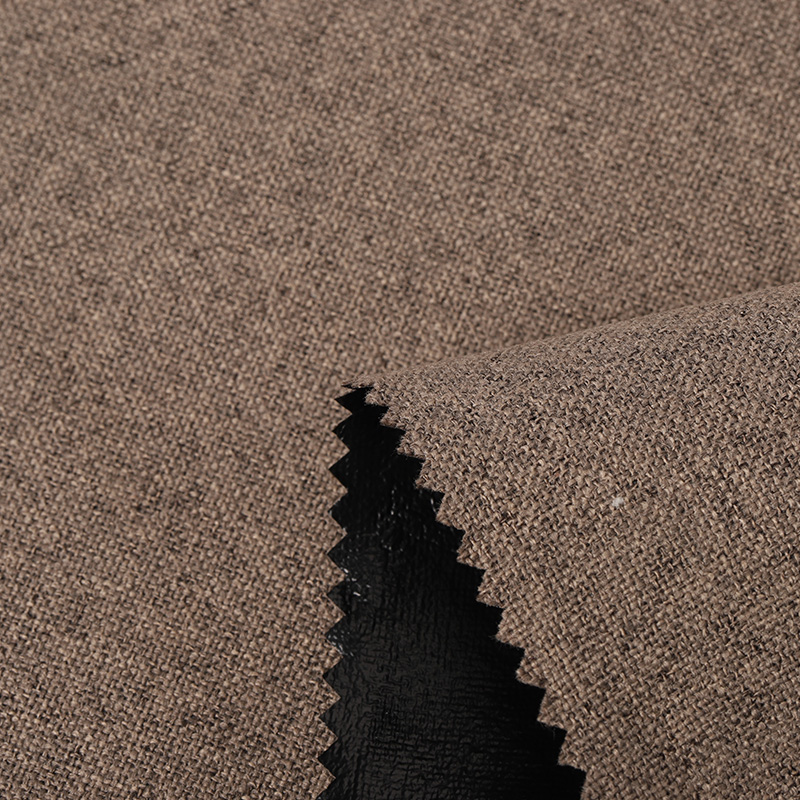 Two-Layer Laminated Waterproof Outdoor FabricA two-layer laminated fabric with optional face fabrics, membranes, breathability and waterproof ratings, suited to packable rainwear and functional textile applications.View Product →
A three-layer fabric adds a backer to protect the membrane, which improves durability and next-to-skin comfort but adds weight. A 2.5-layer uses a printed or sprayed protective layer instead of a full backer, saving weight for emergency shells. The difference is not only layer count; it is also how the shell feels, how it packs, and how long it lasts.
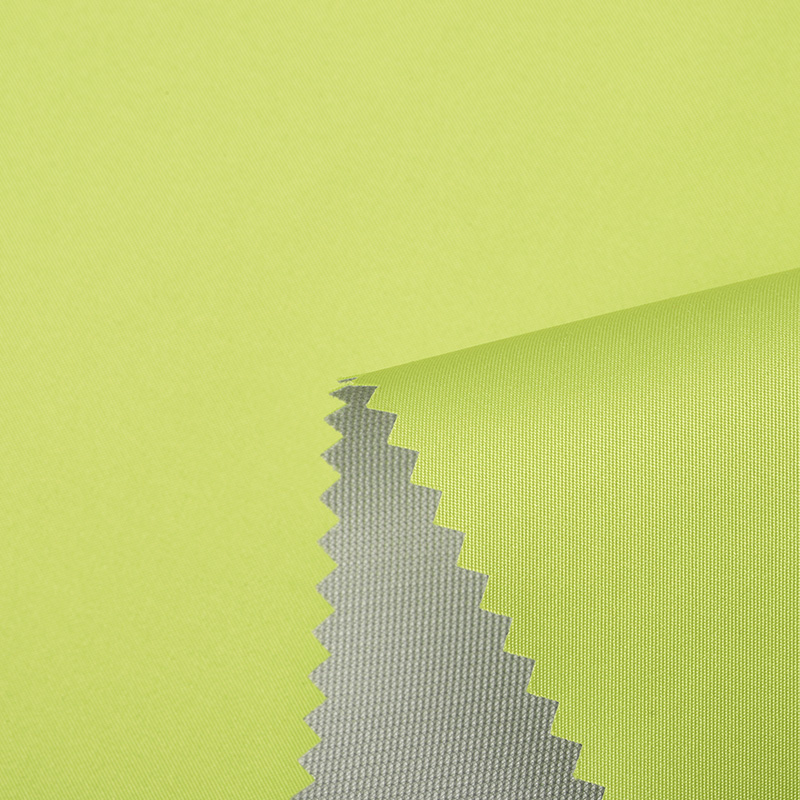 Three-Layer Laminated Waterproof Softshell FabricA three-layer laminated fabric with optional face fabrics, linings and membranes, adding a protective backer for durability and next-to-skin comfort in outdoor shells.View Product →
Under the shell, the membrane choice matters. TPU is flexible and familiar; PU coatings offer a range of handfeels; PTFE and TPEE bring their own balance of breathability, durability, and cost. On the outside, a DWR finish helps water bead, but it is not a substitute for the membrane. The shell, membrane, backer, and finish have to be specified as one system.
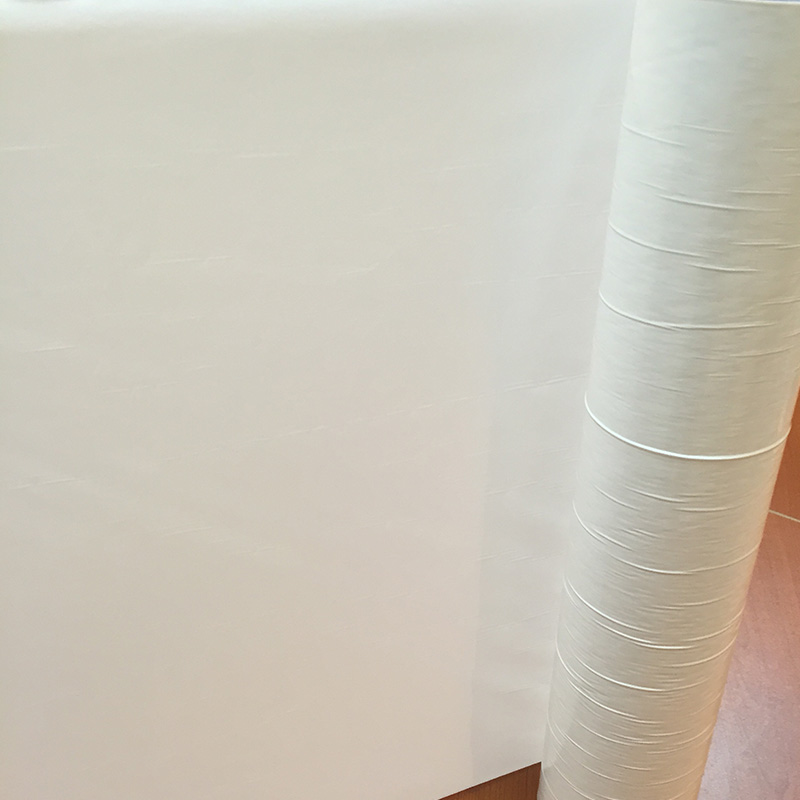 Waterproof Breathable Blackout Membrane OptionsA membrane range in TPU, PU, TPEE, PTFE and printed types, with blackout constructions and high breathability options for laminated outdoor and textile applications.View Product →
Reading Nylon Shell Specifications Without Getting Lost
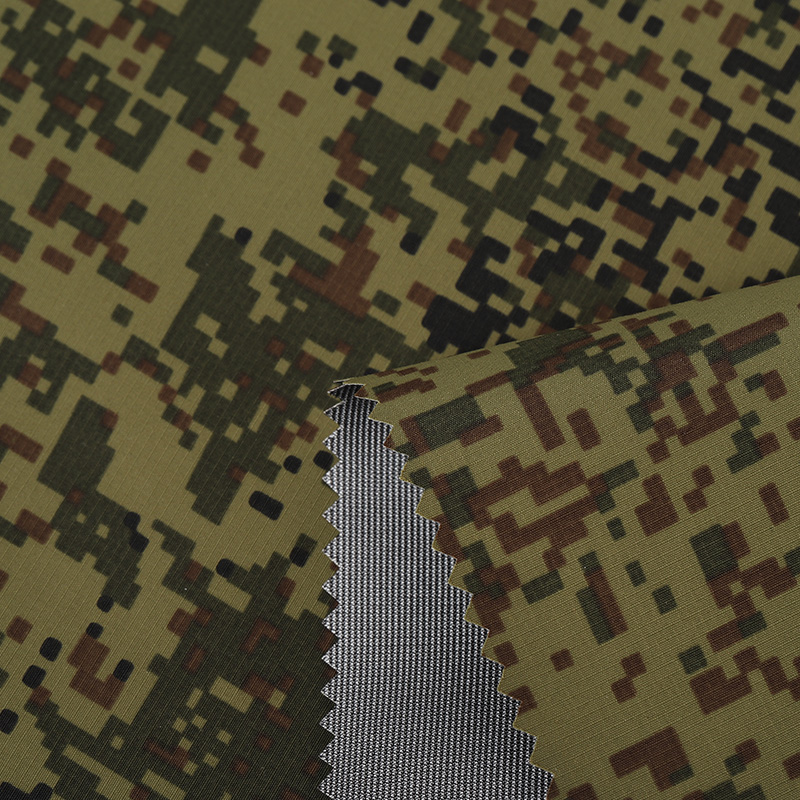
When you read a spec sheet, start with the face fabric. Denier tells you yarn size, not finished weight. A 20D nylon shell is light and soft; a 70D or 210D nylon is tougher but heavier. Weave matters too: taffeta is smooth, ripstop adds grid reinforcement, oxford is basket-woven and common in bags, and twill gives a softer diagonal look. Then look at the performance numbers.
- Hydrostatic head shows resistance to water pressure, not real-world storm performance by itself.
- Breathability figures need the test method beside them, because MVTR and RET tell different stories.
- Adhesion matters after washing, folding, and seam taping.
- Wash durability reveals whether the finish survives cleaning and abrasion.
- Cold flex and colorfastness matter for winter sports and dark or bright colors.
Matching the Nylon Shell to the End Use
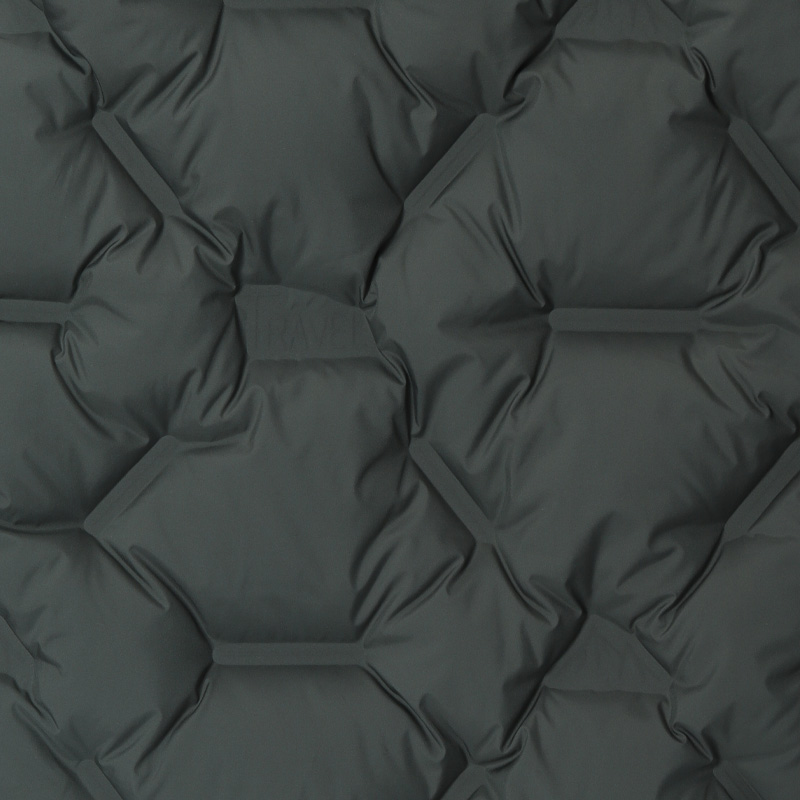
Match the shell to the job, not the other way around. For alpine and hiking shells, a two-layer or three-layer nylon with balanced breathability and a quiet hand is a sound start. For down jackets, a lightweight nylon shell with a tight weave helps contain down and reduce wind penetration. For rainwear and umbrellas, a slightly heavier nylon or polyester with a robust coating may offer better value.
For bags and luggage, 210D to 420D nylon or oxford weaves bring abrasion resistance. For children's products, prioritize soft hand, safe finishes, and reliable seam sealing. Our application overview shows how these constructions map to real end uses: application overview.
Sourcing Checks That Save Time Later
Before bulk production, ask for the details that are easy to overlook. A short checklist saves weeks.
- Confirm the substrate, denier, weave, and finished weight in writing.
- Request test reports for hydrostatic head, breathability, and wash durability.
- Check adhesion after repeated folding and seam taping.
- Review DWR performance and refresh instructions.
- Agree on seam tape width, application method, and appearance standards.
- Clarify care labeling and any restricted substance requirements.
Good suppliers will show you test methods, not just headline numbers. They will also tell you where the fabric is strong and where it needs care. Our FAQ page covers common questions about lamination and waterproof fabrics: FAQ page.
Care and Customer Expectations
Nylon shells are durable, but they still need sensible care. Wash with a mild detergent, skip fabric softener, and tumble dry low if the care label allows; heat can reactivate some DWR finishes. Clean zips and avoid repeated high-temperature drying. Over time, abrasion and oils reduce water repellency, which is normal. A refresh treatment can restore beading, but it cannot repair a damaged membrane.
A nylon shell is not a shortcut to a better jacket. It is one part of a system that has to work with the membrane, the backer, the seams, and the finish. When the shell is chosen for the real end use, the result is a product that feels right in the hand and performs in the rain. If you start with the job the fabric must do, the rest of the specification becomes much easier to read.