
 English
 CN
CNContent
What “Waterproof Outdoor Furnishing” Really Means
When people search for waterproof outdoor furnishing, they are usually looking for furniture and accessories that can stay outside in the rain without rotting, molding, or fading. True weather-ready setups balance three things: water resistance, durability under UV and temperature changes, and day-to-day comfort. Understanding how materials, construction, and maintenance work together will help you build an outdoor space that survives stormy seasons and still looks inviting.
Waterproof outdoor furnishing is not just about buying “outdoor” labeled chairs. It covers the full system: frames, fabrics, cushions, hardware, and even the way water drains off or away from your setup. Choosing the right combination can drastically reduce maintenance, stop cushions from getting musty, and prevent you from constantly shuttling furniture in and out of storage.
Best Materials for Waterproof Outdoor Furnishings
The core of any waterproof outdoor furnishing strategy is material selection. Different frames and fabrics respond very differently to rain, humidity, salt air, and temperature swings. Below is a practical overview of the most common options and how they behave outdoors in wet conditions.
Weather-Resistant Frame Materials
Frame materials determine the basic lifespan of outdoor furnishings. While many can be used outside, some are far better suited to regular rain and damp environments. This comparison table summarizes how the main materials perform when exposed to moisture.
| Material | Water & Weather Behavior | Typical Use & Notes |
| Aluminum (powder-coated) | Does not rust, light, very rain-resistant | Ideal for wet climates; common in patio sets and loungers |
| Stainless steel (quality grades) | Resists rust, but can spot in salty or harsh conditions | Modern look; great if you wipe down occasionally and avoid standing water |
| Synthetic resin / all‑weather wicker | Waterproof strands; frames underneath must also be weather-safe | Comfortable and stylish; choose UV-stable, high-density resin for longevity |
| Teak and other dense hardwoods | Naturally moisture-resistant; can handle rain but needs care over time | Great for classic outdoor furniture; apply occasional sealant or oil |
| Plastic (polypropylene, HDPE) | Waterproof but may fade or become brittle without UV protection | Budget-friendly; look for “marine-grade” or UV-stabilized labels |
| Untreated soft wood or regular steel | Prone to rot or rust in repeated wetting-drying cycles | Avoid for permanent outdoor use unless heavily sealed or coated |
For truly waterproof outdoor furnishing, aluminum and synthetic resin are the easiest choices. Both allow you to leave frames outside year-round with minimal worry, especially if you add covers in extreme seasons. Teak and dense hardwoods can be almost as durable when maintained correctly, but they are less “set-and-forget.”
Waterproof and Water-Resistant Fabrics
Fabrics and cushions are usually the first components to suffer from water exposure. Even if the frame survives, sagging or moldy cushions can make a piece unusable. When evaluating outdoor fabrics, pay attention to how they repel water, dry, and resist mold and UV damage.
- Solution-dyed acrylic: Often used by premium outdoor brands, this fabric is highly UV-resistant, quick-drying, and naturally mildew-resistant. Water beads on the surface when it is treated with a durable water-repellent coating.
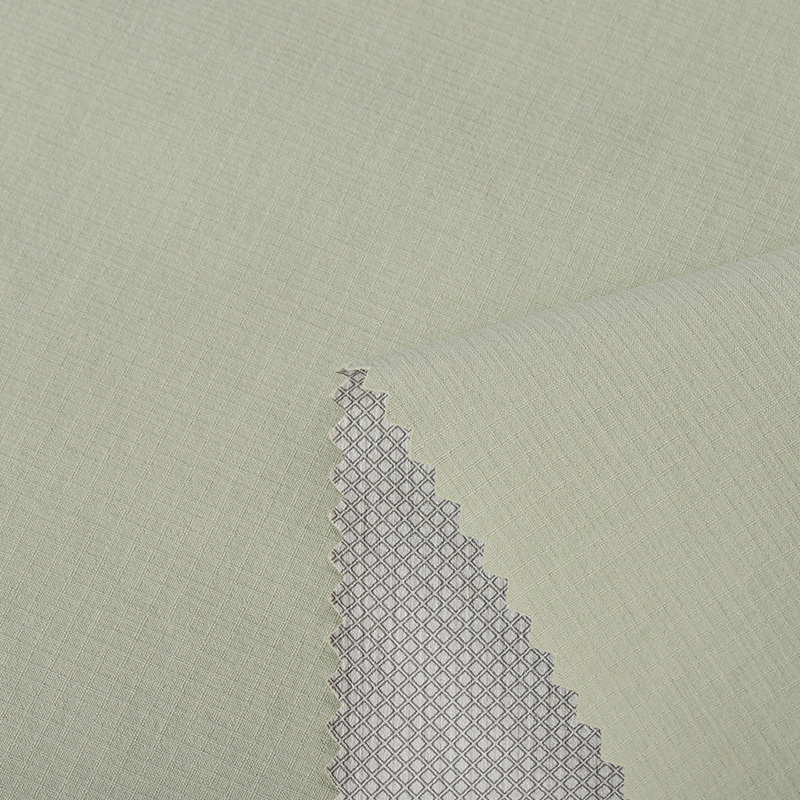
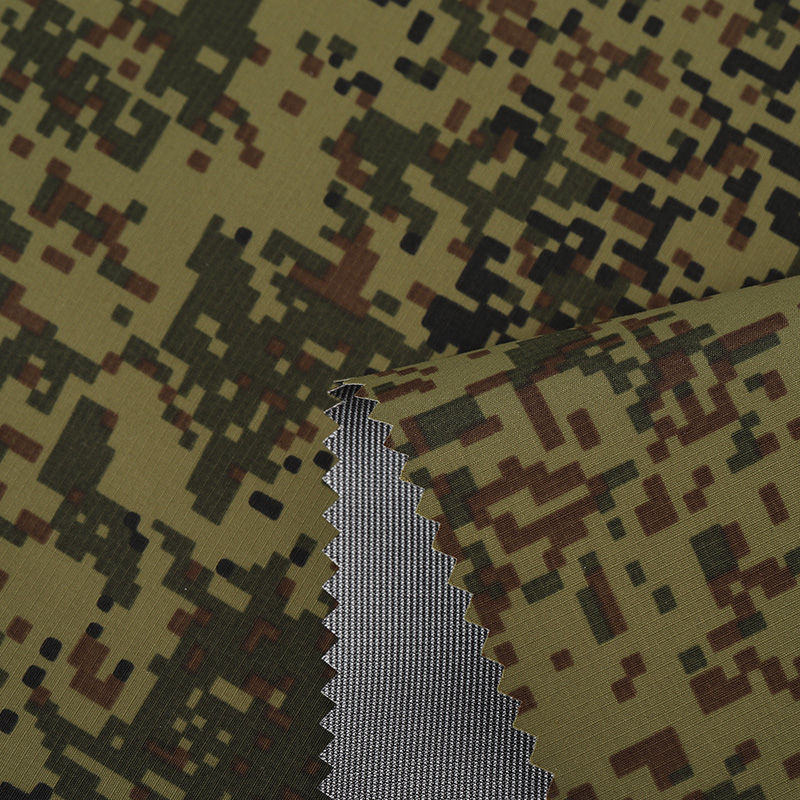
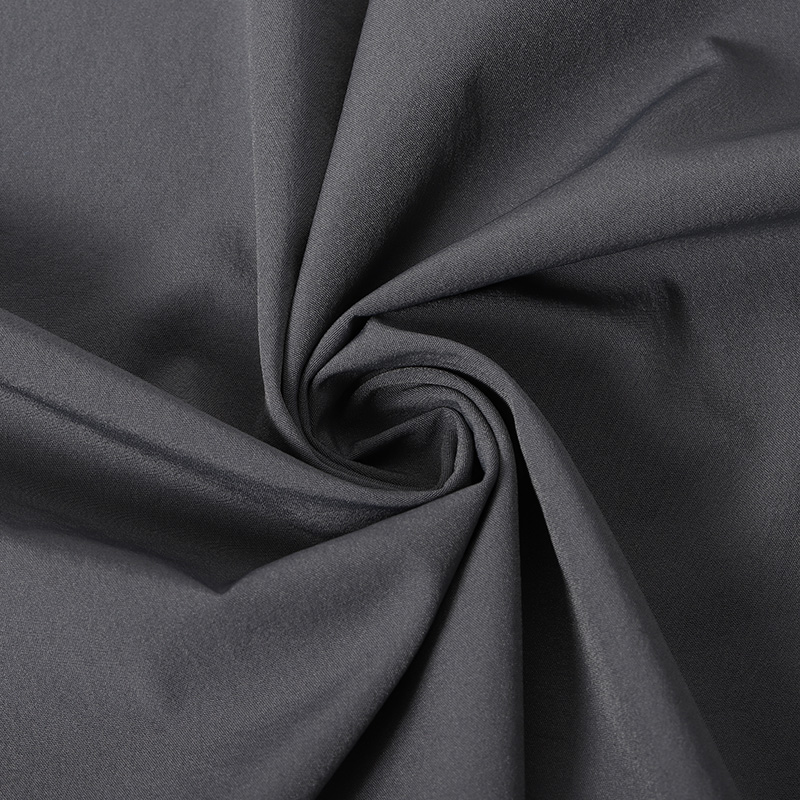
- Polyester with waterproof coatings: Many “waterproof” covers and cushion shells use coated polyester. It can be very water-resistant, but cheaper versions may crack or peel over time and can get hot in strong sun.
- Vinyl and PVC-coated fabrics: Highly waterproof and easy to wipe clean, but less breathable. These are useful for covers and some cushions in high-splash zones, though they may feel sticky in warm weather.
- Olefin (polypropylene): Lightweight, resistant to stains and fading, and dries quickly. It is a good compromise between comfort and moisture protection, particularly for pillows and sling chairs.
Look for fabrics marketed as outdoor or marine grade. Truly waterproof fabrics will have a hydrostatic head rating or similar testing data, but even “water-resistant” materials perform very well when combined with fast-draining cushion cores and thoughtful construction details like taped seams.
Designing a Fully Waterproof Outdoor Seating Area
A waterproof outdoor furnishing setup works as a system, not just a collection of isolated pieces. To keep water from becoming a constant nuisance, you should consider drainage, airflow, and exposure when arranging furniture. Good design choices reduce the risk of mold and make it easier to enjoy the space right after a storm.
Planning Around Rain, Wind, and Drainage
Start by observing how water moves through your outdoor area. Patios and decks often have subtle slopes, low spots, or areas that stay shaded and damp. Placing your furnishings in the wrong spot can turn even waterproof materials into maintenance headaches due to standing water and poor drying conditions.
- Avoid placing cushions directly over spots that pool water; instead, reserve those zones for solid, non-porous items like planters or storage boxes designed to shed water.
- Use furniture with feet or legs that lift frames off the ground to prevent wicking from puddles and to encourage air circulation beneath seating and tables.
- Consider prevailing wind direction. Rain rarely falls straight down, so position more vulnerable pieces where they are shielded by walls, railings, or privacy screens.
In covered or partially covered areas, waterproof outdoor furnishings still matter because blowing rain and humidity can soak cushions for days. However, you can often opt for more comfortable, slightly less rugged fabrics under a roof, as long as you add breathable covers or storage options for long, wet periods.
Using Layers: Frames, Cushions, and Covers
Think of your outdoor setup in layers: the frame provides structural durability, the cushions and fabrics deliver comfort, and protective covers and accents act as armor against harsh weather. Integrating these layers thoughtfully maximizes waterproof performance while keeping the space inviting.
- Choose frames that can stay outside uncovered all year, so you only need to protect cushions and textiles when heavy rain is forecast or during off-season storage.
- Use quick-dry foam or reticulated foam cores inside cushions; these have large open cells that allow water to pass through quickly instead of lingering inside the pad.
- Add zippered, removable cushion covers made from water-resistant fabric so they can be washed or replaced without discarding the entire cushion.
- Include custom-fitted waterproof covers for sofas and dining sets, especially if you live in a region with long rainy seasons or winter snow.
This layered approach lets you strike a balance between everyday convenience and long-term protection. In light rain, your furnishings can remain uncovered; for storms or vacations, covers and storage quickly turn the whole arrangement into a nearly waterproof package.
Practical Tips for Choosing Waterproof Outdoor Furnishings
Selecting waterproof outdoor furnishing can feel overwhelming given the variety of materials, designs, and marketing claims. Focusing on a few practical criteria makes the decision process far easier and ensures you invest in pieces that will perform in your specific environment.
Key Buying Criteria in Wet Climates
When shopping, do not rely solely on product labels like “outdoor safe” or “all-weather.” Instead, look for concrete details in the product descriptions and tags that indicate true water resistance and durability. The factors below are especially important in rainy or coastal regions.
- Frame finish: Favor powder-coated metal or treated hardwoods. Avoid raw steel or cheap paint that can chip and allow rust to spread quickly when exposed to moisture.
- Fasteners and hardware: Stainless steel or coated hardware is far less likely to corrode than plain steel screws. Hidden hardware still matters, because rust can stain nearby fabric or decking.
- Fabric ratings: Seek fabrics labeled as UV-resistant, mildew-resistant, and water-resistant. Ideally, they should be solution-dyed so the color is infused through the fiber, not just applied on the surface.
- Cushion construction: Verify that cushions use quick-dry or reticulated foam with venting and that seams are reinforced. Mesh bottoms or discreet drain holes are signs of thoughtful waterproof design.
- Weight and stability: Waterproof does not help if your furniture blows over in storms and cracks. Heavier frames or weighted bases make furnishings safer and more durable in windy conditions.
Paying attention to these details will help you avoid furnishings that only survive a single season. In many cases, spending a bit more on materials and construction yields dramatically longer service life, making the total cost over time significantly lower.
Common Mistakes to Avoid
Even well-intentioned outdoor setups can fail quickly when certain pitfalls are overlooked. Avoiding these mistakes will keep your waterproof outdoor furnishing performing as intended instead of deteriorating prematurely.
- Leaving non-breathable covers on constantly: Fully waterproof covers trap moisture if left on in warm, humid conditions, leading to mildew and condensation damage. Use them strategically for storms and long absences, and allow furnishings to air out regularly.
- Placing furniture on grass or bare soil: Moisture from the ground wicks up into frames and legs, even if materials are water-resistant. Whenever possible, place furnishings on stone, decking, or another hard surface.
- Ignoring manufacturer care instructions: Some sealants, oils, or cleaners can damage protective coatings or fabrics. Following the recommended products and intervals usually extends the waterproof performance significantly.
- Choosing indoor cushions for outdoor use: Indoor foams tend to absorb and hold water like a sponge. Using them outdoors almost guarantees mold, odor, and sagging, even under seemingly “waterproof” covers.
By avoiding these missteps, you help your waterproof outdoor furnishings perform closer to their advertised potential, reducing the need for emergency replacements and constant cleaning.
Caring for Waterproof Outdoor Furnishings Over Time
Even the most waterproof outdoor furnishing benefits from simple routine care. Regular cleaning and seasonal checks not only keep pieces looking fresh but also protect coatings, prevent mold, and maintain hardware. A modest maintenance routine can easily double the life of your outdoor setup.
Routine Cleaning and Maintenance
Cleaning waterproof outdoor furnishings does not have to be complicated. The goal is to remove dirt, pollen, and organic material that trap moisture and feed mildew. Harsh chemicals and pressure-washing are rarely necessary and can sometimes damage protective finishes or fabrics.
- Wipe frames monthly with a soft cloth and mild soapy water, then rinse. This helps preserve powder coatings and prevents grime from becoming a permanent film that holds moisture.
- Brush cushions and fabrics to remove loose debris, then spot-clean stains with a diluted gentle cleaner. Allow cushions to dry completely in a ventilated, shaded area before returning them to use.
- Inspect hardware once or twice a season, tightening any loose fasteners and checking for rust or corrosion. Replace damaged screws or bolts promptly to prevent structural issues.
For wood furnishings, schedule occasional resealing or oiling according to the manufacturer’s recommendations. This helps maintain water resistance and reduces cracking or checking from repeated wetting and drying cycles.
Seasonal Storage and Protection Strategies
In regions with harsh winters, monsoon seasons, or tropical storms, seasonal planning makes a huge difference in how well waterproof outdoor furnishings age. Even highly durable materials benefit from time off from extreme conditions when they are not being used.
- Store cushions in a dry, ventilated space during the off-season. Even if the shells are waterproof, long periods of damp cold can encourage mildew on any trapped dust or organic residue.
- Elevate stored items off basement floors or garage concrete using pallets or shelving to avoid moisture wicking up from below and to allow air circulation around each piece.
- Use breathable covers for long-term protection instead of completely airtight plastic wraps; breathable materials allow water vapor to escape while still blocking rain and snow.
By combining quality materials with thoughtful placement, smart purchasing, and light but consistent care, waterproof outdoor furnishings can provide years of comfortable, low-stress use, even in challenging weather. The end result is an outdoor space that you can rely on in every season, not just on perfectly sunny days.