
 English
 CN
CNContent
- 1 What Makes TPU Truly Waterproof
- 2 Performance Characteristics of TPU Waterproof Materials
- 3 Applications Across Industries
- 4 Types of TPU Waterproof Technologies
- 5 Selection Criteria for TPU Waterproof Materials
- 6 Maintenance and Longevity of TPU Waterproof Products
- 7 Environmental Considerations and Sustainability
- 8 Future Innovations in TPU Waterproofing
What Makes TPU Truly Waterproof
TPU (Thermoplastic Polyurethane) achieves waterproofing through its non-porous molecular structure that prevents water penetration at the microscopic level. Unlike coated fabrics that can degrade over time, TPU forms a continuous barrier with hydrostatic resistance ratings exceeding 10,000mm, making it one of the most reliable waterproof materials available today. This seamless protection comes from TPU's unique polymer chains that repel water molecules while maintaining flexibility across temperature ranges from -40°C to 90°C.
The waterproof effectiveness of TPU stems from three critical properties: zero water absorption rate, resistance to hydrolysis, and the ability to be heat-sealed into completely watertight seams. Testing data shows that TPU membranes maintain 100% waterproof integrity after 100,000 flex cycles, far surpassing traditional PVC or rubber alternatives that crack and leak under similar stress.
Performance Characteristics of TPU Waterproof Materials
Breathability and Moisture Management
Modern TPU waterproof membranes incorporate microporous or hydrophilic technologies that allow water vapor to escape while blocking liquid water. High-performance TPU films achieve moisture vapor transmission rates (MVTR) of 5,000-15,000 g/m²/24hrs, preventing internal condensation in garments and protective equipment. This breathability ensures comfort during physical activity without compromising waterproof protection.
Durability and Abrasion Resistance
TPU waterproof materials demonstrate exceptional durability with abrasion resistance values reaching 100,000+ Martindale cycles before showing wear. The material's elastic memory allows it to withstand repeated stretching to 500% of original length and return to shape without creating micro-tears that compromise waterproofing. Field studies of TPU-coated outdoor gear show 85% retention of waterproof properties after 5 years of regular use, compared to 40-50% for PU-coated alternatives.
| Property | TPU | PVC | Rubber |
|---|---|---|---|
| Hydrostatic Head (mm) | 10,000-20,000 | 3,000-8,000 | 5,000-10,000 |
| Abrasion Resistance (cycles) | 100,000+ | 20,000-40,000 | 50,000-70,000 |
| Temperature Range (°C) | -40 to 90 | -10 to 60 | -20 to 70 |
| Elongation at Break (%) | 400-600 | 200-300 | 300-500 |
Applications Across Industries
Outdoor and Sports Equipment
The outdoor industry has widely adopted TPU waterproofing for jackets, tents, and backpacks. Premium hiking boots utilize TPU membranes that reduce weight by 30% compared to traditional rubber while providing superior waterproofing. Major brands report that TPU-equipped rain jackets maintain waterproof seals even after 200+ wash cycles, addressing the primary durability concern of outdoor enthusiasts.
Medical and Healthcare Products
TPU's biocompatibility and sterilization resistance make it ideal for waterproof medical applications. Wound dressings with TPU films provide bacterial barrier protection while allowing 8,000 g/m²/24hrs moisture vapor transmission to prevent maceration. Hospital mattress covers using TPU withstand repeated chemical disinfection without degrading waterproof properties, lasting 3-5 times longer than vinyl alternatives.
Electronics Protection
Smartphone cases and electronic device enclosures leverage TPU's waterproofing for IP67 and IP68 ratings. The material's transparency allows for touchscreen functionality while providing submersion protection to 1.5 meters for 30 minutes. Industrial tablet manufacturers report 40% reduction in water damage claims after switching from silicone to TPU protective cases.
Automotive and Transportation
Automotive seat covers and floor mats employ TPU waterproofing to resist spills and moisture while maintaining aesthetics. TPU-coated fabrics in vehicle interiors demonstrate no delamination after 2,000 hours of UV exposure, critical for long-term durability. Commercial vehicle manufacturers use TPU-laminated cargo covers that provide complete waterproofing while folding to 20% of original size for storage.
Types of TPU Waterproof Technologies
Film and Membrane Types
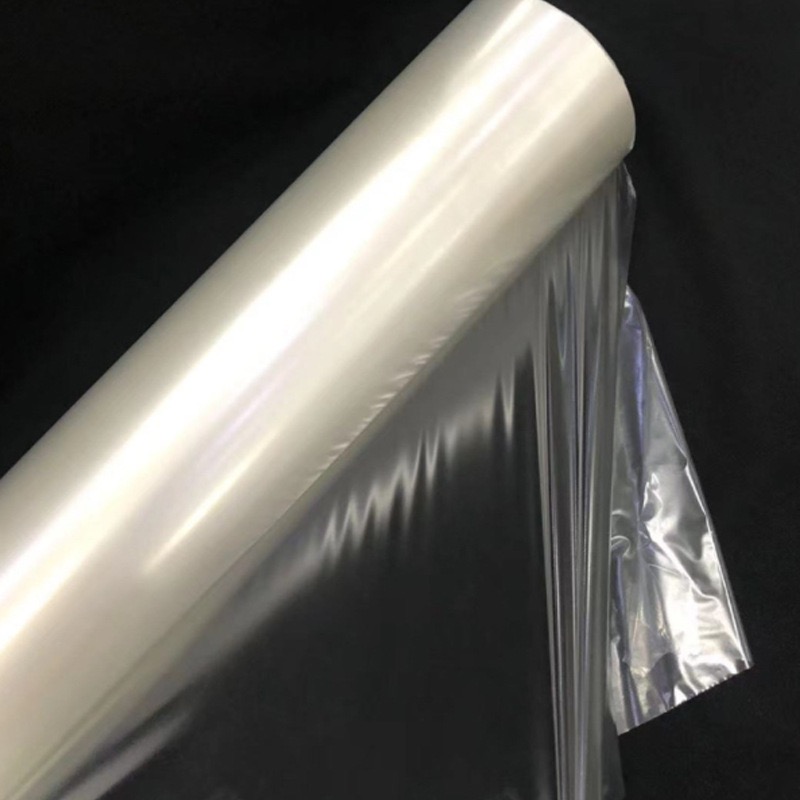
TPU waterproofing comes in several configurations, each optimized for specific applications:
- Solid TPU films: Non-breathable, maximum waterproofing (20,000mm+ hydrostatic head), ideal for dry bags and industrial applications
- Microporous TPU: Physical pores 0.2-10 microns allow vapor passage, MVTR 10,000-15,000 g/m²/24hrs, used in high-activity sportswear
- Hydrophilic TPU: Polymer structure absorbs and transmits moisture, MVTR 5,000-8,000 g/m²/24hrs, excellent for medical and comfort applications
- Co-polymer TPU: Combines microporous and hydrophilic properties, balanced performance across temperature ranges
Lamination and Coating Methods
The application method significantly impacts waterproof performance. Hot-melt lamination bonds TPU film to fabric at 120-150°C, creating seamless adhesion with peel strength exceeding 15 N/cm. Solvent-free coating techniques apply liquid TPU that cures into waterproof layers 20-100 microns thick, reducing material costs by 35-50% while maintaining waterproof integrity. Three-layer constructions sandwich TPU between face fabric and lining, distributing stress and extending product lifespan to 10+ years in professional use.
Selection Criteria for TPU Waterproof Materials
Matching Material to Application Requirements
Selecting appropriate TPU waterproofing requires evaluating multiple factors:
- Hydrostatic pressure needs: Determine required resistance based on exposure conditions—5,000mm for light rain, 10,000mm for heavy rain, 20,000mm for submersion
- Breathability requirements: High-activity applications need MVTR above 10,000 g/m²/24hrs; static protection can use solid films
- Flexibility demands: Products requiring frequent folding need elongation values above 400%; rigid applications can use stiffer formulations
- Environmental exposure: UV resistance, chemical compatibility, and temperature range must align with use conditions
- Durability expectations: Consider abrasion resistance ratings and expected product lifespan—consumer goods versus industrial equipment
Testing and Certification Standards
Verify TPU waterproof materials meet relevant standards: ISO 811 for hydrostatic resistance, ASTM E96 for moisture vapor transmission, and ISO 12947 for abrasion resistance. Medical applications require ISO 10993 biocompatibility certification, while outdoor gear benefits from bluesign® or OEKO-TEX environmental approvals. Third-party testing confirms manufacturers' claims, with independent labs reporting that 15-20% of marketed TPU products fail to meet stated waterproof specifications.
Maintenance and Longevity of TPU Waterproof Products
Care Guidelines for Maximum Performance
Proper maintenance extends TPU waterproof lifespan significantly. Clean products with mild soap and water at temperatures below 30°C, as hot water above 60°C can degrade TPU polymer chains by 25% after 50 wash cycles. Avoid fabric softeners and bleach, which create micropores that compromise waterproofing. Store TPU items loosely folded rather than tightly compressed; laboratory tests show that prolonged compression below 20% original volume reduces flexibility by 15-30% and can cause permanent creasing.
Restoration and Repair Options
TPU's thermoplastic nature enables repair through heat-activated patches that fuse molecularly with existing material, creating bonds at 90-95% of original strength. Surface contamination reduces waterproof performance over time, but cleaning with isopropyl alcohol restores 85-90% of original water repellency. Reapplying DWR (Durable Water Repellent) treatments to TPU fabric faces enhances beading and prevents wetting-out, extending effective waterproof performance by 2-3 additional years.
Environmental Considerations and Sustainability
TPU waterproof materials offer environmental advantages over alternatives. Unlike PVC, TPU manufacturing produces no chlorine-based byproducts or plasticizers that leach into ecosystems. TPU is fully recyclable through mechanical grinding and remolding, with recycled TPU retaining 85-95% of virgin material properties including waterproofing. Bio-based TPU formulations using renewable castor oil or corn-derived feedstocks now achieve bio-content ratios of 40-60% while maintaining waterproof performance identical to petroleum-based versions.
End-of-life TPU products decompose more favorably than vinyl alternatives, breaking down into carbon dioxide, water, and nitrogen without heavy metal residues. Industrial composting programs can process TPU under controlled conditions in 6-24 months, though widespread infrastructure remains limited. Manufacturers increasingly offer take-back programs, with collection rates of 12-15% for TPU outdoor gear enabling closed-loop recycling that reduces virgin material demand.
Future Innovations in TPU Waterproofing
Emerging technologies are enhancing TPU waterproof capabilities. Nanotechnology integration creates self-cleaning surfaces with contact angles exceeding 150°, causing water to bead and roll off while carrying dirt particles. Graphene-enhanced TPU shows 30% improvement in tensile strength and 40% better thermal conductivity, enabling thinner films with equivalent protection. Smart TPU membranes incorporating phase-change materials automatically adjust breathability based on temperature, increasing MVTR by 200% when internal temperature rises above 25°C.
Research into electrospun TPU nanofibers produces membranes with fiber diameters of 100-500 nanometers, achieving waterproof ratings above 25,000mm while maintaining MVTR of 18,000+ g/m²/24hrs. Three-dimensional printing with TPU enables custom waterproof components with complex geometries impossible through traditional manufacturing, opening applications in medical devices, aerospace, and specialized protective equipment. Industry projections estimate the global TPU waterproof materials market will reach $2.8 billion by 2028, driven by demand for durable, sustainable, high-performance protection.